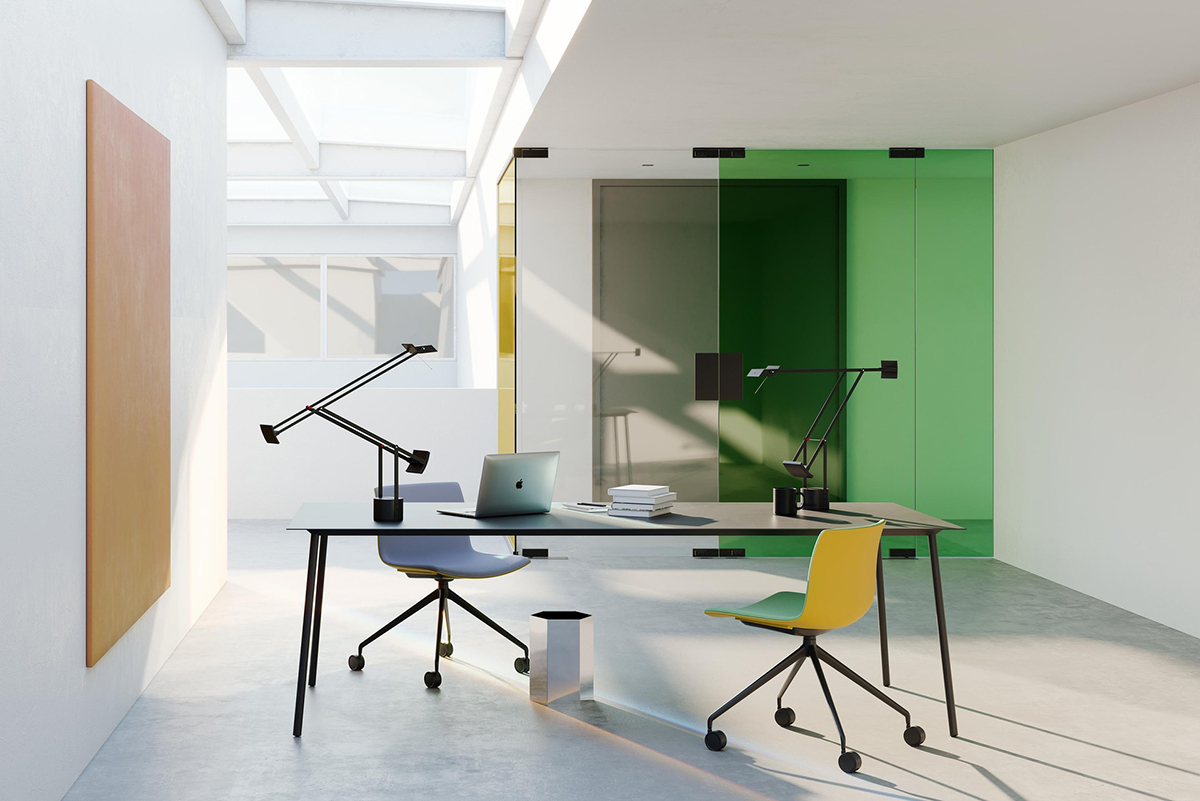
Spaces, not individual collections. Arper‘s design thinking is developed around this simple paradigm—a holistic approach that focuses not on the particular, but on the general, expressing itself in designing spaces where furnishings are the tools to achieve this goal. Inspired by a rapidly changing world, the company creates spaces that support this evolution and bring to life the most authentic living experiences: living, working, playing, meeting, relaxing. A dynamic and multifaceted environment, made possible by solutions based on the concept of modularity, which has always been central to Arper’s design and increasingly relevant today. “Strictly modular, versatile, and customizable in an infinite variety of solutions, our collections adapt to diverse and changing needs and spaces,” explains the company. “A modularity that makes them easy to assemble and disassemble, facilitating maintenance, reuse, and recycling.”
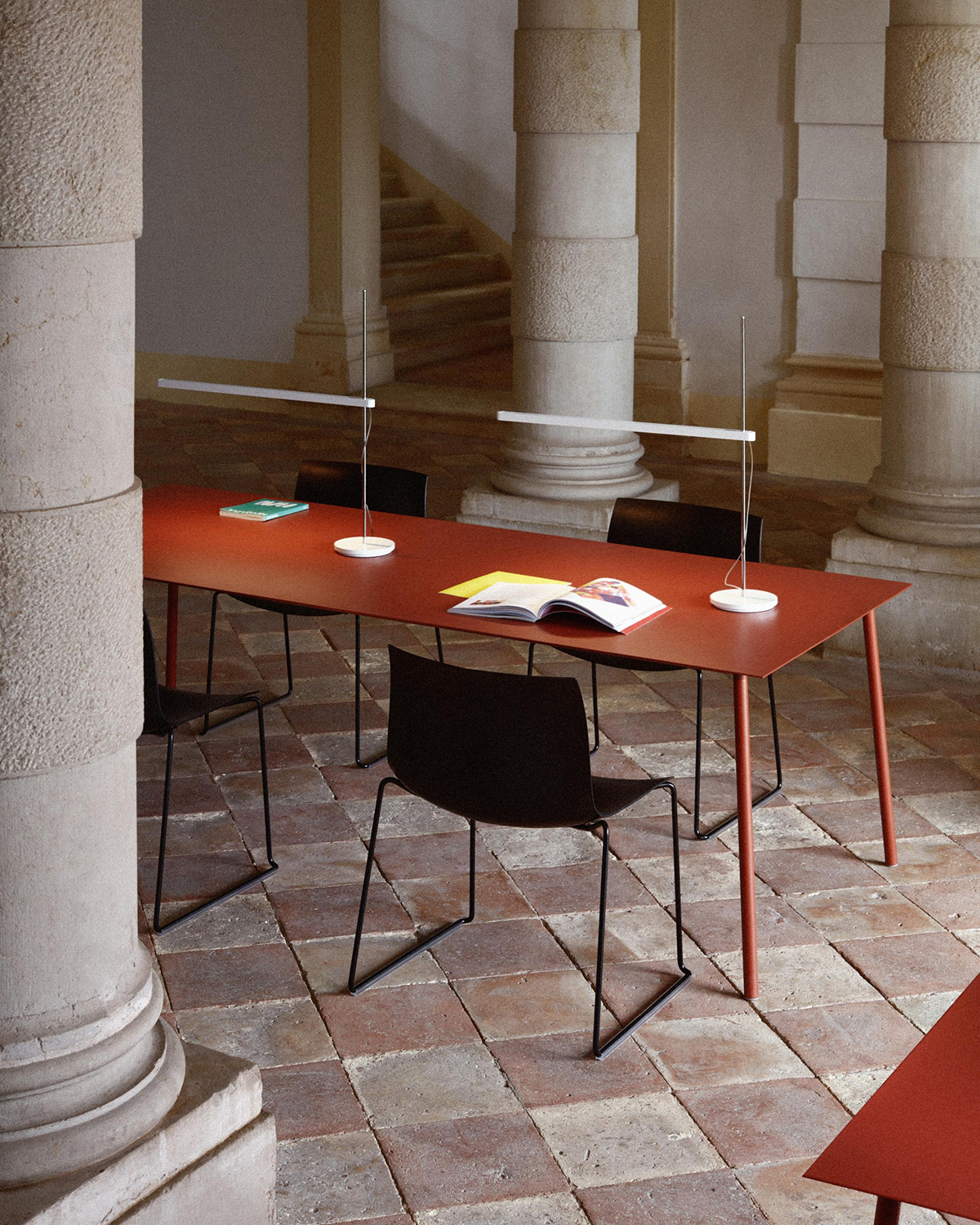
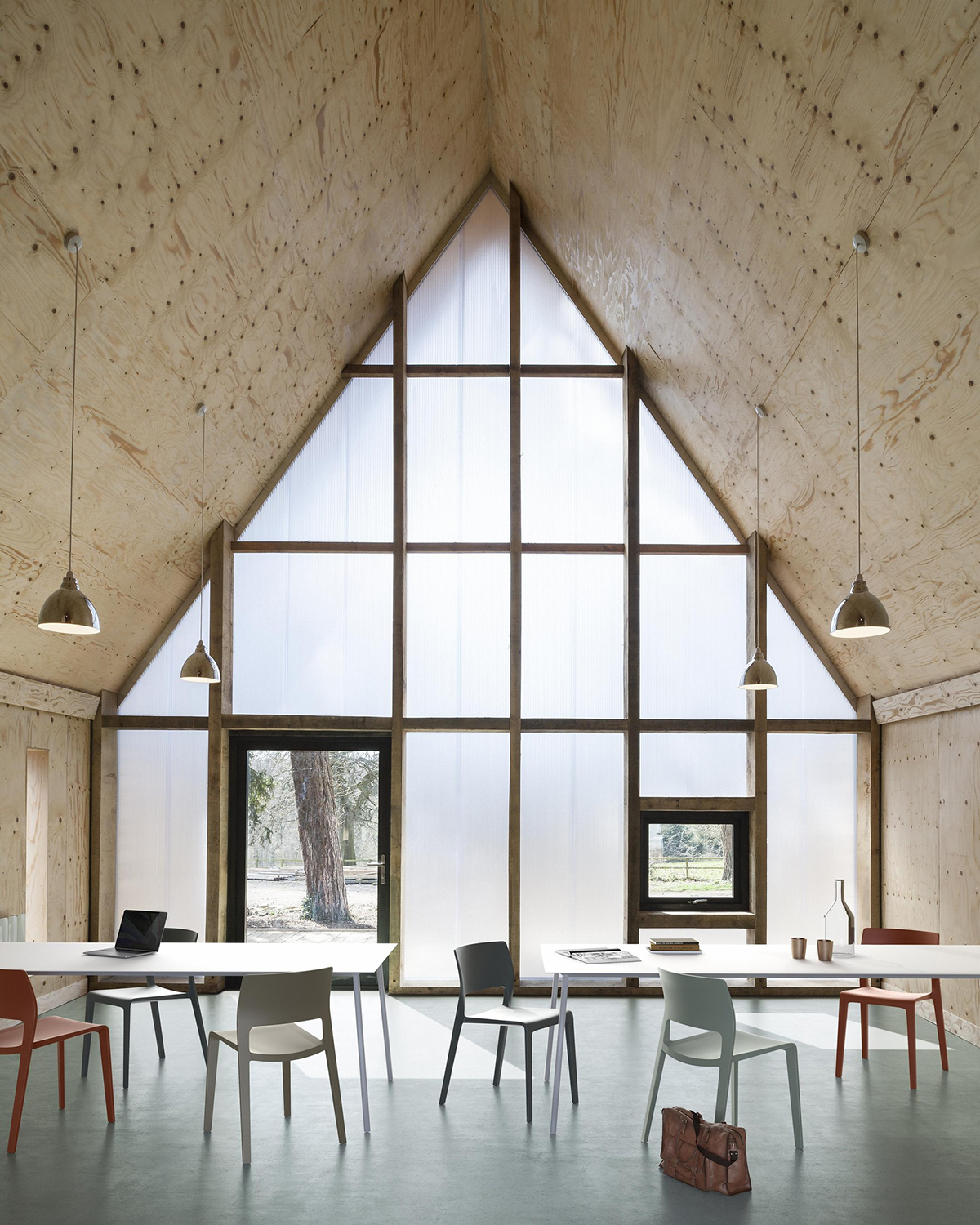
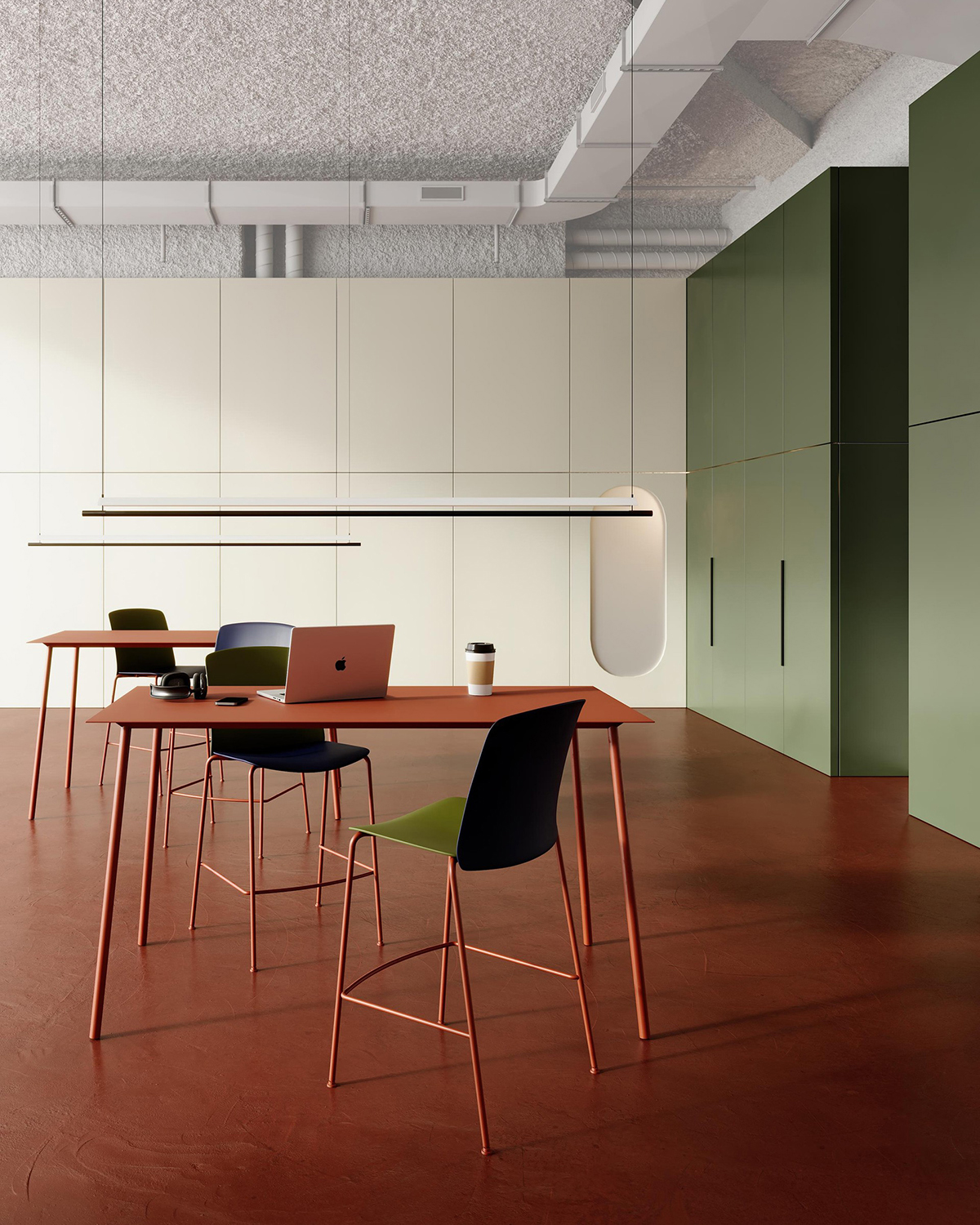
Onemm by Arper, design Peter Kunz
This “hybrid” design philosophy also defines the contemporary workspace, which has expanded its values and dynamics to transform into a place that stimulates creativity and collaboration, ensures individual work, and at the same time promotes interaction. “Designing workspaces today means embodying values and strategies that highlight the purpose of physical presence, the enrichment of interpersonal relationships, technological innovation, and well-being,” the company continues. “Our collections are created with this vision in mind. Intuitive, flexible, and modular, they adapt to different needs, promoting harmony and connection.” This philosophy has birthed products like Kiik, Onemm, Cila, Catifa Up, and Kinesit—collections of tables and seating whose common denominator is extreme versatility in use and purpose, thanks to their linear, ergonomic, and comfortable design.
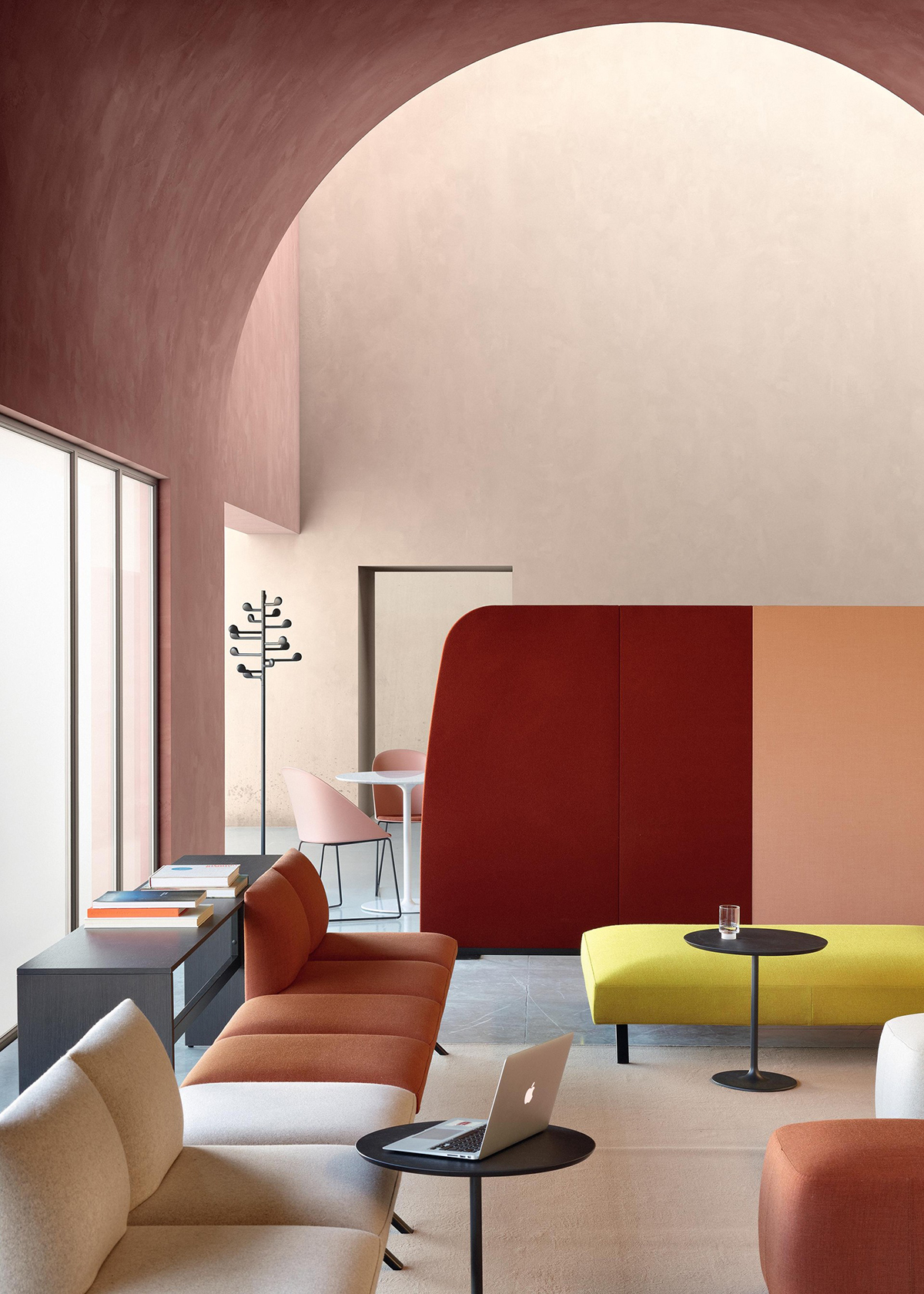
Kiik by Arper, design Ichiro Iwasaki
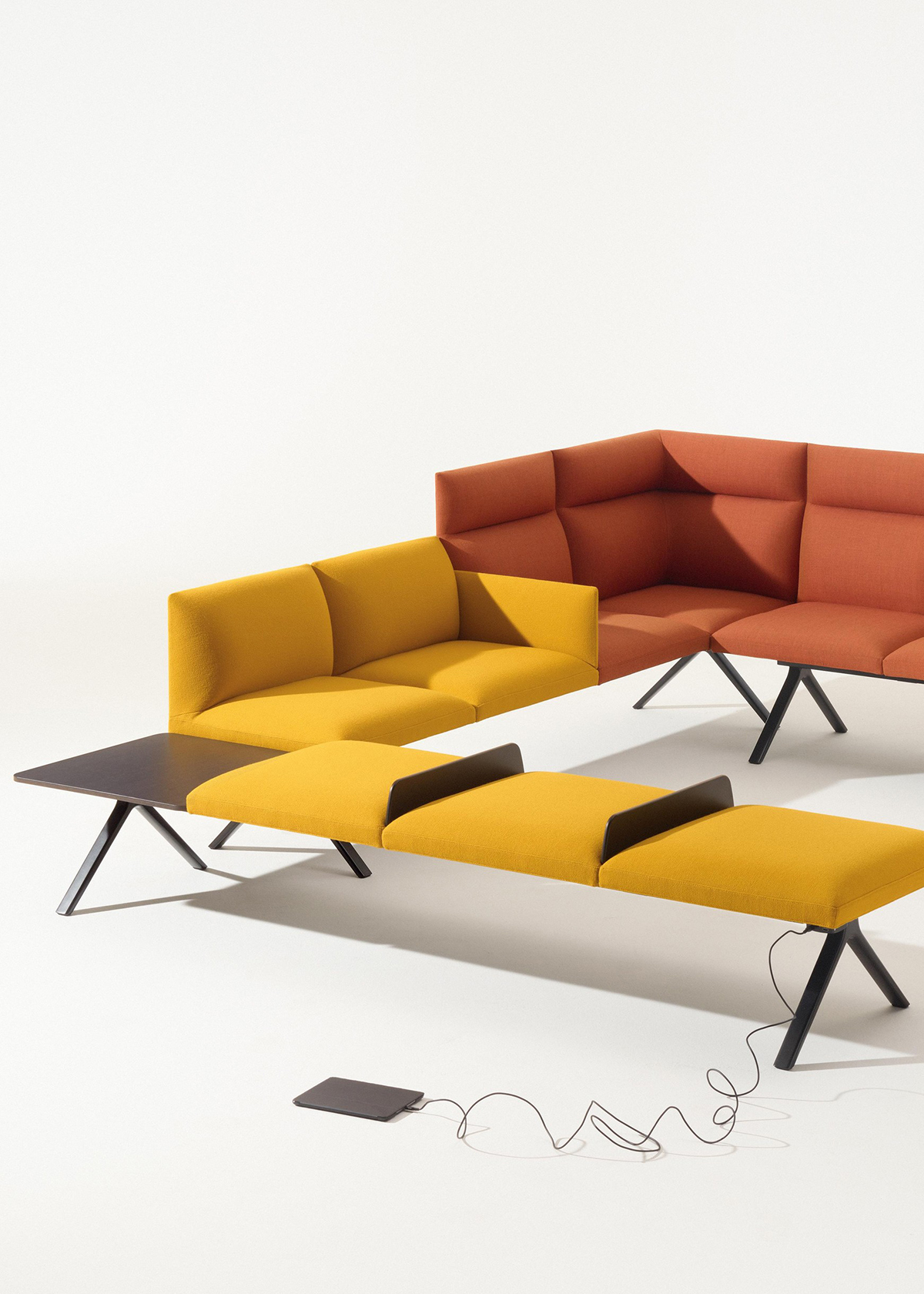
The Kiik collection, comprising seating, tables, poufs, and consoles, forms complete environments through complex combinations capable of furnishing waiting rooms, university campuses, workspaces, and areas for meeting and sharing. On one side, high-tech design; on the other, a refined and pure aesthetic characterizes the Onemm table: made from a single 1-millimeter-thick sheet of folded steel and constructed with only five light and sustainable components, it provides extreme solidity and stability, automatically adapting to any type of flooring.
It thus becomes the centerpiece of the environment, whether residential or contract, ensuring maximum functionality and performance while catering to the most elegant interiors with its minimalistic and discreet character. This dual quality also accompanies the Cila and Catifa Up seating collections, which populate domestic environments or meeting rooms, offices, residential studies, and conference rooms with their comfort—ideal for working or simply relaxing.
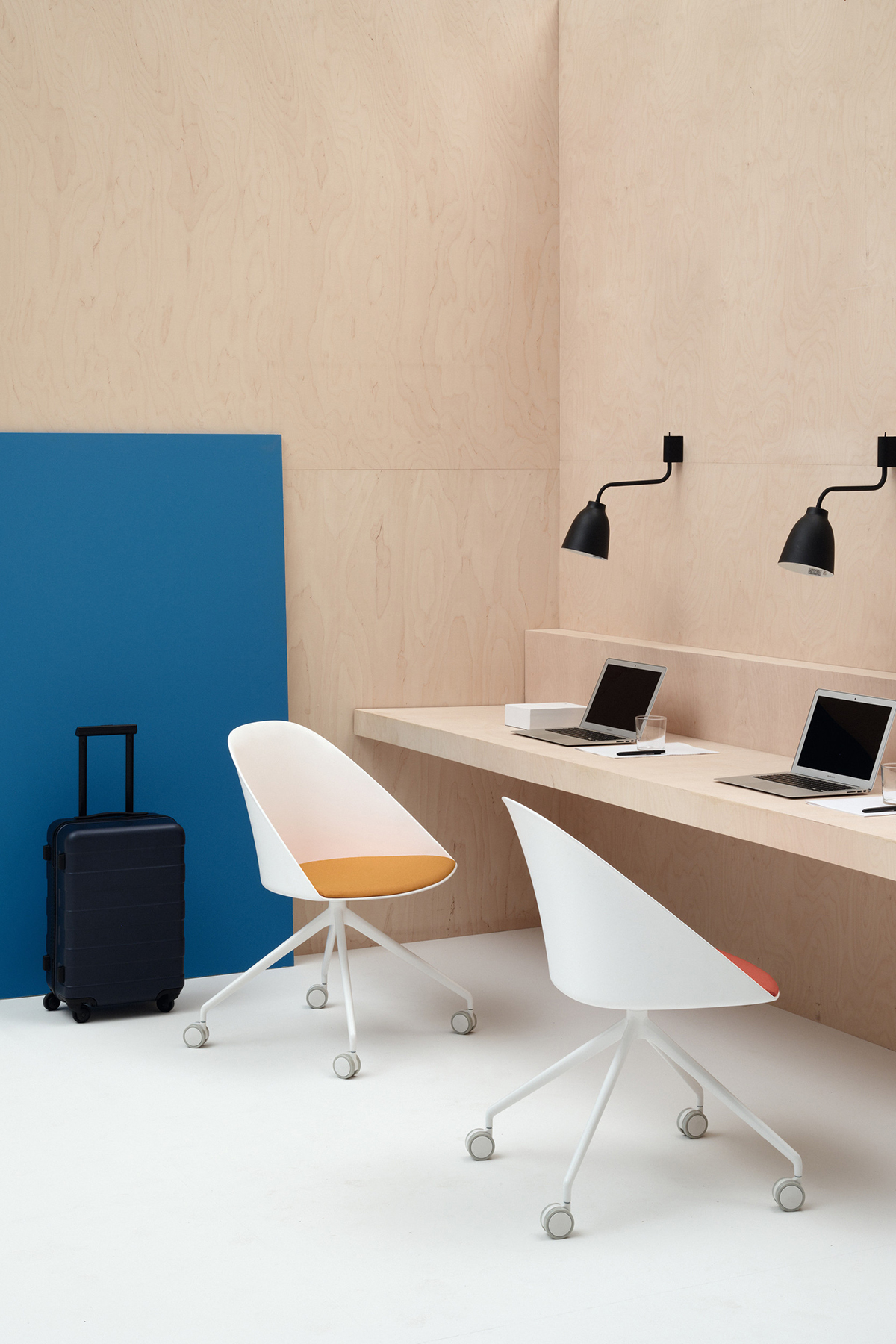
Cila by Arper,
design Lievore Altherr
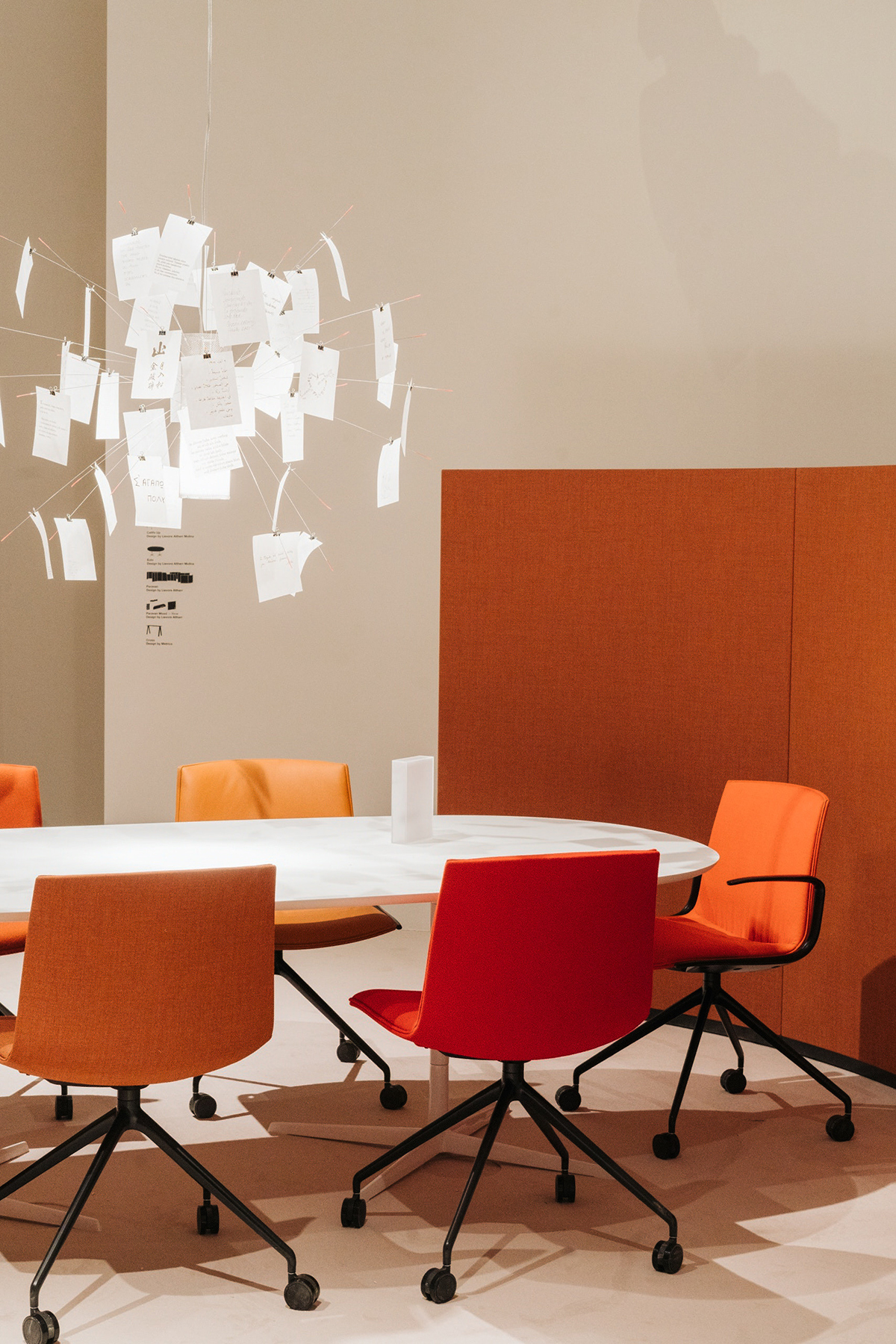
Catifa Up by Arper,
design Lievore Altherr Molina
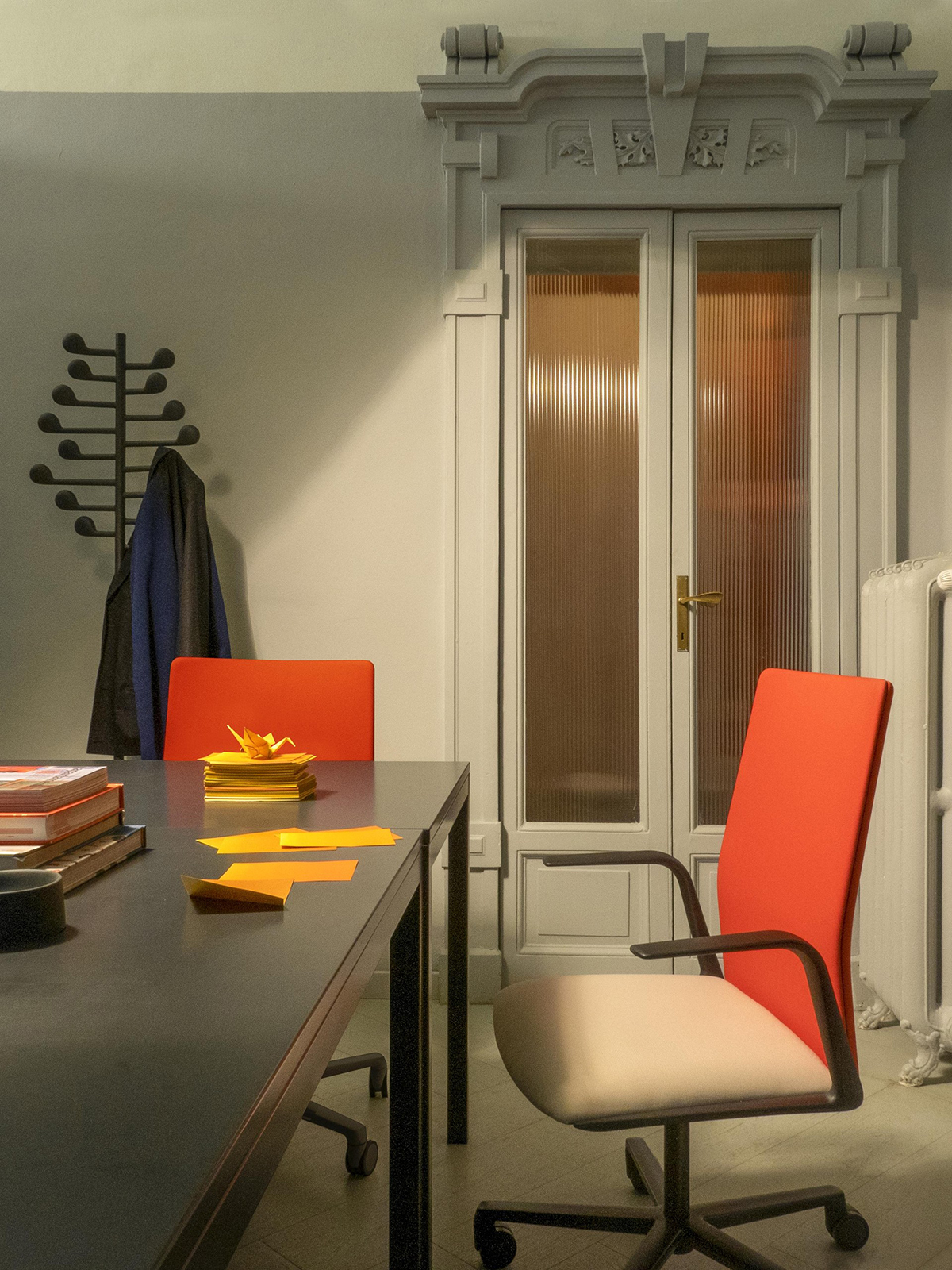
Kinesit by Arper,
design Lievore Altherr Molina
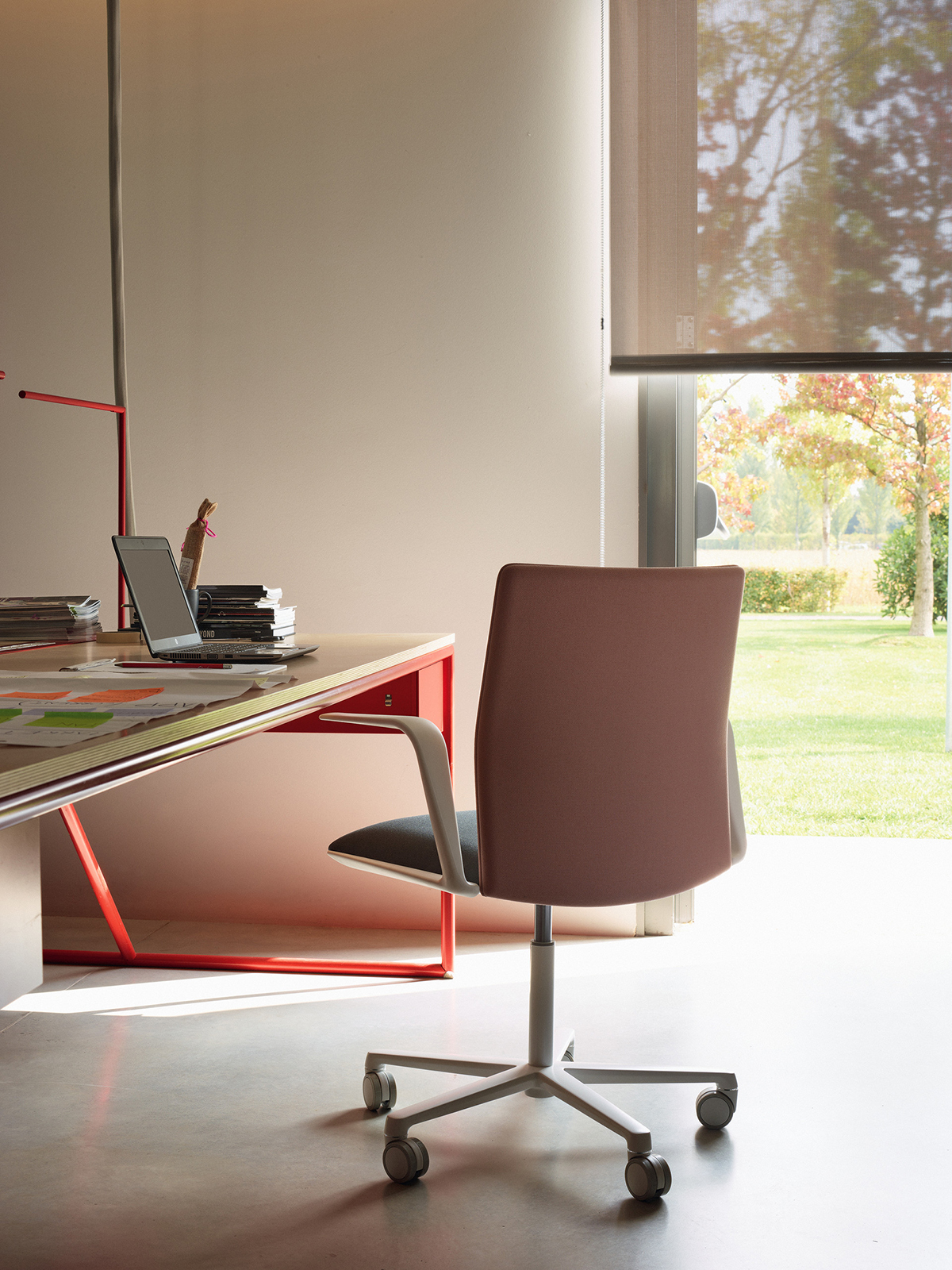
This extends to Kinesit, Arper’s first operative seating designed by Lievore Altherr Molina, now enhanced in the Kinesit Met version with a new color palette: inspired by the original design, it offers metallic finish armrests alongside rich and nuanced materials, colors, and textures. Above all, Kinesit Met stands out for its integrated mechanisms, discreetly hidden beneath the seat, and a light and minimal appeal that accompanies both the low and mid-back model (upholstered and customizable).
From product to project, Arper realizes the ideal conditions for work, relationships, sharing, and relaxation through creations that become expressions of its “project of living” philosophy worldwide. An authoritative example is the Lighthinking Space iGuzzini, the new multifunctional space in the brand’s headquarters in Recanati. According to the project by APML Architetti Pedron / La Tegola, Arper contributed to developing multipurpose meeting islands—lounge and conversation areas, presentation and training rooms, meeting rooms, equipped kitchenettes, and relaxation areas—thanks to versatile design, a wide variety of colors and materials, and particular attention to environmental and personal comfort.
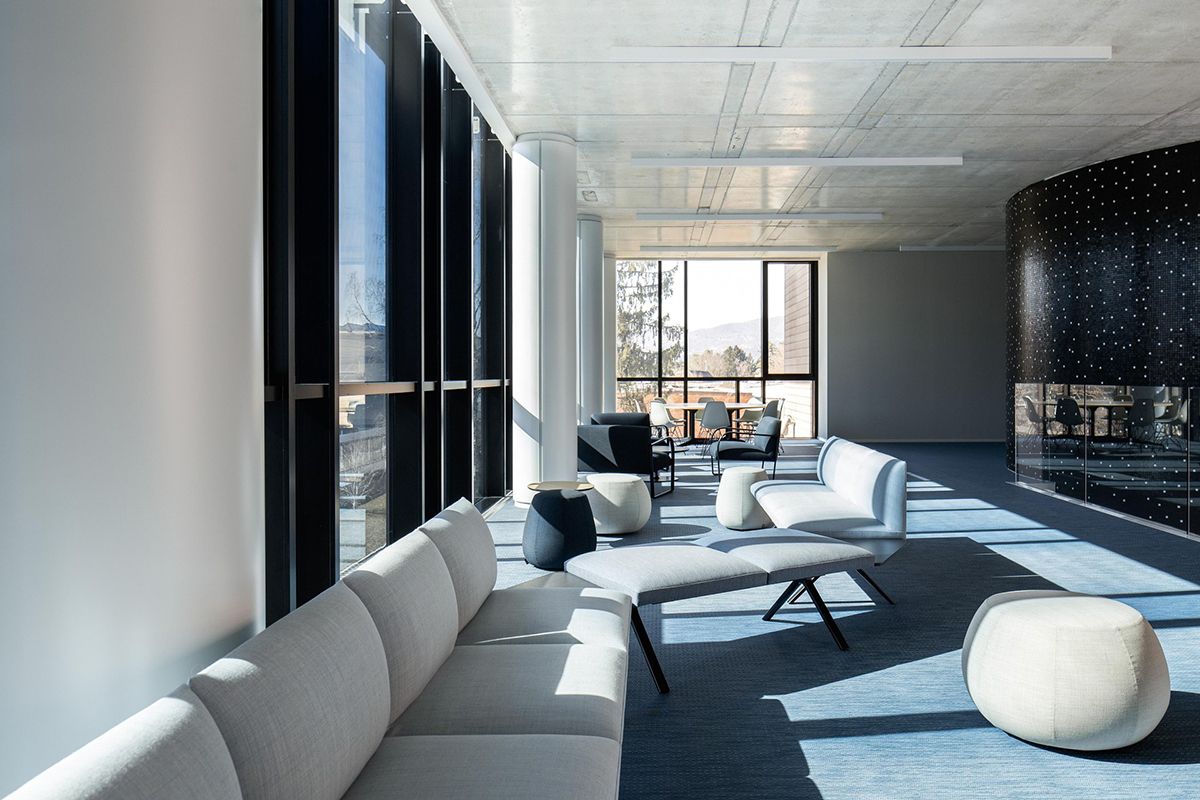
EU Joint Research Center – Ispra, Italy – Photo © Simone Ottaviani