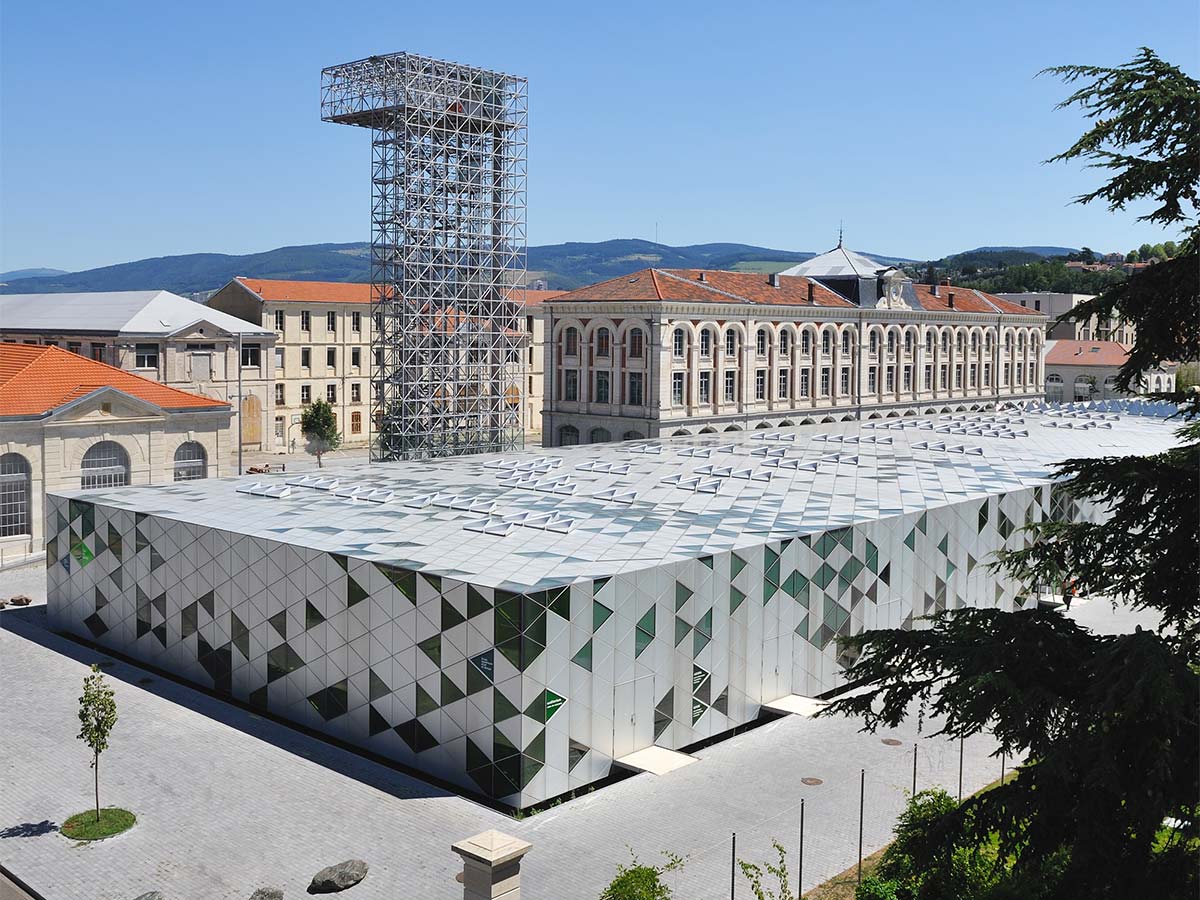
From May 22 to July 6, 2025, the 13th Biennale Internationale Design Saint-Étienne will take place, an event open to the public and an open laboratory with exhibitions, meetings and workshops for everyone, from the specialist to the amateur, from the novice to the professional. Six weeks inviting people to discover new objects and projects from all over the world, to come up with new ideas and to share their views on exploratory design, in tune with contemporary issues but in the atmosphere of a major festive event.
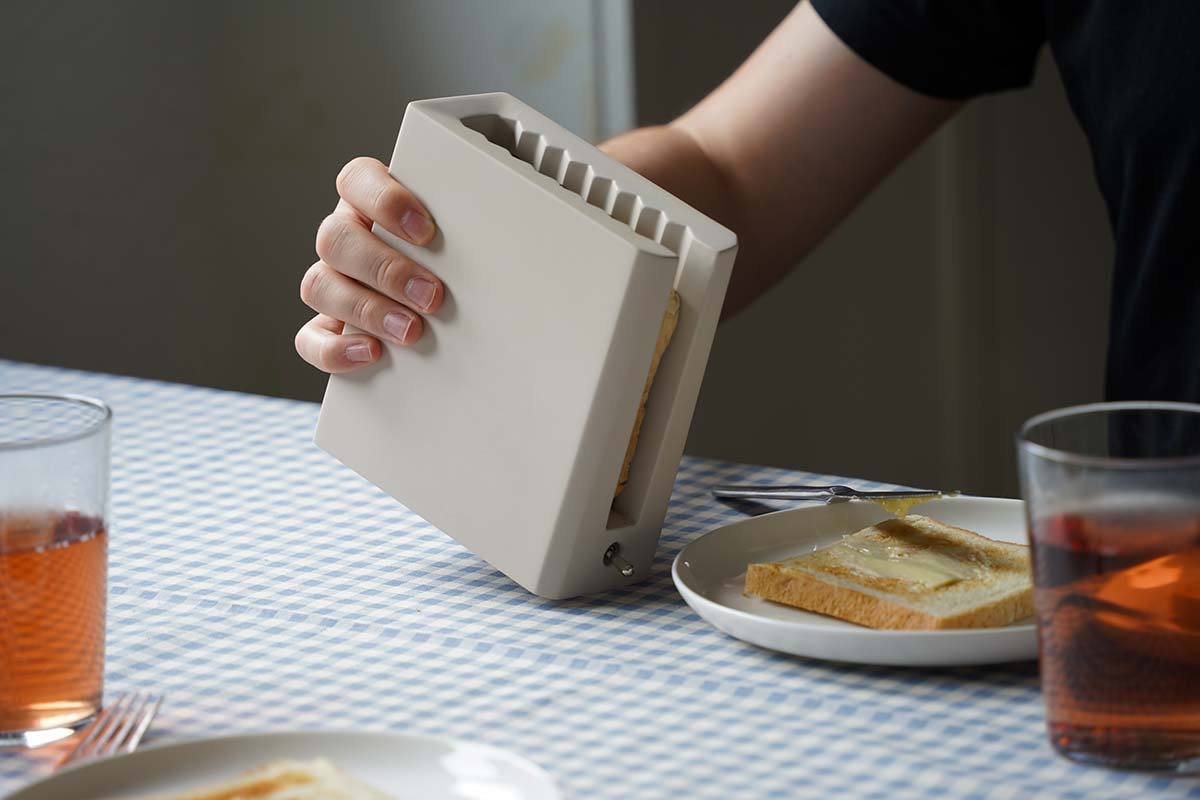
Resource(s), présager demain – Minimum / Maximum section: ANTI throw-away mentality, Zixuan Zhou design, is a ceramic toaster easy to repair and use, with thermal and electrical insulation properties
The theme of this issue is Resource(s), présager demain (Resource(s), imagining tomorrow). Faced with the production challenges of the 21st century, what resources are designers working with today to prepare for the future? Immersed in an age that has become fluid, marked by the expected depletion of some resources, the palpable reality of climate change, and the questioning of many of the certainties that have marked the modern era, the designer today feels ‘intranquil’. This leads him to question his work.
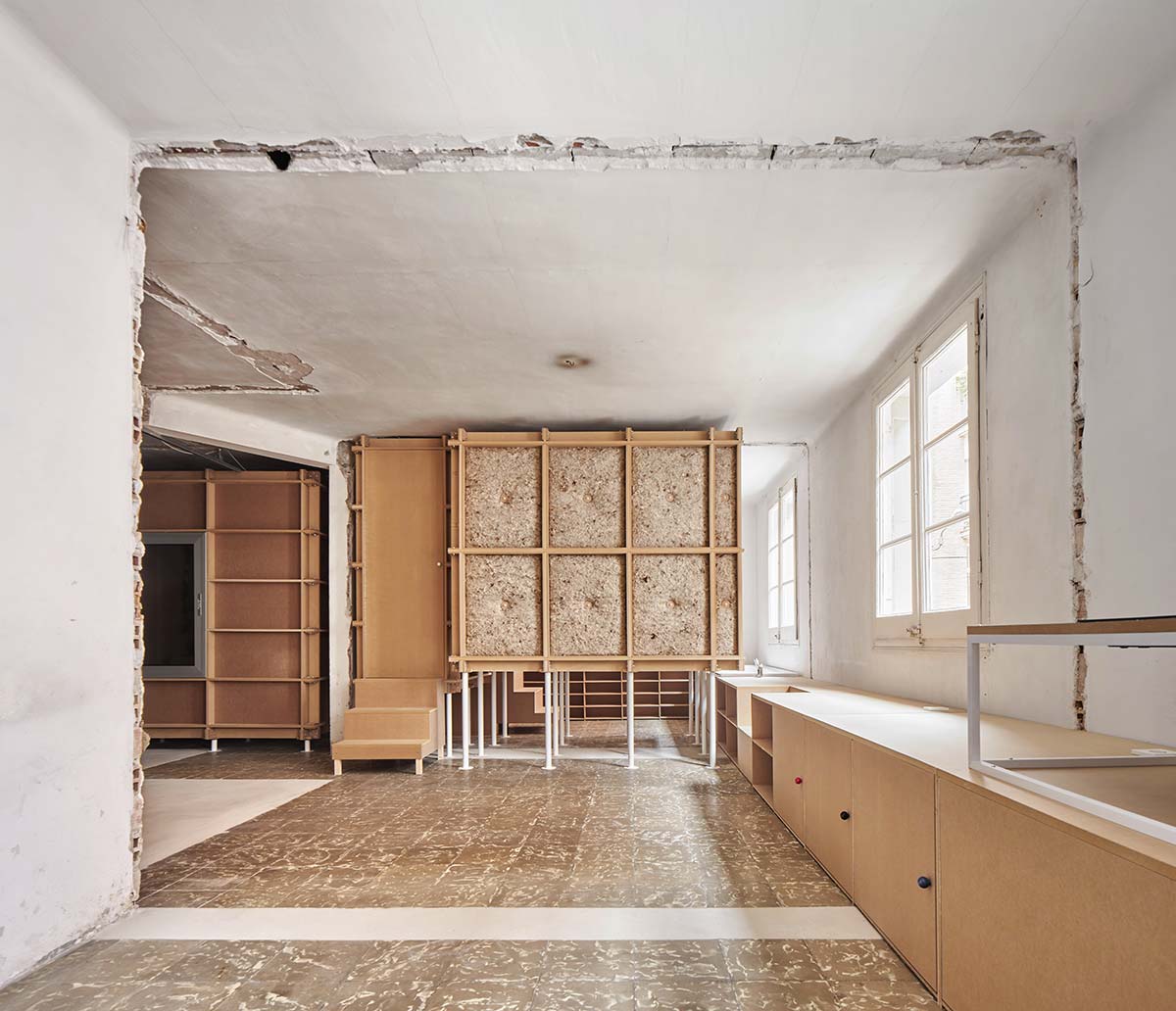
Resource(s), présager demain – Design climatique section: 10k House, design TAKK, is a 50 m2 apartment renovated with 10,000 euros: raised rooms allow free passage of plumbing and wiring
Resource(s), présager demain is also the title of the main exhibition, the backbone of the Biennale, divided into nine sections, each curated by a designer: Déjà-là, Terres promises, Le devenir industriel, Minimum / Maximum, En mode hybride, Créer avec l’IA, Le design des communs, Design climatique, Les autres vivants (It already exists, Promised lands, The future of industry, Minimum/maximum, Hybrid mode, Creating with AI, Shaping the commons, Shaping the climate, Other creatures).
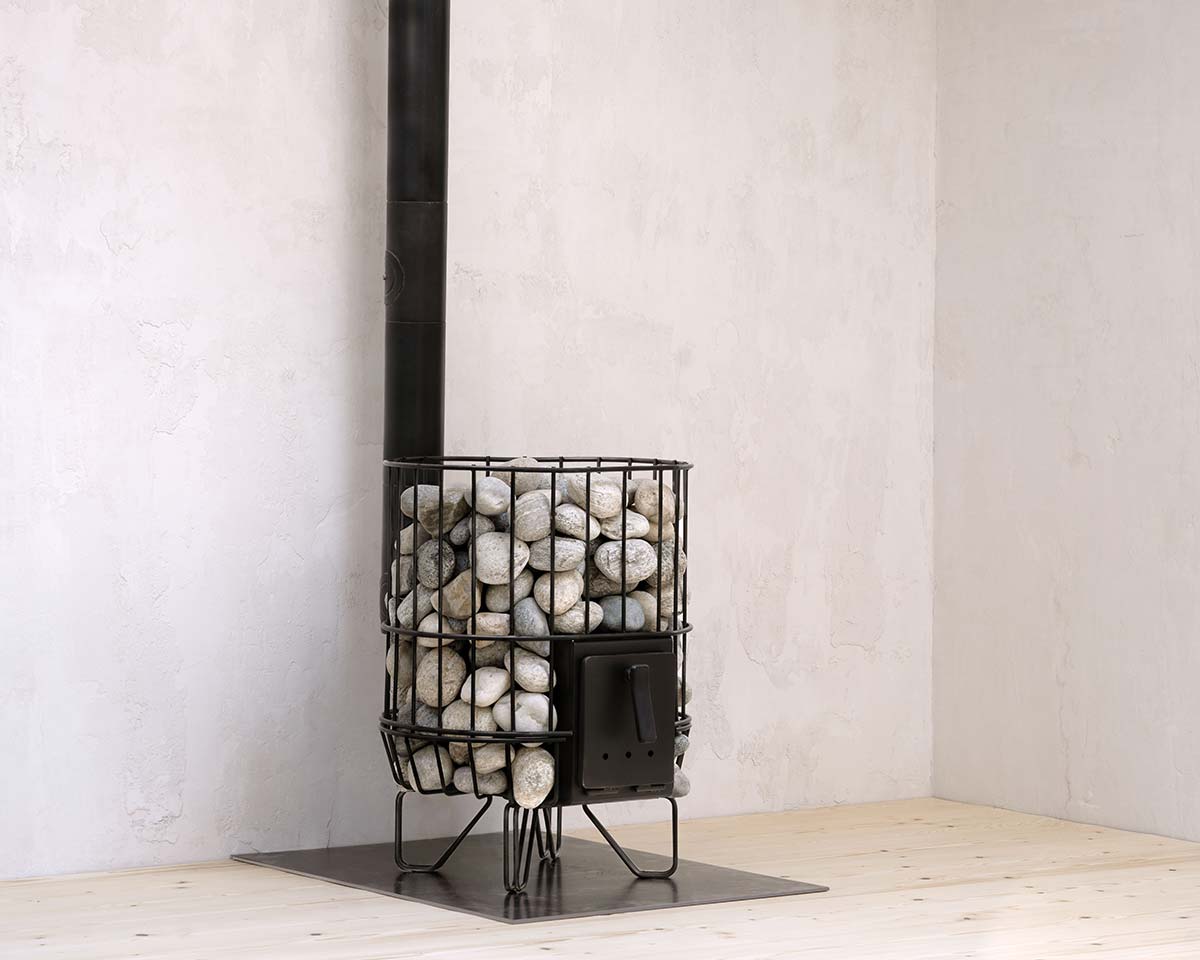
Resource(s), présager demain – En mode hybride section: Pierre, design Guillaume Gindrat, is a wood-burning stove where the thermal inertia is provided by the stones, which store and evenly redistribute heat
Behind this is the desire to identify and question the means of action that design requires today in the face of a reassessment of production and consumption methods in a world in ‘ecological debt’. A choral investigation that is also a huge collection/deposit of ideas and projects.
Home to the prestigious École supérieure d’art et design, Saint-Étienne is the only French city in UNESCO’s Creative Cities Network. The Biennale’s main venue will be La Cité du design, which is becoming the first design district in France with the opening of creative and museum spaces.
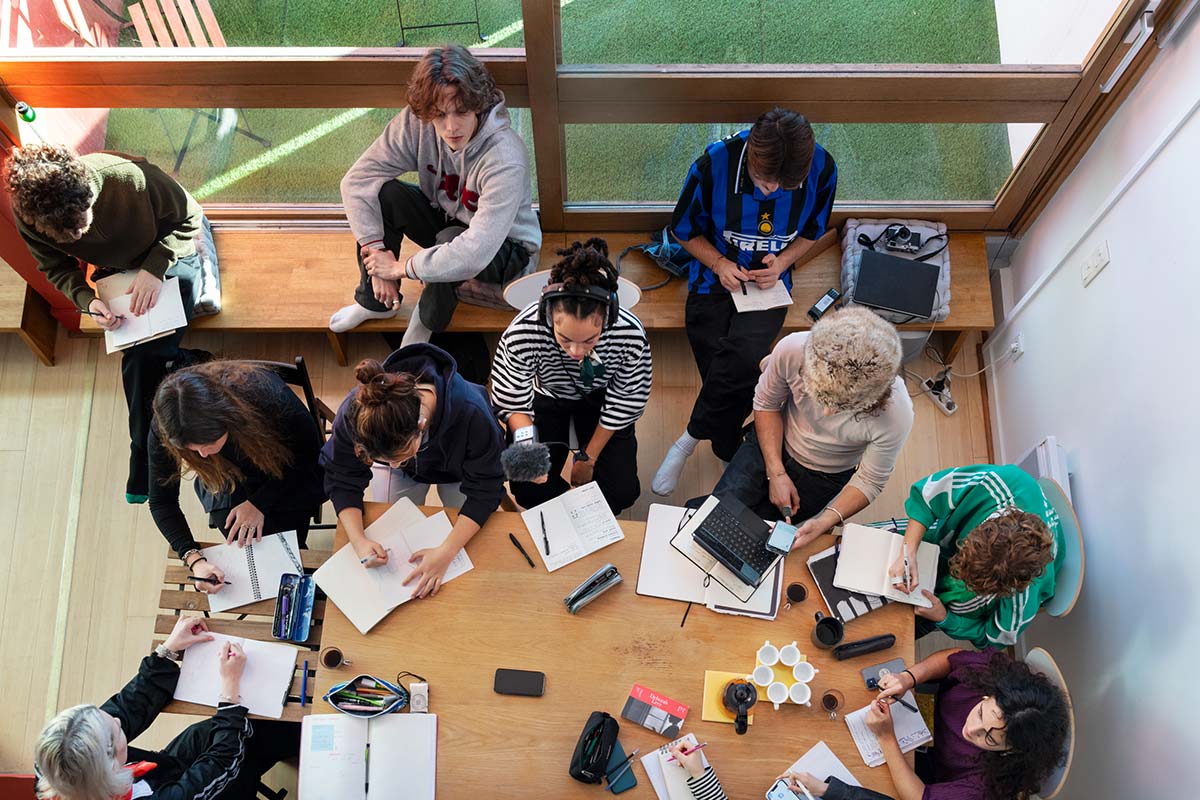
Le droit de rêver: students reflecting together during the ‘Machine à démoderniser’ workshop – Photo © S. Binoux
The school is the protagonist of another chapter of the Biennale, based on special student projects: 16 workshops led by guest artists and designers, conceived as spaces of freedom to dream about the world, in line with the idea of research and collaboration. The exhibition Le droit de rêver (The Right to Dream, a title that refers to the thought of the philosopher Gaston Bachelard) presents the fruits of these encounters. Far from the logic of production, these projects are a snapshot of the desires of a new generation of designers. And they are an open window to tomorrow.
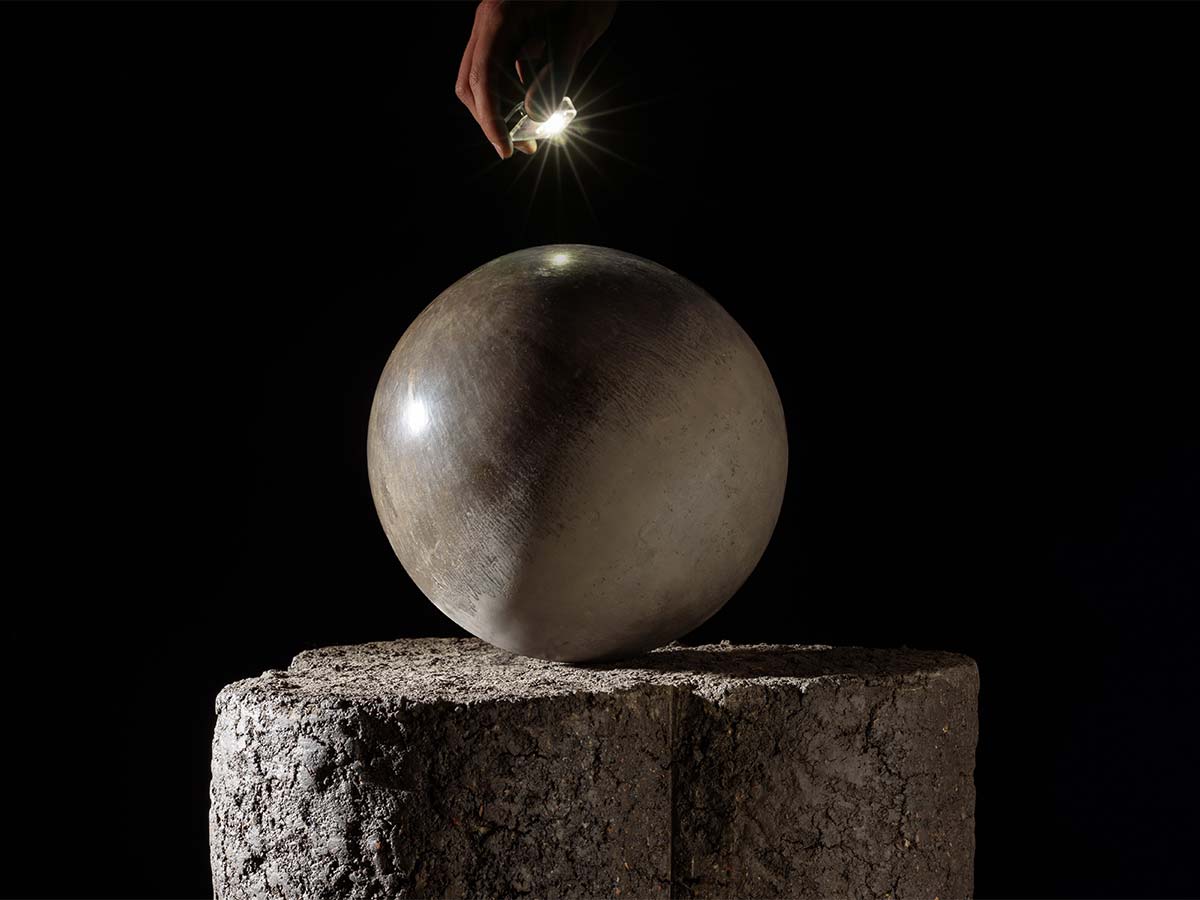
Resource(s), présager demain – Déjà-là section: Lune Ardente, design Valentin Devos, object-sculpture made of slag from coal mining, cast in molds and then polished – Photo © Véronique Huyghe