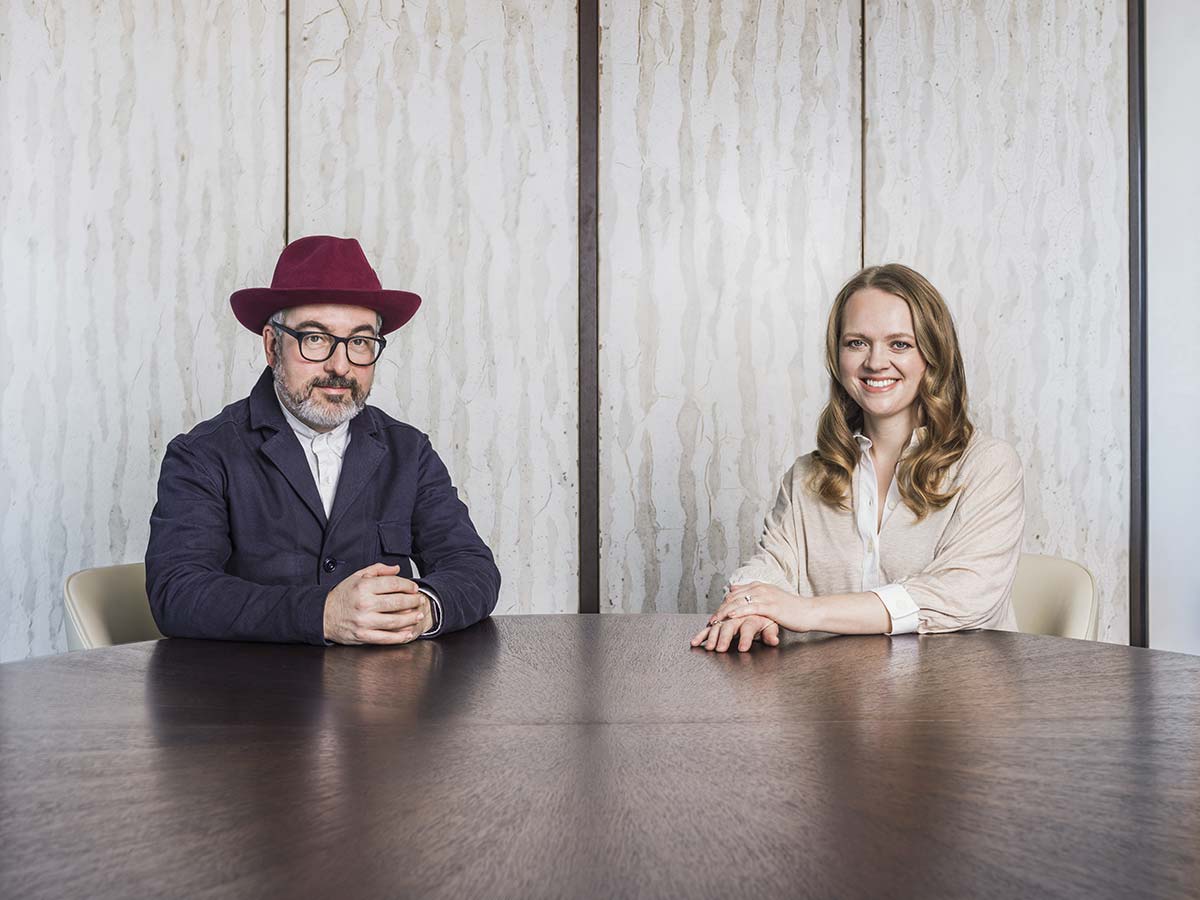
Martin Goddard and Jo Littlefair founded their namesake studio in London in 2012, following individual professional journeys that they later shared, which convinced them to collaborate. They started with the belief that it is essential in their design approach to “balance creativity with practicality, storytelling with function.” In just over ten years, Goddard Littlefair has established itself as an international firm with great expertise in the diverse world of hospitality and wellness spaces, as well as in the branded residences sector. Their projects, including Mondrian Shoreditch, Gleneagles Hotel in Scotland, Mandarin Oriental Vienna, Villa Copenhagen in Denmark, The Four Seasons at Sultanahmet Istanbul, and the Spa at the Raffles London at the OWO, respect the geographical and cultural context. The designers approach these projects as a journey, “not just in execution but in the way they evolve through collaboration, adaptability, and creative problem-solving.” “Experiencing different cultures, materials, and ways of life shapes our design philosophy.”
How would you tell the (short) story of your firm?
Martin Goddard: Goddard Littlefair was founded on the belief that design should connect, inspire, and endure. Jo and I first met while working at another studio and quickly realised we shared a similar approach to design—one that balances creativity with practicality, storytelling with function. In 2012, we took the leap and founded our own studio. We have studios in London and in Porto and we work globally, shaping some of the world’s most beloved hotels, branded residences, and hospitality spaces.
Jo Littlefair: What sets us apart is our deep commitment to storytelling through design. We go beyond aesthetics to immerse ourselves in the DNA of a brand, the cultural context of a location, and the way people experience a space. That’s why we don’t just create interiors—we create future cultural touchstones, spaces that become part of people’s stories.
Which project(s) do you consider seminal for the firm, and why?
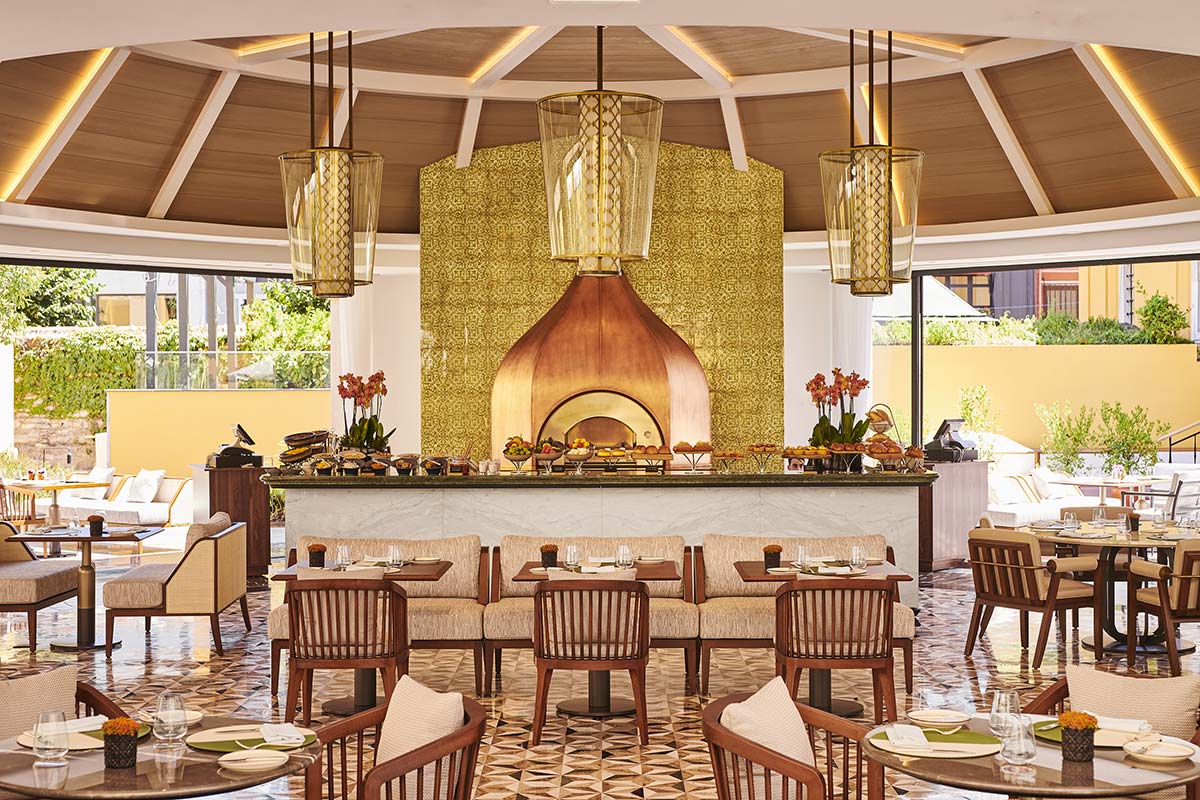
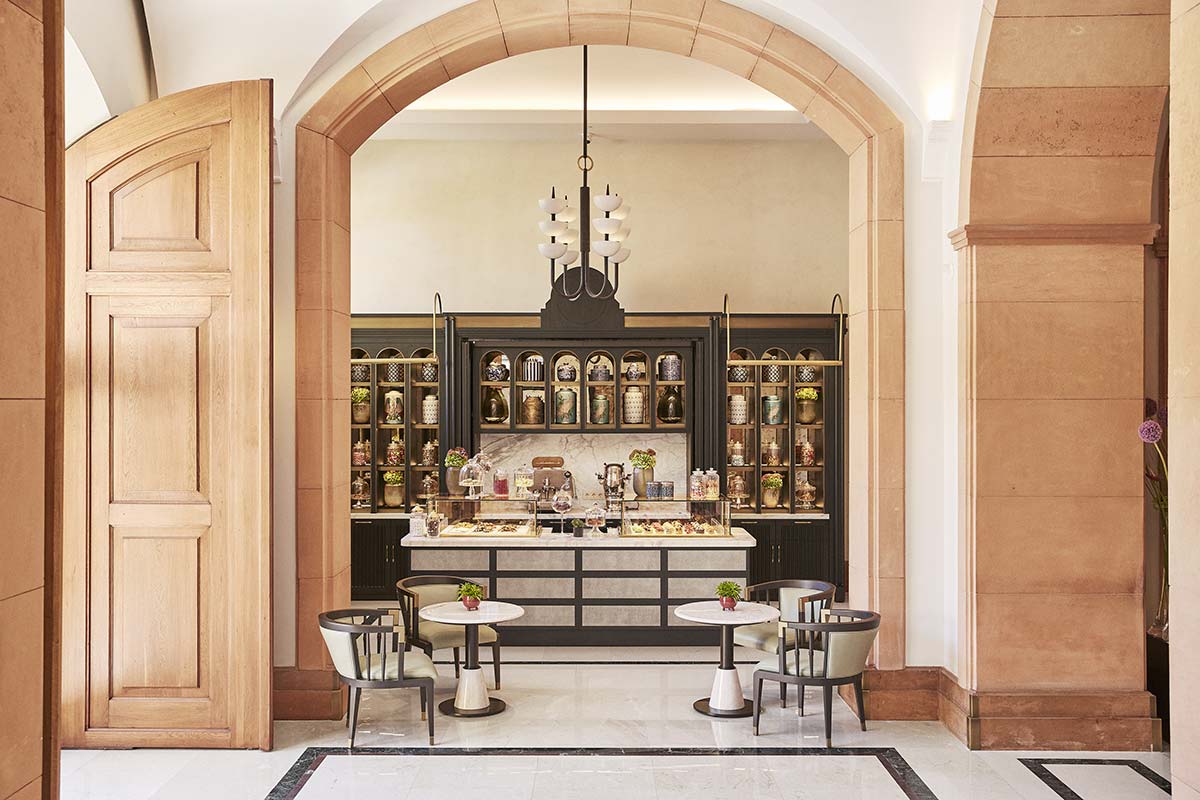
Jo Littlefair: One of the most defining projects for us is The Four Seasons Istanbul at Sultanahmet. It was a deeply immersive process—working within a historic setting, honouring the cultural heritage, and adapting to a world that had just entered lockdown. That project reinforced our belief that design is a journey—not just in execution but in the way it evolves through collaboration, adaptability, and creative problem-solving.
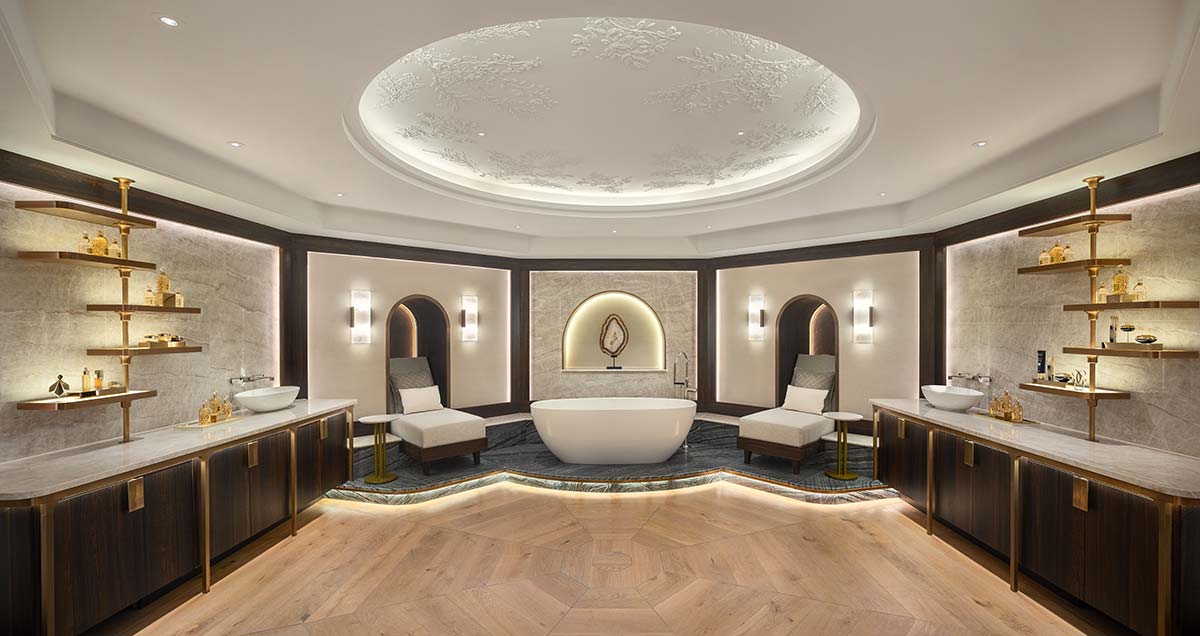
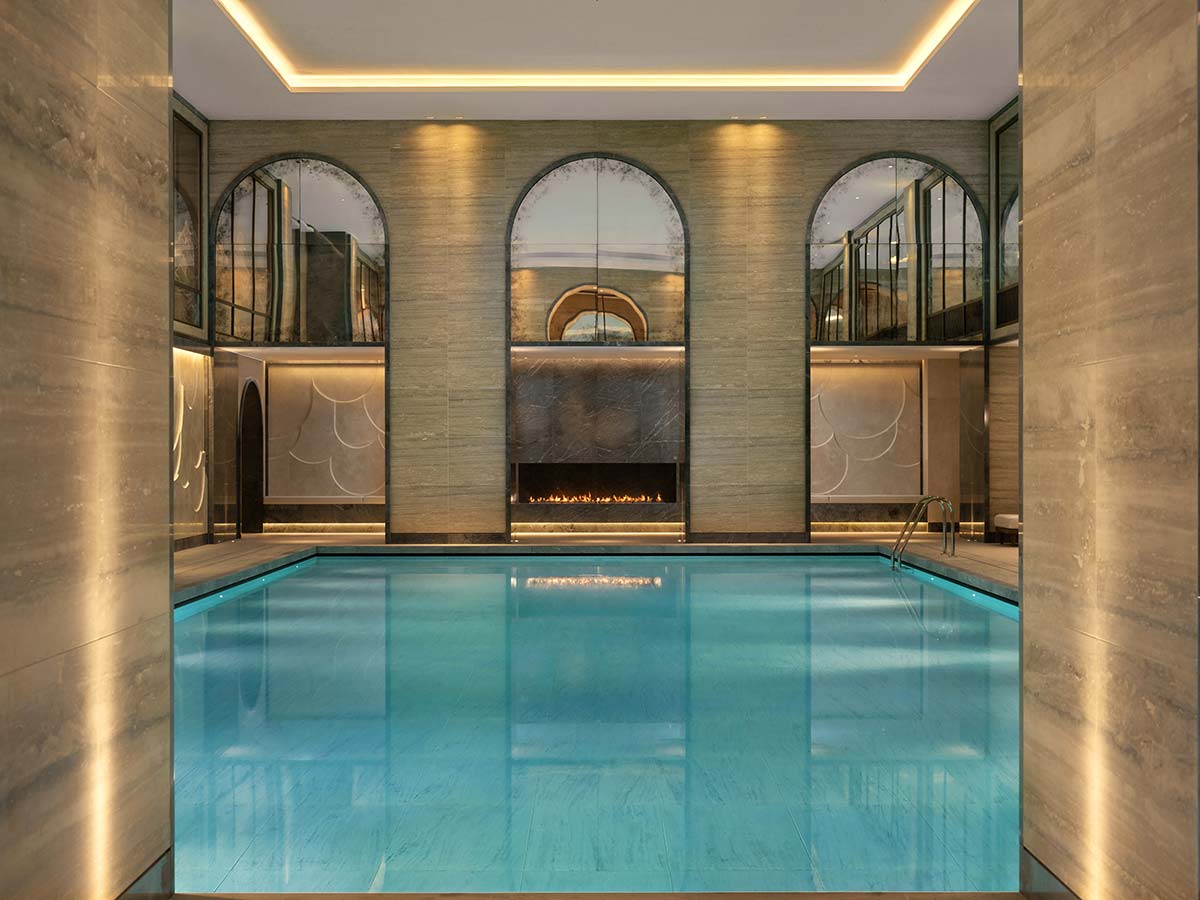
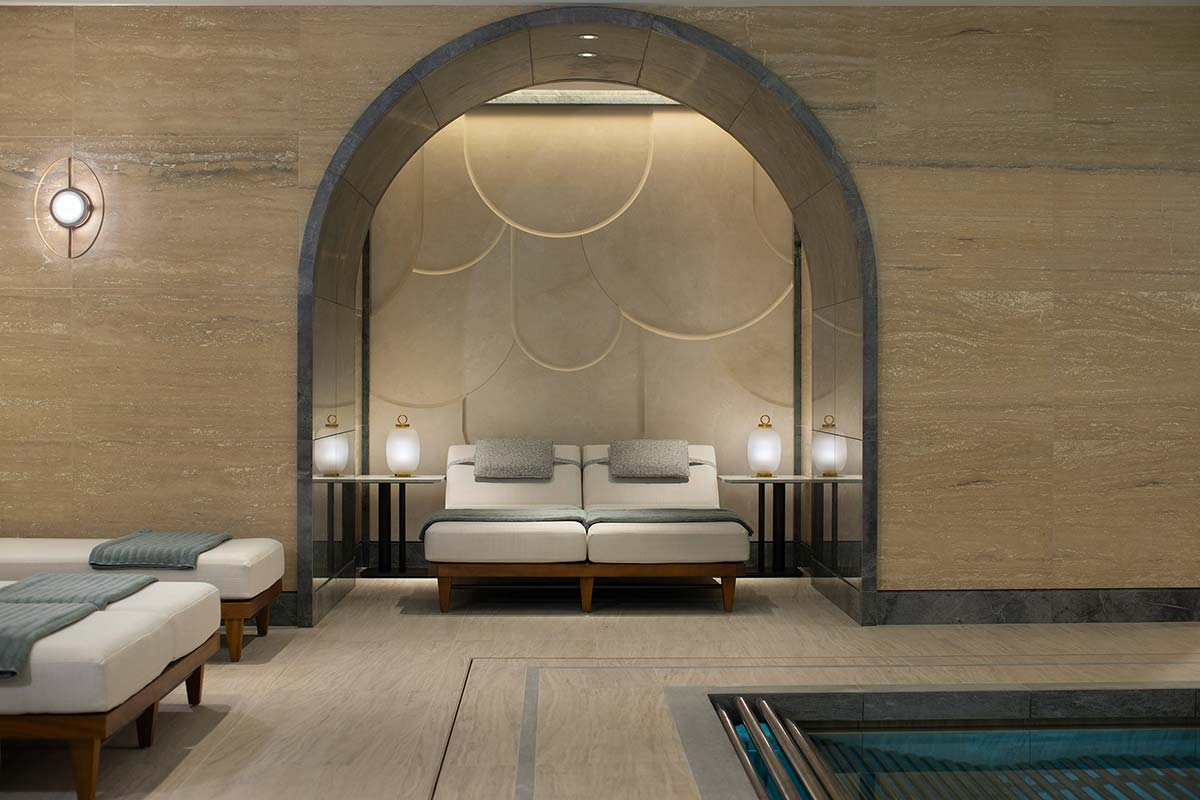
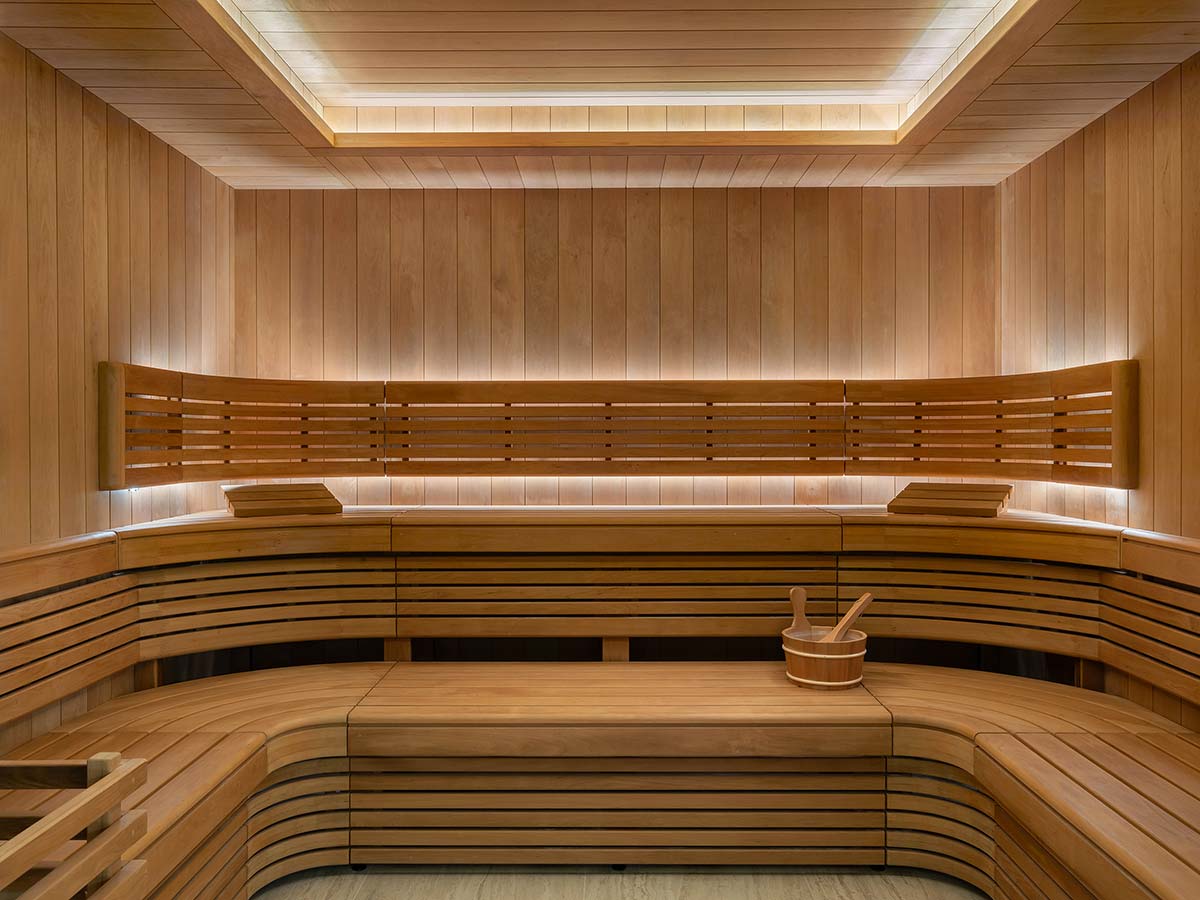
Martin Goddard: Raffles London at The OWO, particularly the Guerlain Spa, was a truly significant project for us. The challenge was to create a sanctuary of wellness within one of London’s most historic buildings. The Old War Office is rich in character, with a deep connection to Britain’s past, so it was essential that the spa felt like an authentic extension of that history while also being a world-class, contemporary retreat. We focused on contrast and balance—preserving the grandeur of the original architecture while introducing a calm, immersive atmosphere that embodies the essence of modern wellbeing. The lighting, materiality, and spatial flow were meticulously designed to create a journey for the senses, moving guests seamlessly from dynamic public areas into a deeply restorative environment. The result is a space that feels both timeless and transformative, setting a new benchmark for luxury wellness in the heart of London.
You’re both passionate travellers. How has this influenced your design ethics?
Martin Goddard: Travel isn’t just an escape—it’s an education. Experiencing different cultures, materials, and ways of life shapes our design philosophy. We’re not interested in creating spaces that feel generic or disconnected from their surroundings.
Jo Littlefair: Exactly. Whether it’s the texture of a handcrafted ceramic in Portugal or the rhythm of an old market street in Marrakech, these influences seep into our work in subtle but meaningful ways. That’s why our designs always have a sense of place—they aren’t just beautiful; they belong.
From planning to completion, a project is a journey in itself. What is your design approach?
Jo Littlefair: We always start by diving deep into the project’s context—whether that’s a brand’s identity, a building’s heritage, or the spirit of a location.
Martin Goddard: Then, it’s about translating that understanding into a cohesive vision—one that feels natural yet unexpected. We focus on the narrative of a space, ensuring it unfolds in a way that is both intuitive and immersive.
What is your attitude towards transforming heritage properties?
Martin Goddard: With heritage properties, it’s about honouring the past while designing for the future. The goal is to enhance the character of a space rather than erase it.
Jo Littlefair: It’s also about understanding how people will engage with that space today. A hotel with a storied past shouldn’t feel like a museum—it should feel alive, relevant, and deeply comfortable. Guests have their own expectations and requirements when they choose a hotel, it’s important for us to understand that world and those needs inside out.
How do you think hospitality design has evolved over the past decade?
Jo Littlefair: Luxury has changed dramatically. It’s no longer just about opulence; it’s about experience, authenticity, and craftsmanship.
Martin Goddard: Guests are more design-literate than ever before. They expect spaces to feel personal, intuitive, and emotionally engaging. It’s why we focus so much on creating layered, experiential environments that feel both timeless and unique.
What role do customisation and craftsmanship play in your work?
Jo Littlefair: They’re absolutely central. We believe in creating bespoke pieces that enhance a space’s individuality. That might mean working with a ceramicist to create one-of-a-kind tiles or collaborating with artisans to develop unique furniture details.
Martin Goddard: That attention to detail is what makes a space feel luxurious yet personal. It’s the difference between something that looks beautiful and something that feels extraordinary.
Do you design most of the furnishings in your projects?
Jo Littlefair: A large proportion, yes. Our team incorporates incredibly talented FF&E specialists and we work with expert craftspeople to ensure every piece is functional, comfortable, and perfectly suited to the space.
Could you tell us about any ongoing or upcoming projects?
Martin Goddard: We’re involved in some truly exciting projects around the world. One of the most fascinating has been our work on the hospitality developments in the Red Sea—an entirely new destination where we’ve had the rare opportunity to shape fresh narratives in untouched landscapes. Designing for such a pristine environment has been an incredible creative challenge, and the journey so far has been nothing short of inspiring.
Jo Littlefair: As always, we have a number of hospitality and residential projects underway, each with its own distinctive story. We love the challenge of bringing fresh ideas to life, and right now, we have hotels launching across Europe, including a new project in Vienna and an exciting collaboration with Four Seasons in Hinitsa Bay, Greece. Closer to home, we’re working on the complete renovation of the much-loved Chewton Glen, a landmark in British hospitality, which is an incredibly rewarding project.