Contemporary grafting is the keystone of the numerous objects and environments designed by Wilmotte. The charm of context in relation to history is the paradigm of his studio’s approach to any design challenge. All this is governed by a code of conduct that does not deviate from market logic but, precisely because lateral thinking is a daily routine, finds solutions that do not betray the original idea.
In the world of design and planning, exclusivity is sought after, but inclusivity seems to be your trademark. How do you put together an exclusive team with inclusivity?
As an architect, I have always worked in a contextual manner. Contemporary grafting is, in itself, a form of inclusivity: it involves inserting a volume, or a set of volumes, into an existing and often ancient fabric to bring it back to life, without resorting to pastiche, using a clear, legible language. This way of inhabiting the existing, of prolonging it without erasing it, is already a form of inclusion. So yes, we can talk about inclusivity, but in the sense of respect: respect for the context, for the environment, for the materials. And it is precisely in this tension between the graft and what receives it that a form of strength is born. Something similar happens in design. The question is how to integrate different materials to achieve a unique and exclusive result. This is where the play on words makes sense and describes our approach quite well, both in architecture and design. The two practices are in constant dialogue.
Your bio mentions curiosity even towards unlikely subjects: do you have any examples?
For the Cos d’Estournel estate, for example, we designed a winery in 2008. But before that, we analysed in depth how a winemaking site works, studying the essential role of gravity in the wine-making process. Every project begins with a process of knowledge: it is learning that guides design choices. We never design in a vacuum, nor in the abstract.
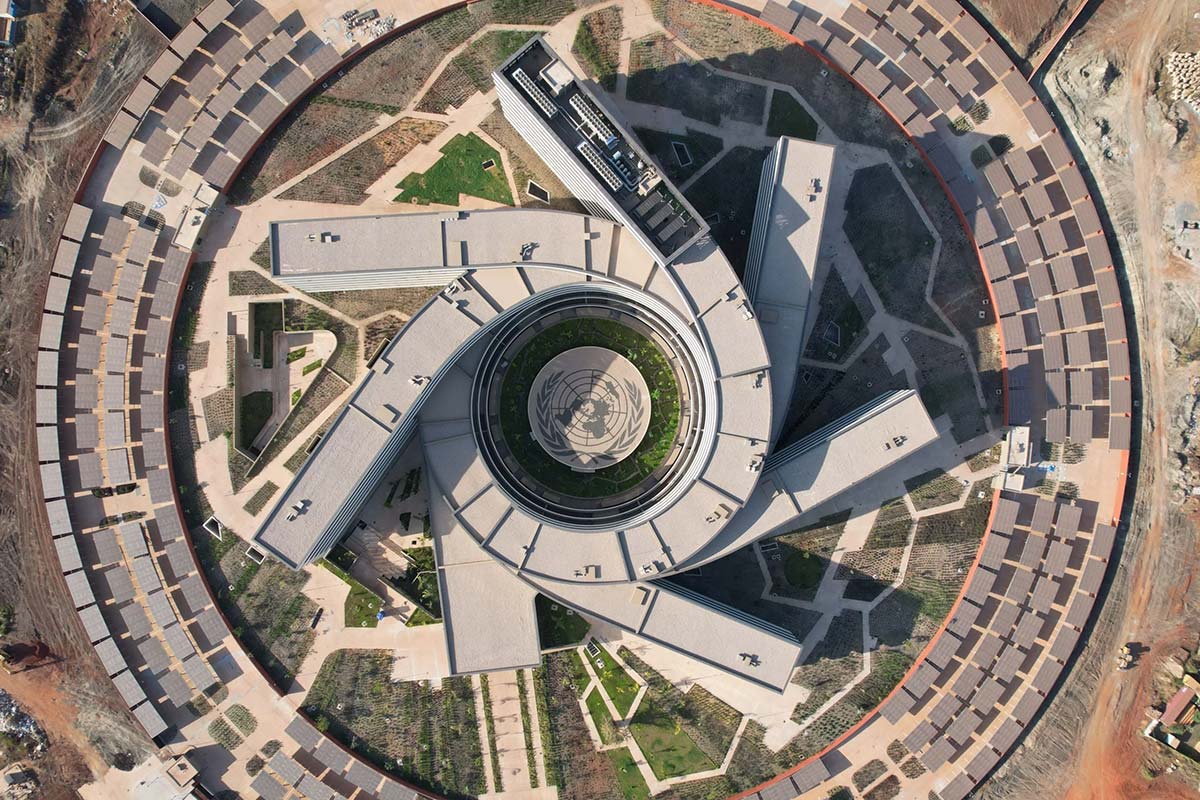
Another example is the Austerlitz station, which is currently undergoing redevelopment. Historically, it was a place designed to accommodate airships, and today, at the heart of the project, we have reconstructed a sort of airship, an evocation of that memory, which becomes an emblem. The same applies to data centres, to the nuclear power plants we have worked on, or to Station F: a huge building where we have brought together over a thousand start-ups — at the time, it was a completely new experience for us.
Why does an investor choose Wilmotte? Have you often had to say no to important projects, and why?
An investor chooses Wilmotte because we know how to listen. The client expresses their expectations and their programme, and we translate that into space through a kind of creative “ping-pong”. Our obsession is quality. This is what guarantees durability — in every sense of the word. And then there are more pragmatic but equally decisive factors: we know how to meet deadlines and keep costs down. We also know how to obtain building permits — which, working in thirty different countries, is never a formality. I have turned down some very important projects. Simply because they did not correspond to our ethics, our way of working, or our vision of the profession. These are choices I care deeply about.
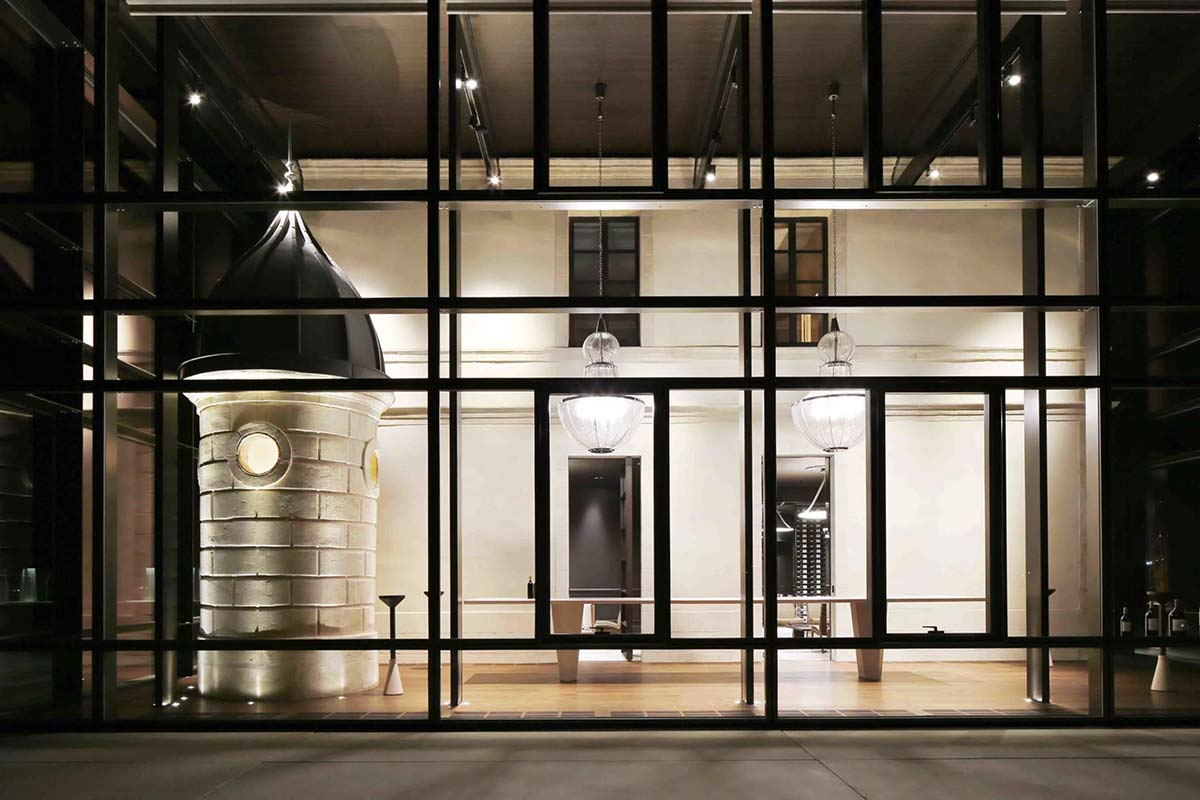
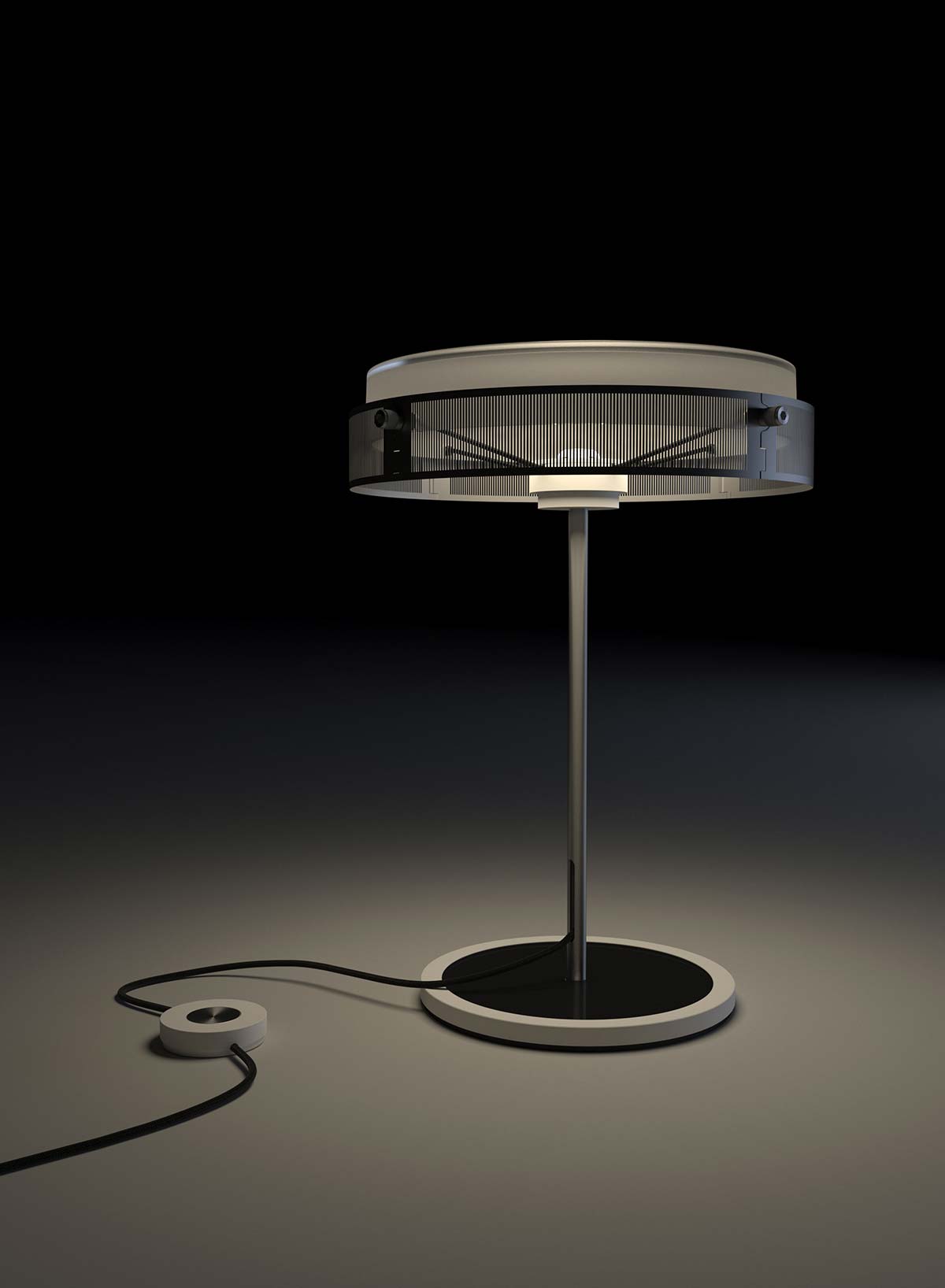
The objects you presented at your Milan headquarters during Milan Design Week speak the language of materials that come together and carry with them a rich, spontaneous narrative: is that a correct interpretation?
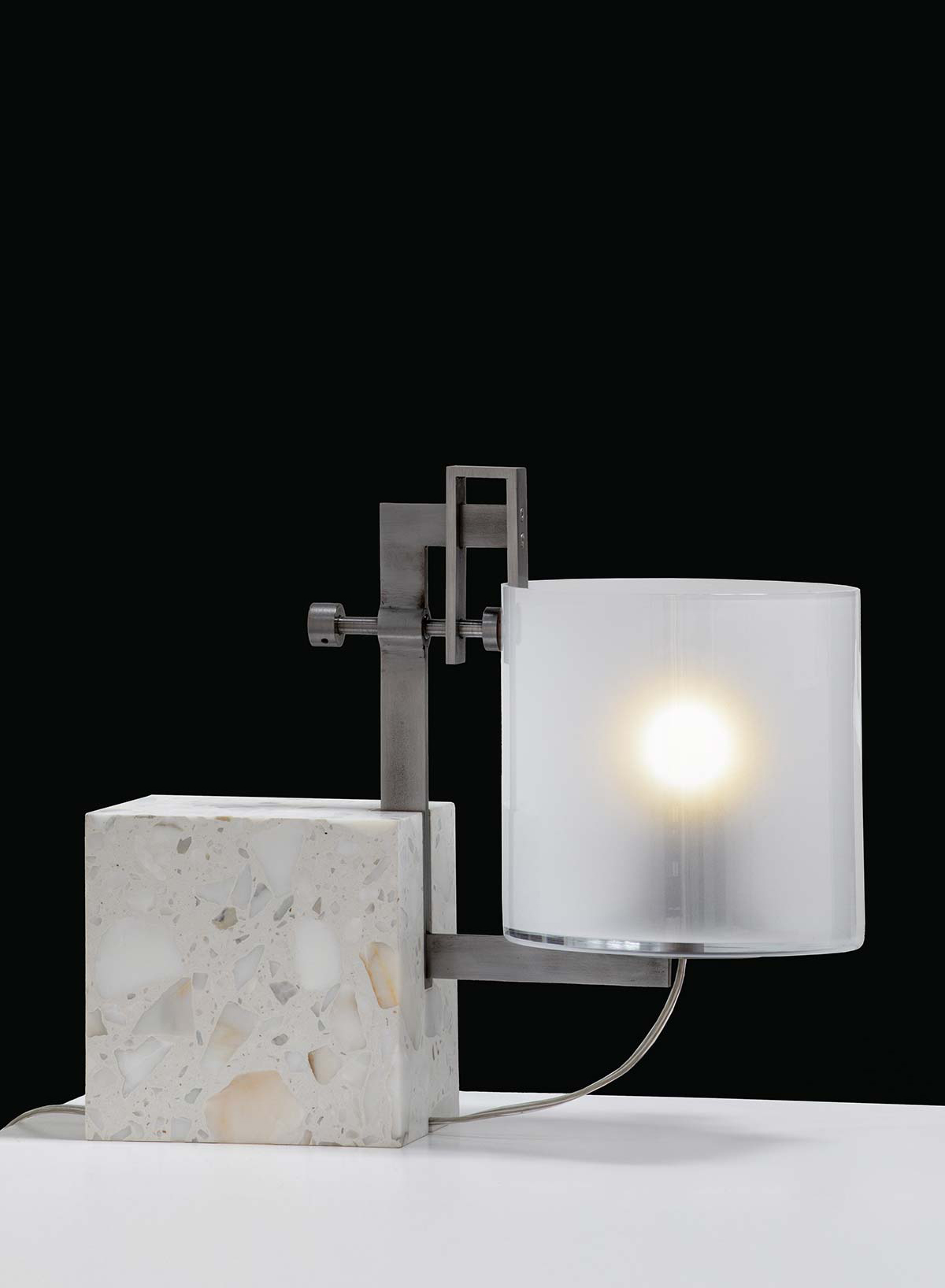
Yes, that is absolutely correct. These objects are designed to tell a story, not just to furnish a space. I wanted them to be immediate, essential in form but extremely detailed in their construction. Very little time passed between the design and the realisation, precisely to preserve this spontaneity, this initial tension. The materials are certainly important, but even more significant is their origin, the way they have been used. Each piece is born in this way: from a process of transformation, from a collaboration between different areas of expertise, from a concrete focus on sustainability. Reusing, reinterpreting, giving new form and new function to existing materials: it is a design gesture that responds to a cultural as well as an environmental need.
What happens in the ‘leap’ from an object designed for contract use to a mass-produced product?
It is a delicate but fascinating transition. We work with numerous companies, and often everything starts with an object designed for a specific need. Then that object catches the eye, arouses curiosity, and becomes a catalogue product. This transition requires adaptability: the company seeks a balance between cost, reliability and reproducibility. It is therefore necessary to make adjustments without compromising the original concept. It is a different form of dialogue, very similar to the one we have with our clients: there are specifications, an original desire and the intelligence of transformation.