Rediscovering the spirit of a historic manufactory and bringing its identity to life in the present: this is the challenge embraced by Antonio Tognana with Geminiano Cozzi 1765, a Venetian brand that combines 18th-century craftsmanship with a contemporary vision of tableware and design. More than a tribute to the past, it’s a project that reimagines the art de la table with a focus on sustainability and the culture of conviviality.
Today, the table is a place of beauty and awareness, and the brand stands out for the elegance of its porcelain and its commitment to responsible production. Each collection emerges from a dialogue between memory and innovation, where tradition is renewed without losing authenticity. A Venetian story that continues, shaped by care, precision, and passion.
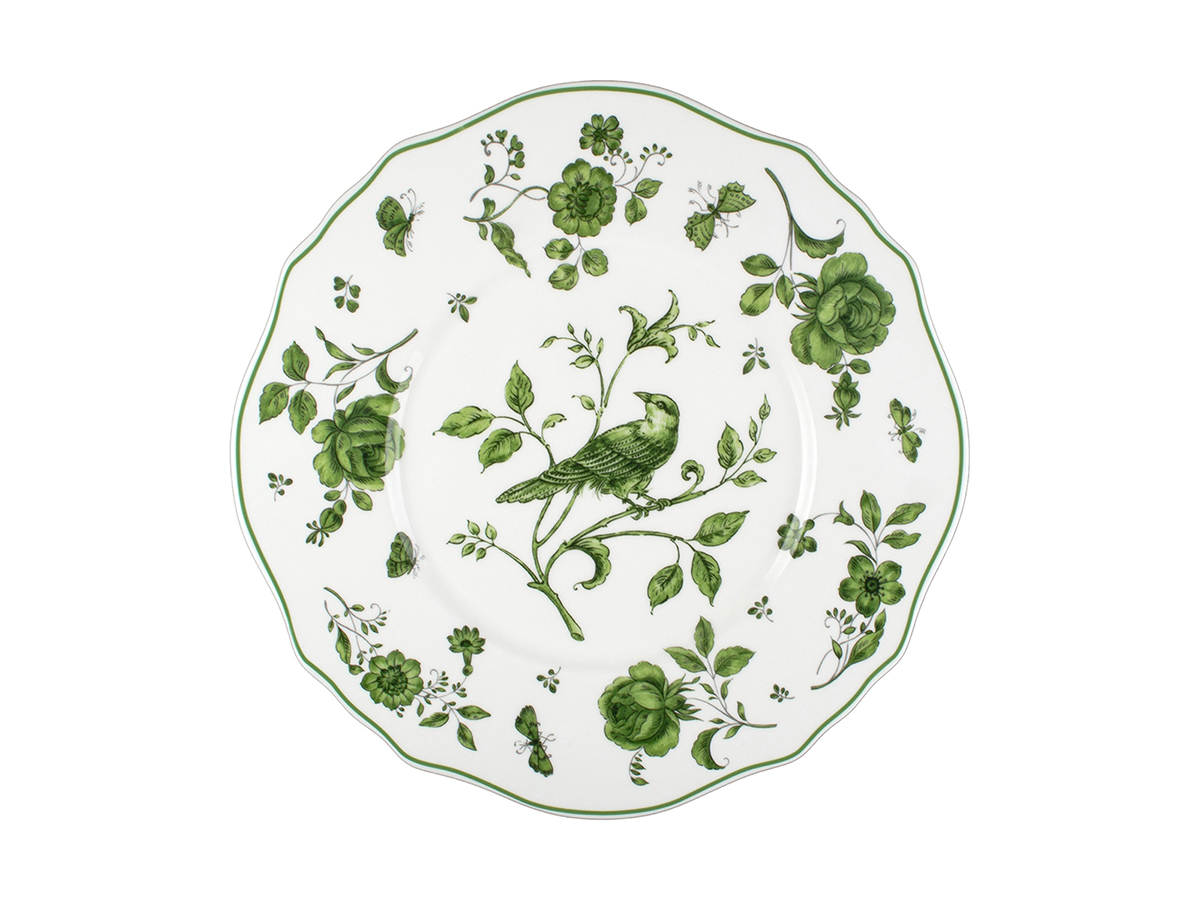
Rosa Rosae by Geminiano Cozzi 1765
Mr. Tognana, reviving an 18th-century brand like Geminiano Cozzi 1765 is no ordinary undertaking. What motivated you to take on such a bold challenge, and what entrepreneurial vision guided the brand’s renaissance under your leadership?
The decision to bring Geminiano Cozzi 1765 back to life was inspired by a vision I shared with my wife, Tamara Mascarello. During a visit to the Ca’ Rezzonico Museum in Venice, we were both struck by the beauty of the original pieces from the 18th-century Cozzi manufactory. Those extraordinary objects made us reflect on the enduring value and potential of the brand.
I had acquired the historic trademark several years earlier, but it was Tamara – through her insight and determination – who encouraged me to rediscover its soul after concluding my journey with Tognana Porcellane. From that moment on, we decided to build a new future around this artistic legacy, creating what is now PVE – Porcellane di Venezia. It’s a tribute to Venetian tradition, yet with a clear eye toward innovation and the contemporary world.
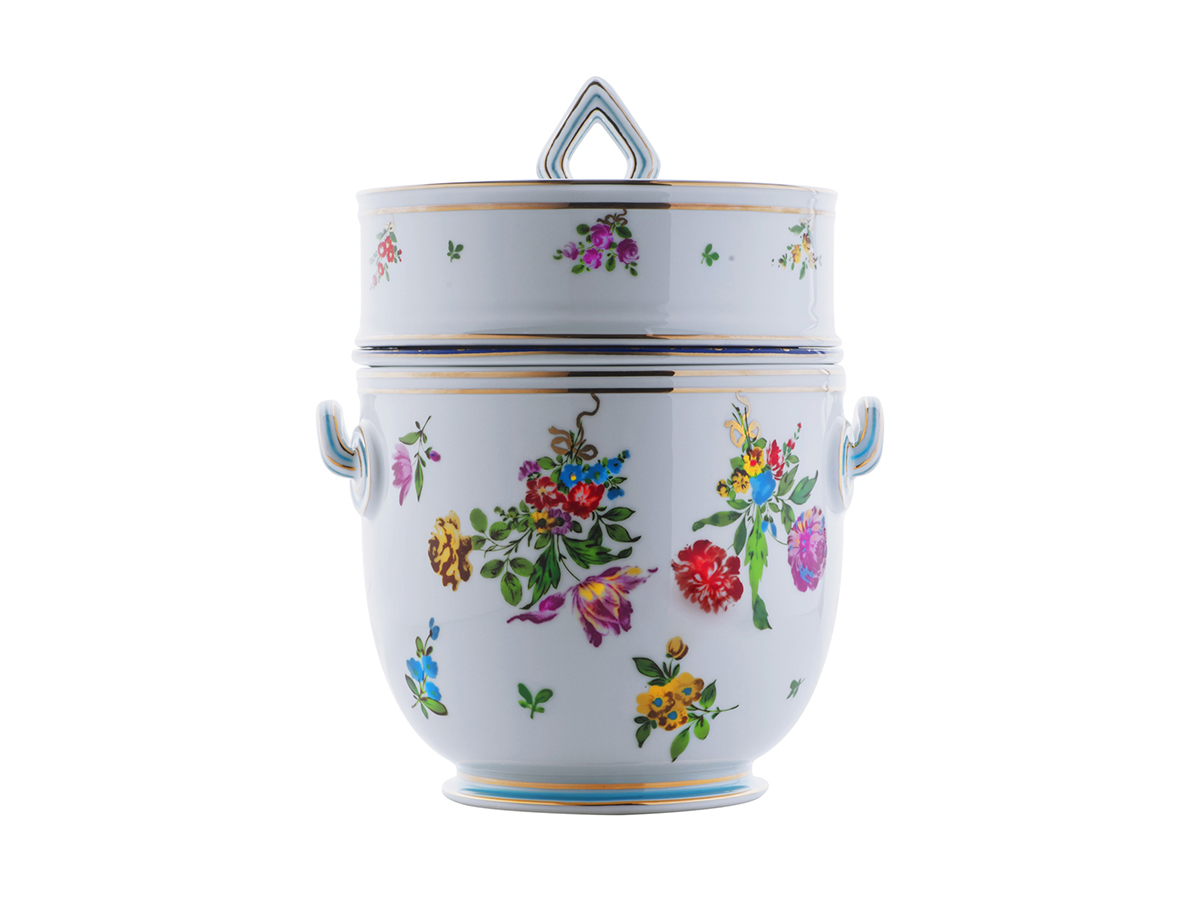
Vaso da Giacio by Geminiano Cozzi 1765
The connection to Venice has always been central to the identity of Geminiano Cozzi 1765. How does this relationship with the city, its culture, and its beauty manifest in your production today and in the brand’s vision?
Venice is at the heart of this project. When we set out to revive the brand, we conducted in-depth research into its historical iconography and entrusted the creative direction to a local agency, Studio Tapiro, led by architect Gianluigi Pescolderung, a professor at the University of Architecture in Venice. We wanted the visual identity to be rooted in the city, shaped by someone who truly understands its aesthetic and cultural language. Together, we reinterpreted the logo, packaging, and overall brand image, staying faithful to its heritage while projecting a modern sensibility.
Our “I Classici” collection faithfully reproduces 18th-century patterns, adapted to contemporary fine bone china forms. Each decoration retains its original Venetian name. Alongside tradition, we’ve also developed contemporary lines like “Atelier”, designed for the high-end hospitality sector, offering more modern and bespoke designs. Even the names – Burano, Folada – reflect a deep and tangible link to Venice: they evoke its history and aesthetics while remaining easy to pronounce for an international audience. This isn’t just inspiration, it’s a true, living identity.
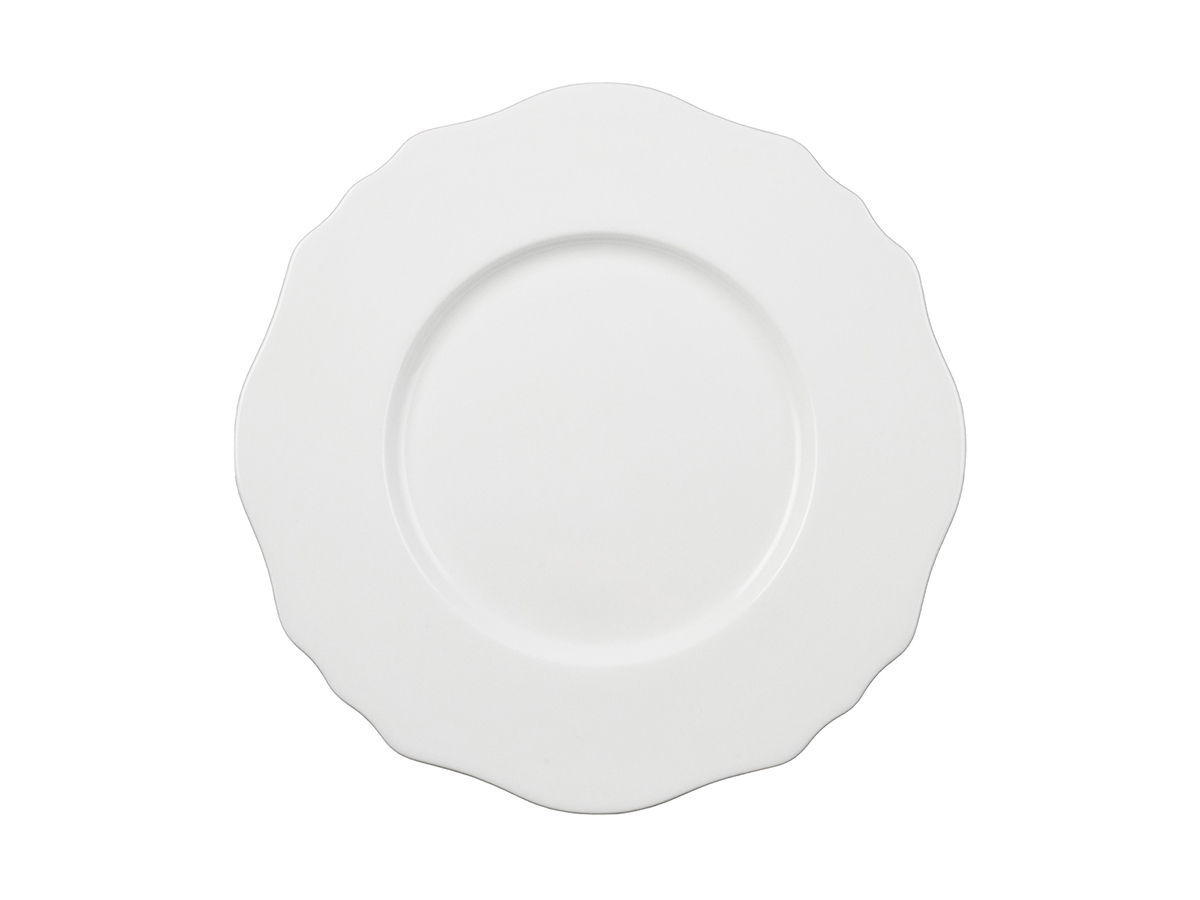
Burano by Geminiano Cozzi 1765
Geminiano Cozzi has long been synonymous with excellence: the purity of its kaolin, the refinement of its decorations, and the mastery of its painters. How do you maintain such an exceptional artisanal and artistic standard in the 21st century?
We’ve chosen the highest level of quality available in porcelain today: 95% of our pieces are crafted in fine bone china, a phosphatic porcelain composed of 50% calcined bovine bone ash. This material offers a superior brilliance, lightness, and translucency compared to traditional porcelain; with a finish that’s almost lacquer-like. It’s a conscious choice, as many of our competitors opt for more conventional materials, but we are committed to excellence.
All our decorations are created entirely in Italy, within our two dedicated ateliers, with an almost obsessive attention to detail. Because we operate as a niche brand, producing in small batches, we can guarantee consistent, meticulous quality in every piece.
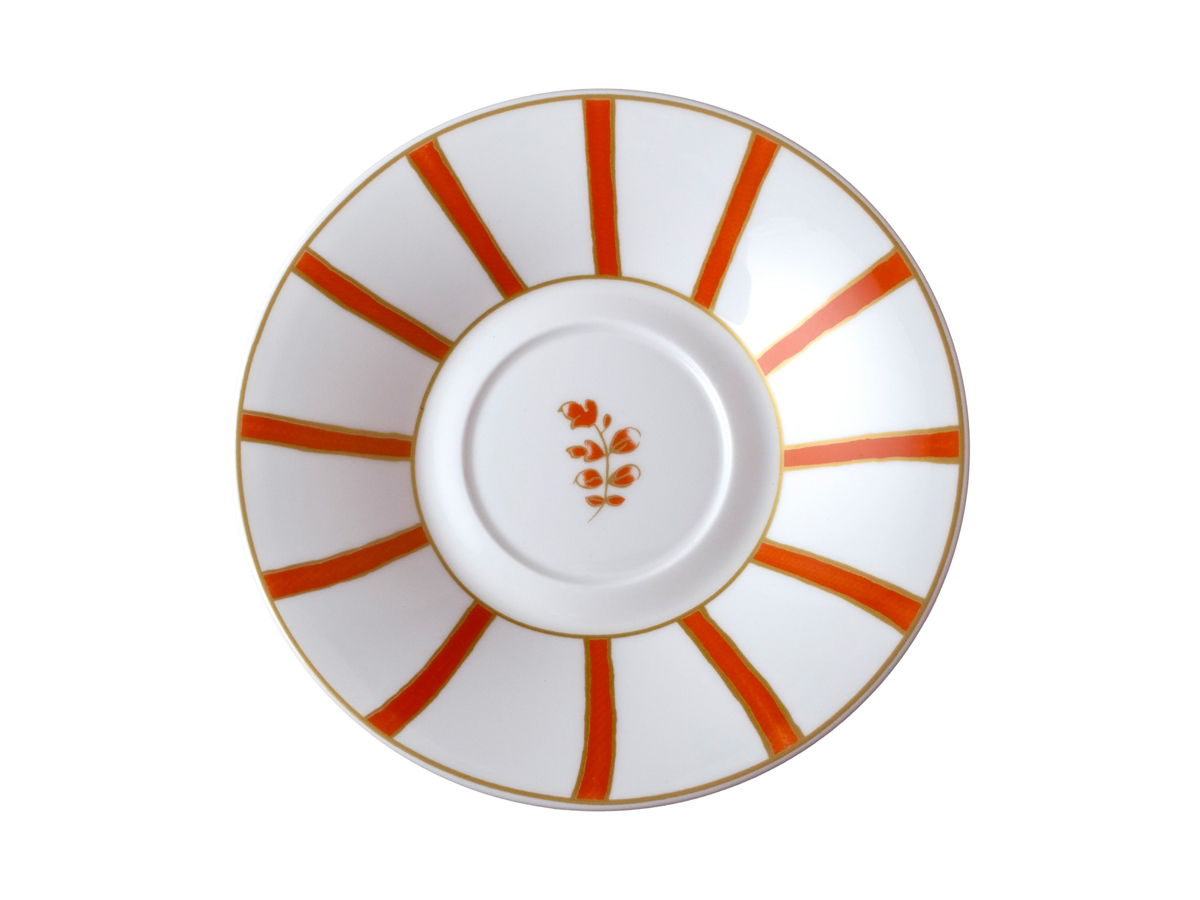
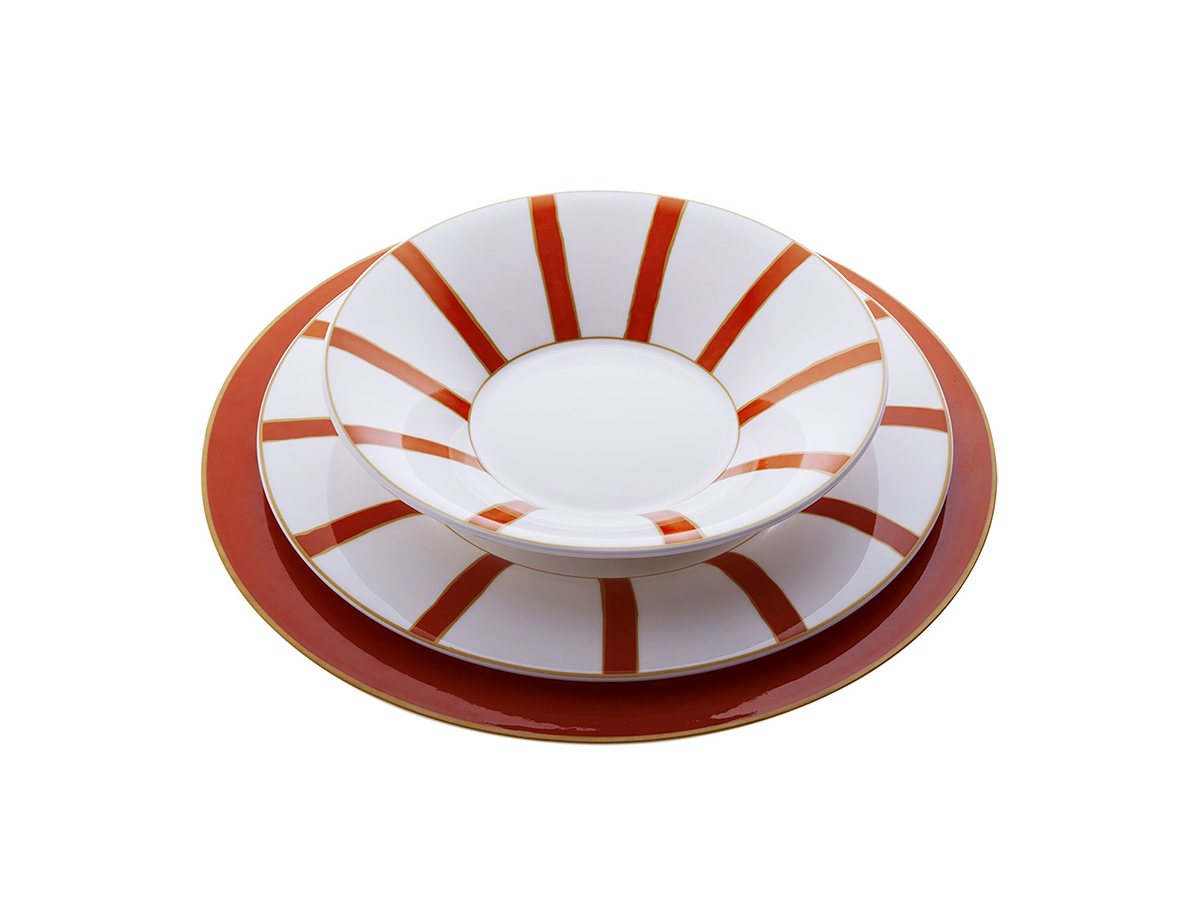
Striche by Geminiano Cozzi 1765
At a time when table rituals are being lost and dining becomes increasingly informal, what role does “l’art de la table” play in contemporary culture? And how does Geminiano Cozzi contribute to preserving its aesthetic and symbolic dimension?
Today, table culture is often overlooked, but we see ourselves as guardians of a tradition that, in 18th-century Venice, celebrated the art of dining as a shared, visual experience. We firmly believe that we eat with our eyes as much as with our mouths, and that a beautiful plate enhances the pleasure of a meal.
Through our collections, we aim to restore the symbolic and social importance of the table, especially in a time when meals are often rushed or consumed in solitude, in front of a screen. It’s a cultural challenge – but also an opportunity. In the world of high-end hospitality and fine dining, this message has already been embraced: the mise en place is an essential part of the guest experience, and we are proud to contribute to that.
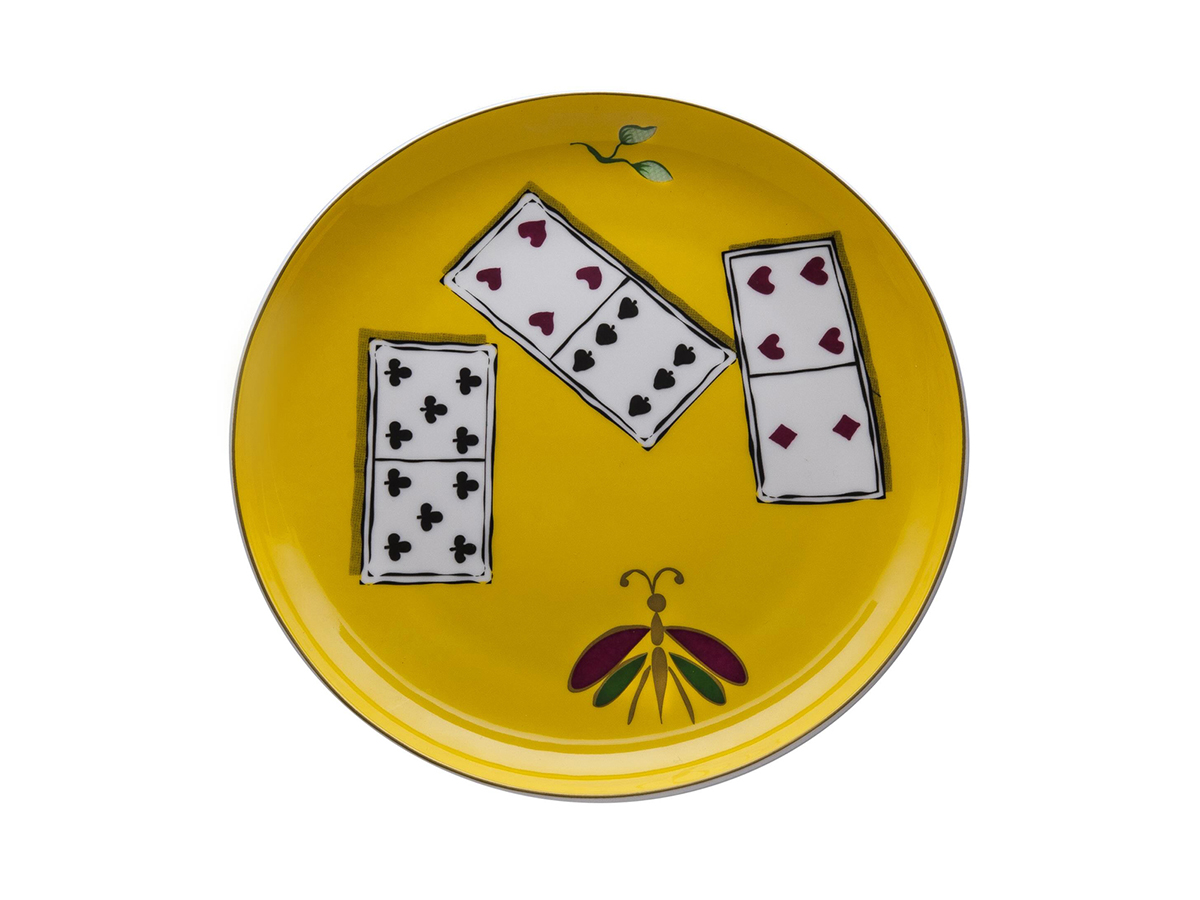
Carte da Zogo by Geminiano Cozzi 1765
Sustainability has become a crucial theme even in the world of fine porcelain. How are you addressing this challenge today while remaining true to the historic identity of Geminiano Cozzi?
In this respect, we believe we’re truly ahead of the curve. Our fine bone china is made up of 50% tricalcium phosphate derived from calcined bovine bones, a by-product of the food industry that is effectively recycled. It’s a naturally sustainable material, unlike traditional porcelain.
Moreover, bone china is about 30% lighter than standard porcelain, which makes it more efficient to transport and easier to handle, especially valuable in hospitality. Its elasticity also makes it more resistant to chips and breakage, extending its lifespan and reducing the need for replacement. For us, sustainability means durability, and a product that lasts is ultimately the most responsible choice.