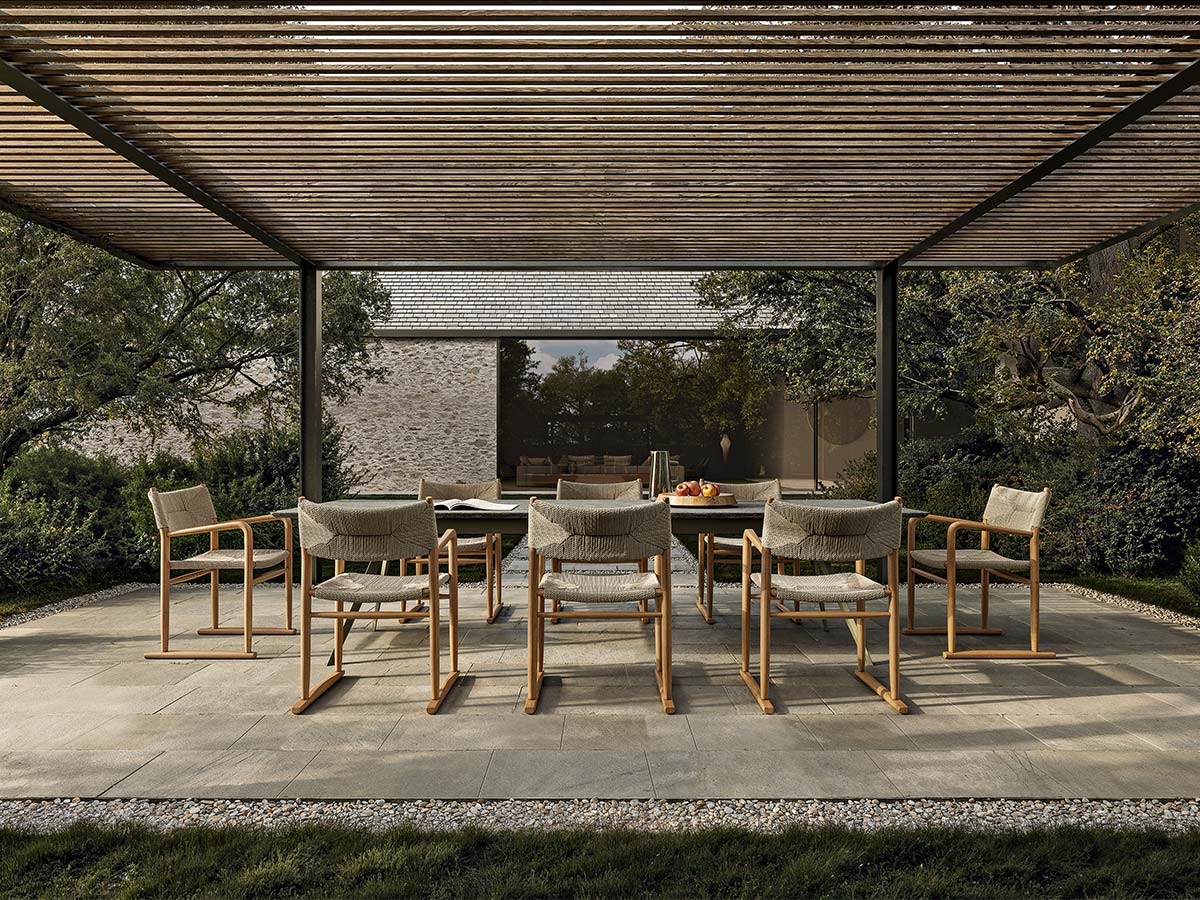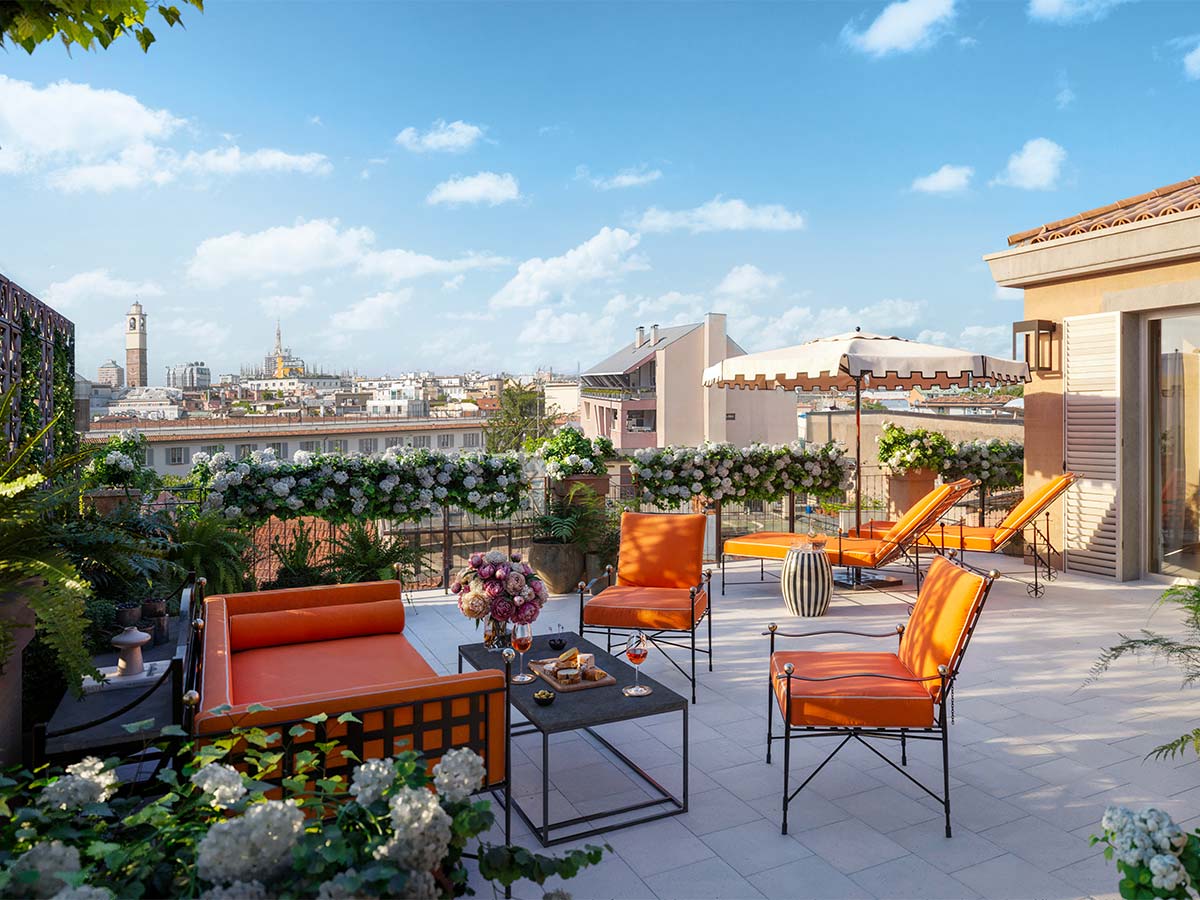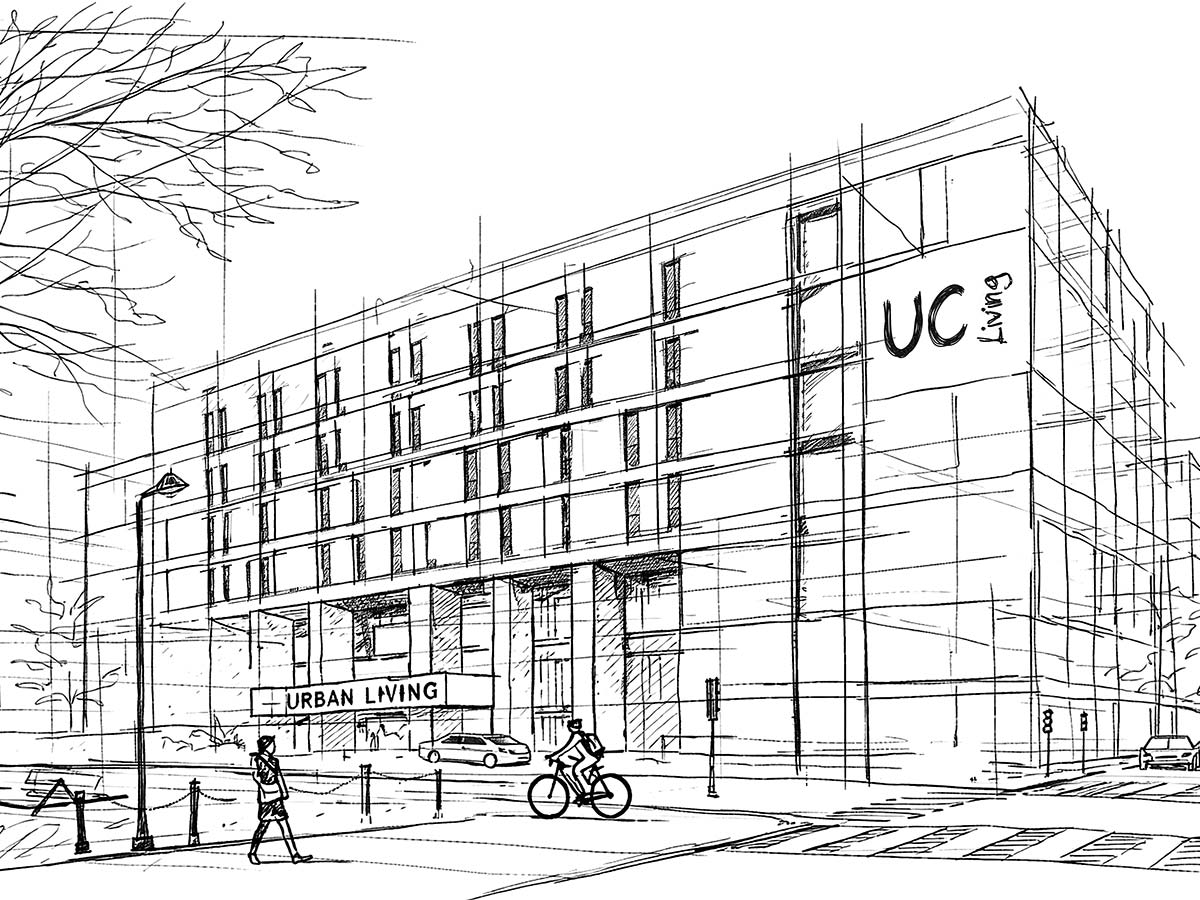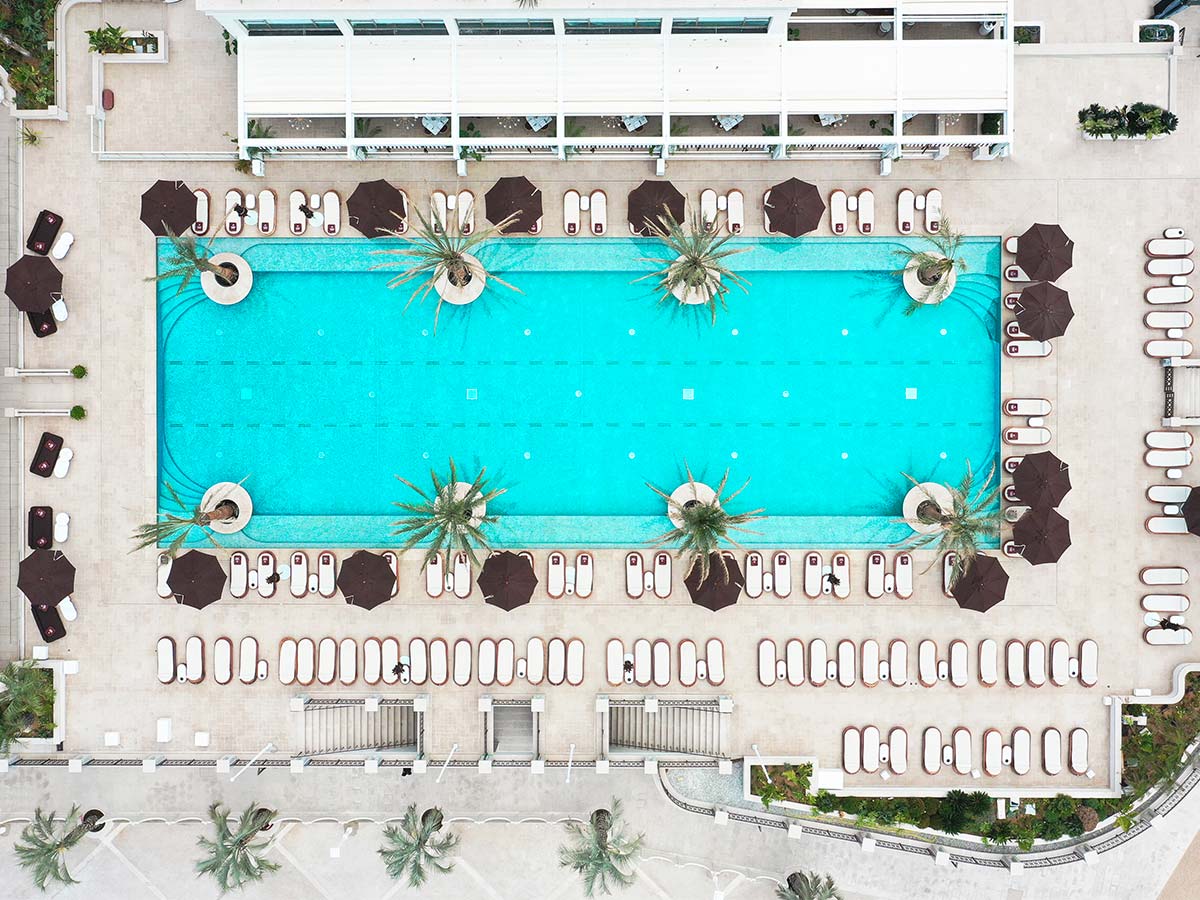
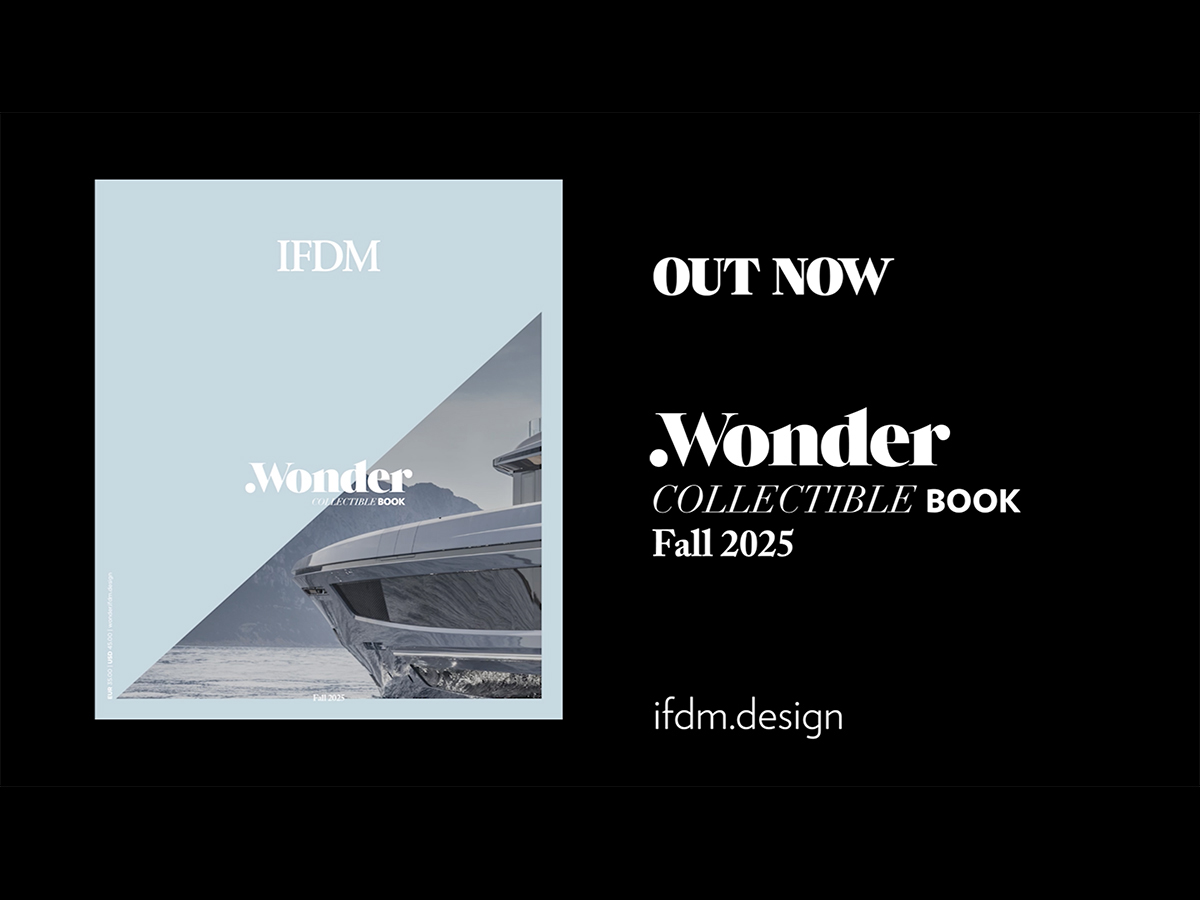
.Wonder Book by IFDM is a publication – available in print and digital formats – that is published four times a year, showcasing interior design and architecture projects from around the world. In this new issue, we feature spaces and buildings from around the world across 192 pages that explore the evolution of creative thought and taste through images, texts, and interviews.
Five years of nautical architecture
by Paolo Bleve – Publisher & Editorial Director
On the cusp of its 20th anniversary (set to arrive in April 2026), IFDM celebrates a significant milestone: 10 years of Wonder Book. This journey encompasses 33 international editions, over 750 featured projects, nearly 400 “Wonder Pages,” five spin-off editions tailored for the Chinese market, and, since 2020, a special edition comprehensively covering the nautical world – all presented in its signature Book Style. The .Wonder Book has pioneered an innovative and effective approach to publishing, seamlessly blending content with business objectives. Its consistent focus on what is both “beautiful and useful,” combined with precise and meticulous descriptions of selected projects, has created a compelling mix that immediately satisfied the global design community’s hunger for insightful content.
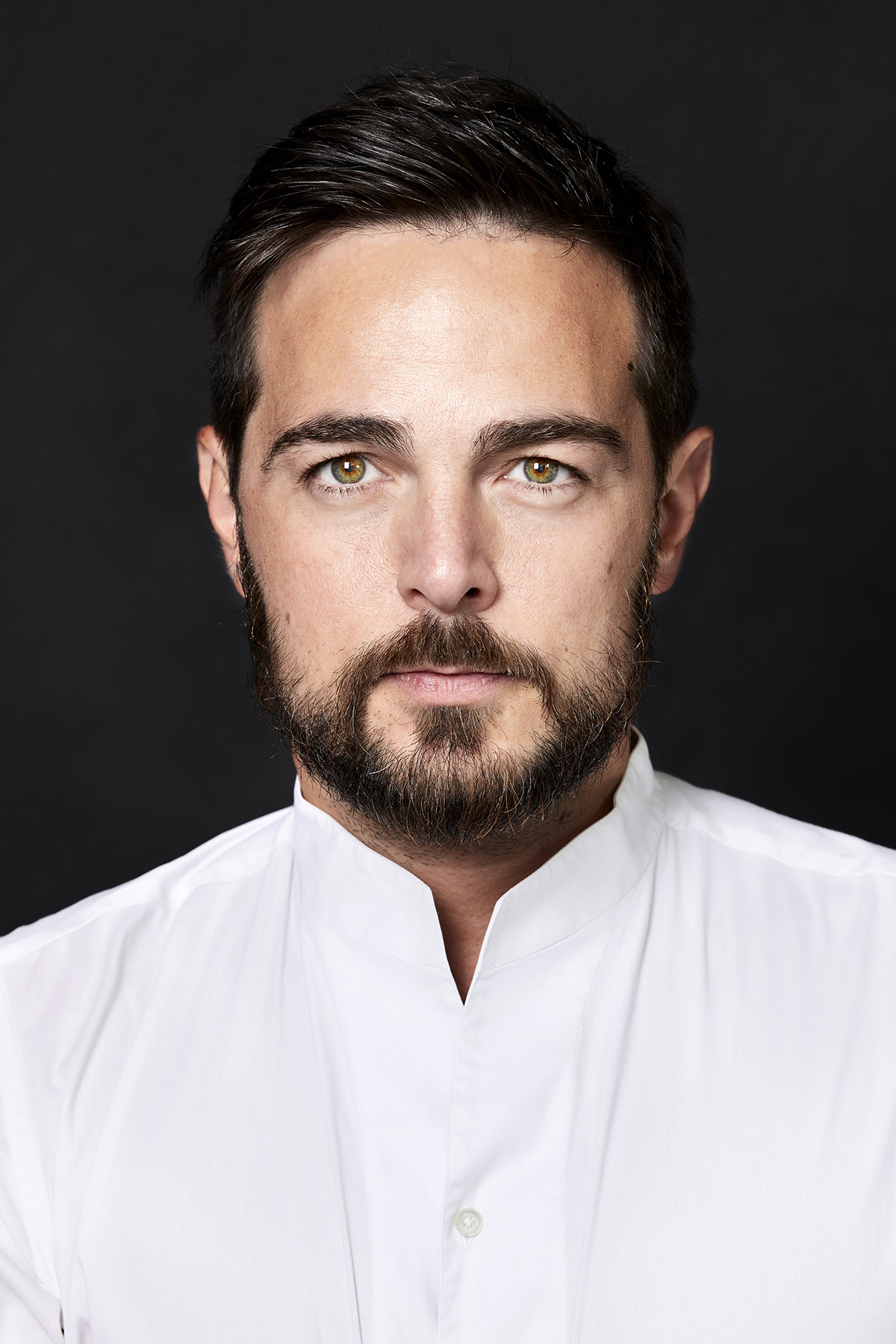
Paolo Bleve – Publisher & Editorial Director
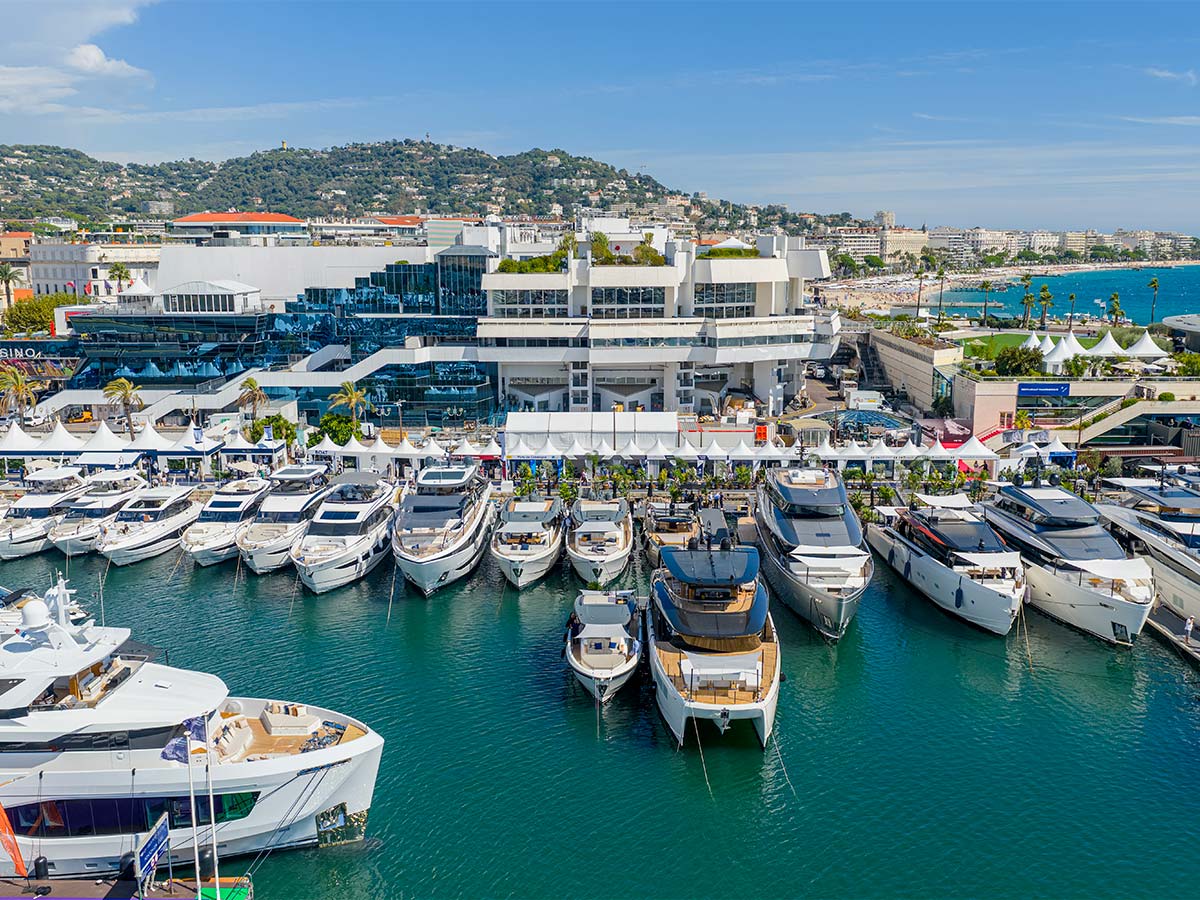
IFDM’s deep understanding of the industry’s fabric, honed over nearly 20 years of travels and interactions, coupled with a curious approach to exploring the depths of project phases, has enabled it to engage as equals with the specification community for both interior design and architecture. The first Yacht & Cruise edition (as it was known in July 2020, at the outset of its journey) faithfully carried on the legacy of its elder sibling. It launched a concept that beautifully unites boats and dry land, representing the perspective of the seafarer observing new architecture from the sea (ports, docks, piers, and hospitality offerings), and vessels viewed from the coastline. This was an editorial project that boatyards and the broader marine world were unaccustomed to, yet they quickly embraced it, appreciating its unique approach and significant scope.
The .Wonder Book Yacht & Cruise has paralleled the profound transformation within the sector, particularly the evolution of its interior design segment, which has welcomed leading names from the residential world. This edition reaffirms its mission and, more importantly, its vision: a world that year after year showcases next-generation nautical architecture, alongside hospitality and residential innovations that share, for us, the most crucial of nature’s five elements. Water.
Enjoy the journey!
The hues of silence
by Alessandra Bergamini – Deputy Editor of .Wonder Book
Otis Redding penned the initial lines of “(Sittin’ on) The Dock of the Bay” in June 1967 while staying on a houseboat moored in Sausalito, California, as he awaited his next gig. This iconic song concludes with an equally famous four-line verse: “Now, I’m just gonna sit at the dock of the bay, Watching the tide roll away, Sittin’ on the dock of the bay, Wastin’ time.”

Alessandra Bergamini – Deputy Editor of .Wonder Book
” But is time spent observing the ebb and flow of the sea truly “wasted”? Or is it a different way of experiencing and imbuing meaning into the time we have? Beyond the allure of slow travel and yachting, beyond a penchant for “creative” idleness, scientific evidence also suggests that observing the sea and being in proximity to water expands the mind. According to the late marine biologist Wallace J. Nichols and his Blue Mind Theory, physical or visual contact with water – especially the ocean – has a regenerative effect on the human mind, reducing stress and fostering creativity by stimulating various brain areas associated with happiness and well-being.
Going a step further, blue is often associated with contemplation, harmony, calm, and silence. In many of the projects presented here, including yachts, such as Not a Hotel residences in Japan, the Gundari Resort on the Greek island of Folegandros, the Sjöparken hospitality complex in southern Sweden, Casa Ponte in Florianopolis, Brazil, the French Coquelicot River Barge, and Boathouse Zaka on Lake Bled – to name just a few – one can absorb the hues of slowness, contemplation, and silence. These include the blues, the greens, and the sands, and the osmotic connection between aquatic and vegetal elements; between flora and the terrain; between land and coastline; between nature and the wider landscape; and ultimately, between body (beyond just the architectural) and spirit (beyond just the genius loci).