There’s time until November 15 to visit Pirouette: Turning Points in Design at MoMA in New York, an exhibition that stages design as a driver of transformation. Curated by Paola Antonelli, Senior Curator of the Department of Architecture and Design at MoMA, along with Maya Ellerkmann, the show features over a hundred works from the museum’s collection, spanning from the 20th century to the present.
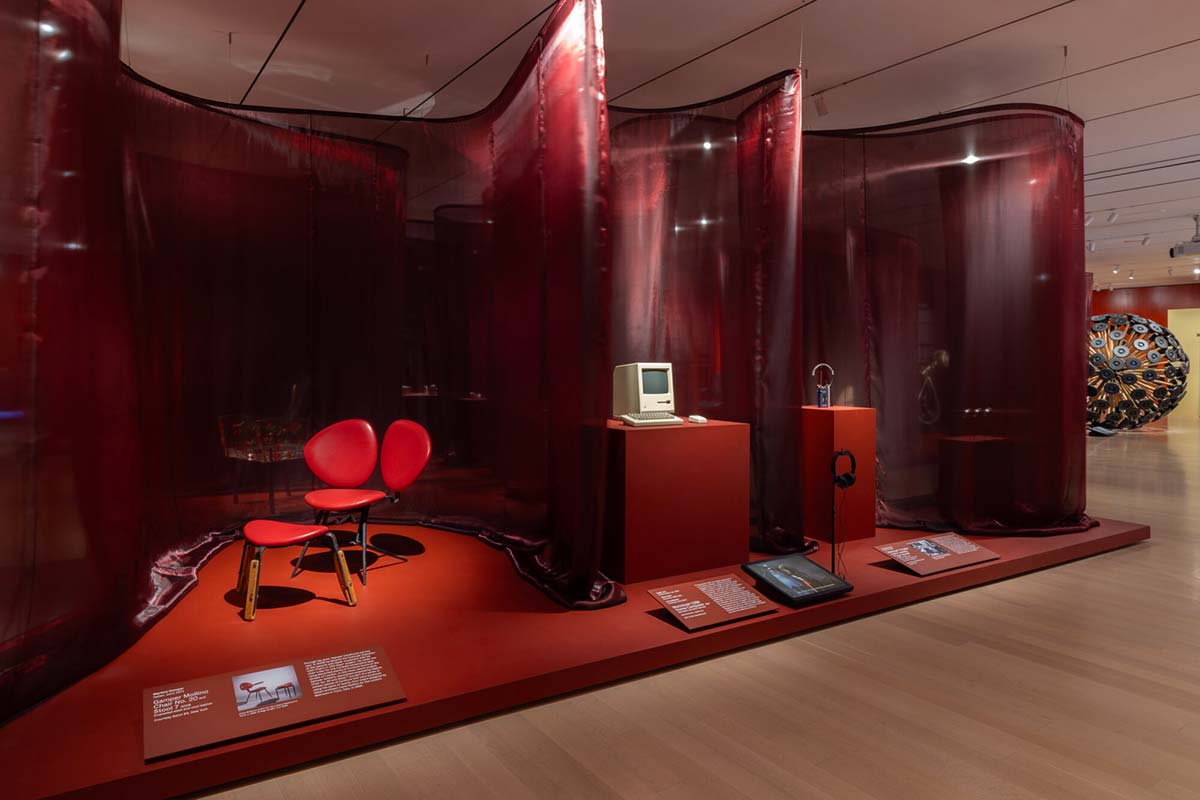
Installation view of Pirouette: Turning Points in Design – Photo © Jonathan Dorado
Here, design is not just about form and function – it’s a cultural gesture, a social provocation, an invention of new behaviours. Familiar objects like the Sony Walkman, the first Apple Macintosh, Post-it Notes, or the iconic Spanx sit alongside lesser-known but equally influential projects such as Don Pettit’s zero-gravity coffee cup or Tejo Remy’s “You Can’t Lay Down Your Memory” chest of drawers.
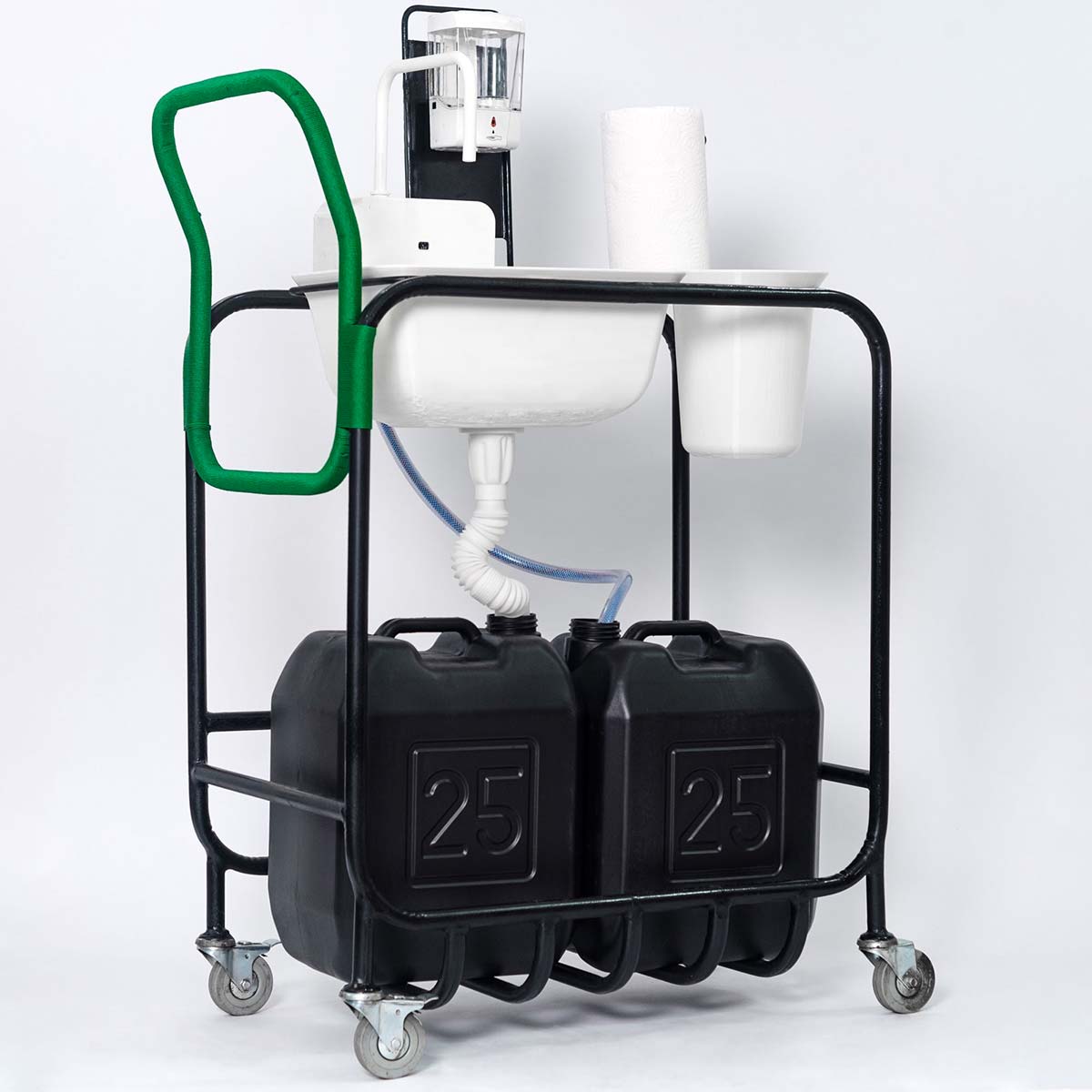
For the Community by the Community – Handwashing Station, design Nifemi Marcus-Bello – Photo © Kadara Enyeasi
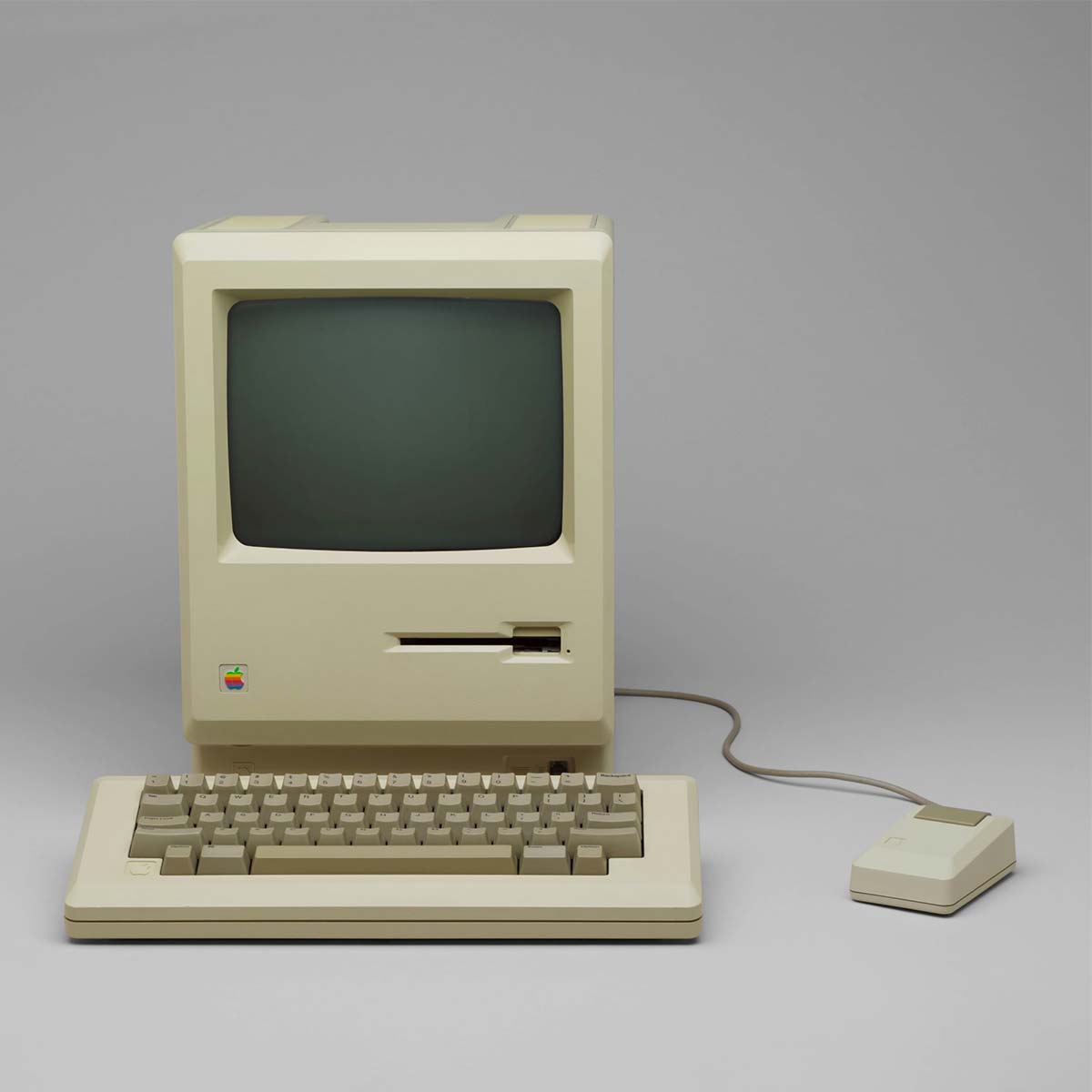
Macintosh 128K Home Computer by Apple, Inc., Steve Jobs, Jerry Manock – © Apple, Inc.
The common thread is the idea that every object can represent a turning point, through its materials, symbolic power, or its ability to reshape everyday experience. Antonelli points out how some designs don’t just correct bad habits, but invent new ones, aligned with goals of sustainability and justice.
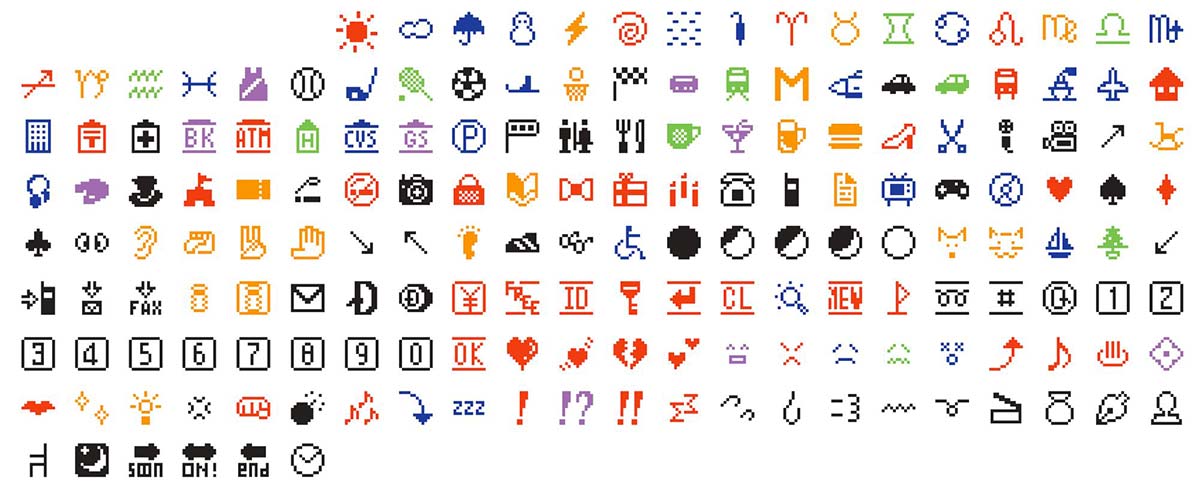
Emoji, design Shigetaka Kurita – © 2024 NTT DOCOMO
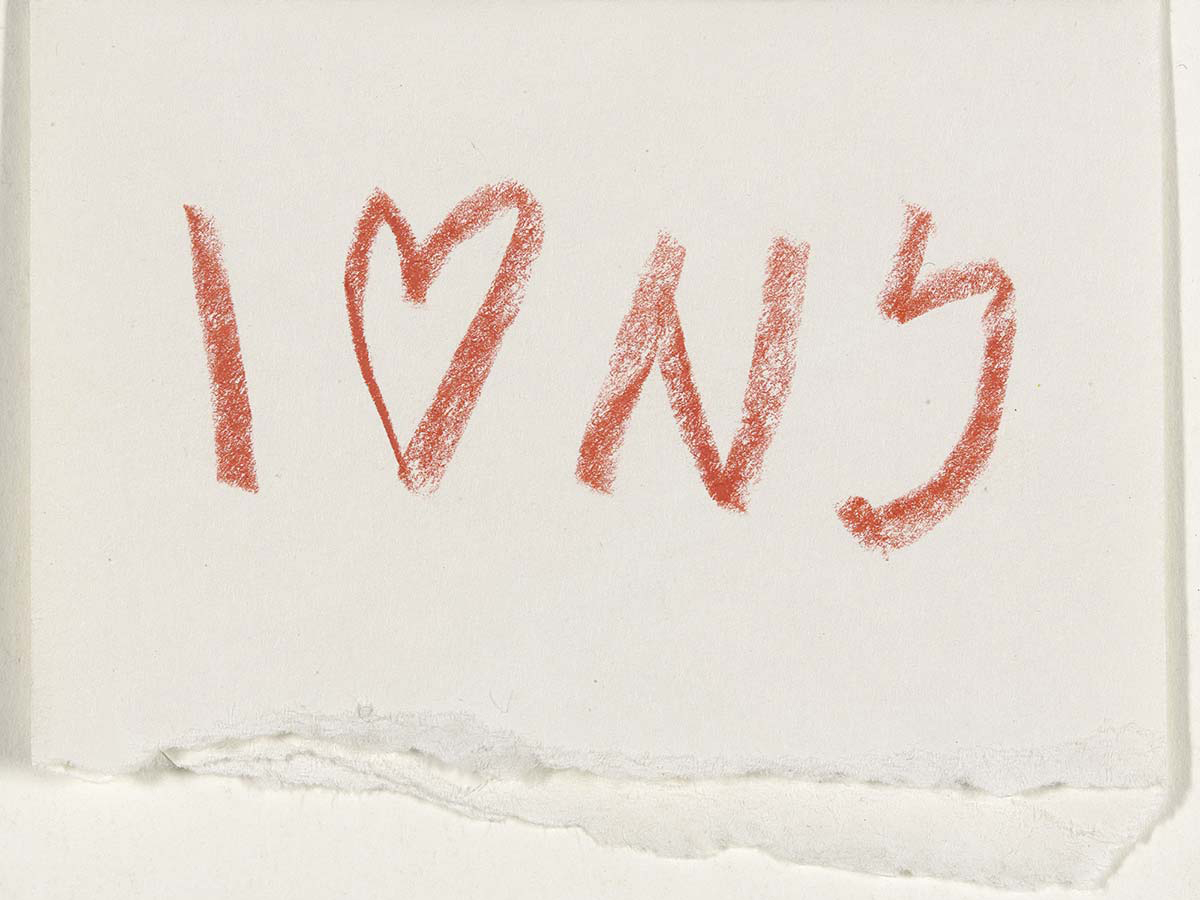
Highlights include Milton Glaser’s “I ❤ NY” logo, Ed Hawkins’s climate spiral diagram, and Christien Meindertsma’s long-term research into the flax supply chain. Each object is accompanied by a detailed caption explaining its background, development, and impact.
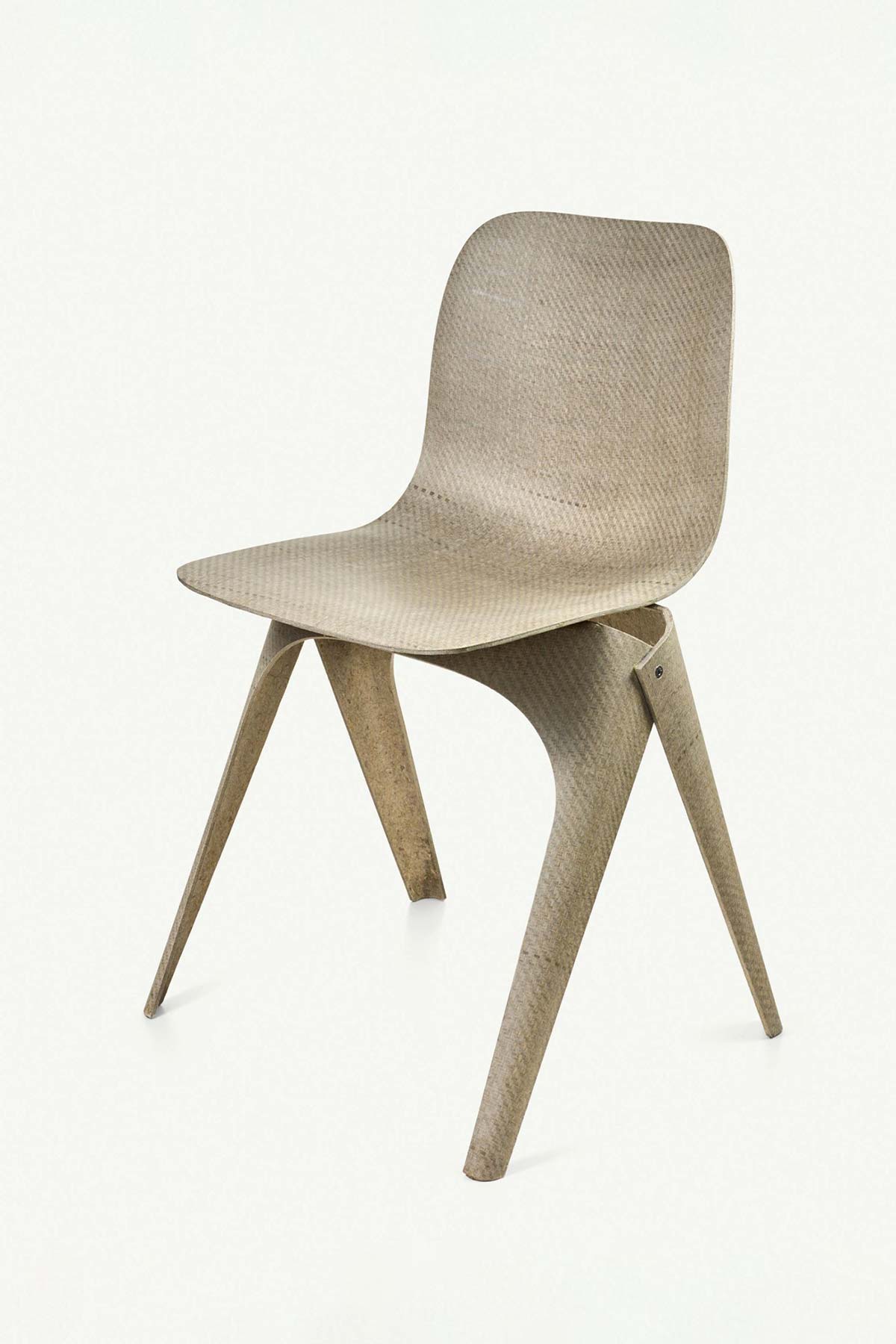
Flax Chair, design Christien Meindertsma – Photo © Mathijs Labadie

Multiform, Gabriel Fontana – Photo © Iris Rijskamp
Pirouette tells the story of how design – through experimentation, playfulness, and rigorous research – can guide the evolution of individuals and societies. A show that restores depth, value, and potential to the things we hold in our hands every day.