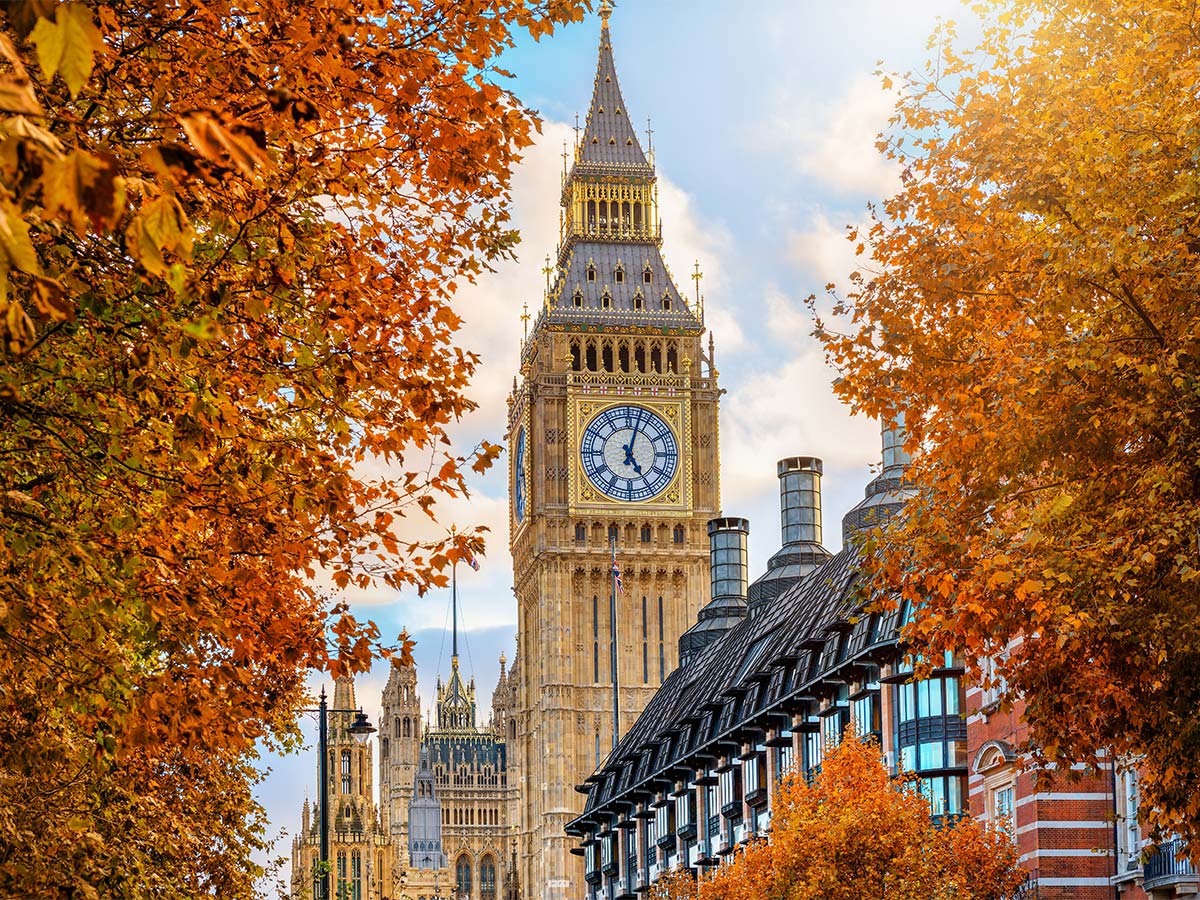
London transforms into a stage where design and everyday life intertwine. The London Design Festival 2025 animates the city with exhibitions, installations, and openings that cross neighbourhoods and disciplines, offering multiple perspectives on how design shapes the present and imagines the future.
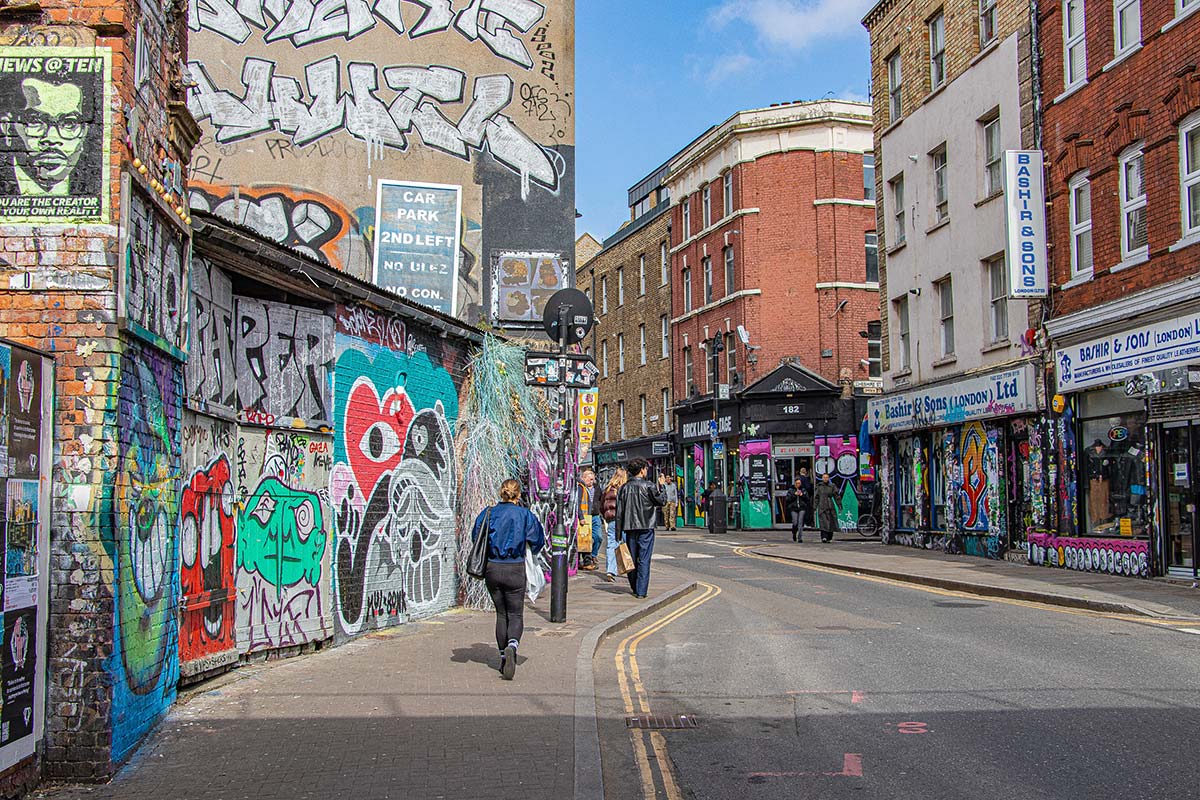
Shoreditch district, London – Photo © Omri Eliyahu
Shoreditch
Once an industrial district, today Shoreditch is an open-air creative workshop, retaining the atmosphere of its courtyards and red-brick buildings. Between weathered façades and colourful street art lie designer studios, independent galleries, and innovative showrooms. Design London Shoreditch debuts with exhibitions on workplaces, sustainability, and interiors, showcasing a mix of established names and emerging voices from the international scene.
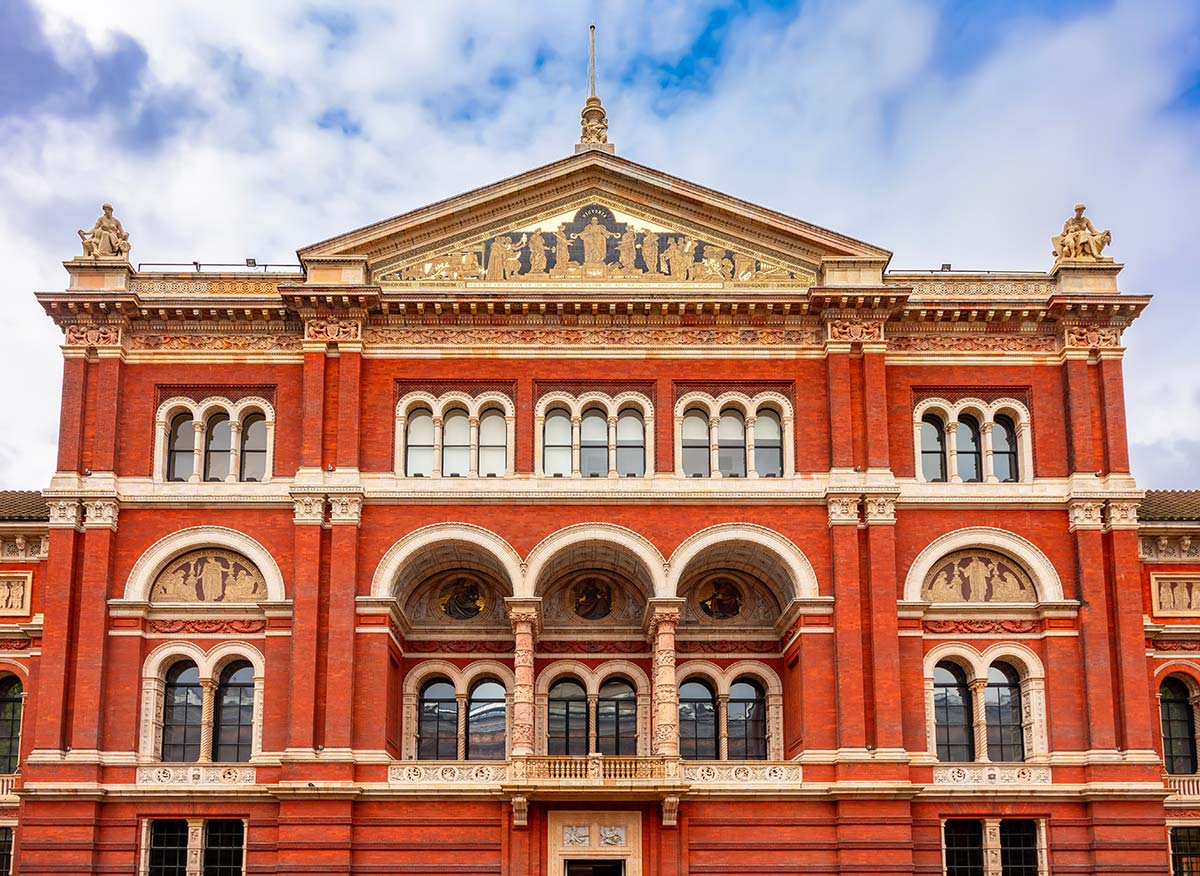
Victoria and Albert Museum, London – Photo © Mistervlad
Kensington e Brompton Design District
At the elegant heart of the festival, the Victoria and Albert Museum presents installations and workshops reflecting on design’s role in addressing global challenges. Just around the corner, the Design Museum on High Street Kensington, near Holland Park, hosts More Than Human and Designer Maker User, exploring how design can go beyond human needs and tracing its modern evolution.
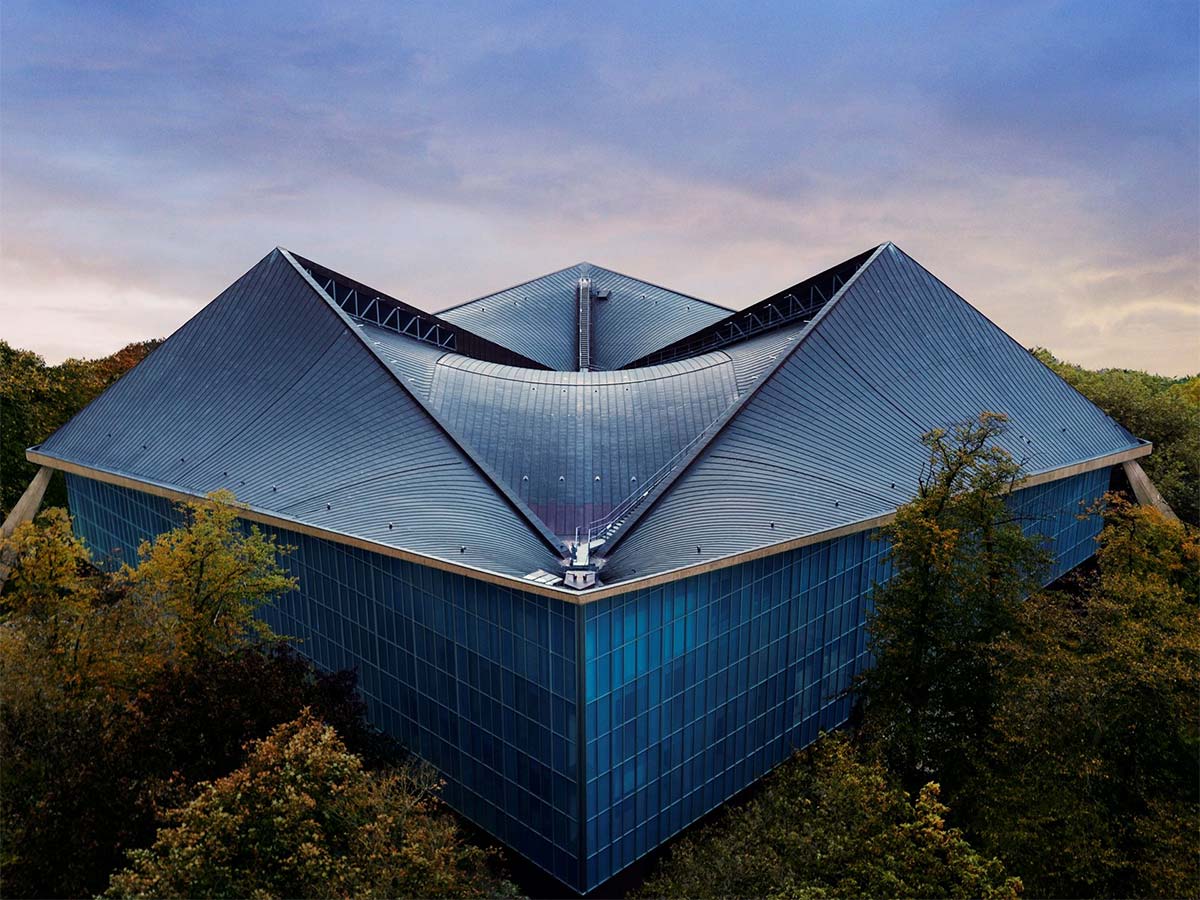
the Design Museum, London
Among the most anticipated events, Charlotte Taylor: Soft Worlds, Sharp Edges transforms a bedroom into a stage, showcasing thirty female designers who reveal the intimate and complex aspects of domestic life. Nearby, at the Brompton Cemetery Chapel, Landscape, Silence, and Night by Sonnie Carlebach & Ushara Dilrukshan turns the neoclassical chapel into a space suspended between dance, sound, and visual arts, with daily open rehearsals for the public.
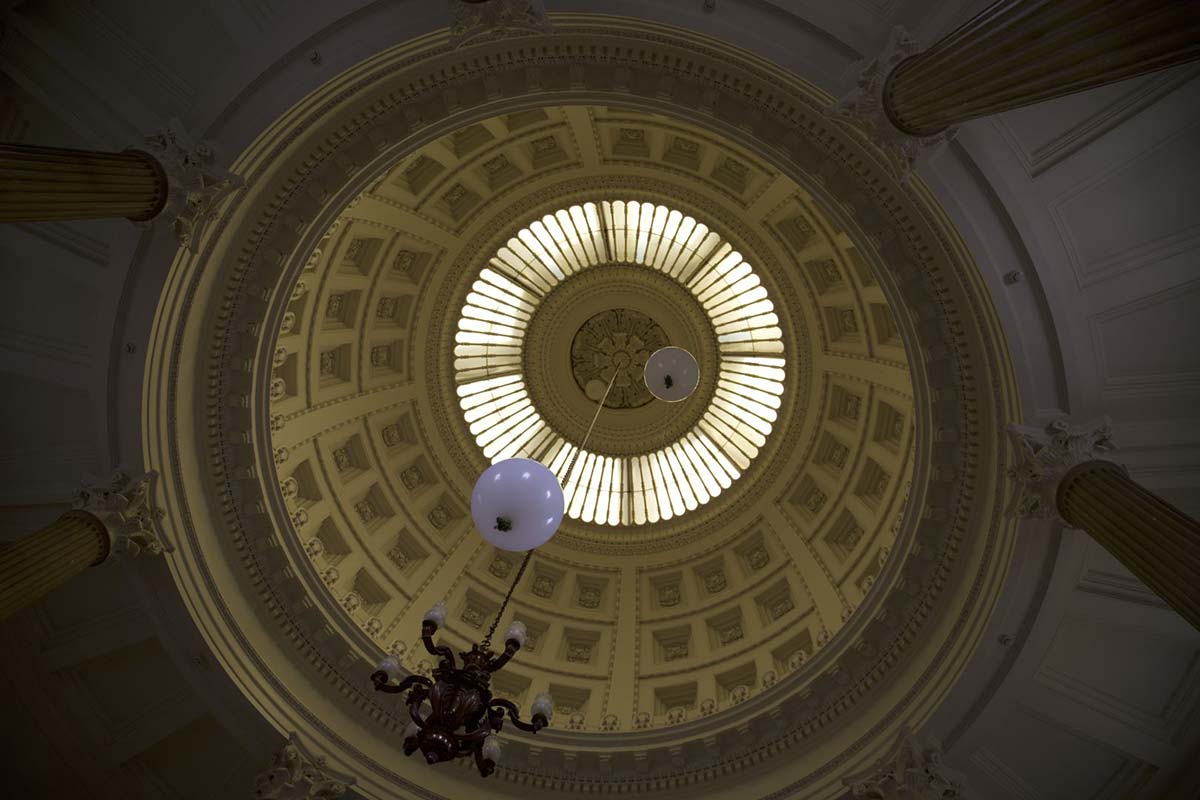
Brompton Cemetery Chapel, London – © London Design Festival
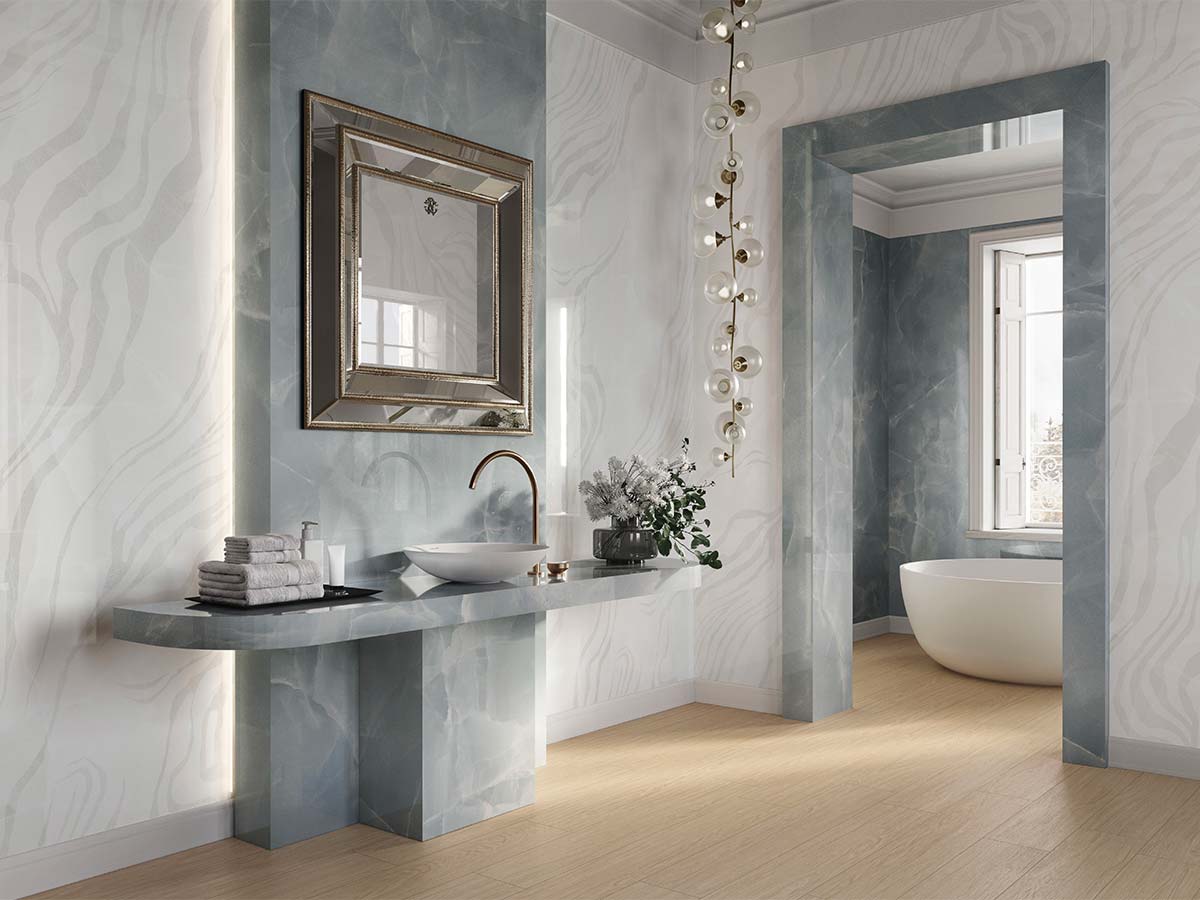
On the retail front, Italian brand Bisazza opens its flagship on Sloane Avenue with marble and mosaic collections, while Baxter unveils its showroom in Empire House, a former industrial building now hosting furniture inspired by 1960s California. For a quick bite, the iconic Bibendum Oyster Bar combines refined architecture and cuisine in the famous Michelin building.
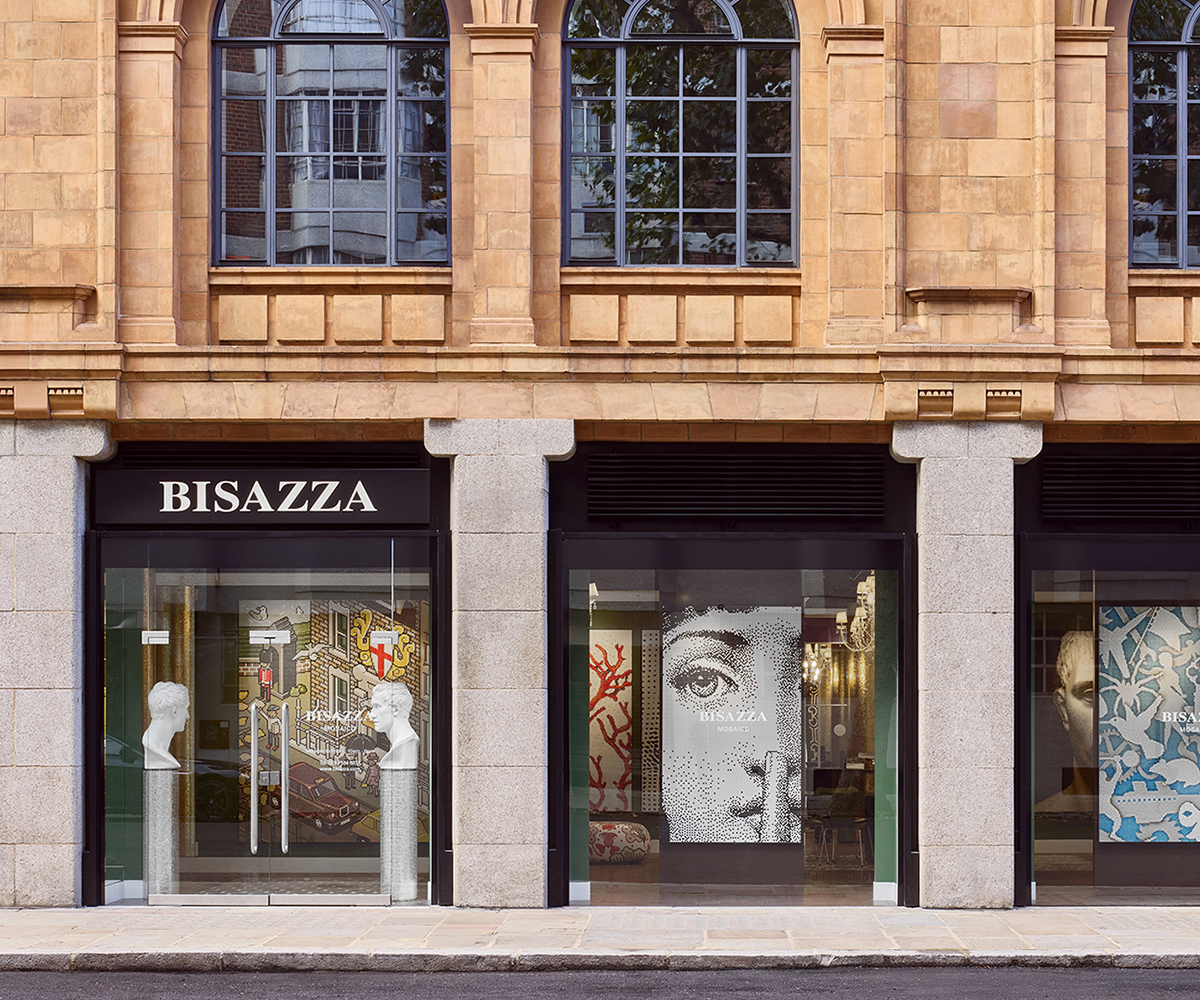
Bisazza flagship store, Sloane Avenue, London
Londra centro
The city centre hosts installations that transform its most iconic locations. At Trafalgar Square, Paul Cocksedge presents What Nelson Sees, a sculpture of telescopic tubes offering unusual perspectives of London, almost through the admiral’s eyes.
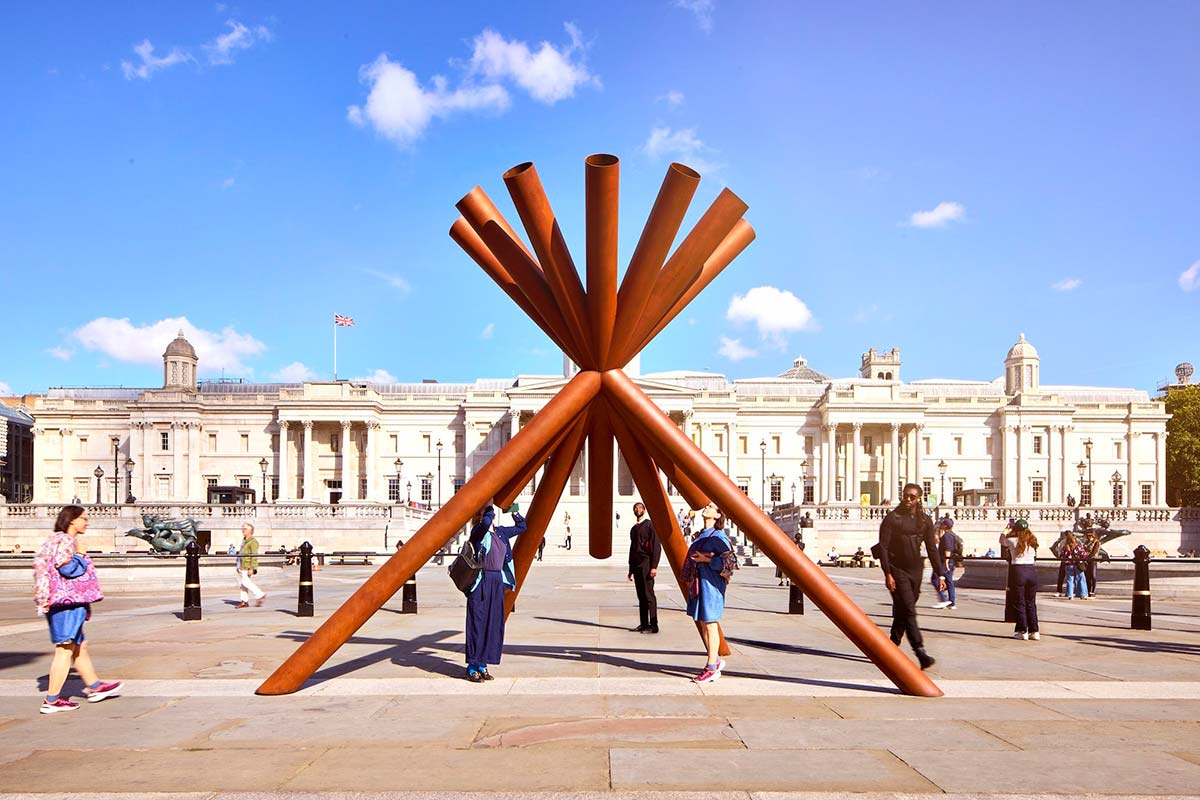
What Nelson Sees, design Paul Cocksedge – Photo © Mark Cocksedge
Nearby, Aram hosts Beyond Foam by EcoLattice, exploring recycling with 3D TPU lattices. Among the works, the Green chaise longue and Maria Bravo’s multifunctional CorpusForma sofa demonstrate how even foam can be poetic and sustainable.

Beyond Foam by EcoLattice
Southbank
The Southbank becomes a stage for experimentation. Lee Broom presents Beacon, a luminous installation that reinterprets classic street lamps as a giant urban chandelier, made from recycled glass and inspired by the area’s Brutalist architecture. Art and sustainability merge, energizing the riverside with a blend of memory and innovation.
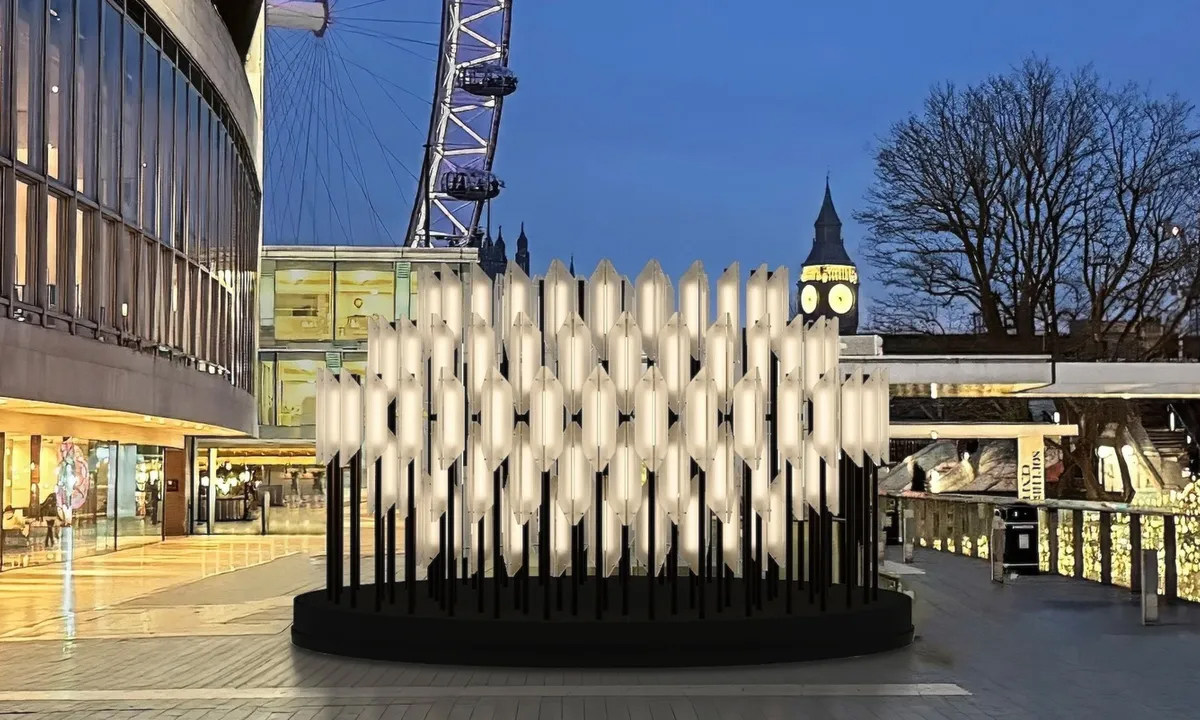
Beacon, design Lee Broom
Greenwich Peninsula
Further east, the Greenwich Peninsula Design District establishes itself as a new creative hub. Sixteen buildings designed by eight contemporary architects house studios, workshops, and shared spaces in a fully pedestrianized area. Here, a rooftop basketball court and The Canteen – an international food hall surrounded by greenery – merge architecture with everyday life, making creativity an integral part of the city experience.
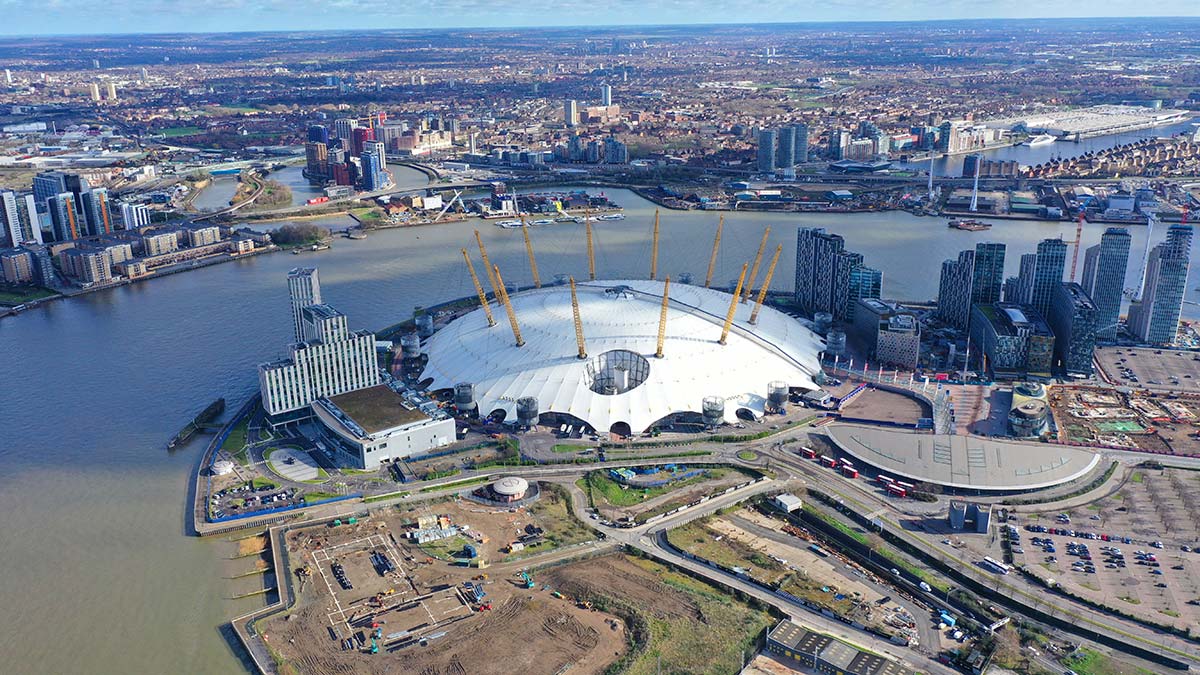
Greenwich Peninsula, Londra – © Aerial-motion
Clerkenwell
The day concludes in Clerkenwell, a district known for its artisanal heritage and creative energy. In the historic Fire Station of 1917, now an exhibition space, Grain Pile debuts: Max Radford Gallery collaborates with the British manufacturer Ercol to reinterpret the tradition of woodworking. Six London-based designers, including prominent figures from the contemporary scene, explored Ercol’s archives, giving new life to stools, tables, benches, chairs, and cabinets in close collaboration with the brand’s workshops.
Walking through hidden courtyards and illuminated showrooms, visitors experience the authenticity of a London that continues to reinvent itself through design.