Abu Dhabi has quietly become one of the Gulf’s most compelling backdrops for luxury design. The city’s recent years have been less about ostentatious one-off statements and more about building an ecosystem: curated showrooms, international brands planting regional flagships, and a cultural spine of museums and architectural pavilions that give context to a new domestic appetite for considered interiors. Walk Abu Dhabi with a designer’s eye and you’ll see not just furniture and objects, but a conversation between craft, materiality and the city’s distinct modernism.
Begin with the showrooms. The Emirate has steadily attracted and expanded outlets for storied Italian maisons: Poltrona Frau’s bespoke, leather-led vocabulary has been present in regional operations and projects connected to prominent cultural commissions. Several of these global brands collaborate with local developments on hospitality projects and museum fit-outs, example the Louvre, reflecting how design houses are no longer just retail but partners in shaping interiors across the city. Poltrona Frau and other Italian names are active in regional projects and high-end retail circuits.
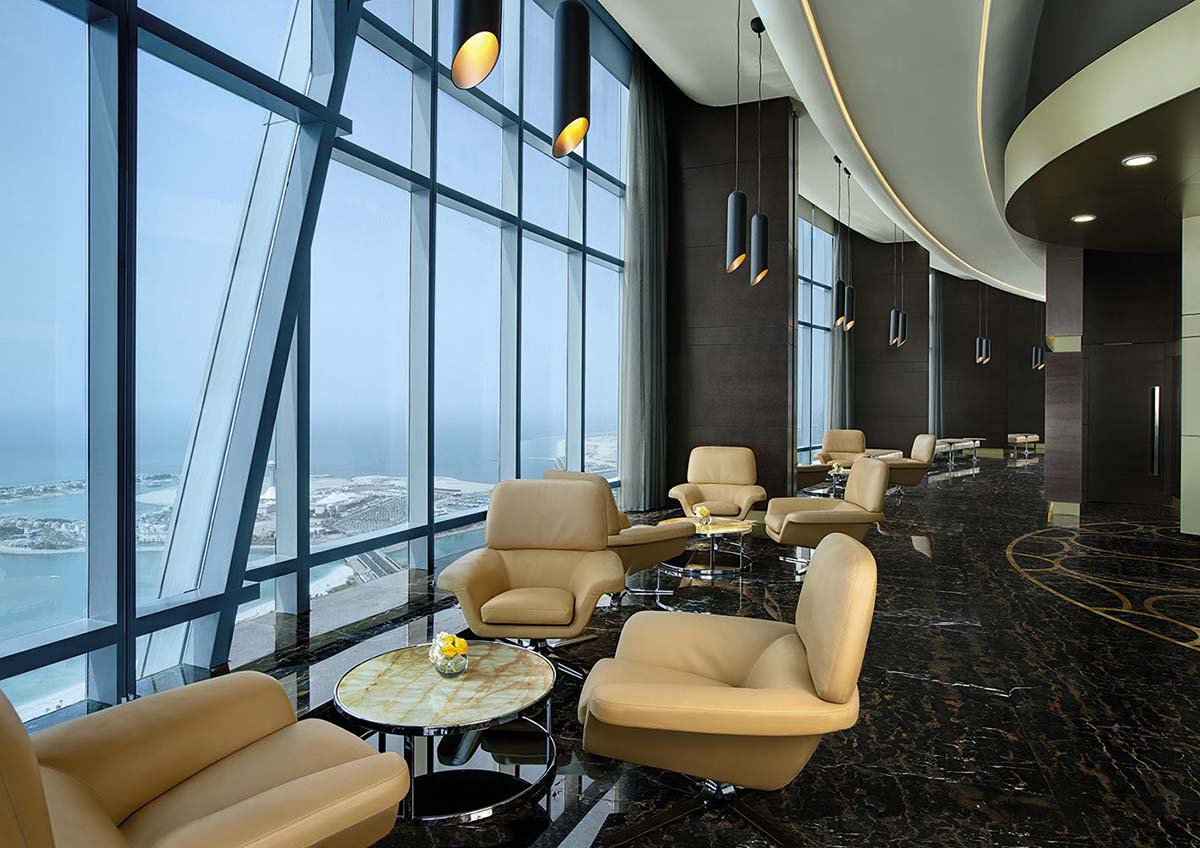
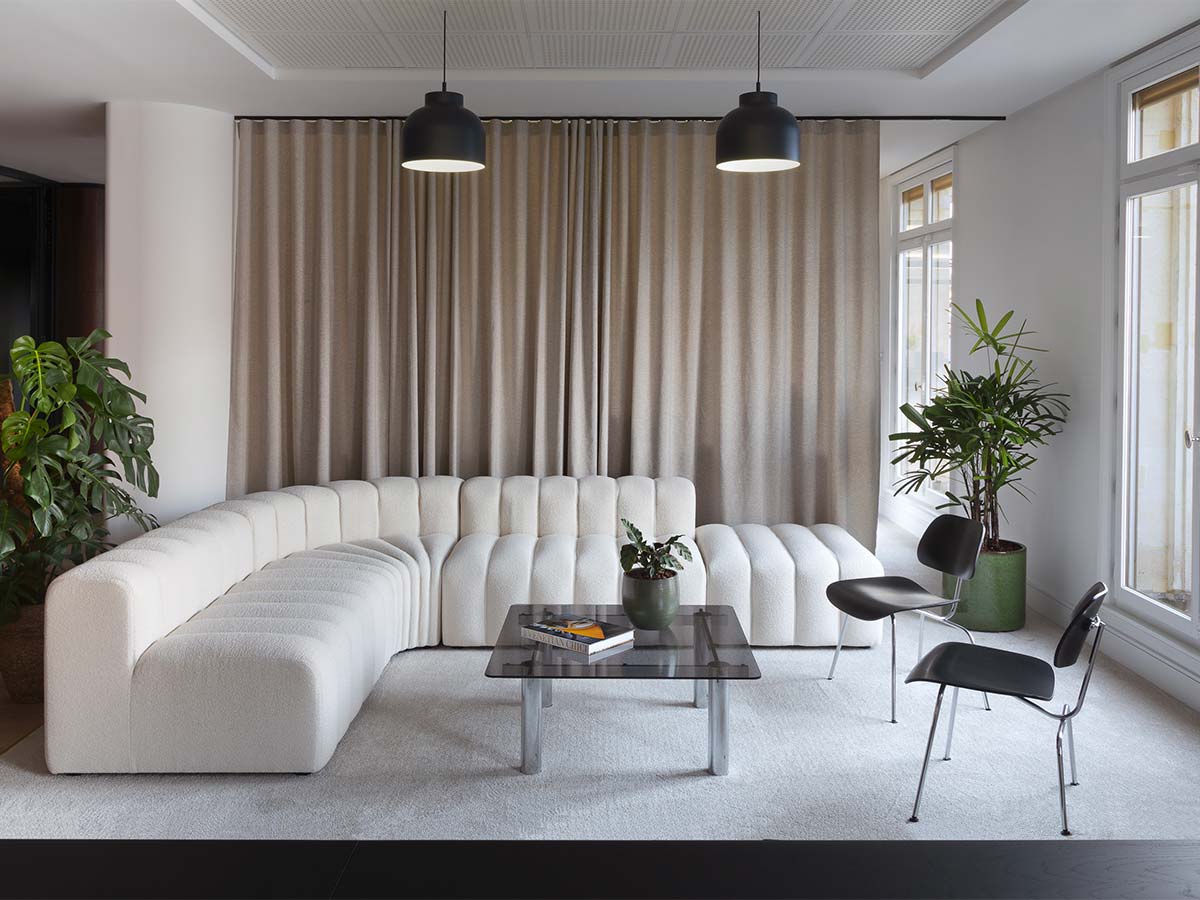
Minotti, Etihad Towers, Abu Dhabi, UAE
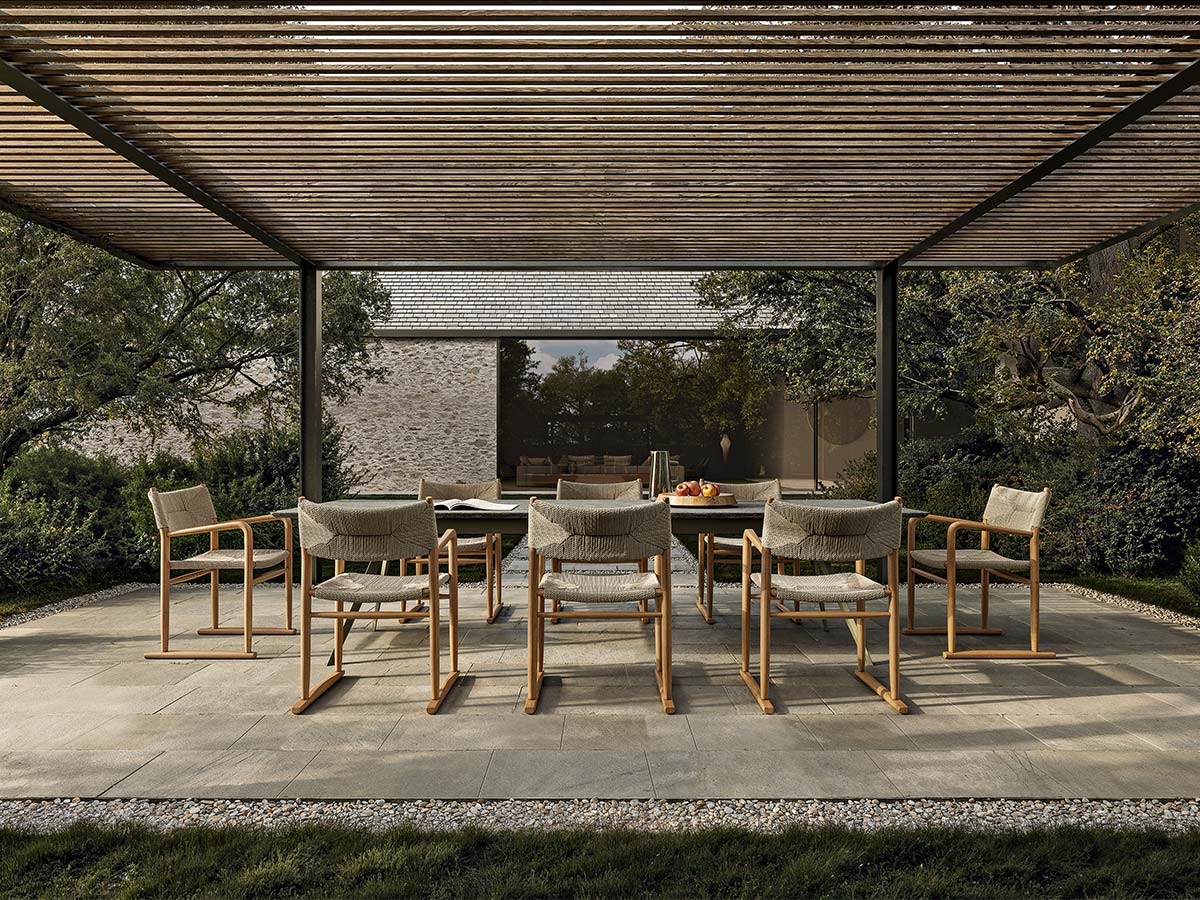
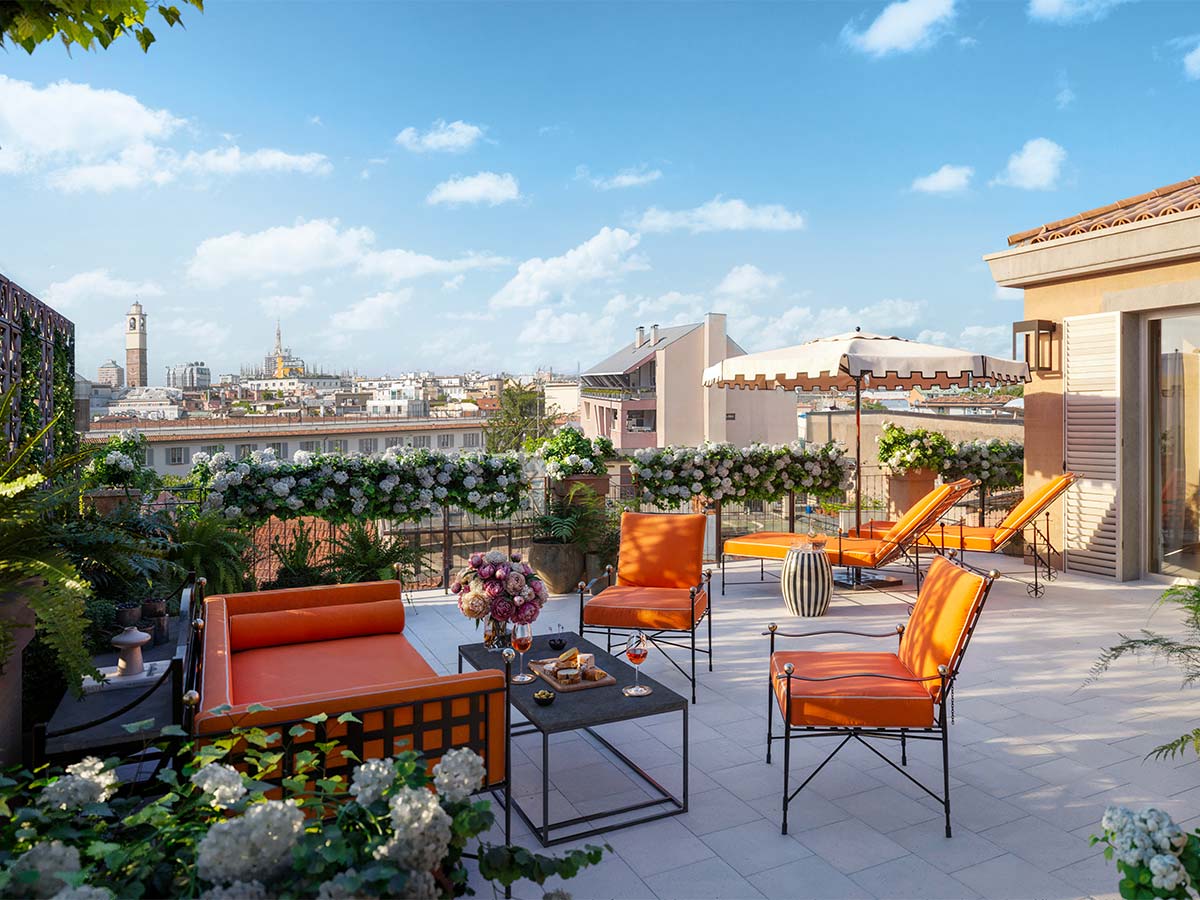
Minotti and B&B Italia / Maxalto maintain an influential presence too: where Minotti’s neutral, architectural upholstery is visible in luxury hospitality suites and private residences around Etihad Towers and Saadiyat developments, B&B Italia’s modular logic and Maxalto’s artisanal woodwork appear across curated showrooms and contract projects. These brands are often represented through regional dealer networks, showrooms or design partners that service both trade and private clients.
Molteni&C | Dada and Natuzzi are similarly well-established. Molteni&C’s kitchens and living systems, frequently shown in regional flagships and partner showrooms, offer a neat counterpoint to Natuzzi’s sofa expertise, which has visible retail locations in Abu Dhabi shopping destinations such as The Galleria and Yas Mall. For anyone mapping the city’s design economy, these labels form the backbone of both commercial and residential interiors.
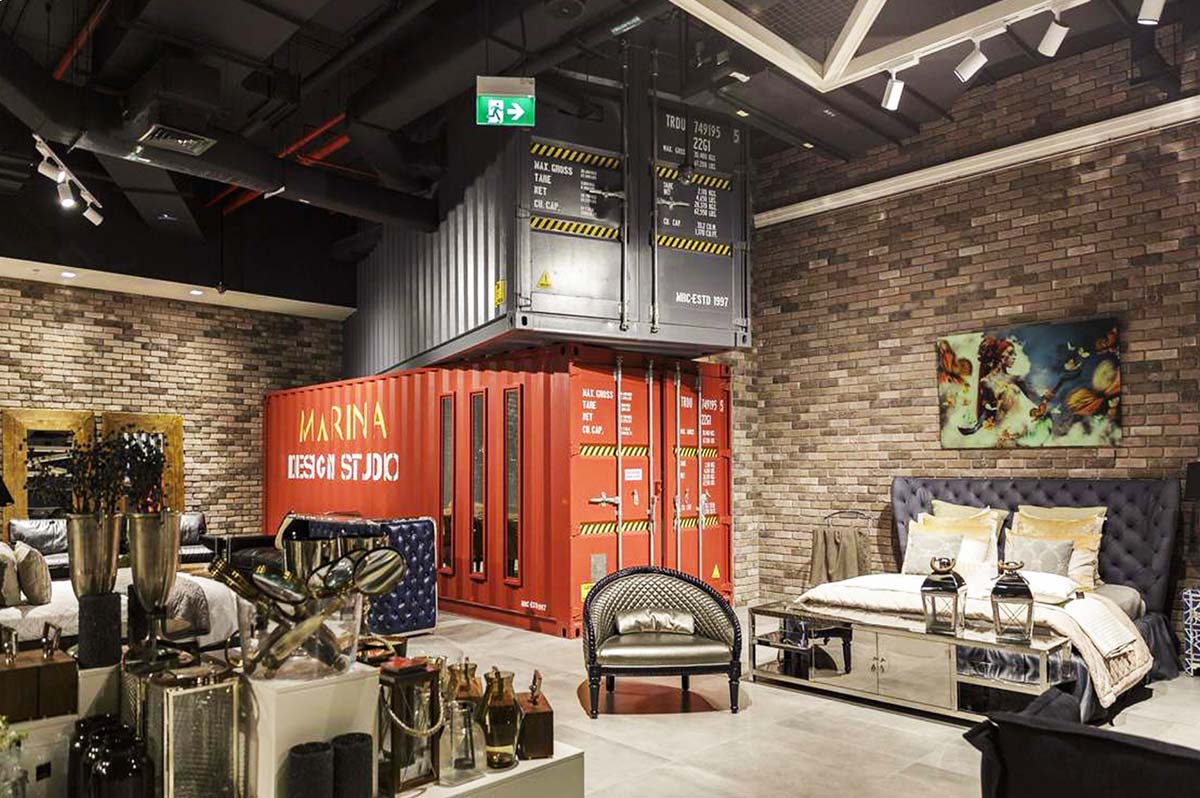
Marina Home, Abu Dhabi Mall, Abu Dhabi, UAE
Beyond the Italian canon, regional retailers and lifestyle names such as Marina Home Interiors and Western Furniture round out Abu Dhabi’s retail ecology. Marina Home’s outlets in the capital and across the UAE present eclectic, globally sourced collections that appeal to a market seeking personality as well as pedigree. Living Interiors and other local showrooms also curate high-end international brands, providing designers with turnkey access to contemporary pieces for projects across the emirate.
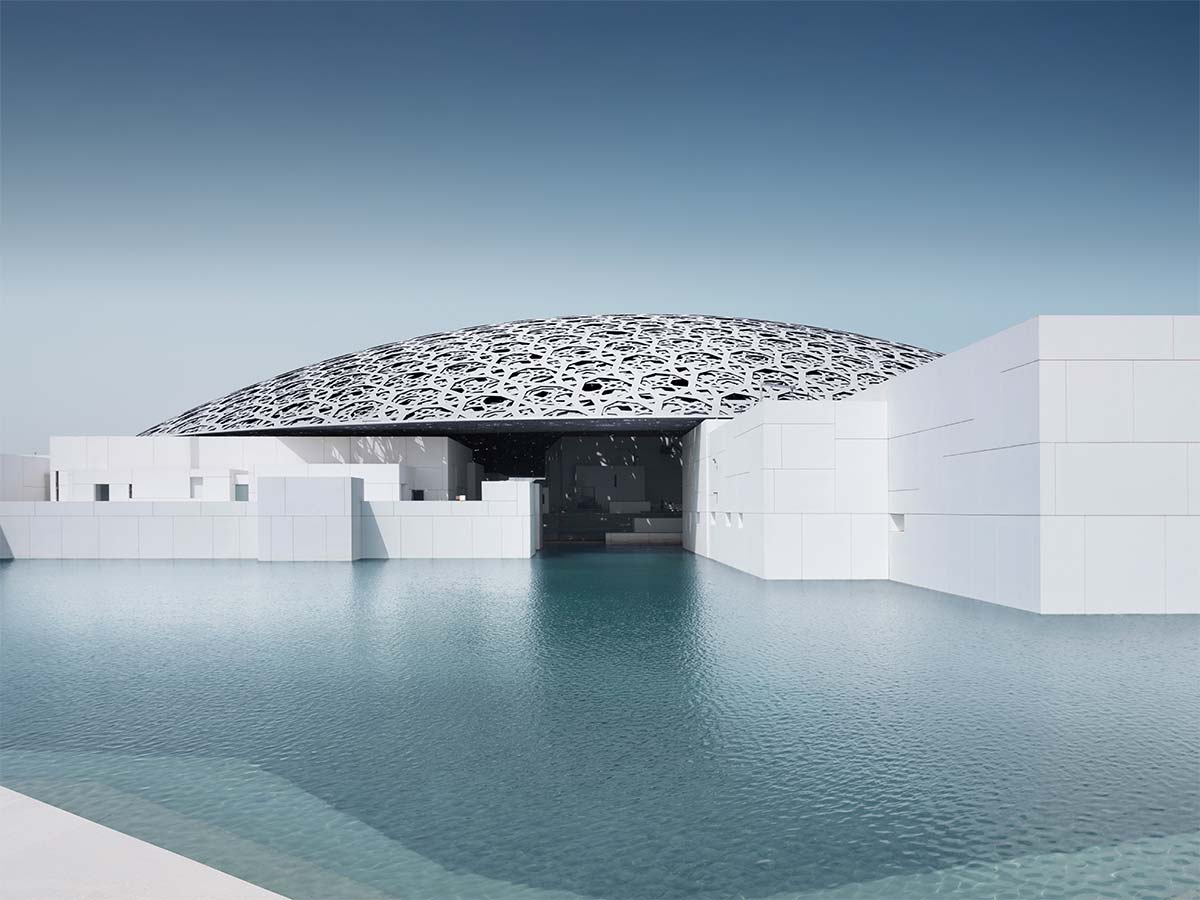
This showroom story sits alongside a cultural narrative that Abu Dhabi has been building deliberately on Saadiyat Island and beyond. The Jean Nouvel-designed Louvre Abu Dhabi remains the most luminous architectural milestone: its perforated dome and the “rain of light” it casts over the galleries continue to be a defining image for the city’s cultural ambition. The museum anchors a wider Saadiyat Cultural District that now includes new projects on the horizon, the coming Zayed National Museum and planned cultural pavilions, that promise to deepen the dialogue between architecture and curation. Saadiyat’s strategy is clear: museums and cultural projects give the city gravitas, and that gravitas attracts design investment.
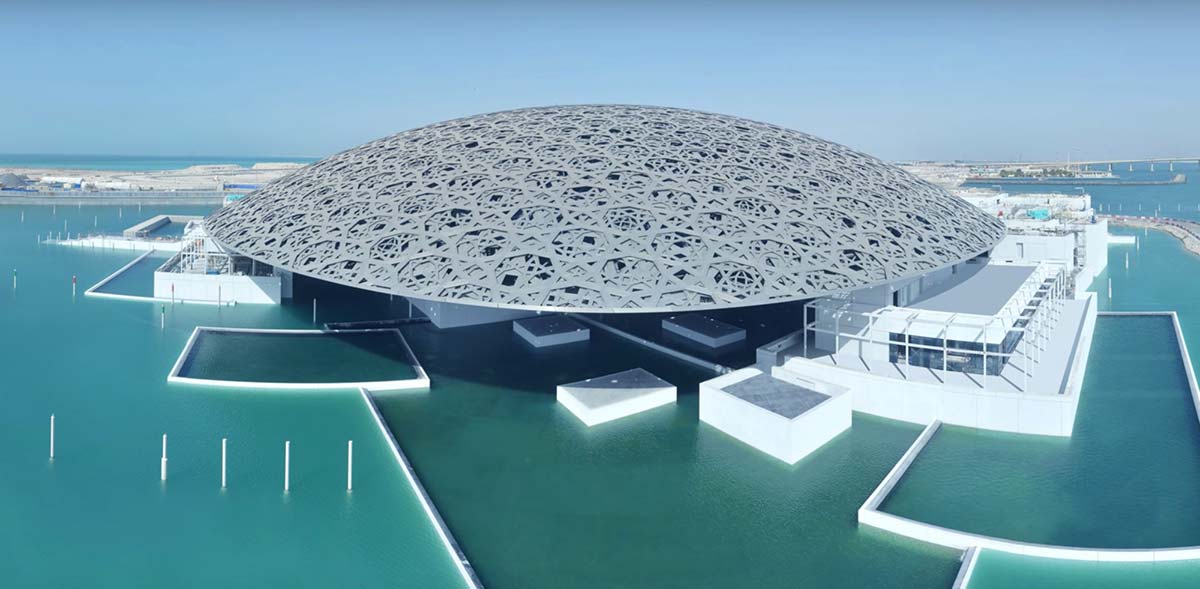
Louvre Abu Dhabi museum, design Jean Nouvel, Abu Dhabi, UAE
Architecture today in Abu Dhabi favors scale done with restraint: museum galleries with controlled daylight, cultural buildings that use massing and material to mediate climate, and civic projects that leverage local tectonics. The Emirates’ cultural brief, combining international design practices with local narratives, means architects are looking to craft spaces that host both blockbuster shows and quiet, detail-driven exhibitions. For designers, these buildings are not merely scenic backdrops; they’re laboratories for how interiors might respond to light, finish and circulation in the Gulf climate.
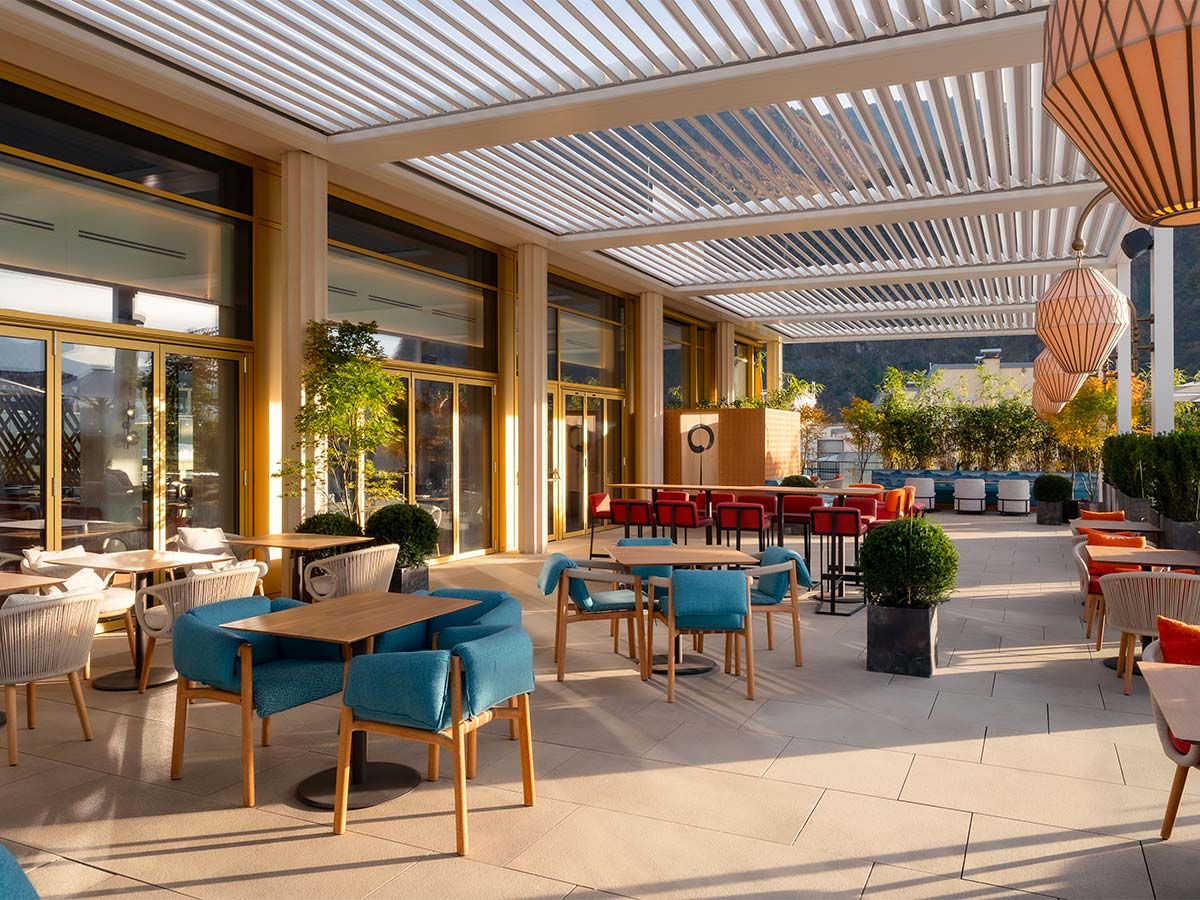
When it comes to dining as design, Abu Dhabi is fast building a roster of concept restaurants where culinary identity and interior thinking are inseparable. One standout is Erth, a healthy, organic-led restaurant concept located along Mamsha Al Saadiyat. With a menu and interior that emphasize natural materials, light palettes and a wellness-forward atmosphere, Erth is emblematic of a newer hospitality typology in the city: food as wellbeing, served inside softly crafted spaces that favour timber, stone and biophilic touches. Whether you’re a designer looking for material inspiration or a traveler seeking a curated meal, venues like Earth translate a lifestyle trend into brick, textile and plate.
New openings and cultural programming matter too: temporary exhibitions at the Louvre, museum expansions, and the staged introductions of the Zayed National Museum (now slated for a high-profile opening in coming years) signal a continuous pipeline of projects that engage architects, scenographers and interior specialists. For the Dubai-trained designer, Abu Dhabi now offers an alternative narrative, less flash, more institutional depth, where long-term cultural investments create long-term briefs for design professionals.
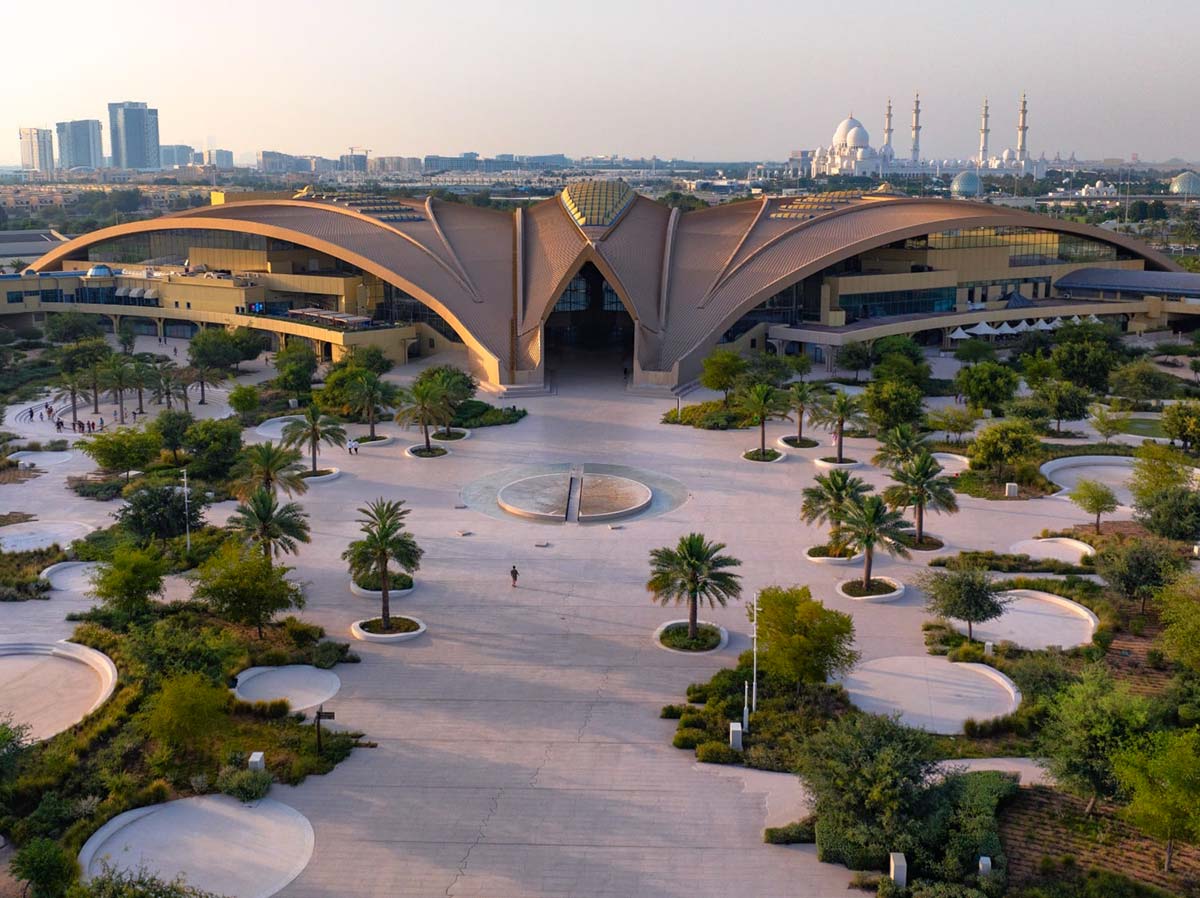
Erth Hotel, Abu Dhabi, UAE
Practically, the city’s design pilgrimage is easy to stitch together across a day: start with flagship showrooms and private galleries, spend a contemplative afternoon in Saadiyat’s museum precinct, then explore neighbourhood showrooms and concept cafés that favour craft. Pop into Marina Home or Western Furniture for layered, decorative inspiration; visit Molteni or Poltrona Frau showrooms (or their local partners) to study proportion and finish; and finish with dinner at a restaurant like Earth where the menu and the interior share the same design language.
Abu Dhabi’s evolution into a market for luxury design is not accidental. It’s a curated trajectory, careful cultural investment, strategic retail partnerships, and an appetite among clients for high-quality interiors. The result is a city where furniture is not only sold but staged within a wider architectural logic: museums that educate taste, showrooms that set standards, restaurants that act as mood boards. For anyone tracing design trends in the Gulf, Abu Dhabi has become an indispensable chapter.