Owner: Juana Vilafranca
Landscape design: Álvaro de la Rosa Maura
Funishings and lighting: Let’s Pause; selected hand-made pieces by local artisans
Photos: Maria Algara Regàs
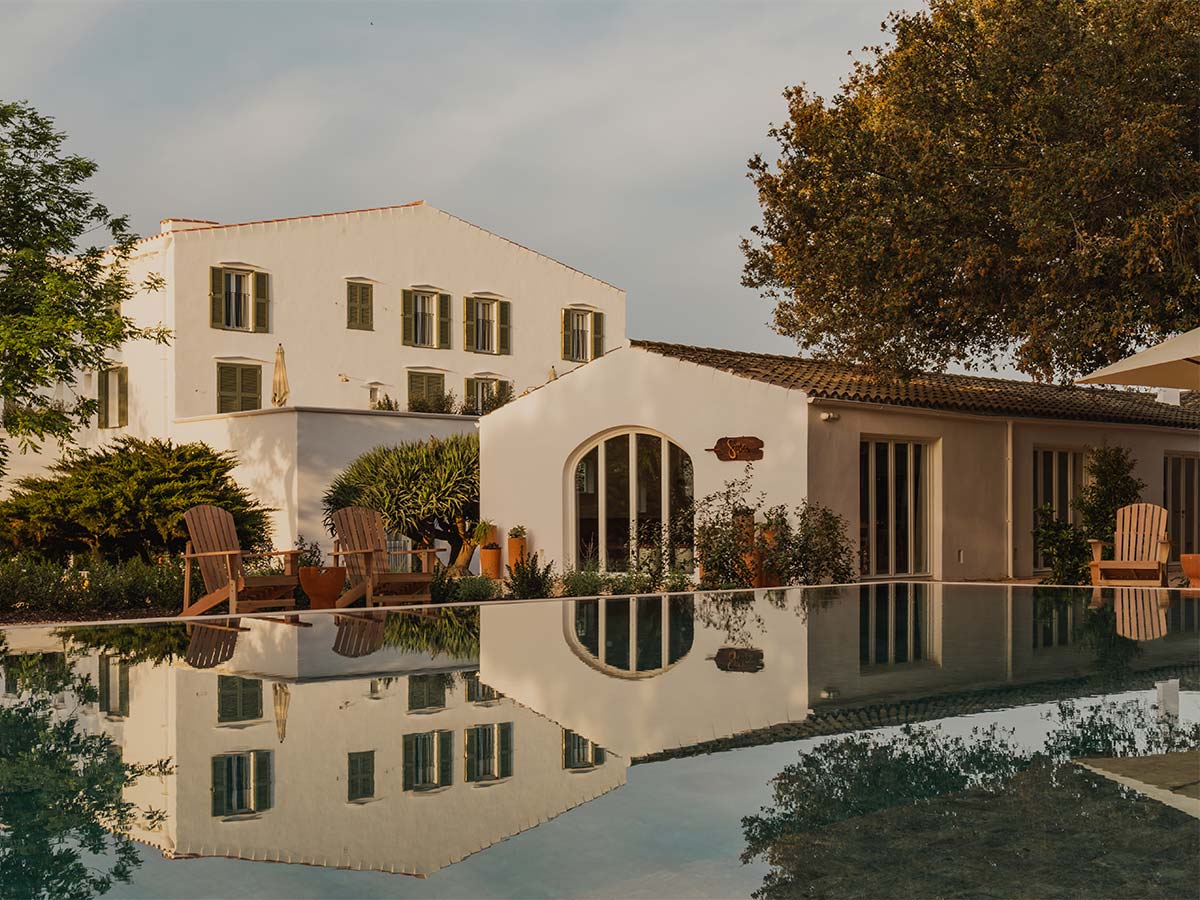
Hotel Rural Sant Ignasi, identified by license number ACR001, holds the distinction of being the first rural hotel on Menorca, having opened in 1998. It represents a second life for what was originally a holiday retreat for a Menorcan aristocratic family – a traditional finca nestled in nature and woodlands, built in 1777 just a few kilometers from Ciutadela.
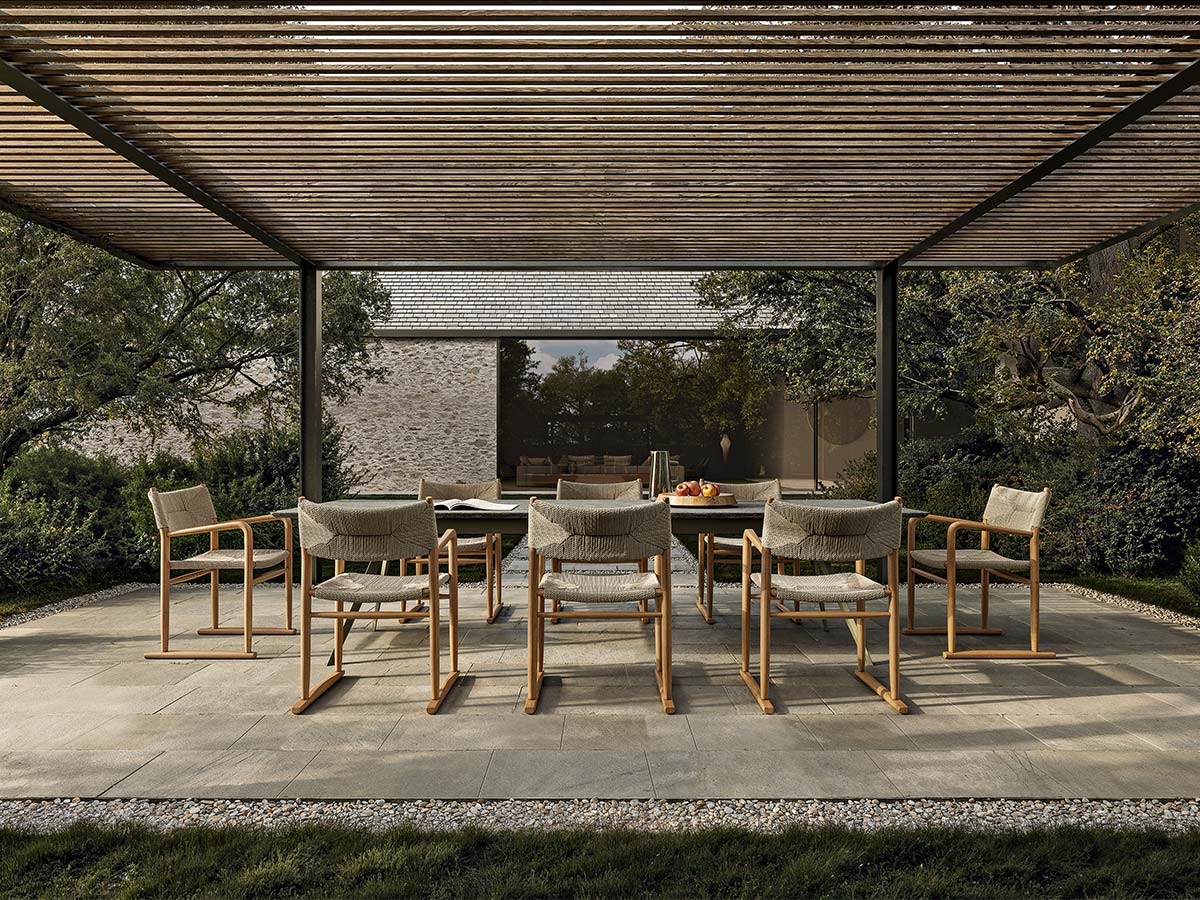
The property’s story took a new turn in 2022 when, after years of disuse, it was acquired by Juana Vilafranca. It was then completely renovated and reopened in 2024, with the aim of revitalizing the space and recapturing the essence of both the original residence and the island itself. This narrative also includes the centuries-old trees that are integral to both the property and the project, forming a rich, natural canopy over the large patio of the Smoix restaurant and around the pool perimeter.
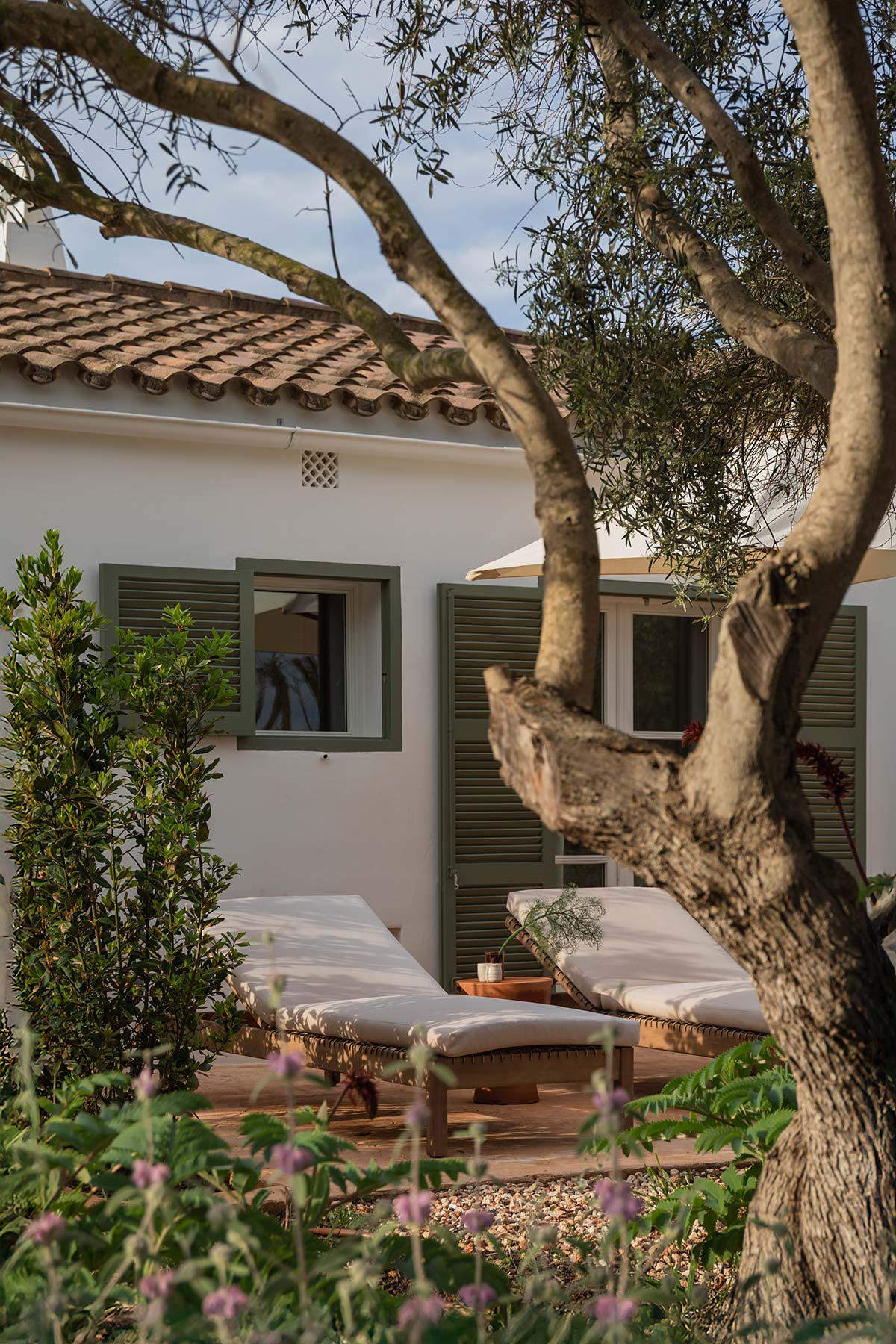
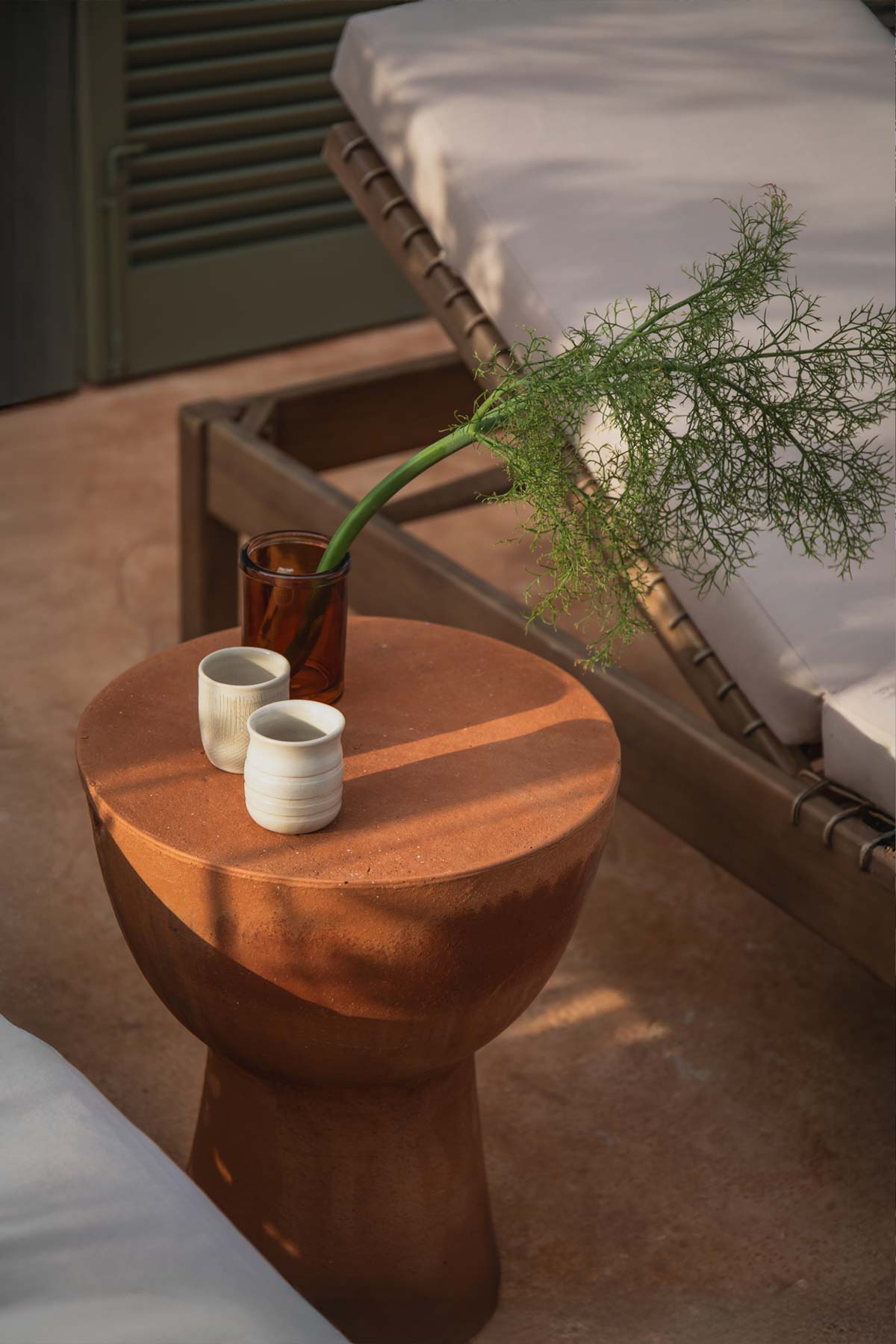
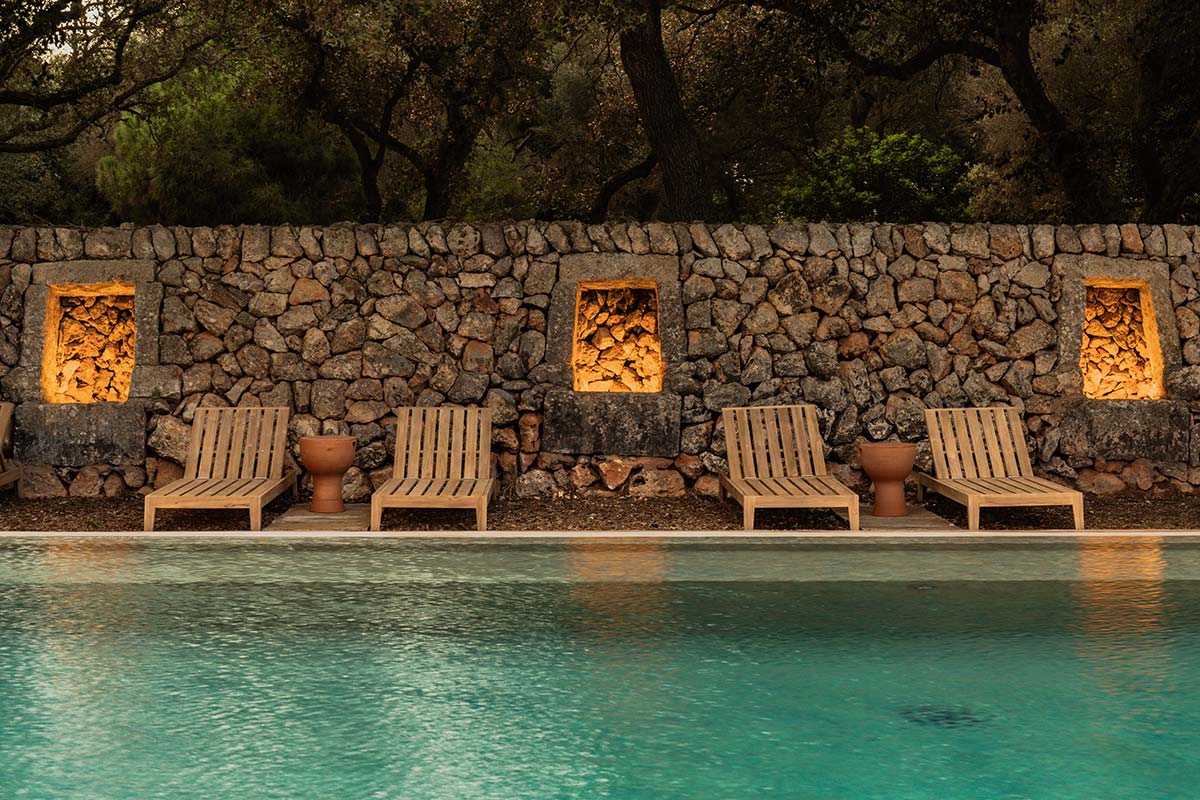
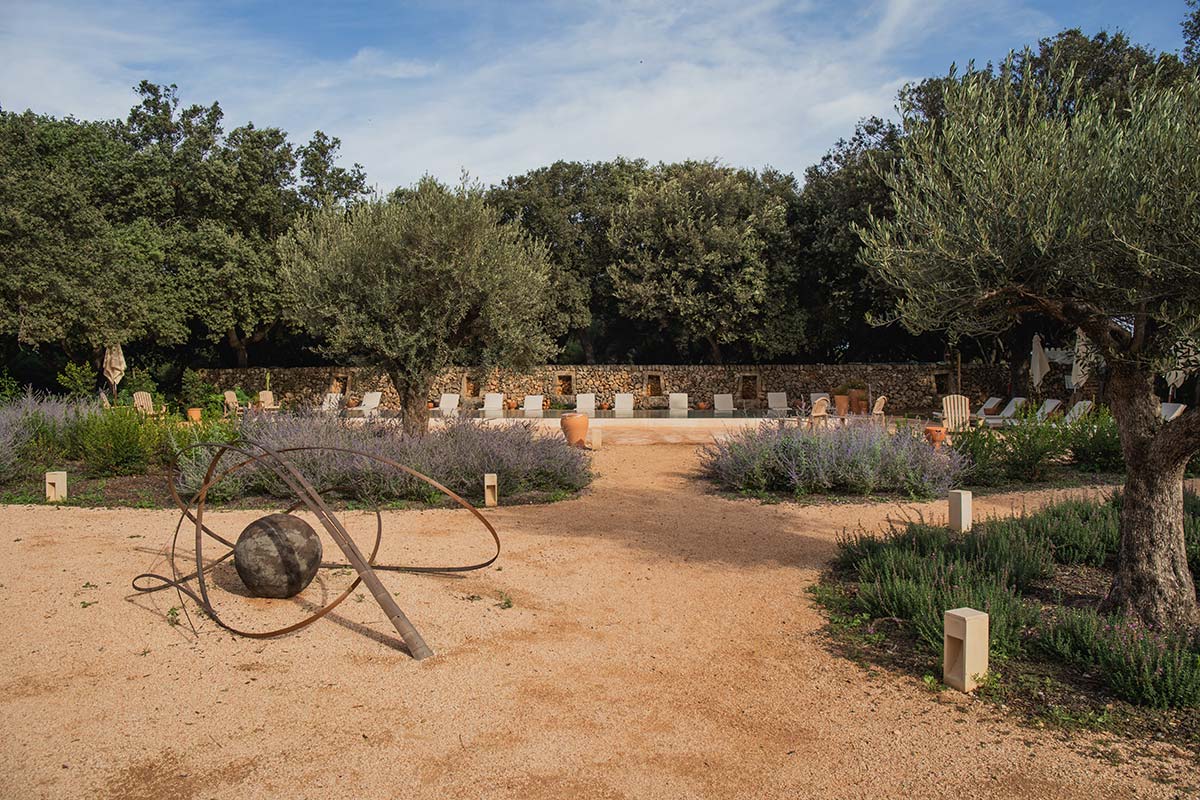
Majestic, protective holm oaks offer solace from both the sun and everyday worries. The transition from the woodland to the two buildings housing 19 rooms and 6 suites is facilitated by an extensive garden, newly designed by sculptor and landscape artist Álvaro de la Rosa Maura. He carefully selected and arranged a fragrant, multifaceted “mosaic” of species native to Menorca.
The authenticity sought by the owner, who personally oversaw the hotel’s transformation project alongside a team of designers and artisans, is evident in the native plants, natural and local materials, exquisite craftsmanship, and the island’s ‘poc a poc’ (little by little) pace of life – «the best definition to describe its lifestyle: slow, calm and in deep harmony with its surroundings».
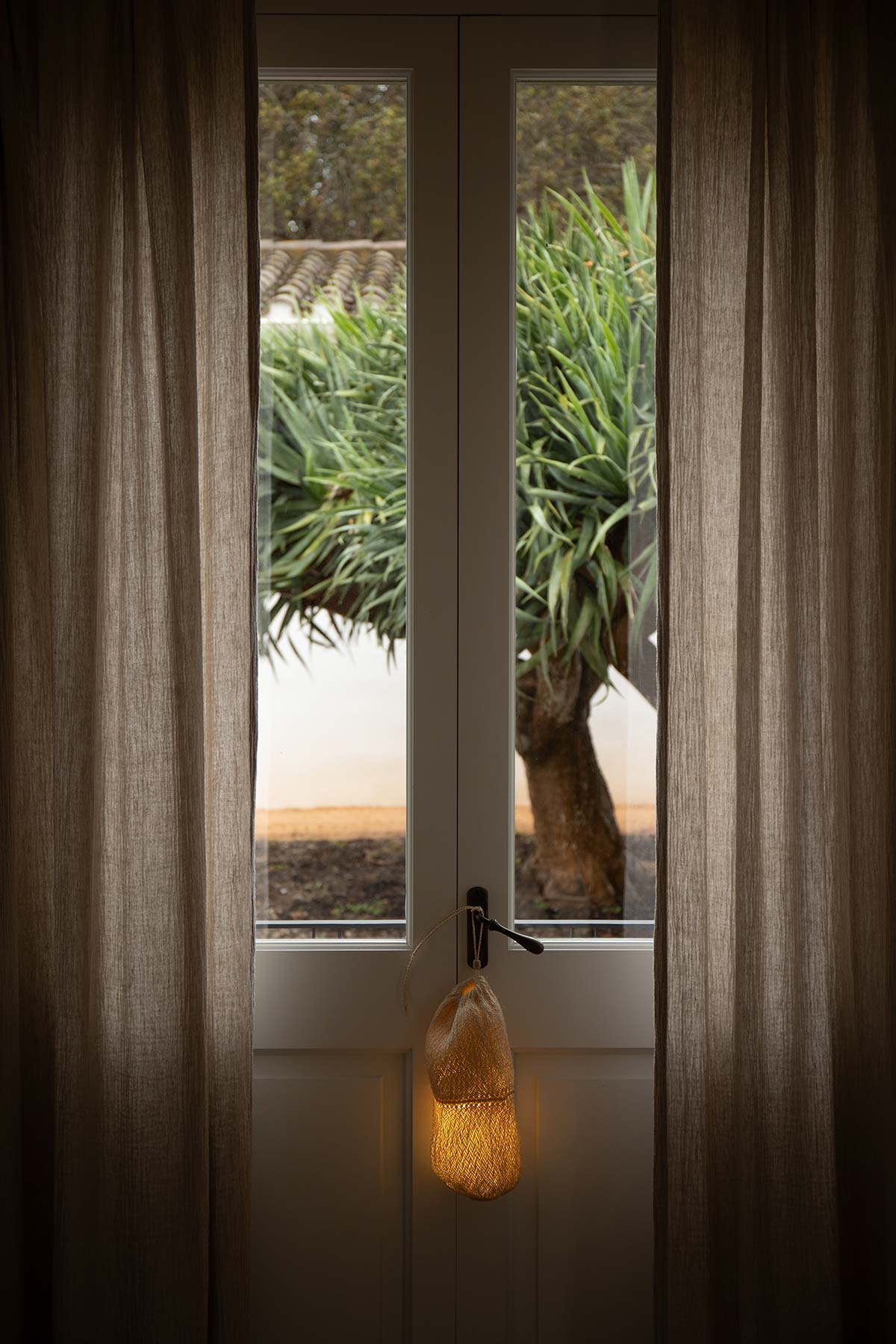
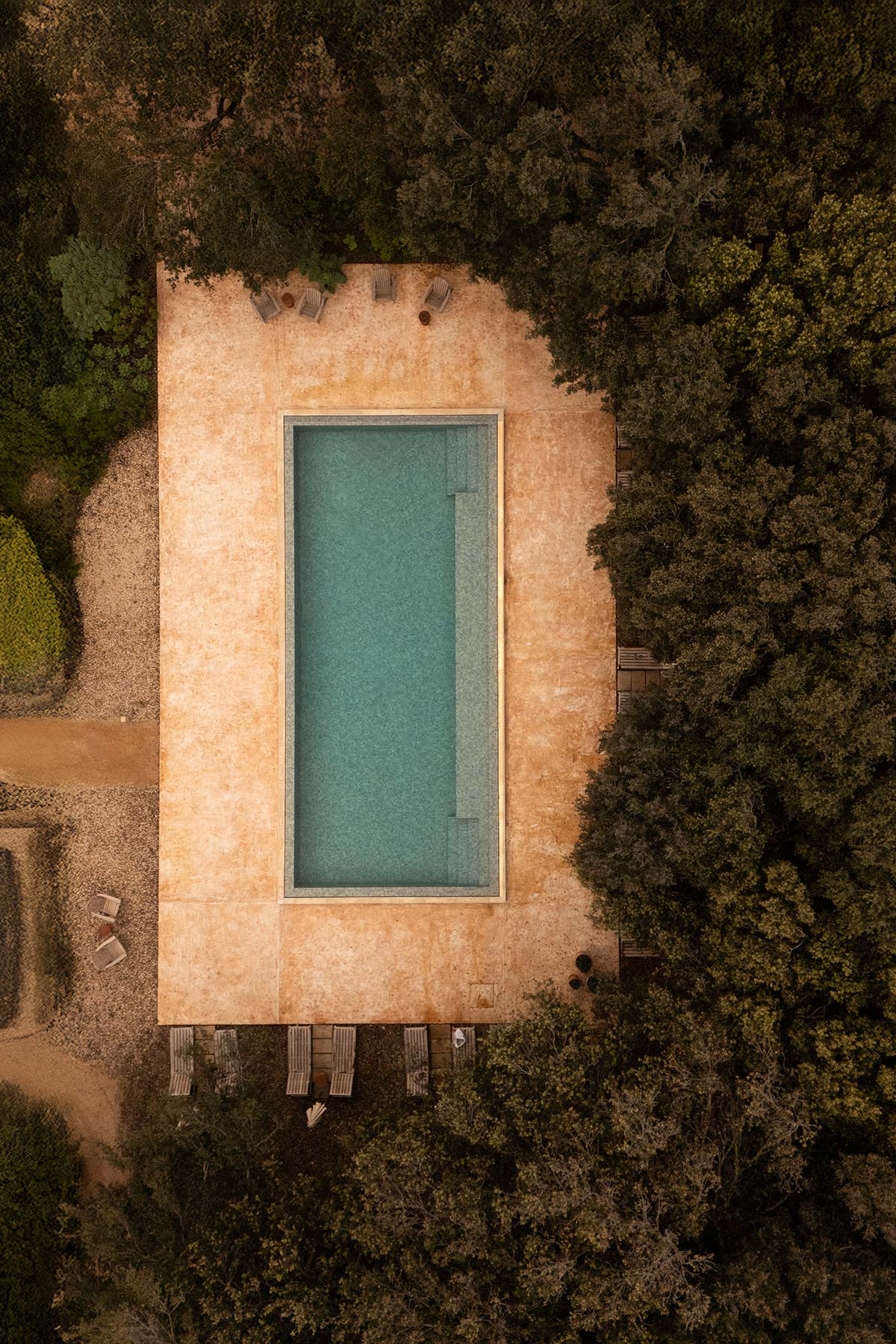
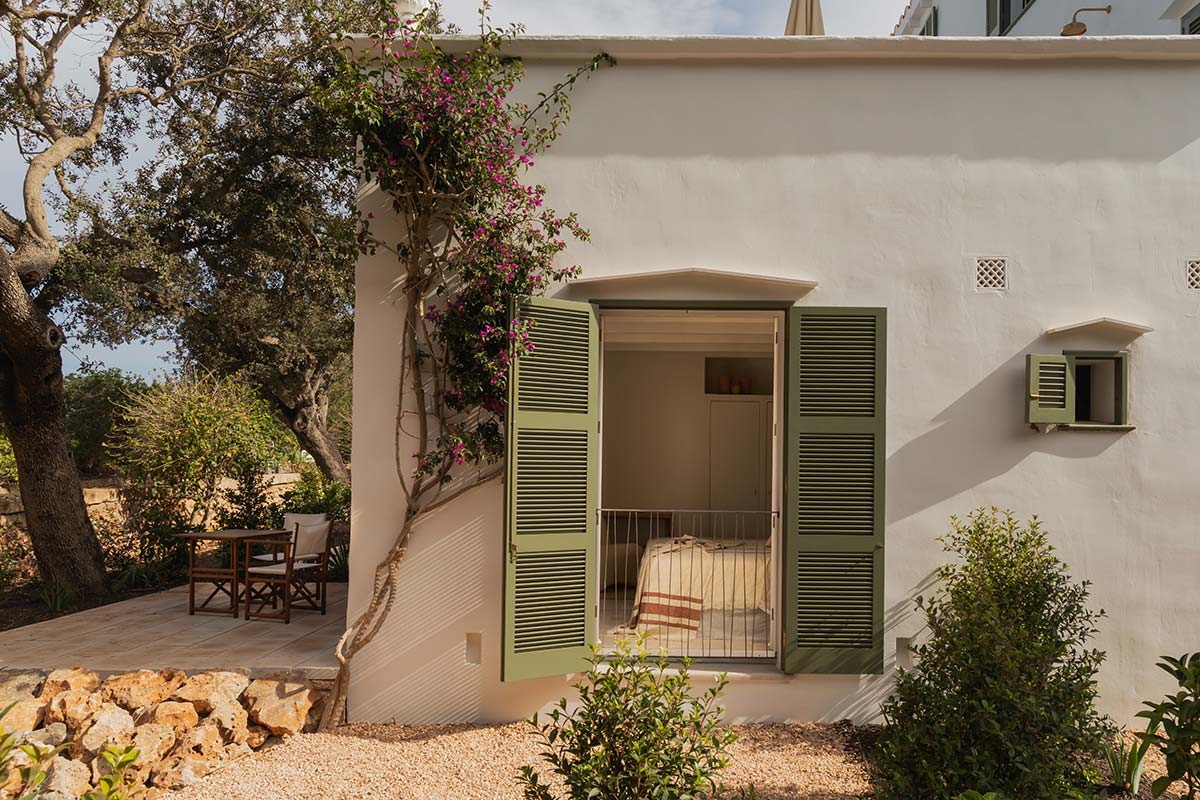
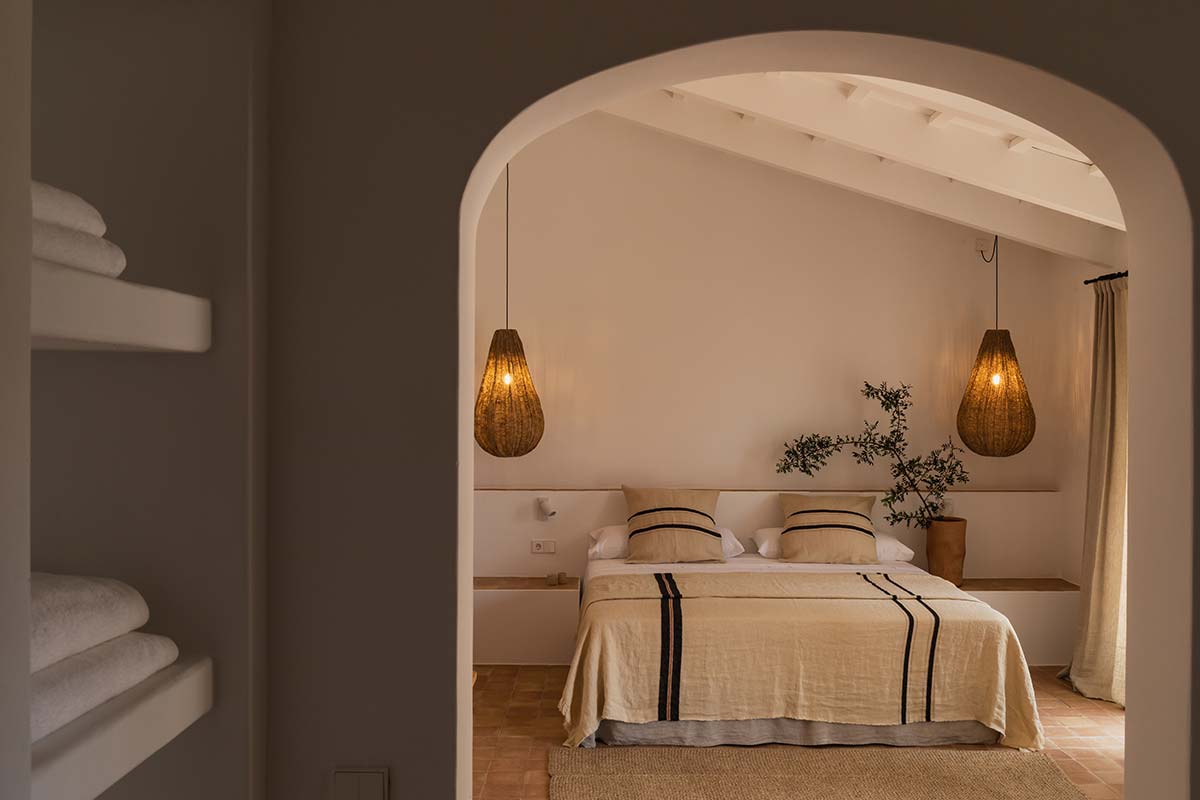
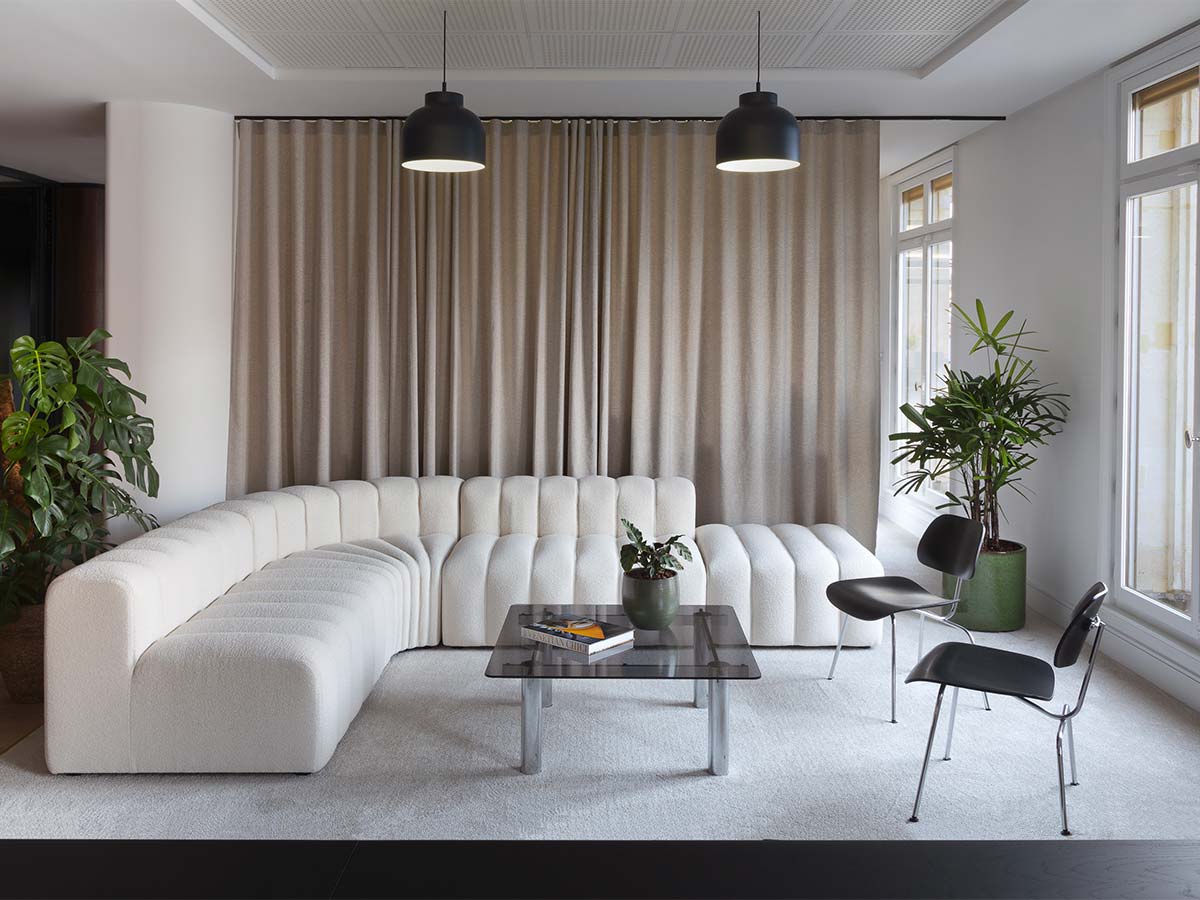
This commitment translates into the luxury of slowness, expansive private and communal spaces, bright and luminous atmospheres, and outdoor areas that seamlessly extend the rooms into the garden. The interior decor features understated yet elegant pieces, essential masonry structures, meticulous attention to detail and objects, and organic materials in soft, earthy tones.
Examples include the Balearic Marés stone, olive wood for seating, hand-woven fig fiber for bed headboards, wheel-thrown clay, and natural fibers for lamps. Every element contributes to shaping and enhancing a refined hospitality project, carefully designed to offer a connection with nature and the built environment, an immersion in a magical and harmonious place. It is a true tribute to Menorca.