Western narratives, often fixated on the top-down development of rapidly expanding metropolises – carving verticality into skylines and broader horizontality into urban plans – tend to overlook the other side of the Arabian Peninsula. This more authentic facet, pulsating with a complexity still misunderstood in the Global North, is precisely where younger generations of designers are focusing their efforts. Paola Sakr and Datecrete, Alijoud Lootah, Aisha Al Sowaidi and Altqadum, Elias and Yousef Anastas and Civil Architecture, are all products of this era. Some are based in Qatar, Oman, or Bahrain; others were born in Lebanon and work in the Emirates, or originated in Bethlehem before moving to Paris. Yet, all remain deeply connected to their homeland. Regardless of where they are, they return to experiment with new spatial practices and perspectives that can influence the collective imagination.
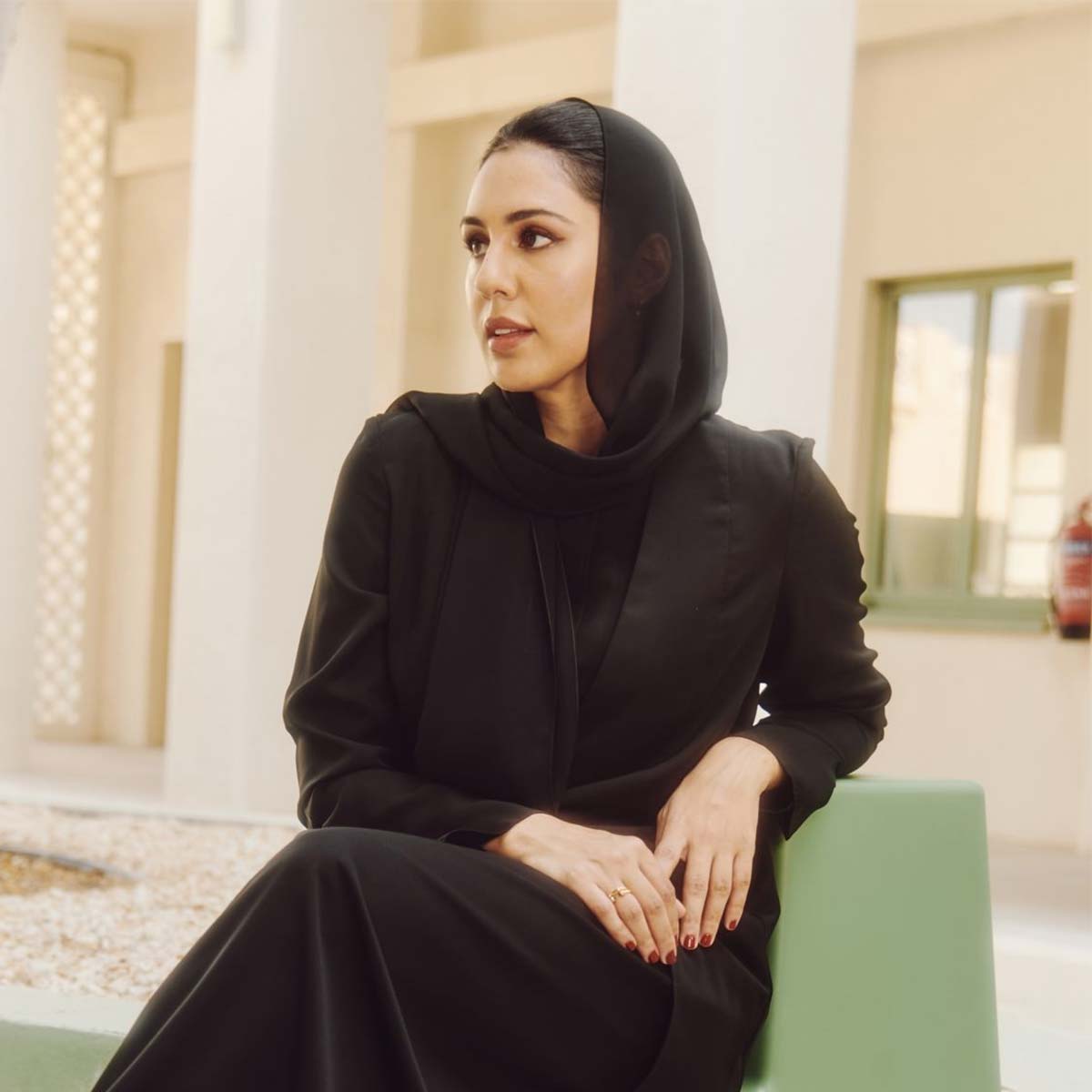
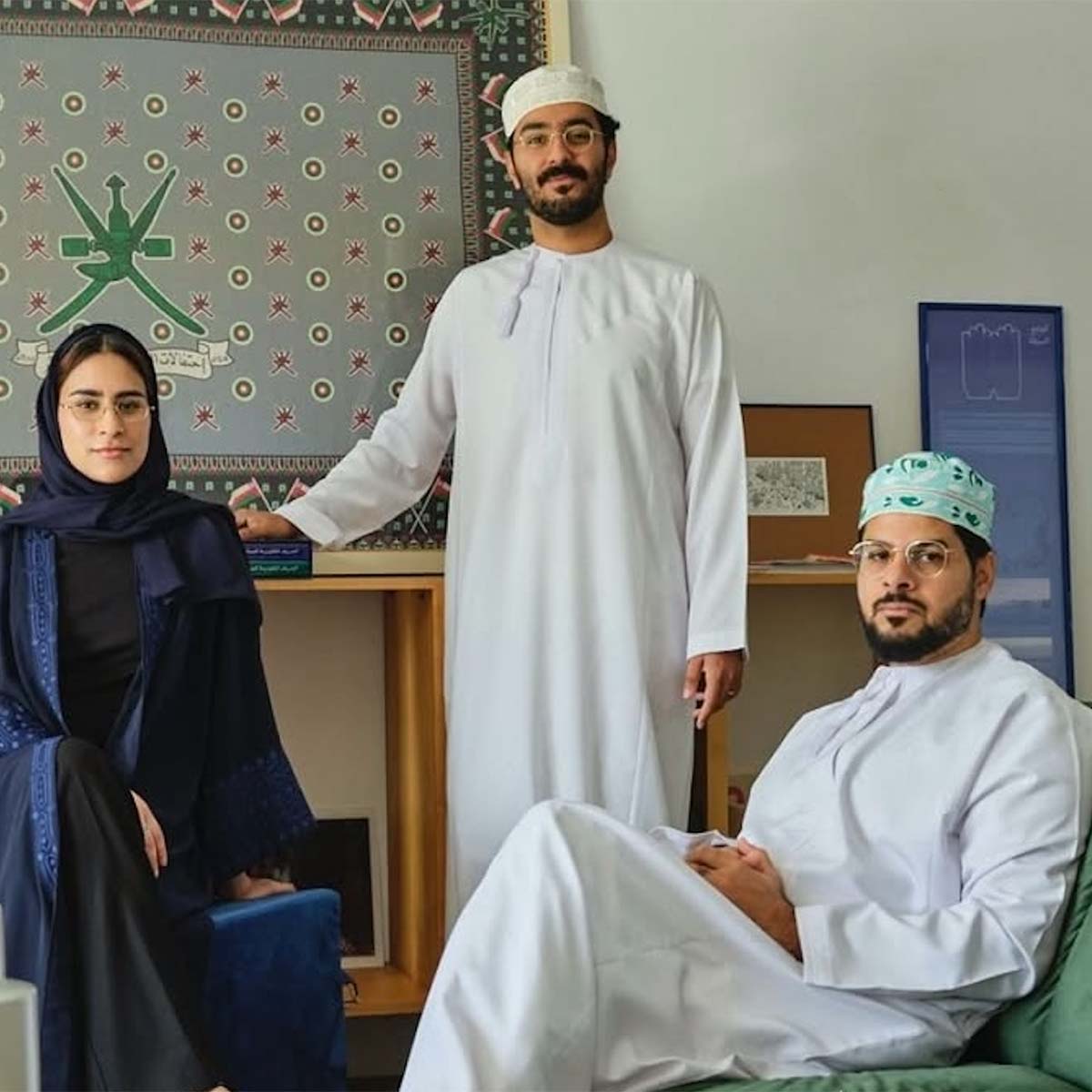
Aisha Al Sowaidi
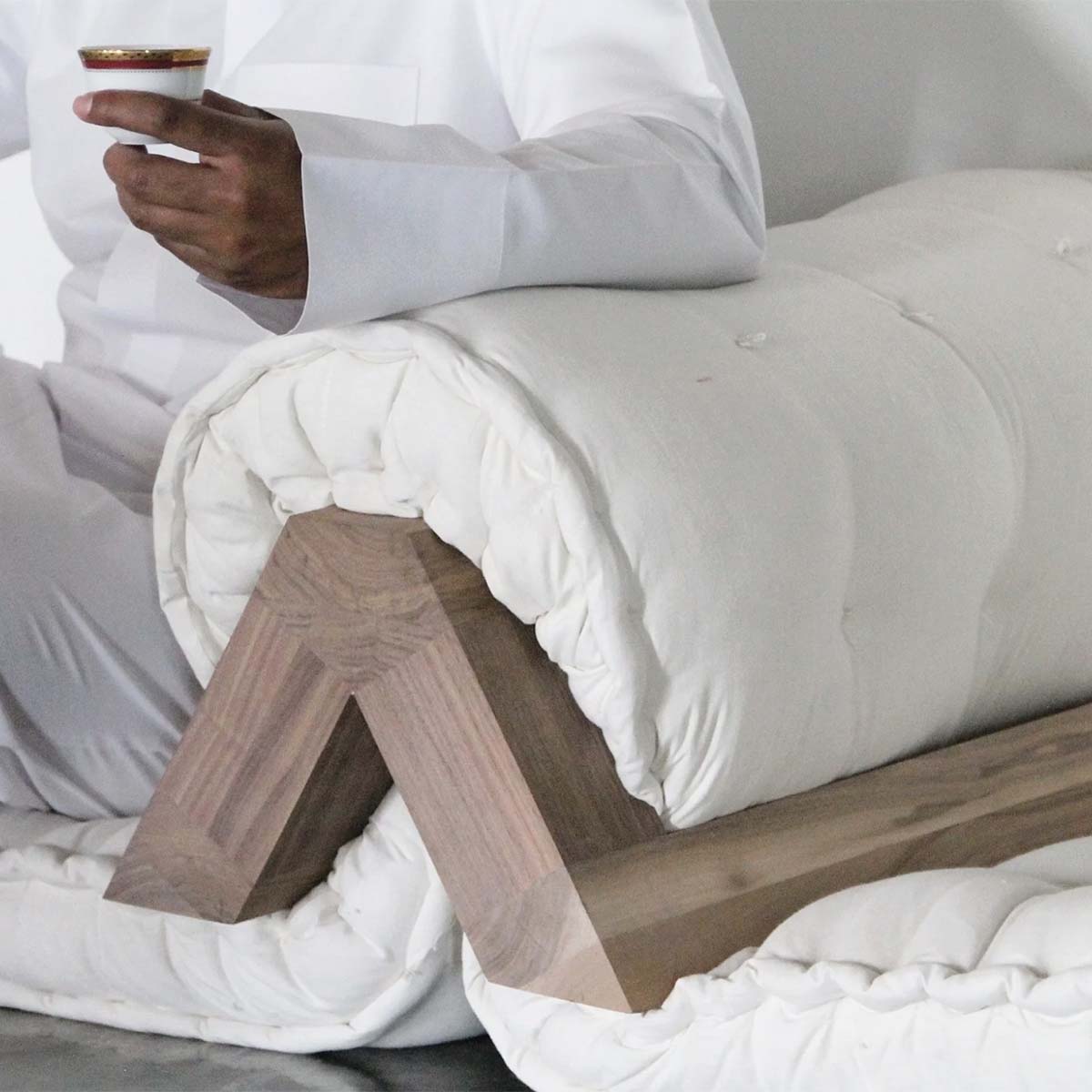
Takaya, design Aisha Al Sowaidi
Among the most persistent clichés, as a group of highly knowledgeable curators explained to us later in these pages, is the one that portrays Arab culture as monolithic. Arabs are not all the same; they are not a single people with one religion and one way of life. This simplification flattens an incredibly rich and diverse region encompassing numerous geographies, languages, histories, and identities. The Arab world stretches from the Atlantic to the Gulf, including urban metropolises and rural villages, deserts and coastlines, modernity and tradition – all coexisting in complex, sometimes contradictory ways. «To claim that the Middle East, outside of modernity, is constantly ‘lagging behind’ the West, is to ignore that the region has long been a place of intellectual, artistic, and scientific innovation, and that its cultural output today is profoundly contemporary, globally connected, and self-aware», states a noteworthy excerpt from an interview with Rana Beiruti. «It is the West, therefore, that must make the effort to ‘catch up’ with what is already present here».
Altqadum
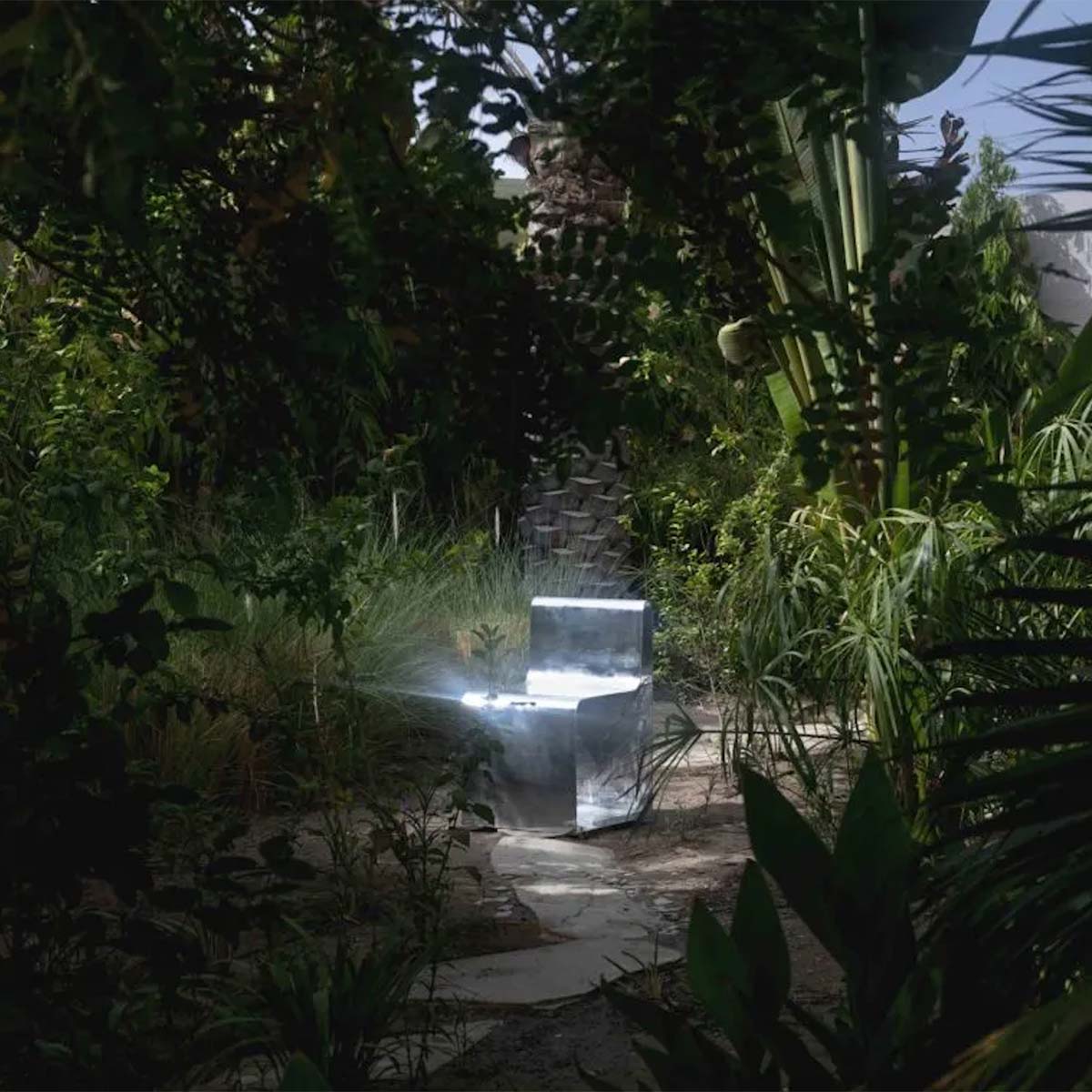
Bariid, design Altqadum
Let’s try by delving into the pages of Beatrice Leanza‘s volume, ‘The New Design Museum: Co-creating the Present, Prototyping the Future’ (Park Book), where the author aims to elevate the discussion. Engaging with a poly-crisis like the one we are currently experiencing – where climate, migration, and resource scarcity issues directly impact specific locations – means viewing the state of design not merely from a global perspective, but from a planetary one. Today, designing means working with precision and careful attention to the context of intervention. It means framing the narrative around younger generations in terms of ‘situated practice’: work rooted in concrete contexts to foster genuine connections among the communities that inhabit them. This applies everywhere on the planet, especially in the Arabian Peninsula, and the examples within these pages bear witness to this.
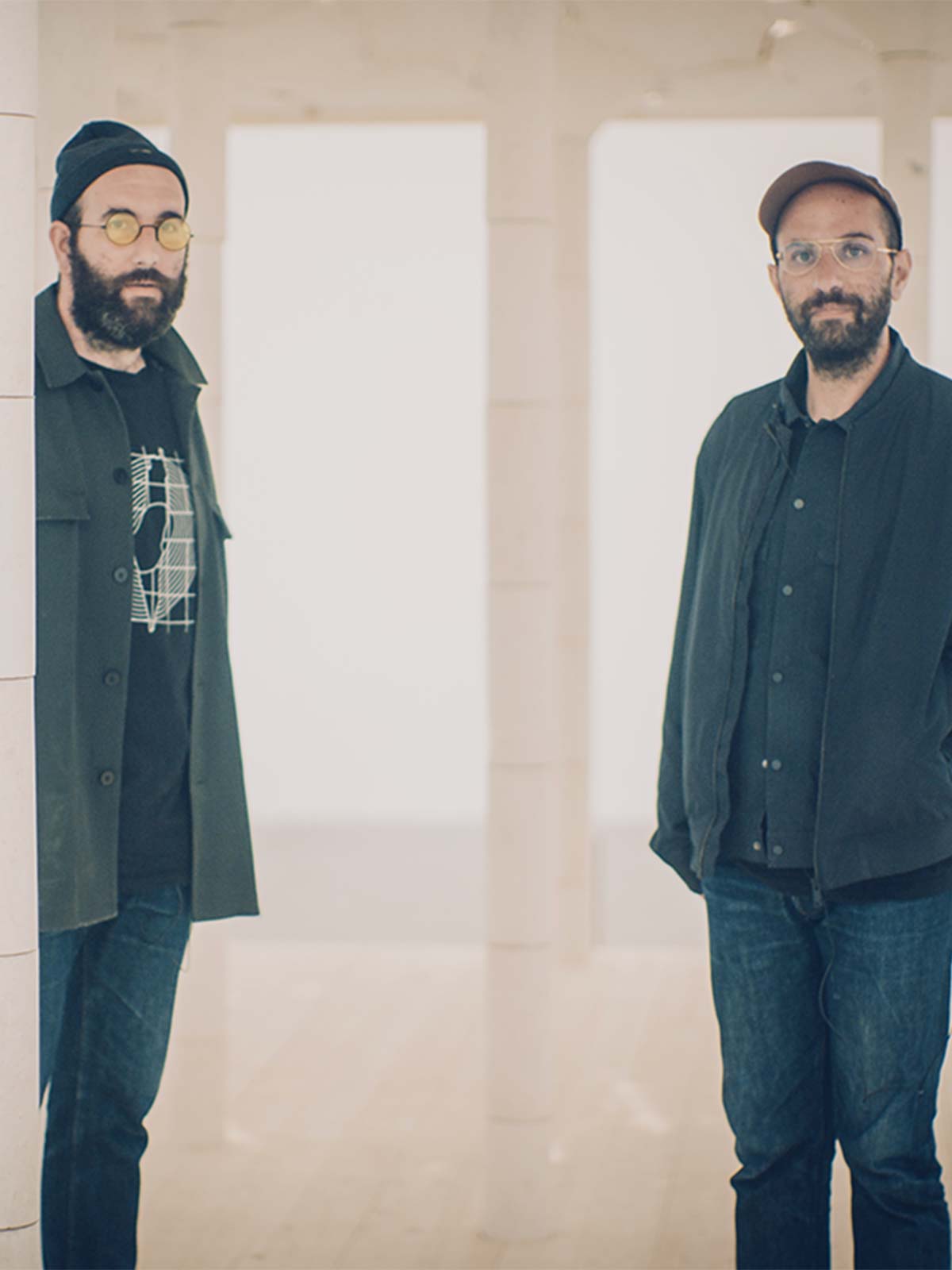
Studio Aau Anastas
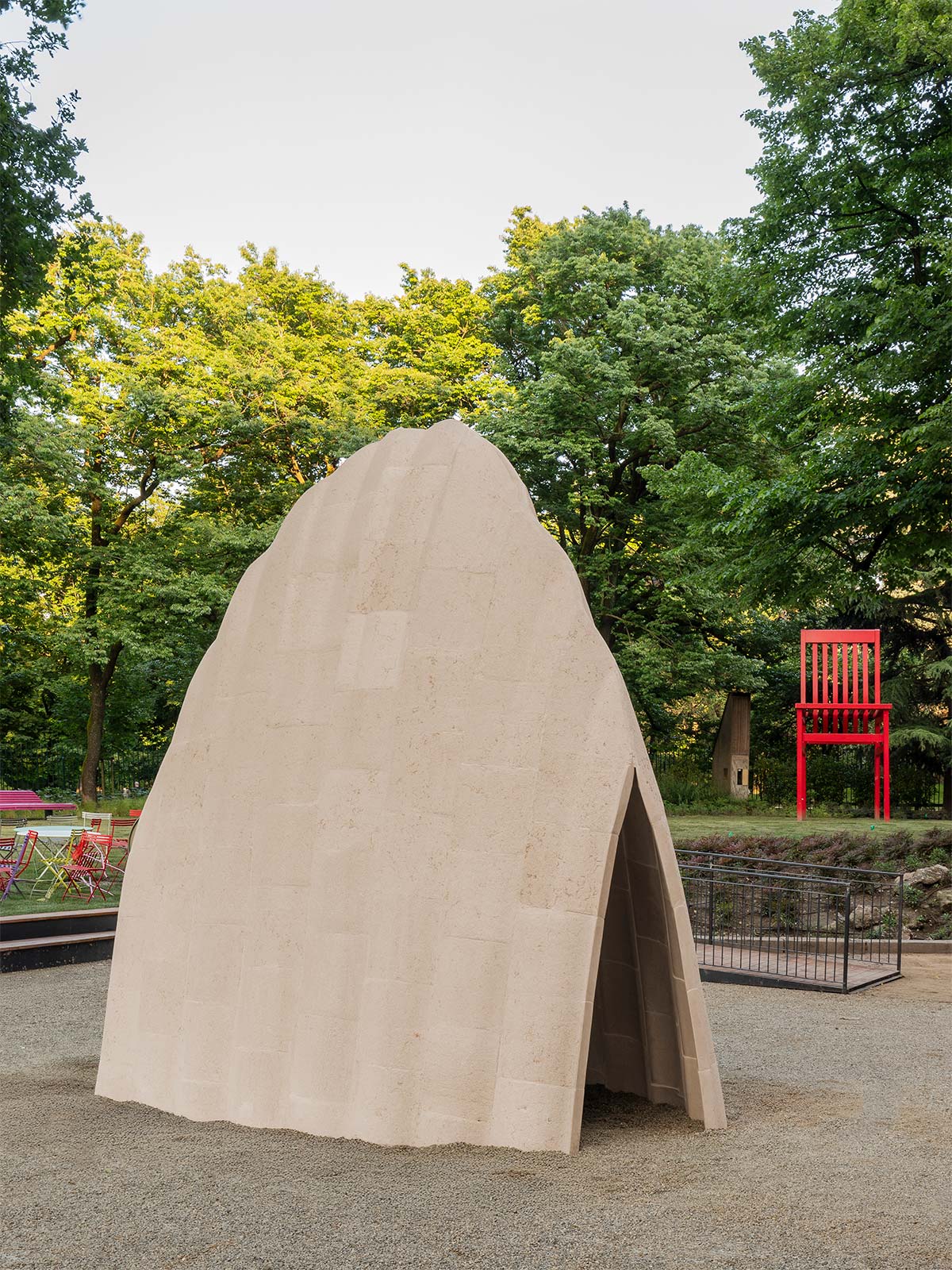
Tiamat, design Aau Anastas – Photo © Triennale Milano
This brings us to the particularly interesting Tiamat research project, led by Elias and Yousef Anastas of Aau Anastas studio, which explores the use of stone in contemporary architecture. Crafted using stereotomy – and exhibited in the garden of the Triennale di Milano for the XXIV International Exhibition – its ribbed vaulted form, reminiscent of desert dunes, draws inspiration from the arches of Palestine, Syria, and Lebanon. Inside, light, sound, and climate create a suspended, protected atmosphere that encourages reflection on extractivism and more resilient construction models. It’s about caring for the local to impact the planetary system.
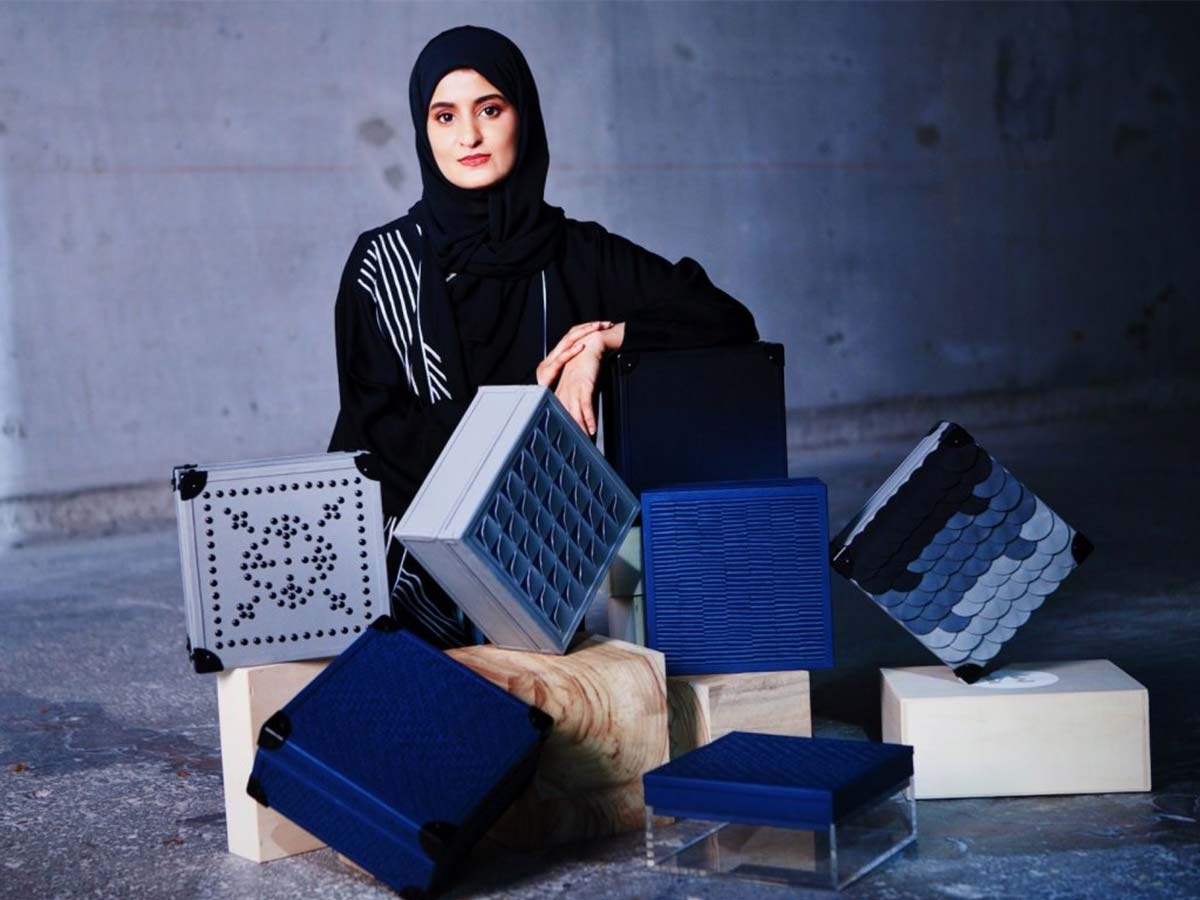
Aljoud Lootah
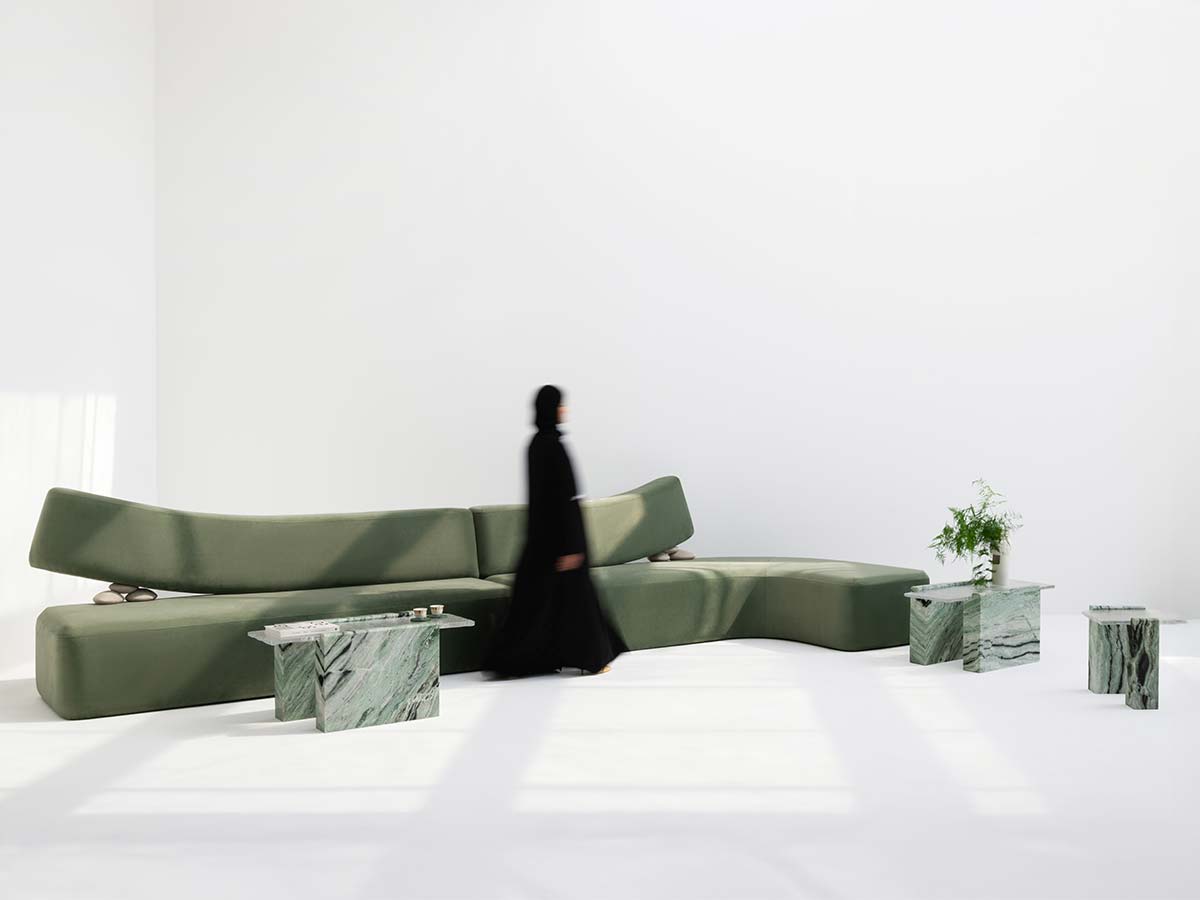
«I feel a responsibility to represent my culture with integrity: challenges abound, but it’s also an exciting time to shape narratives that are authentically ours», writes Alijoud Lootah, introducing her Falaj furniture collection. «I was inspired by the traditional irrigation channels (aflaj) built to bring water and life to different areas of the Emirates. These systems weren’t just practical; they were a symbol of community and cooperation». The sofa’s form translates the theme of interconnection into a linear development that then becomes sculptural. «I wanted each piece to convey a sense of delicate flow, following the invisible paths of water and human connection».
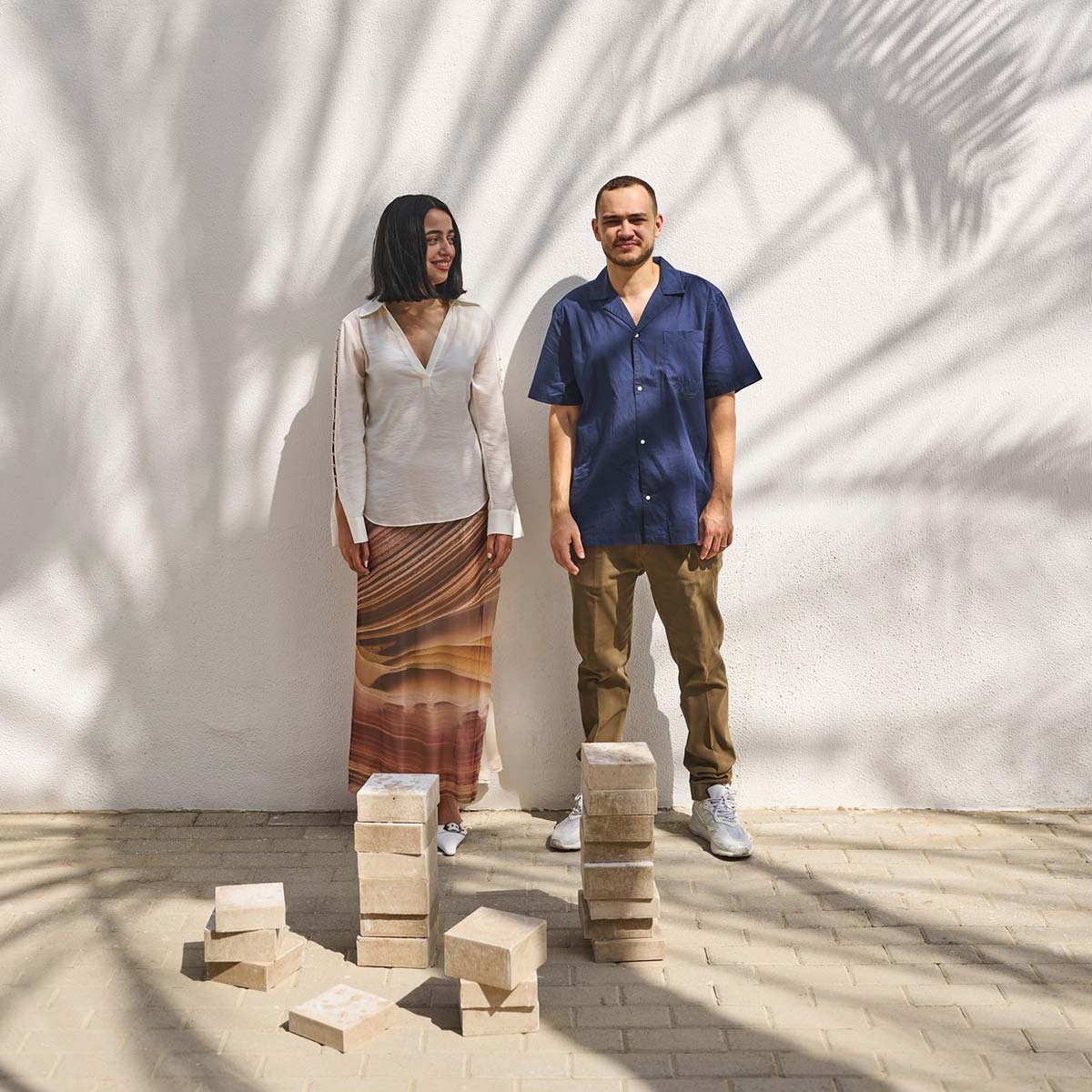
Datecrete Studio & Lab
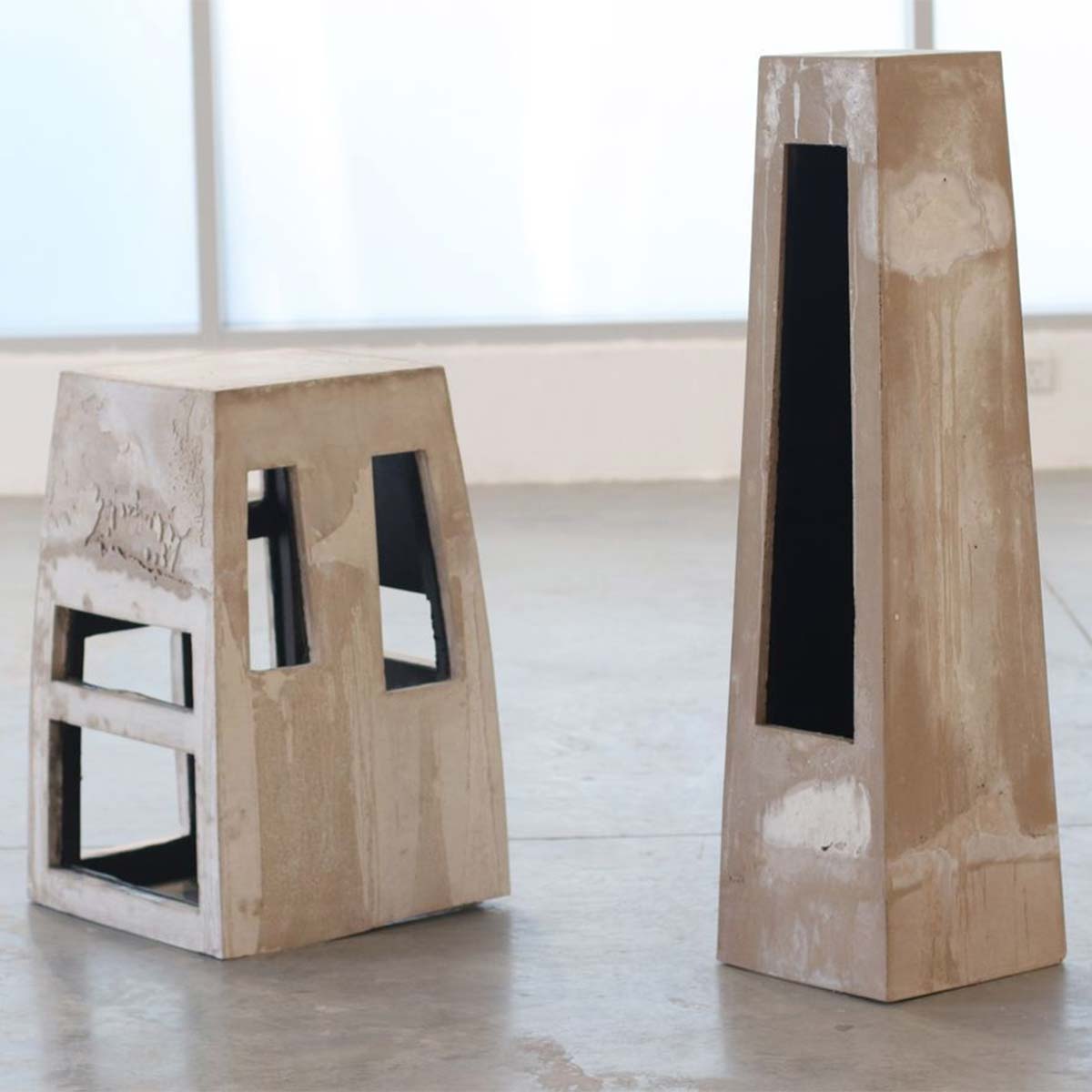
Greener Pastures, design Dacrete Studio Lab
Design is also about flows for Sara Farha and Khaled Shalkha of Datecrete: «For us, working in the UAE today means slowing down, valuing industrial waste streams, and transforming them into resources. This starts precisely with what happens in territories rich in raw materials. It’s also about challenging the homogenization of material use by the construction industry and pushing it towards a more sustainable hyper-contextualization», the designers explain. «Part of the collective exhibition ‘Getting over the Color Green’, our pieces stem from a reflection on urban landscapes, whose forms are a consequence of a colonial legacy no longer in tune with the complexity of cities». It’s time to slow down in Dubai too, and to reuse, just as Paola Sakr masterfully does with her Blush furniture series for Fragmenta, giving a second life to waste marble: travertine blocks in her hands become comfortable indoor poufs.
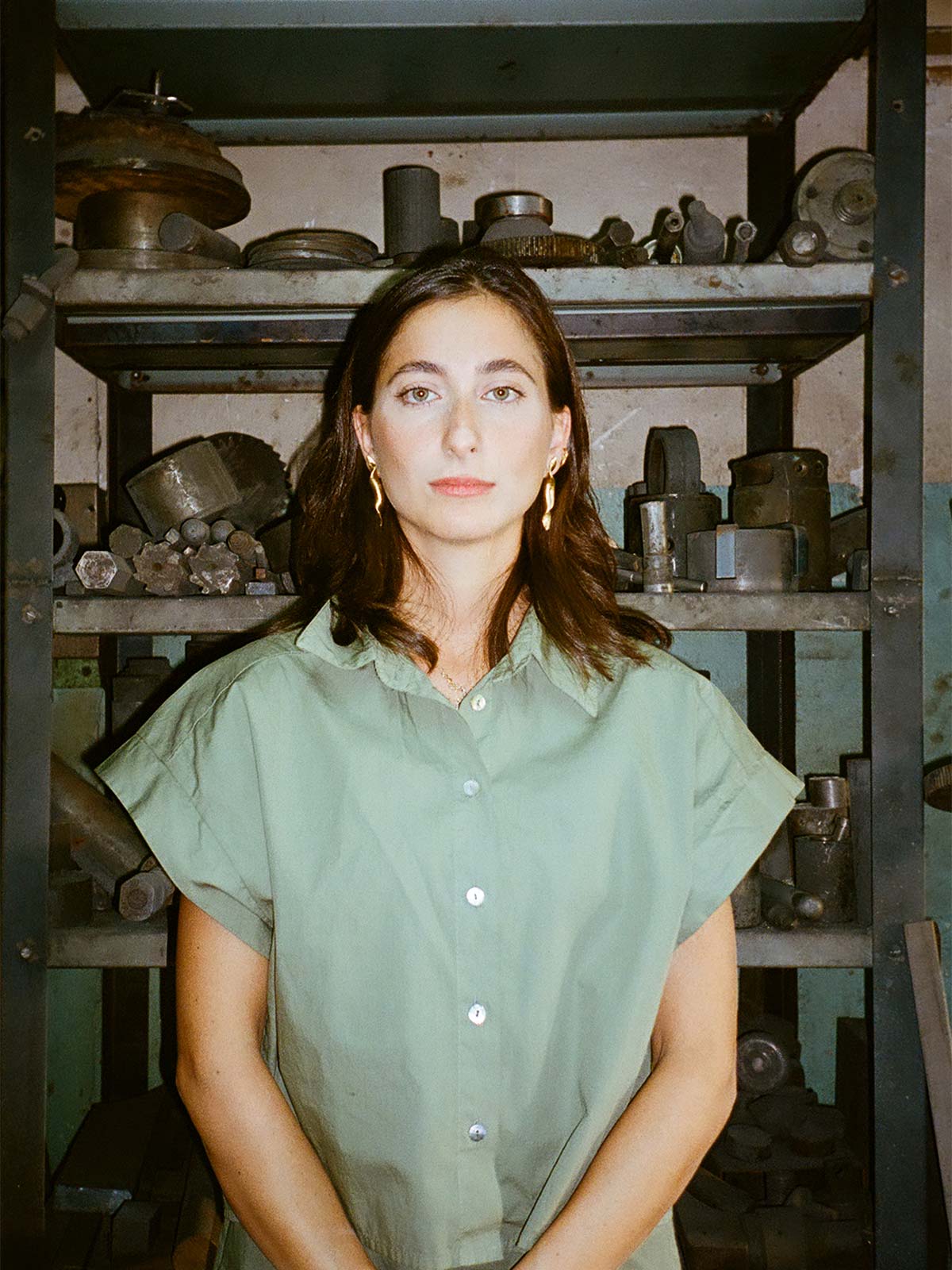
Paola Sakr
Photo © Anthony Saroufim
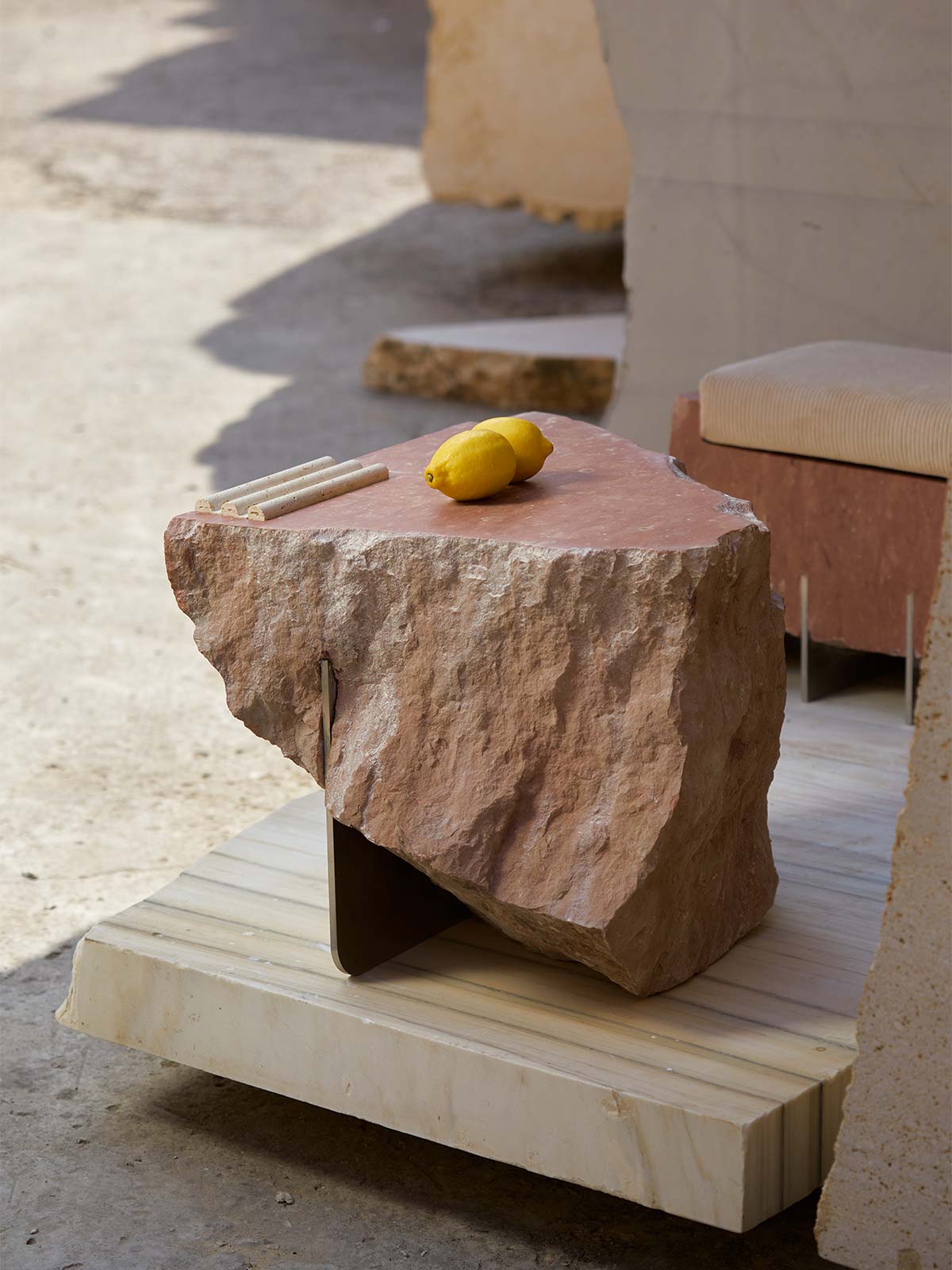
Blush, design Paola Sakr – Photo © Marya Gazzaoui Alameddine and Charbel Saade
«If we were to ask Babur, founder of the Mughal Empire, what paradise is, he would describe it as a series of precisely arranged gardens of fragrant flowers and fruits», conclude Civil Architecture, the Bahraini collective that questions what it means to produce architecture in an era they themselves define as decidedly ‘uncivil’. «Paradise is a constellation of trees, a procession of fruits, flowers, and waterways, an idealization». This is why their work focuses on Garden House models. They start from nature, hoping to codify a living model capable of truly balancing humanity and the environment, even at these latitudes. «But are we truly free to live as we wish?» they ask. A question that is not only highly relevant but planetary in scope.
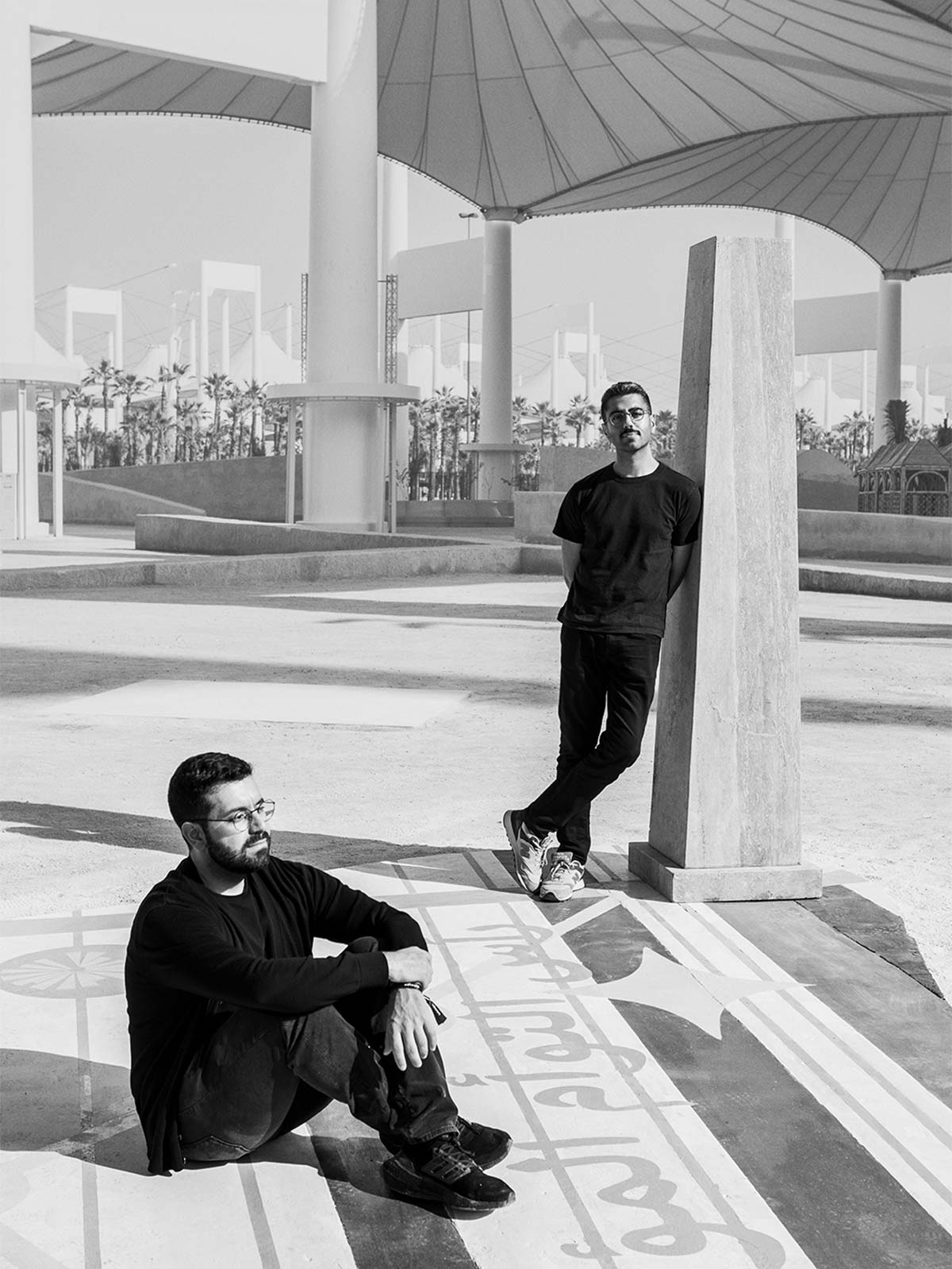
Civil Architecture
Photo © Marilyn Clark
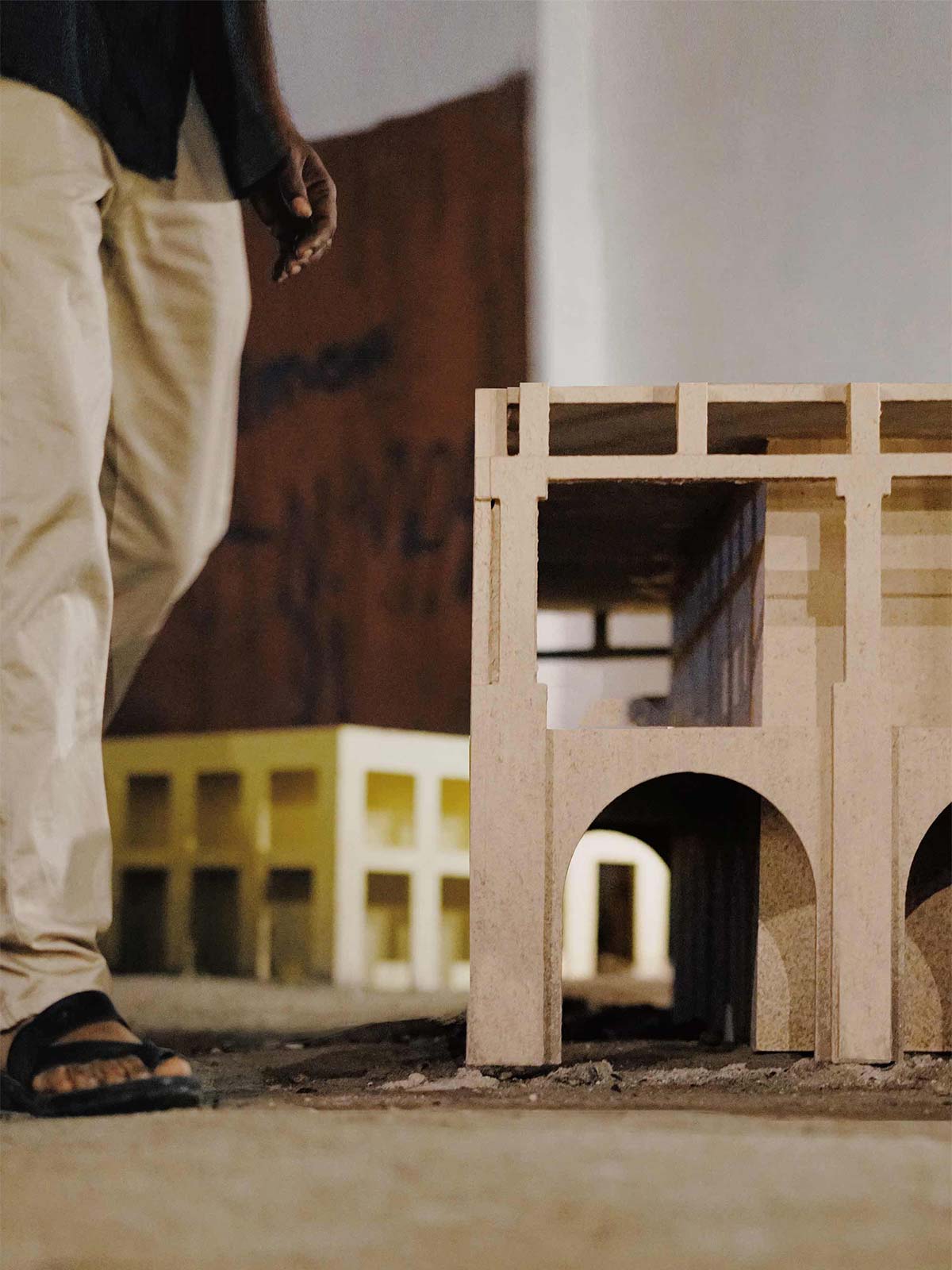
Objects for a Painless Past, design Civil Architecture
Photo © Hamed Bukhamseen, Ali Ismail Karimi