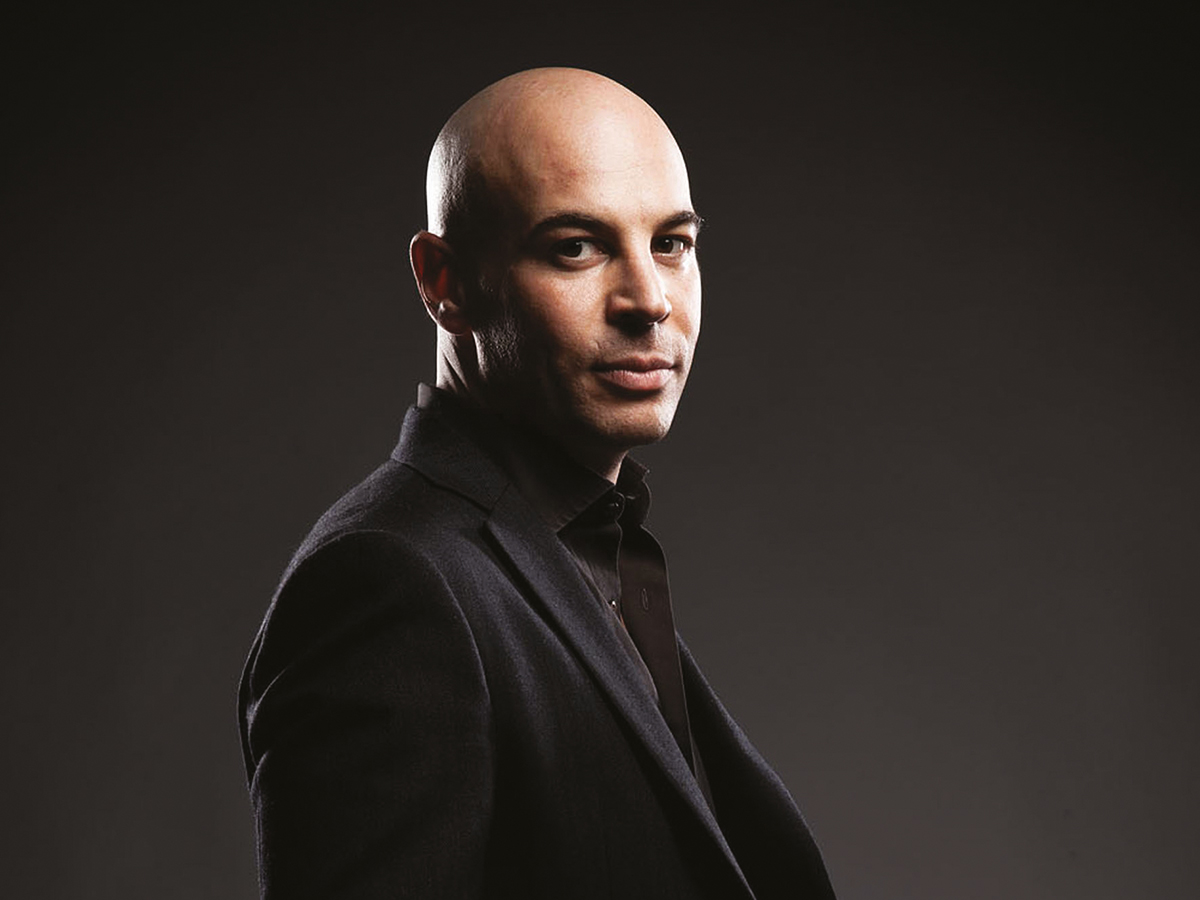
«I’ve always had an immense attraction to objects, mechanics, cars, boats; ever since I was little, I drew boats and cars everywhere». For Christian Grande, this early innate passion quickly transformed into talent and professional commitment in the nautical design sector, where, over the years, he has built a highly credible profile and creative vision, solidifying close collaborations with brands like Cranchi, Invictus, and Sacs. But during the same years, he also ventured beyond yacht design, undertaking projects for private residences and hospitality, such as the Grand Hotel Castrocaro, the Via Roma by Cracco restaurant, the Lucid Club in Milan, or the Ca Beba complex currently under construction in Boavista, Cape Verde. This multidisciplinary and versatile design capability is made possible by the continuous osmosis between different fields and stimuli: «a migration of knowledge that is extremely valuable for us; it gives us a significant degree of freedom». And also by an irresistible inclination for drawing and sketching, «a brainstorming phase with myself».
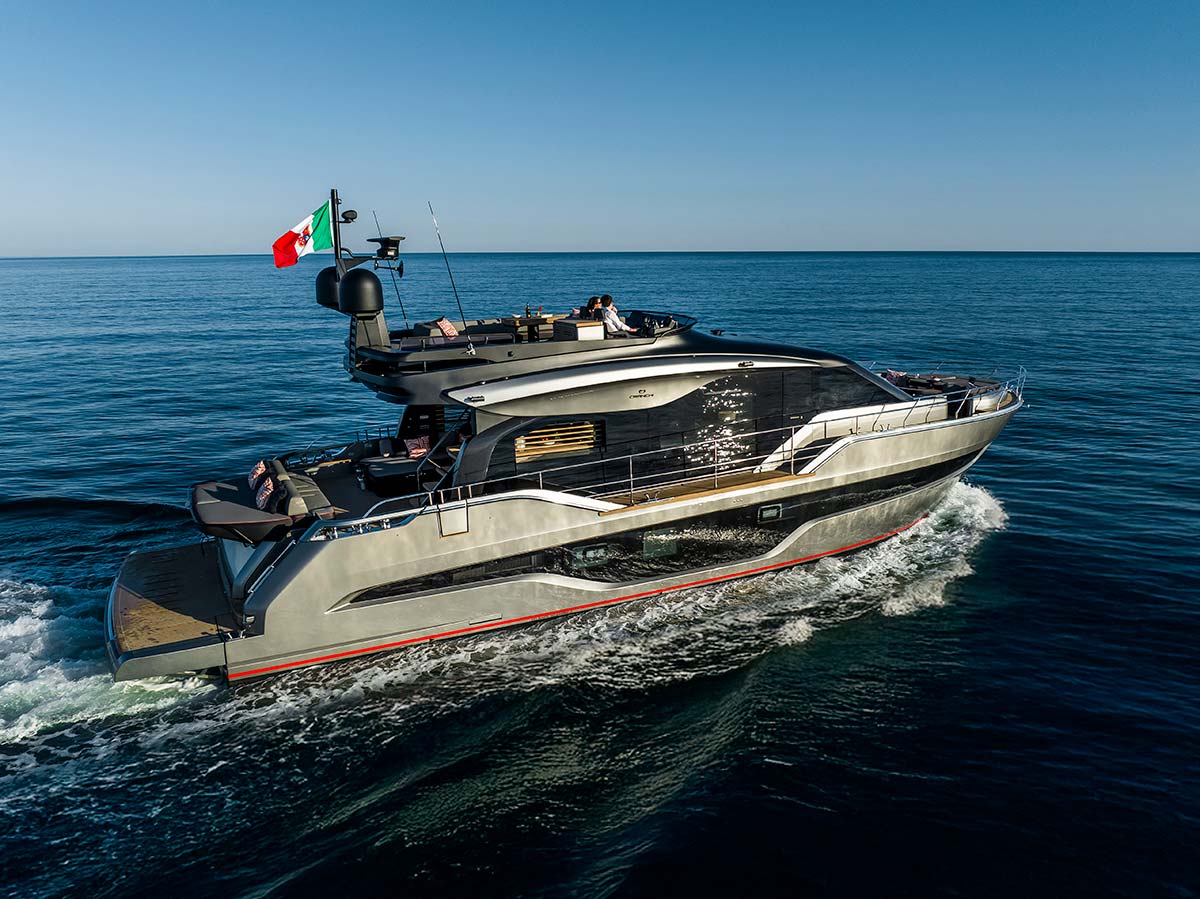
Cranchi 67 Corsa HR
How would you tell the story of your studio, and what project stands out as the most significant in its history?
I’ve always had an insatiable fascination with objects, mechanics, cars, and boats – ever since I was a child, I’d draw boats and cars everywhere. My passion was automotive design, and I went on to study car design in Modena, where I was eventually even offered a teaching position. My thesis involved designing a new range of two small boats, a 19-foot and a 21-foot model, a project that was sea-tested for Sessa Marine. I opened my first studio in Milan, and for nine years, 80 to 90 percent of my work was in nautical and product design, as other opportunities arose after Sessa Marine. Later, I moved my studio back to Parma. The chance to work on residential interiors eventually came along, and today we design resorts, villas, and hospitality projects for clients both within and beyond the nautical world. We’re also focusing on products functional to boats, such as hidden steering wheels and cleats, as well as lifestyle products. The studio currently has 18 staff, along with external collaborators, and we are growing with many ongoing projects.
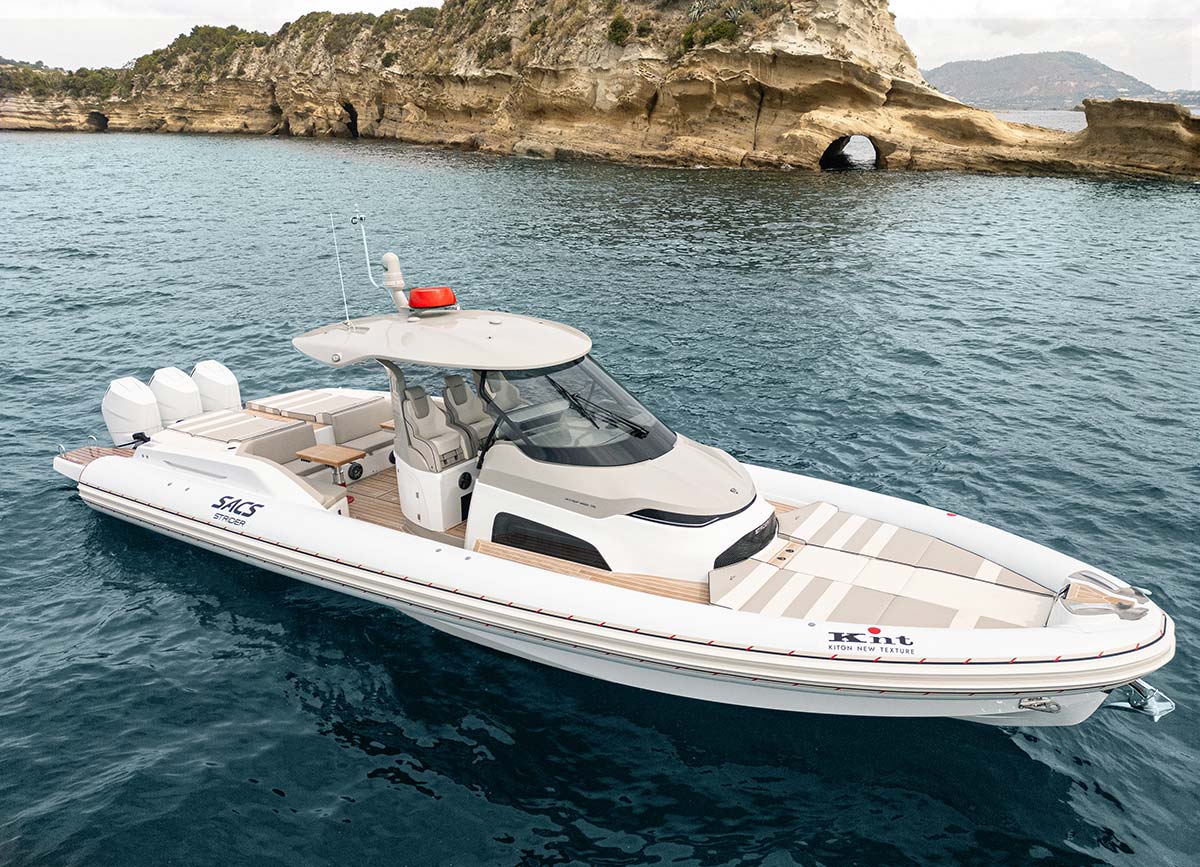
Strider 13 KNT
What is your design methodology?
Sometimes, our idea for a product emerges spontaneously. Other times, we begin by aligning on the brand’s strategy with the client. This allows us to contribute a less ‘contaminated’ vision, offering a fresh perspective to complement the company’s outlook, and sometimes challenging established ways of thinking or habits. This collaborative approach is enhanced by our diverse activities across various fields. With varied reasoning, we can transfer the value gained from one experience to other areas. This isn’t just about the product, materials, vision, or understanding different target markets, but about the strategy itself, because we understand the market dynamics. This “migration” of knowledge, stemming from the studio’s multidisciplinary nature, is incredibly valuable to us and grants us a significant degree of freedom, which is earned through client trust.
And what is your main strength?
The distinct style for each project is our core characteristic, something that has evolved from our extensive experience in both the industrial and nautical sectors. It’s crucial to understand who the client is, what they want to express, and whether the project primarily represents their identity or a specific function. Some brands convey pure function, others a family ethos, others ego. These are more or less pronounced expressions of different meanings, and we need to precisely understand our scope as designers. Our aim is not to impose our style too heavily, but rather to adapt it as a thought process, not a rigid visual signature. The risk is otherwise to distort a brand’s identity when our role should be to serve it.
What’s your relationship with the blank page?
It’s more like the terrible relationship the blank page has with me… because it never stays blank! I adore hand drawing. While for some it’s a form of technical definition, for me, it’s a pure language. Inspiration often comes from there; for instance, if I need to imagine a boat, it’s easier to start on a piece of paper, even a paper napkin at the table, with a free mind and no specific request. That’s how ideas develop, and I then transfer them to whatever project I’m working on. They are notes I have in my head that get translated onto the paper, a back-and-forth of thought that guides the drawing, a kind of brainstorming session with myself.
And for interior design, what’s your starting point?
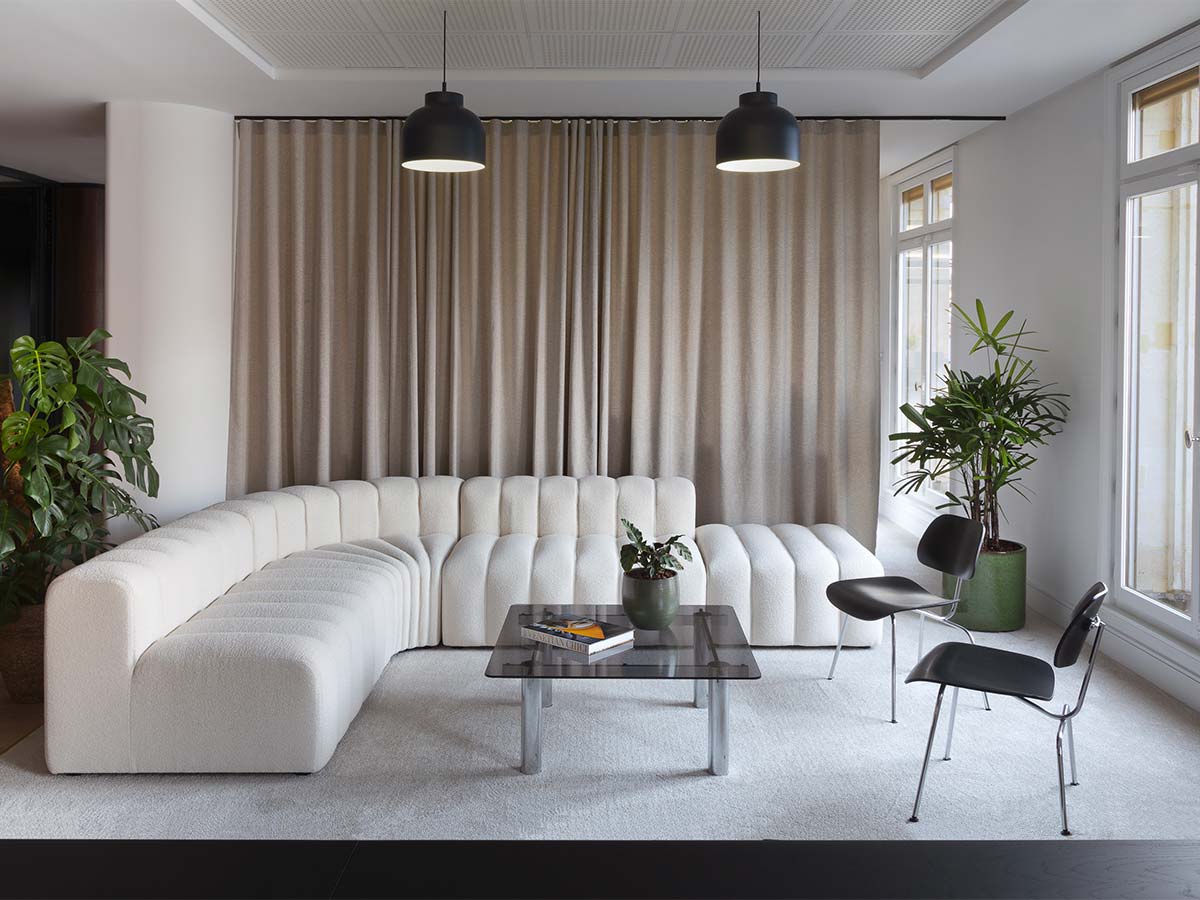
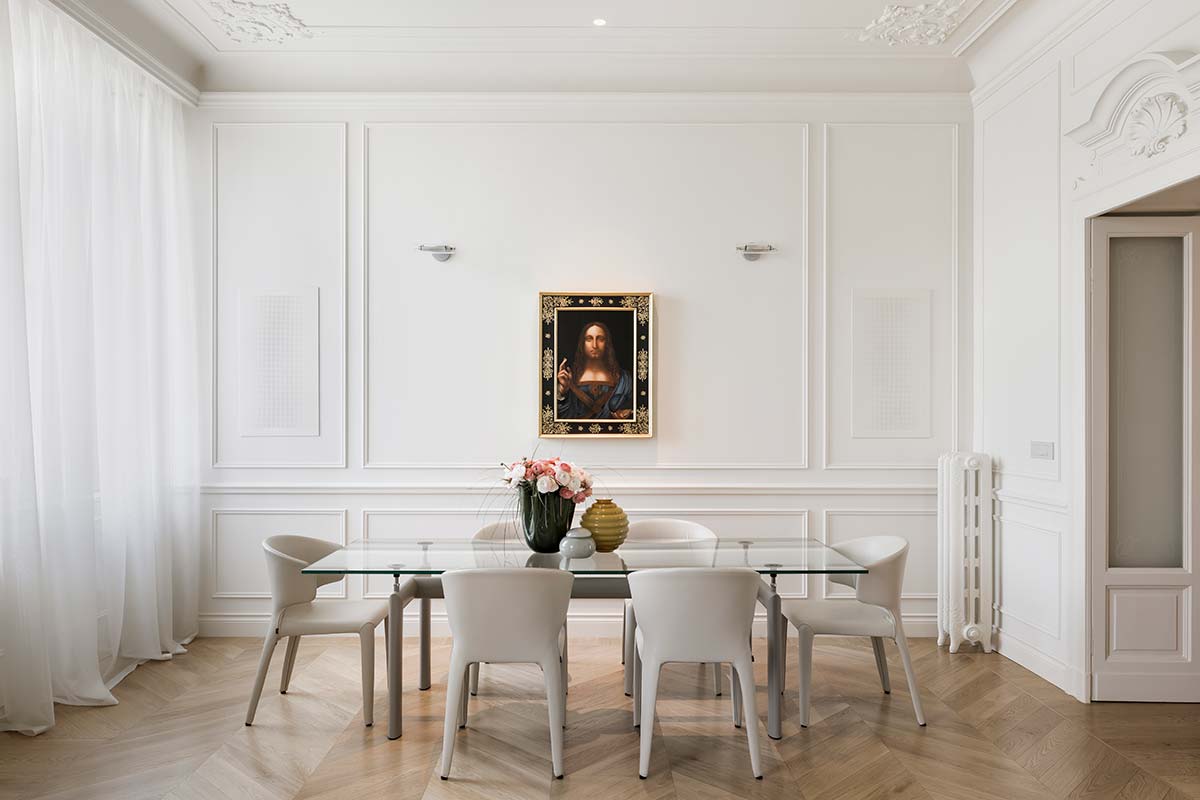
If I’m designing the interior of a building, with perceptions so expansive they’re hard to draw, I start by imagining specific areas, focusing on distinct views to generate the right impressions. Sometimes the idea might come from color; if color is dominant, the drawing and form take a back seat, because they shouldn’t overwhelm the color. For example, we recently completed an apartment in Milan where we played with an all-white scheme. We wanted to achieve a sense of “non-modernity” where the white intentionally conveys a classic approach. It’s a white where everything architectural, decorative, or plasterwork speaks of history and elegance, with the artwork and the space as the protagonists.
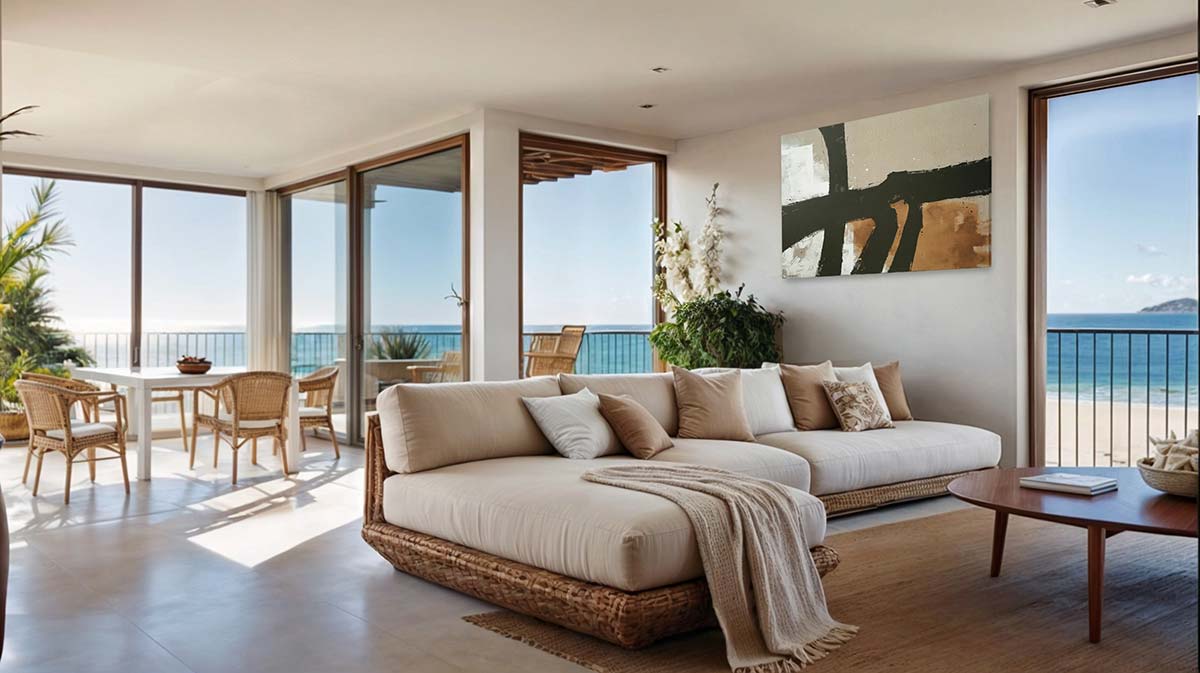
Cà Beba, Boavista, Capo Verde
Speaking of classicism, even the use of marble on boats is a reinterpretation.
I enjoy experimenting, combining values as if in a laboratory – what feeling can a modern product evoke with attributes, finishes, and materials from the past? An ‘eternal’ material on a fast boat, where I want to emphasize timelessness. For instance, with the use of Versilys marble on an Invictus, I wanted to reflect on today’s perception of speed against the timeless stillness of marble, reinterpreting it artistically, like a scratch inspired by the fast wave beneath the boat.
In the residential project in Boavista, the juxtaposition is instead between modernity and the natural context.
Exactly, placing modernity next to an exotic landscape isn’t simple. In a contemporary, almost urban beachfront building, the responsibility to create impact is high, so the choice fell on using natural materials for finishes and furnishings. Green walls, boiseries with raw materials, all with the intention of blending the architecture into the site as much as possible.
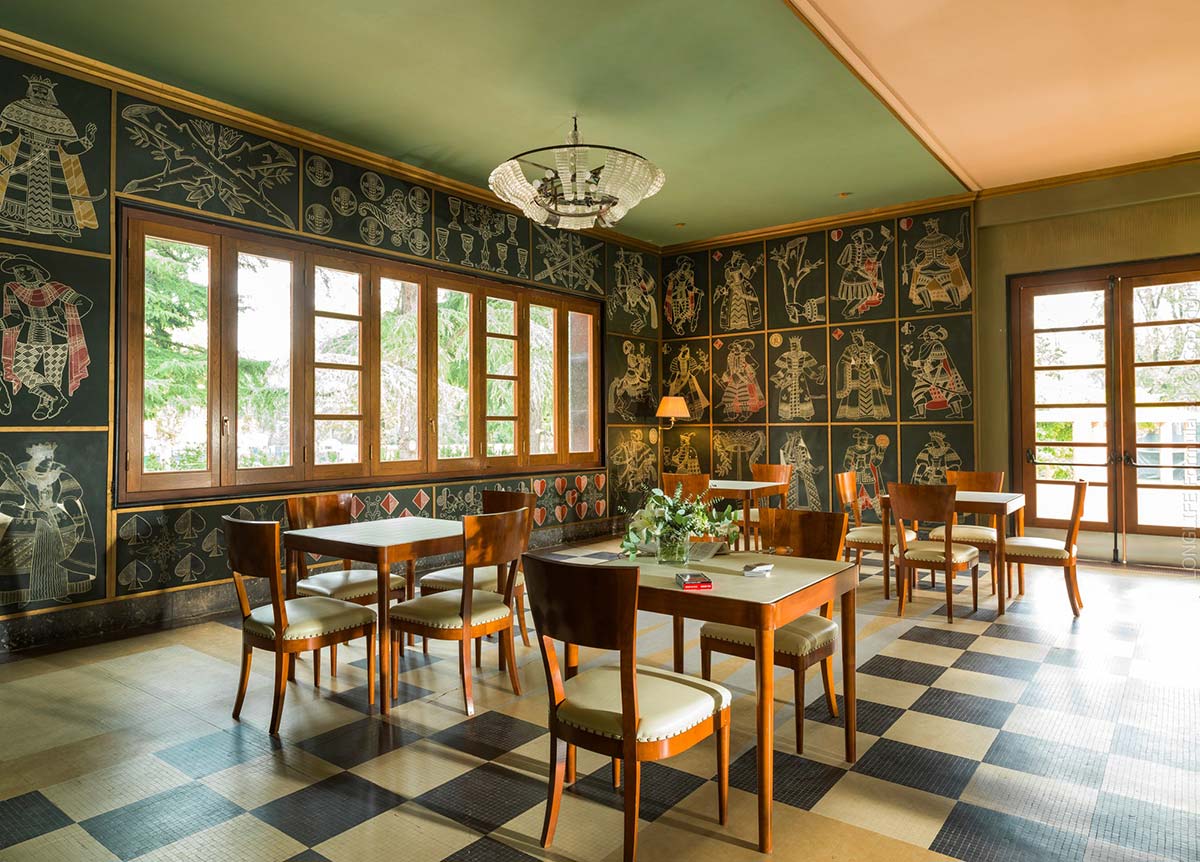
Grand Hotel Castrocaro, Castrocaro Terme, Forlì-Cesena
The project for the Grand Hotel Castrocaro also reinterprets the past in a modern key.
We worked on the original Art Deco-style project, giving significant prominence to the color green, directly inspired by the thermal waters, which are an intense green hue. This tone is echoed by the palm and olive park, the Verde Serpentino marble – used rough-cut on walls, polished on portals, and matte on the floor – and the green linen wallpaper. Different treatments bring out varying intensities of color and atmosphere.