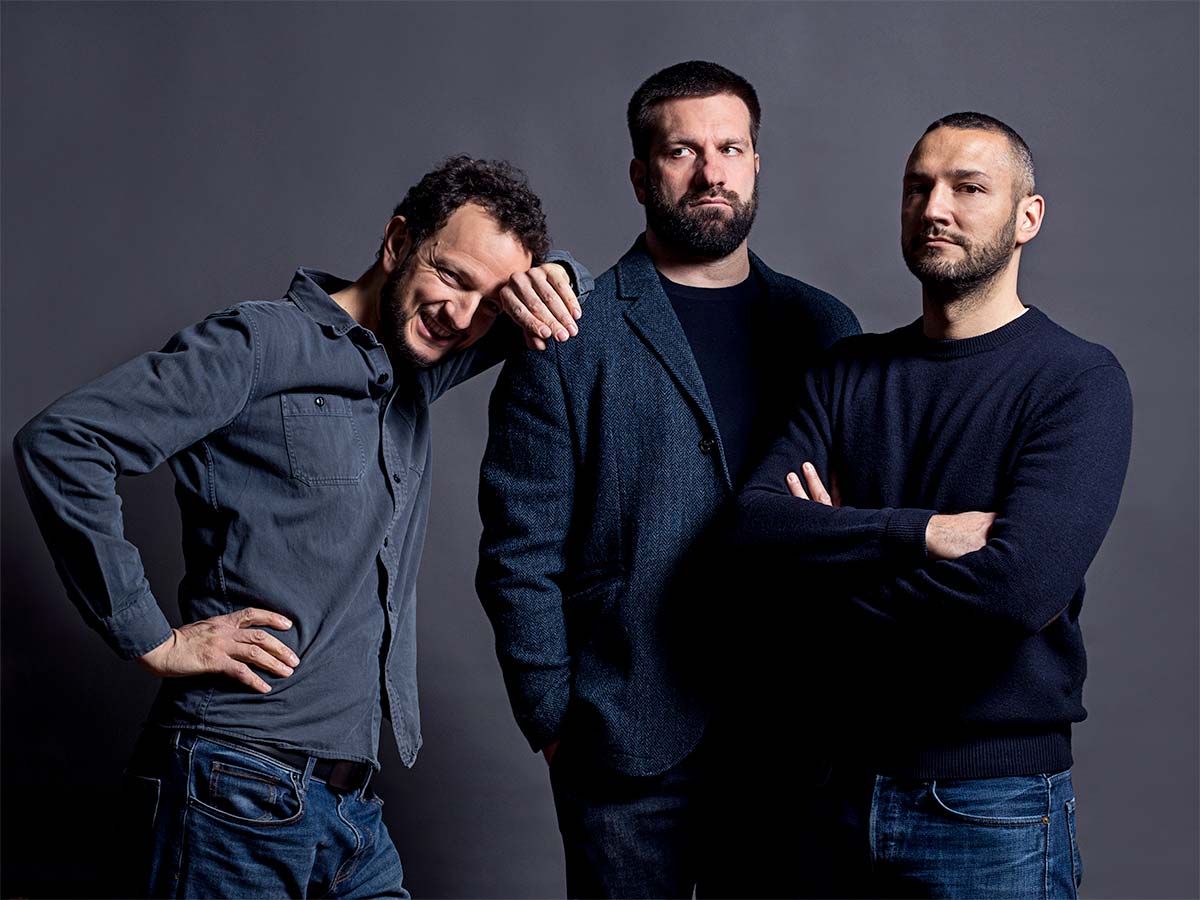
The recent talk, moderated by critic and architect Luca Molinari, offered an in-depth look into the philosophy of a team that has made “the praise of an elegant, timeless normality” its stylistic signature. It explored the profound relationship between designers and the company, and the evolution of design that ages gracefully, transforming vulnerability into a powerful message of hope and responsibility. This team is CMP Design, where the capital letters stand for the three founders and friends Michele Cazzaniga, Simone Mandelli, and Antonio Pagliarulo. This trio of designers, based in Lentate sul Seveso, Milan, established their design studio in 2009 after their shared education at Politecnico di Milano.
Luca Molinari praised CMP’s ability to create objects that embody a discreet and universal beauty, capable of feeling “at home anywhere” and standing the test of time. This “normality” is not banality, but a testament to absolute beauty—a design that doesn’t age like fashion and fosters an “emotional connection” with the user. It’s the choice of a piece that “chooses us,” with which we grow old together, an almost loving bond manifested in the durability and lasting relevance of an object.
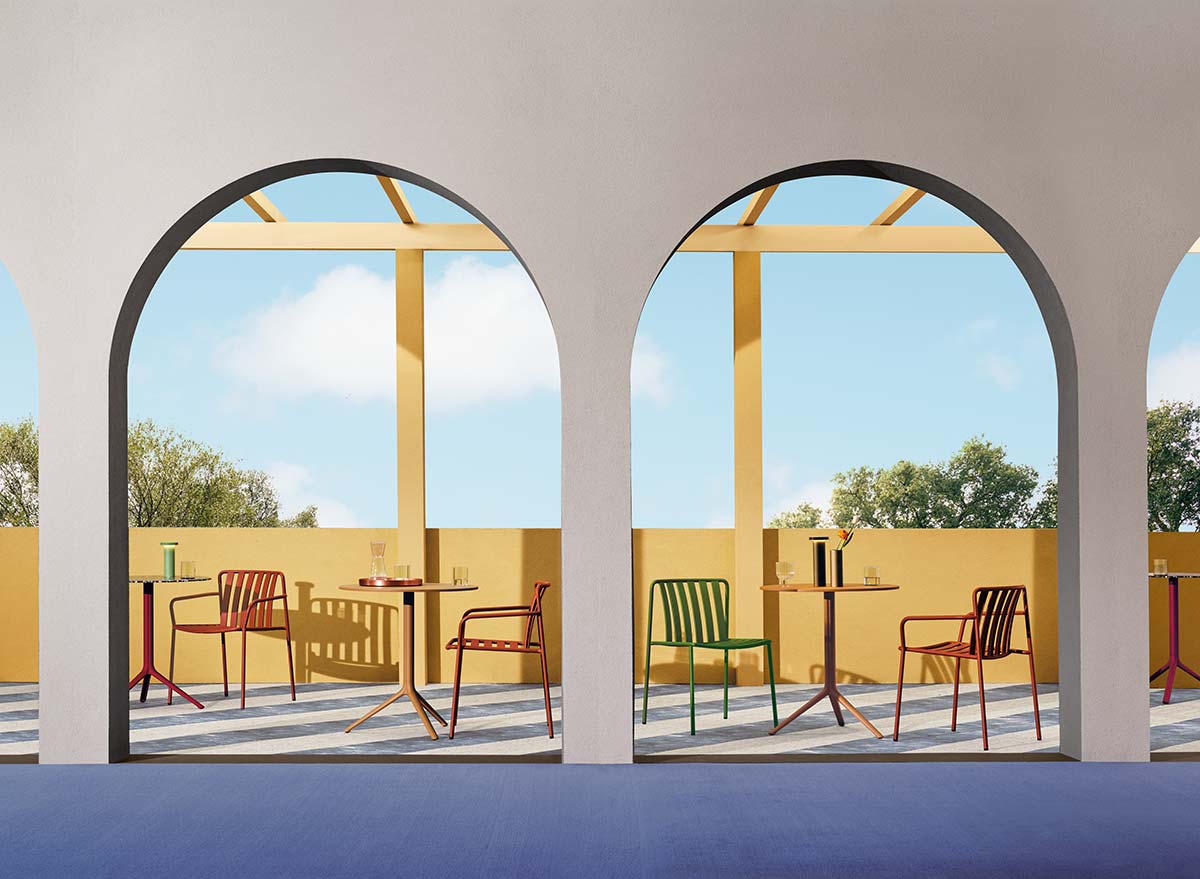
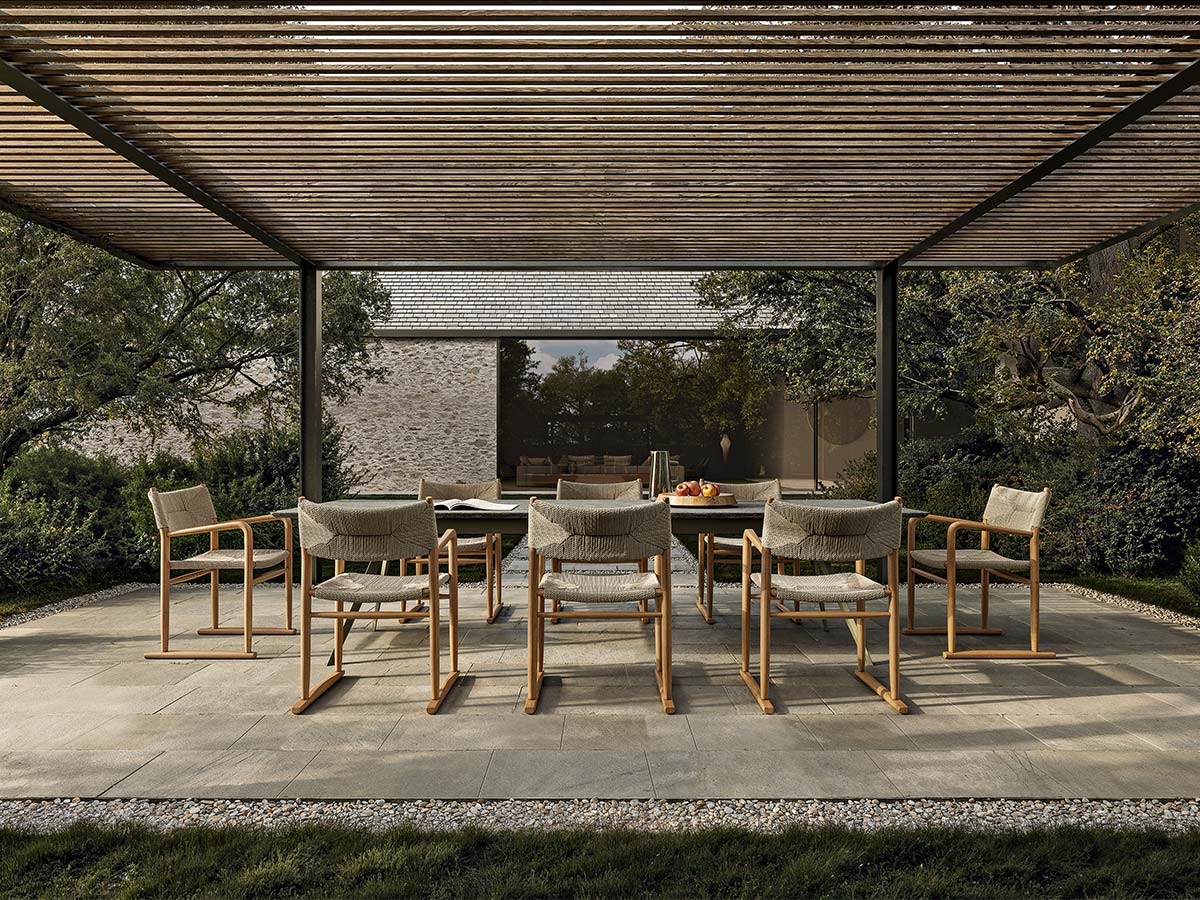
Coney by Pedrali, design mandelli pagliarulo – Photo © Omar Sartor
This vision is rooted in the diverse experiences of the three designers. One of them, Antonio Pagliarulo, discovered design almost by chance, driven by a passion for cinema and editing, seeing industrial design as an art of “direction” that unites various crafts – from makeup artists to screenwriters – towards a single creation. Another, Michele Cazzaniga, inherited manual skill from his carpenter grandfather’s cellar in Como, a textile district where “know-how” was innate, finding his direction towards Furniture and Textile Design at Politecnico di Milano. The third, Simone Mandelli, despite coming from a family in the textile sector, embraced the profession almost by chance, later discovering a passion for “know-how” and the “thinking hand.” It is precisely this artisanal dimension, combined with an industrial approach, that defines their method—the concept of a “thinking hand” being fundamental in an era where the architect is often a curator who “speaks Latin” but lacks the practical execution.
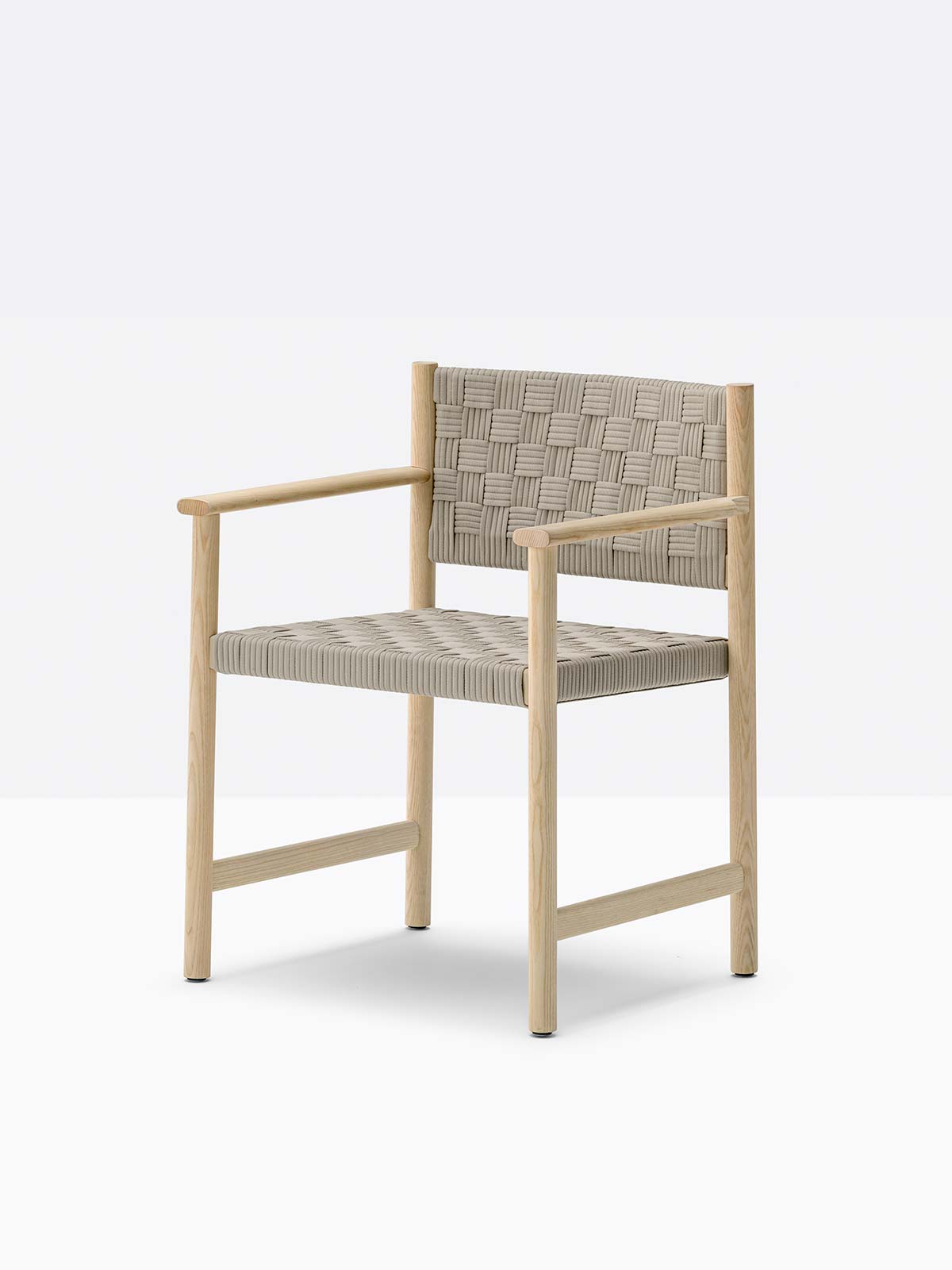
Griante 3795 by Pedrali, design cazzaniga mandelli pagliarulo
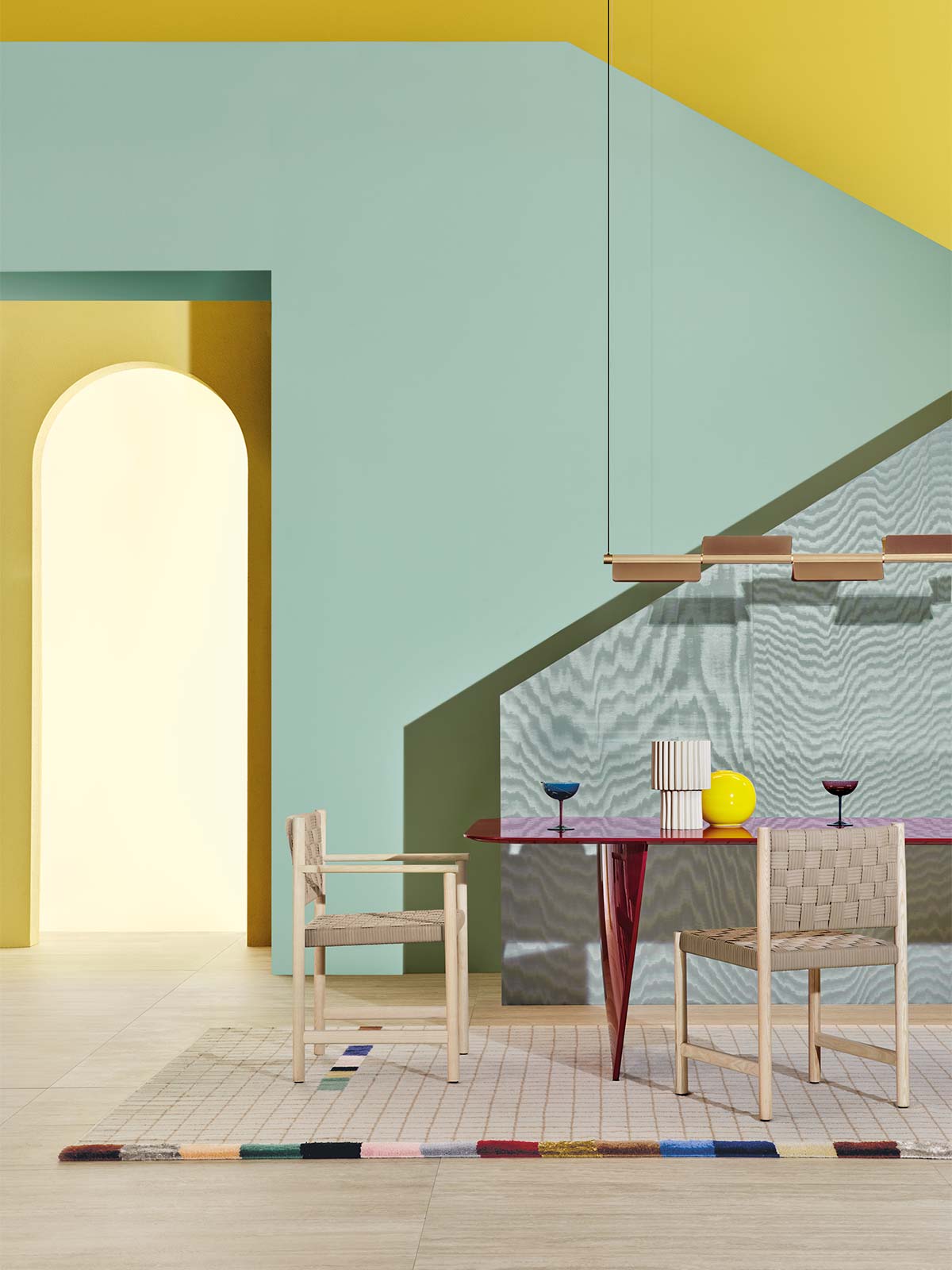
Griante 3795 by Pedrali, design cazzaniga mandelli pagliarulo – Photo © Omar Sartor
The collaboration with Pedrali has allowed CMP to develop a design philosophy focused on collections rather than individual iconic pieces. This approach addresses the needs of architects, who require versatile solutions to furnish diverse spaces, and which, as demonstrated by the Malmö chair – their first major success in 2012 – successfully combined aesthetics, ergonomics, and reproducibility. Designing a chair, considered the most challenging object due to its exercise in material subtraction, ergonomic research, and durability, must pass not only technical crash tests but also the expert eye of those who produce it, like “Mr. Mario from Pedrali who performs the crash test with his eye,” the designers state with a smile, emphasizing the profound synergy between designers and production.
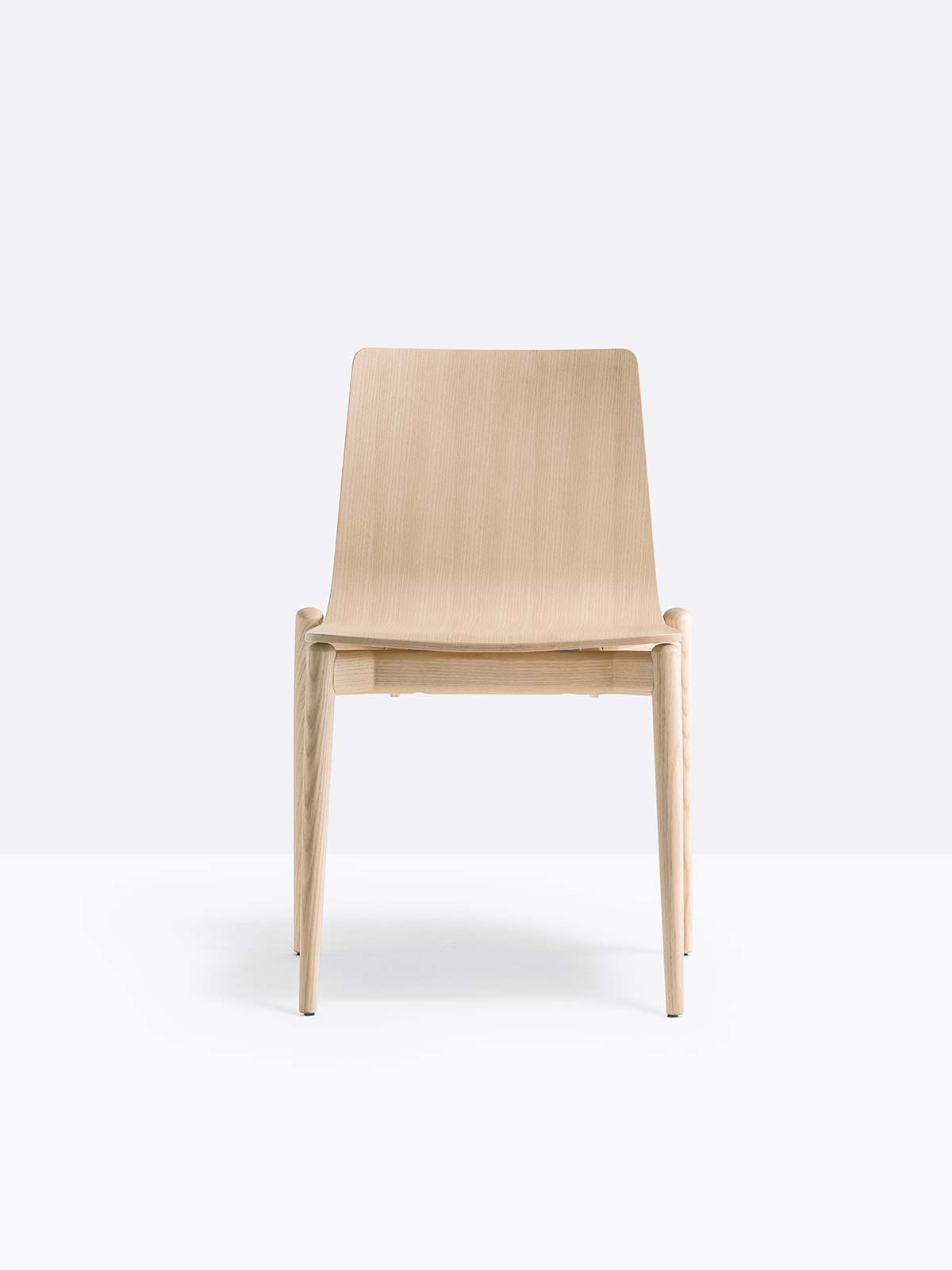
Malmö 390 by Pedrali, design cazzaniga mandelli pagliarulo
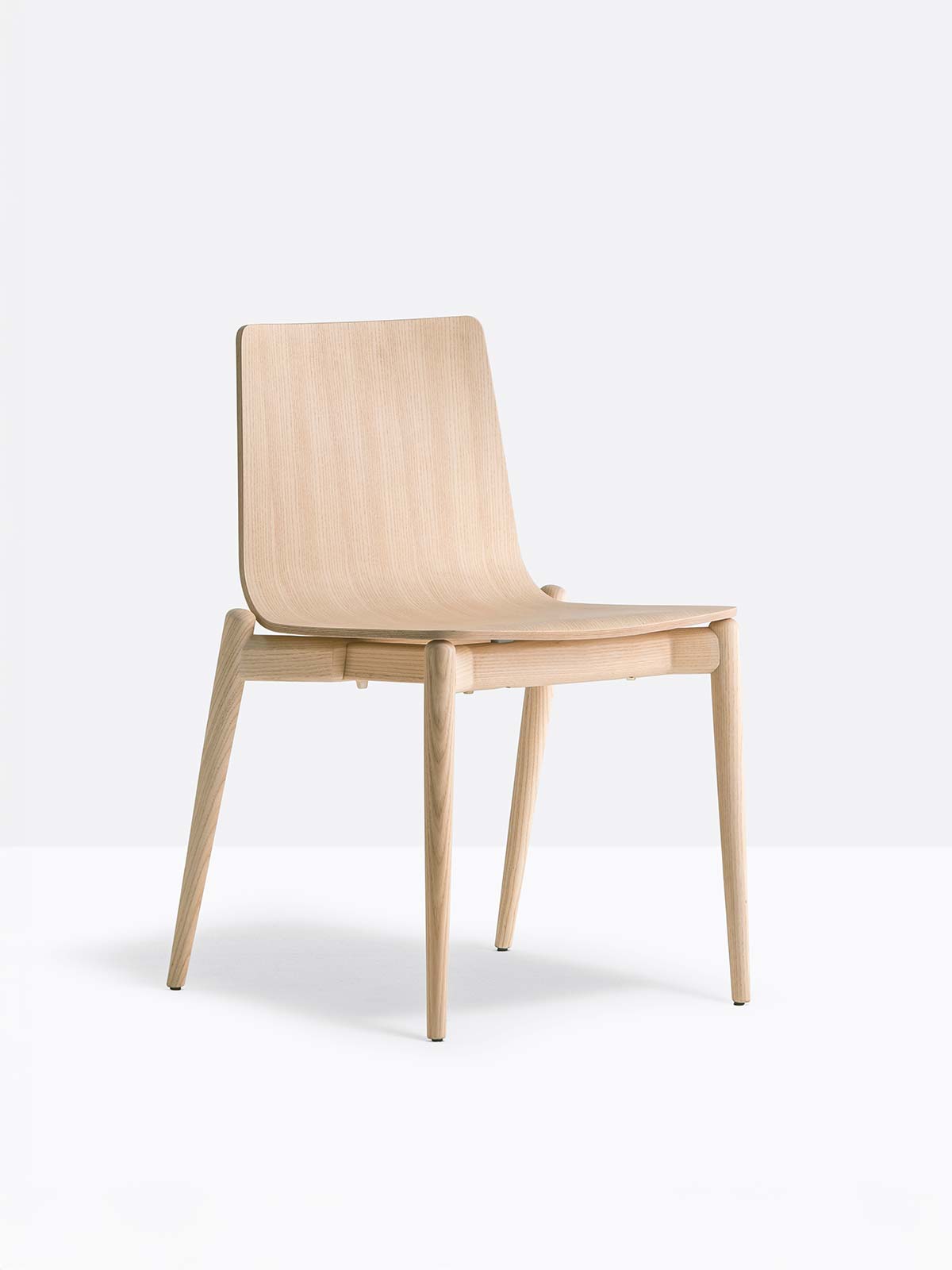
Malmö 390 by Pedrali, design cazzaniga mandelli pagliarulo
From there, the evolution has been continuous: the Nemea chair represented a significant step forward, addressing the challenge of wood gluing. By introducing a die-cast aluminum structural element, they transitioned to mechanical assembly, eliminating glue and making the product more sustainable, also in terms of disassembly. This is not a denial of the past, but an evolution, a living organism that adapts and improves, as also demonstrated by the subsequent Folk. For CMP Design, every project represents a constant dialogue with technologies and materials, a “magnificent obsession” with detail and durability.
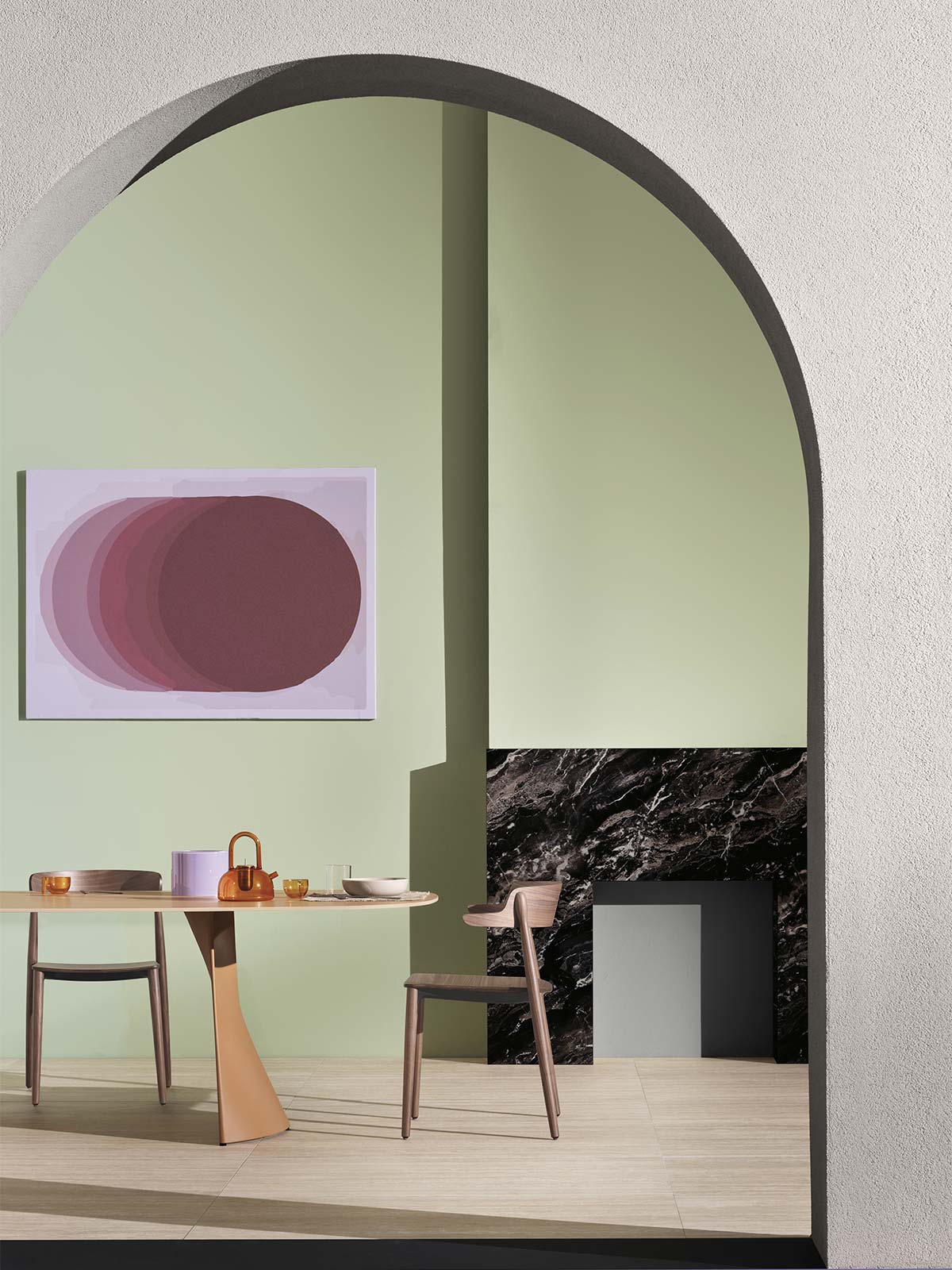
Nemea 2823 by Pedrali, design cazzaniga mandelli pagliarulo – Photo © Omar Sartor
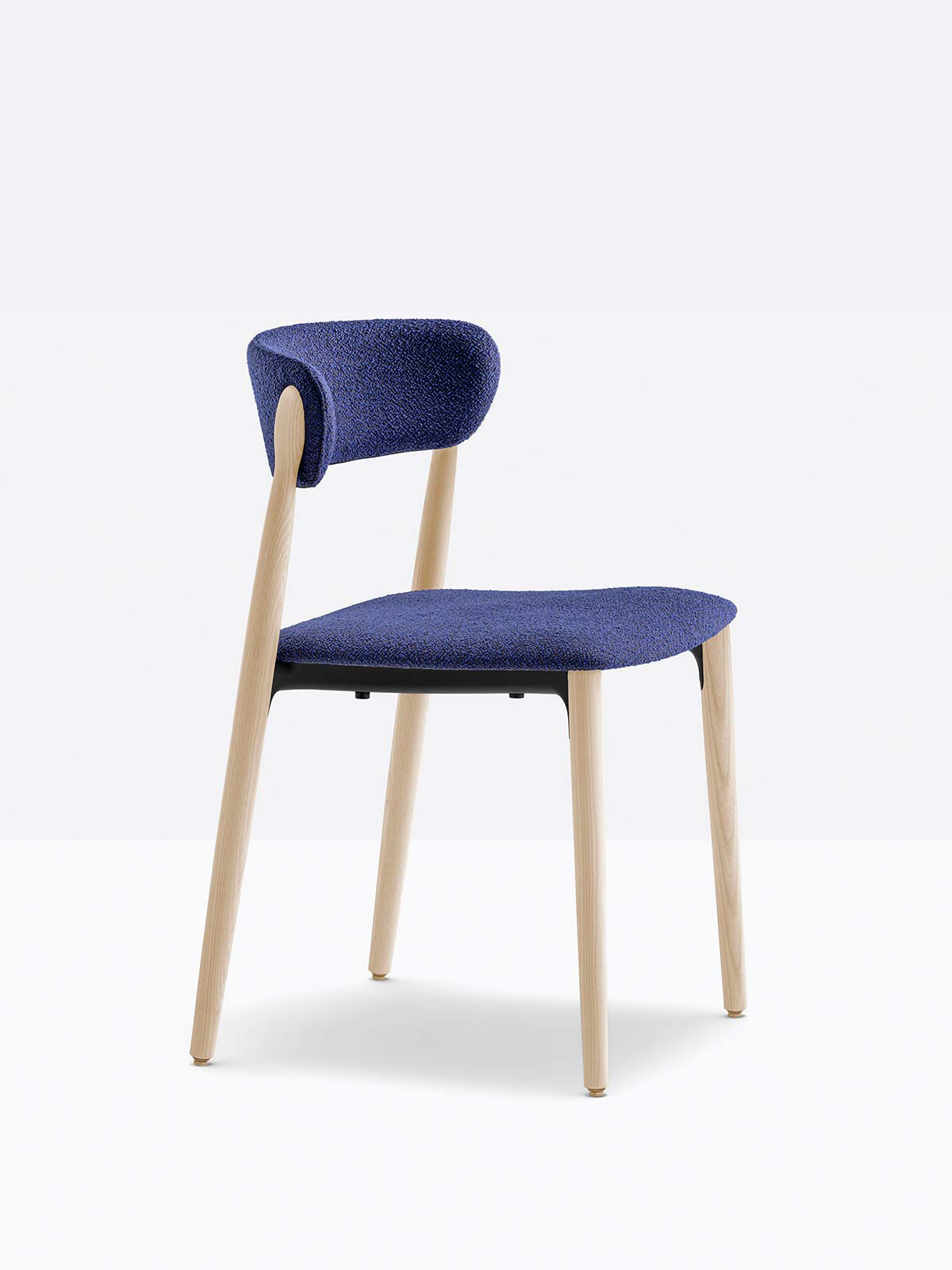
Nemea 2823 by Pedrali, design cazzaniga mandelli pagliarulo
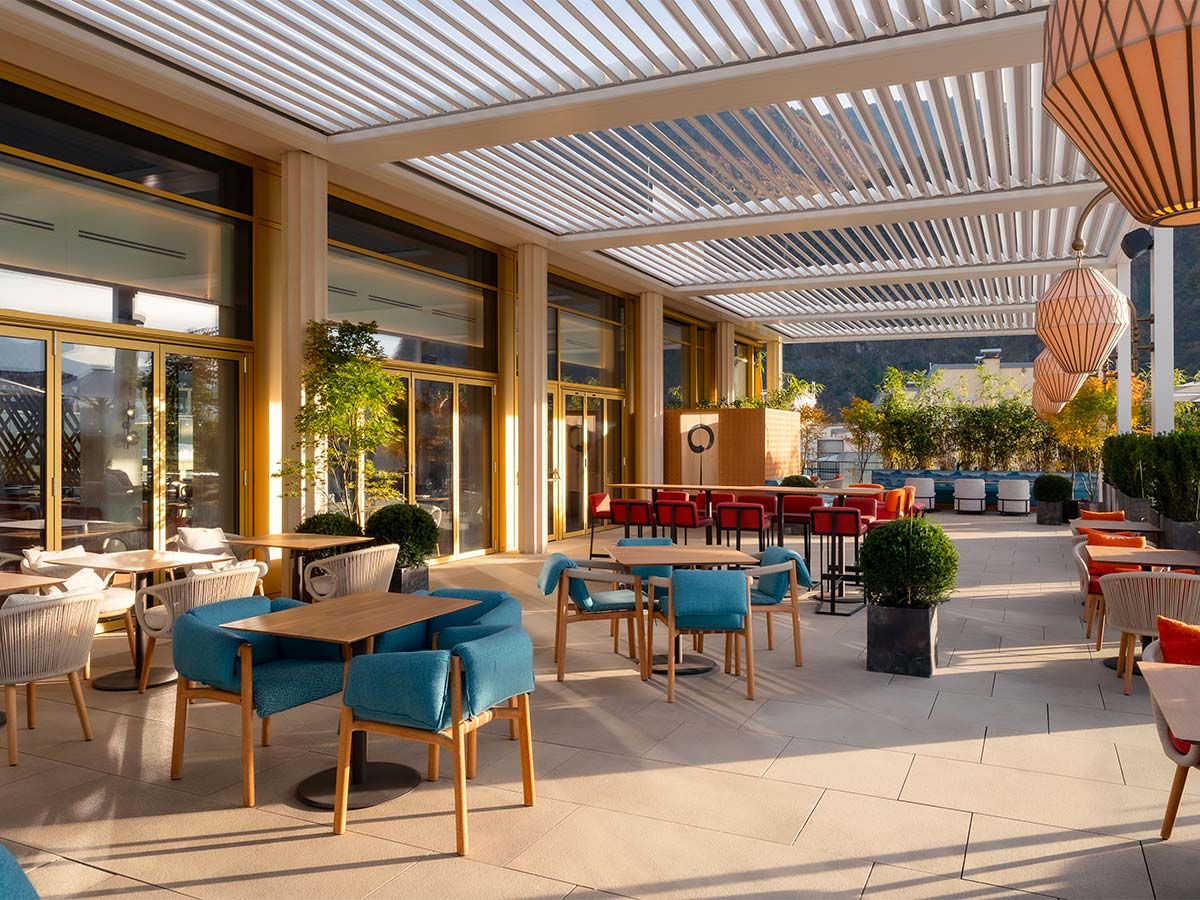
Their exploration also extended to outdoor furniture with the Nolita chair, marking a return to Pedrali’s origins in metal and garden furnishings. Featuring a transparent and minimalist design, stripped down to its essence to ensure simplicity and comfort. The use of flexible elements, such as a PVC extrusion with a nylon core, gives the seat a “shape memory,” allowing it to return to its original position after use—an example of how material research can lead to innovative and functional solutions.
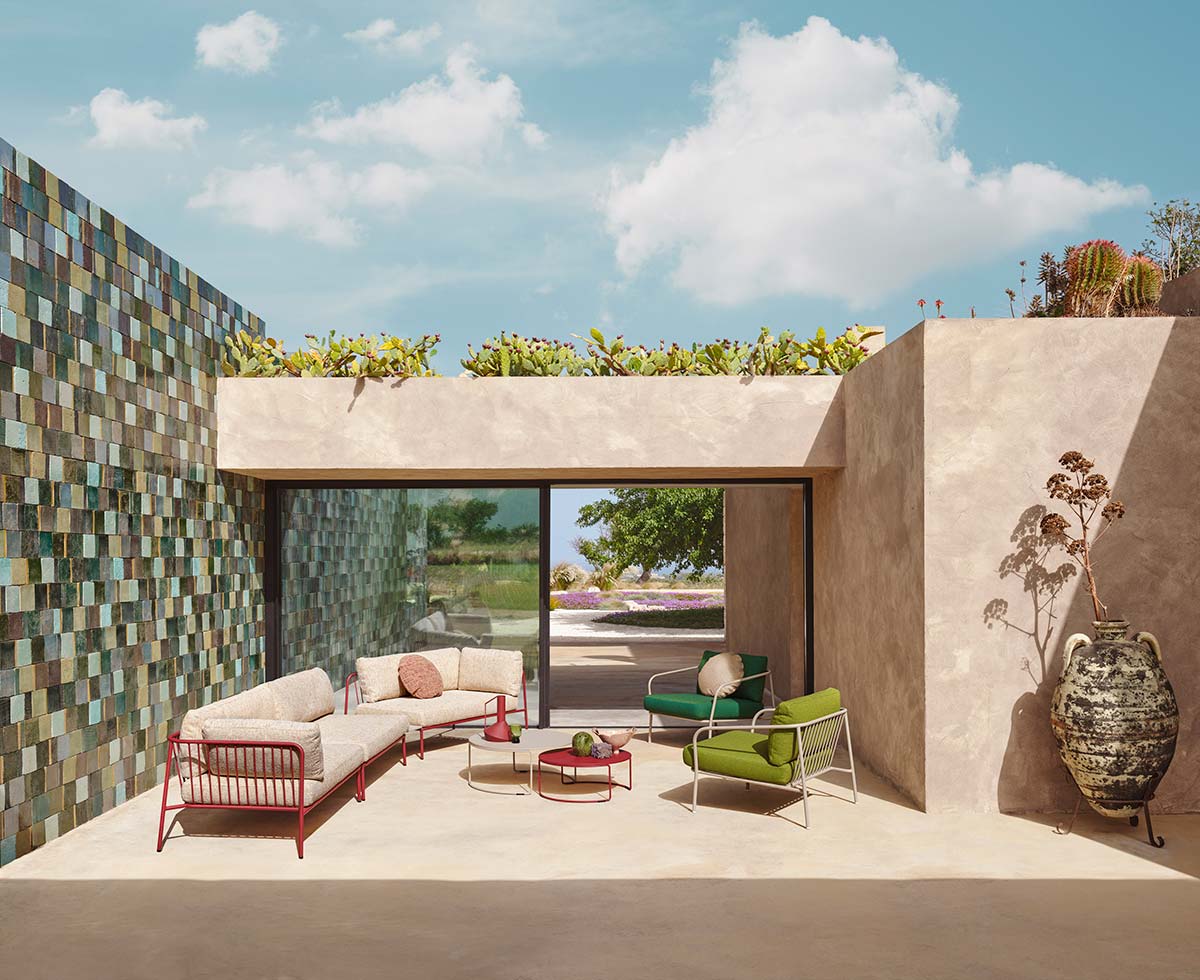
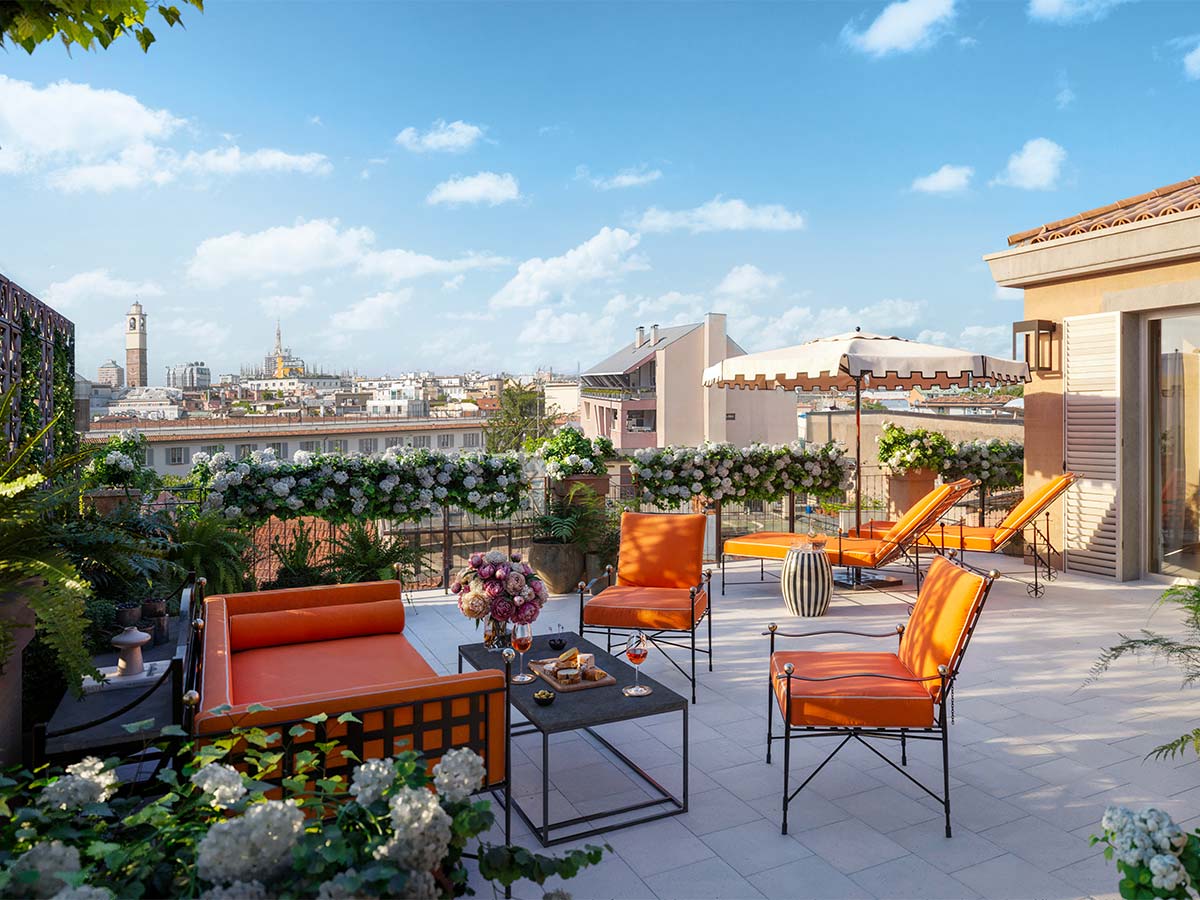
Nolita Sofa & Nolita Relax by Pedrali, design mandelli pagliarulo – Photo © Andrea Garuti
Looking to the future, CMP identifies sustainability as the most pressing challenge for contemporary designers. Not only in terms of materials and processes – with the goal of creating objects that are aesthetically and functionally durable and disassemblable – but also in the ability to infuse a “soul” into industrial products. This soul emerges from the deep relationship with those who produce, a connection that allows for the transmission of that “intangible something” that goes beyond any formula and brings pleasure in use. Technological innovation, when well interpreted and actively pursued, becomes a tool for CMP Design to create increasingly functional objects, leveraging discoveries from sectors like automotive or aeronautics.
Ultimately, for Cazzaniga Mandelli Pagliarulo, design is a “social organism” even before it exists, because a chair, by its very nature, is the most social object there is, both individual and collective. It is a journey that leads to happiness, both for those who design and for those who experience the objects—an experience of “intimacy” that makes every day a new beginning and, as Molinari emphasizes, is the true secret of work that never ceases to evolve and surprise.