That trade fairs have evolved beyond their traditional exhibition formats is now a given. Layouts are increasingly inclusive and interactive, and for this reason they are more and more often spread across the city. Urban spaces, iconic landmarks and design-oriented districts are all involved, creating open-air routes that become an integral part of the experience itself. Clerkenwell Design Week is a clear example of this.
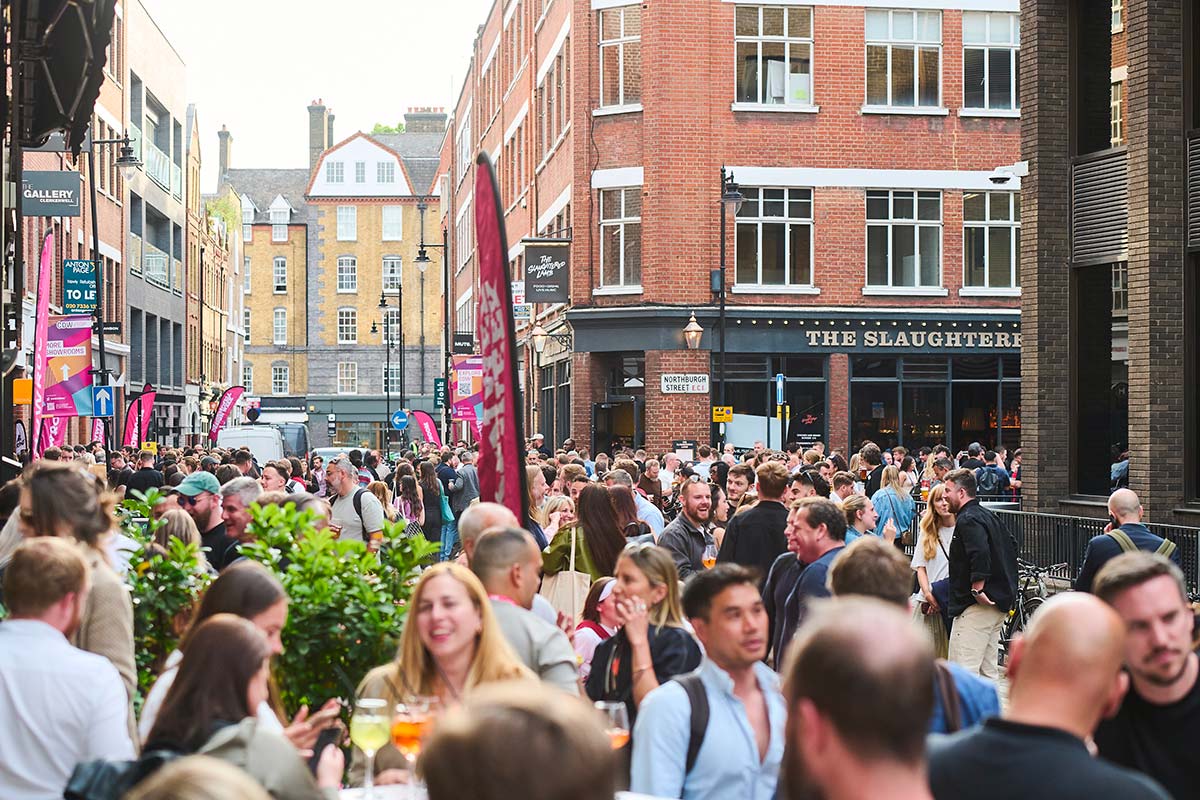
The festival returns for its 15th edition from May 19 to 21, with a program that further amplifies its defining features and value: an event that lives in synergy with the EC1 district, transforming private spaces, public areas and showrooms into vibrant hubs for meeting, networking and design culture. Installations represent the main new feature of the upcoming edition: a series of large-scale works shape the “Design Interventions” program, created by designers and architects – including emerging talents – selected through an open call launched by CDW. The aim of these projects is to stimulate discussion around materials and the environment, while also creating spaces for gathering throughout the duration of the festival, in line with this year’s key themes of Clerkenwell Design Week: sustainability and sound.
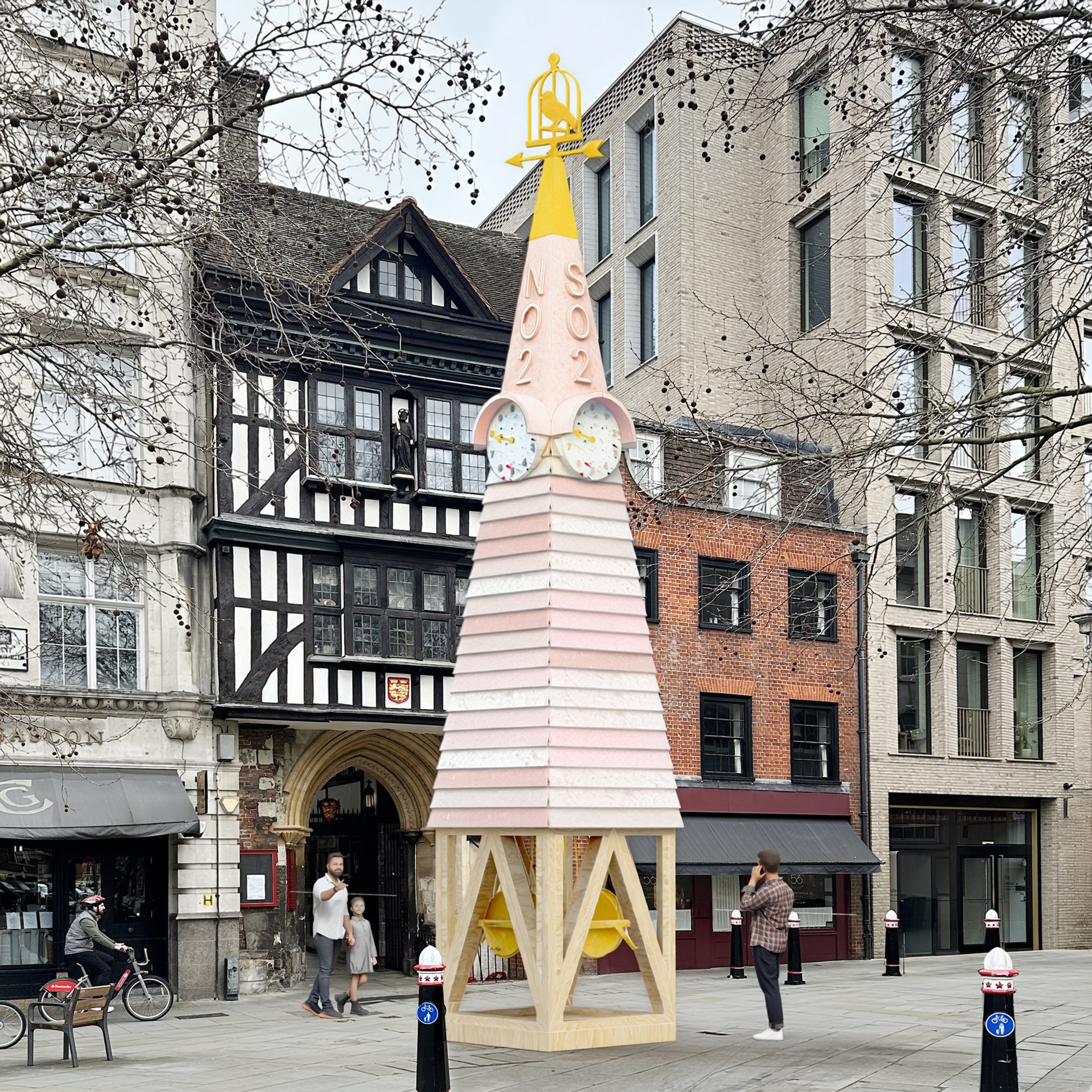
The Canary Tower
One of the most striking interventions is the Canary Clock Tower by George King Architects, an imposing sculptural landmark inspired by Clerkenwell’s historic horological tradition. Just as a clock makes time visible, the tower is designed to make air quality visible, displaying real-time pollution data through analogue dials made from recycled plastic waste. The structure itself follows circular design principles, built using reclaimed scaffolding, timber and recyclable cladding.
Also responding to the 2026 theme is the installation “Recreatura”, which invites visitors to reimagine architecture through listening: participants will explore two historic Clerkenwell sites through the voices, memories and soundscapes of local residents, uncovering the layers and stories embedded in the neighborhood, and leaving their own trace on tiles that will later form a new installation in Charterhouse Square.
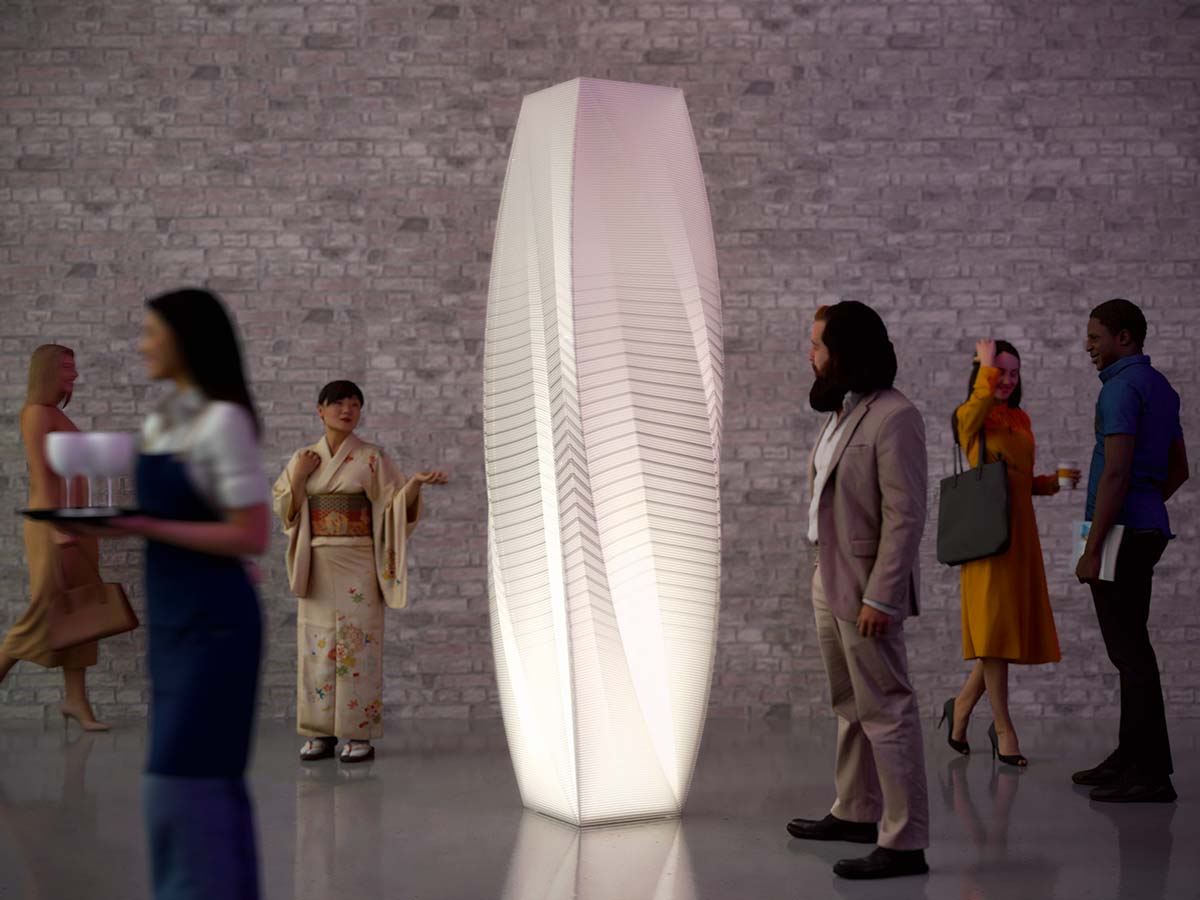
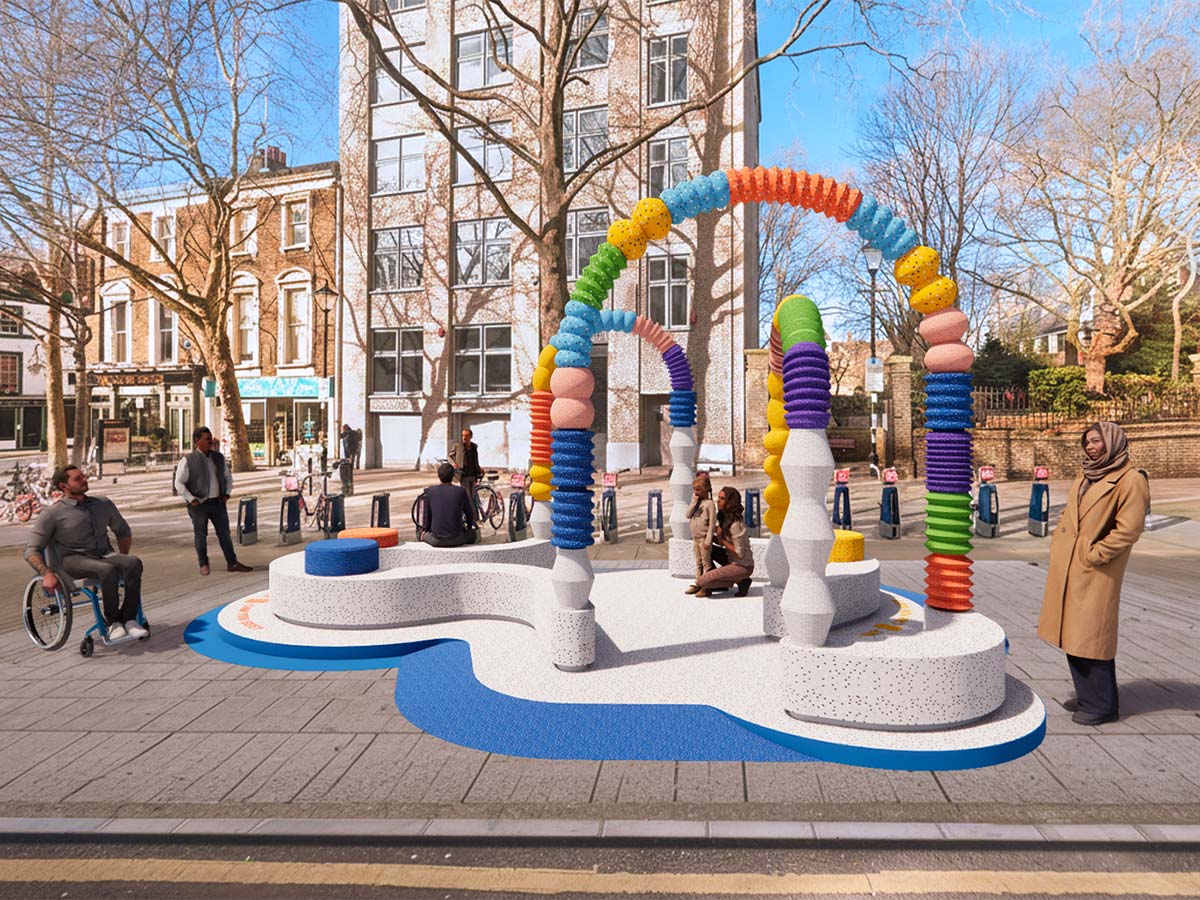
Among the many “Design Interventions”, highlights include Cube 1 Stand by BOX17 at Commercial Design In the Park – conceived to bring biophilic warmth into the modern workplace; Fountain of Technicolour Beads by One Bite Design, which integrates spatial design with social awareness by addressing color vision deficiency; and Crinkle-Crankle Bench, a series of crescent-shaped benches made of natural stone bricks, designed by StudioFolk.
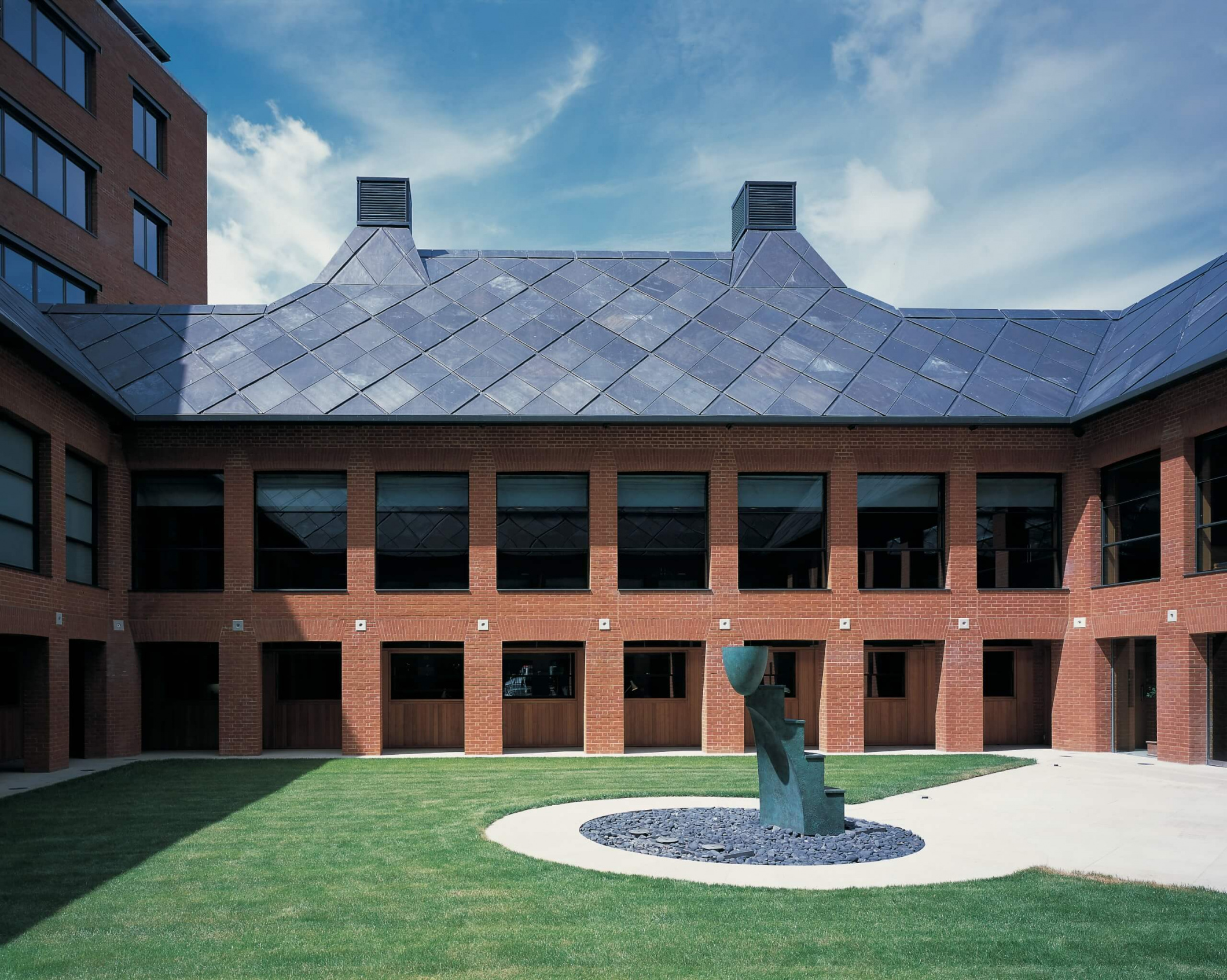
The Luxury Edit located at Haberdasher’s Hall
Clerkenwell Design Week continues to be defined by a distinctive mix of history and contemporaneity reflected in its venues, with several new additions such as Haberdashers’ Hall, known during the event as The Luxury Edit: it will host the CDW Awards ceremony (expanded to celebrate not only new products and innovations, but also pioneers, visionaries and “design artists”), the Design Meets talks, and the outdoor installation “The Pulse of Becoming”, created by recent graduates Musab Umair, Amruta Ramesh Pullawar and Sharath Binu John.
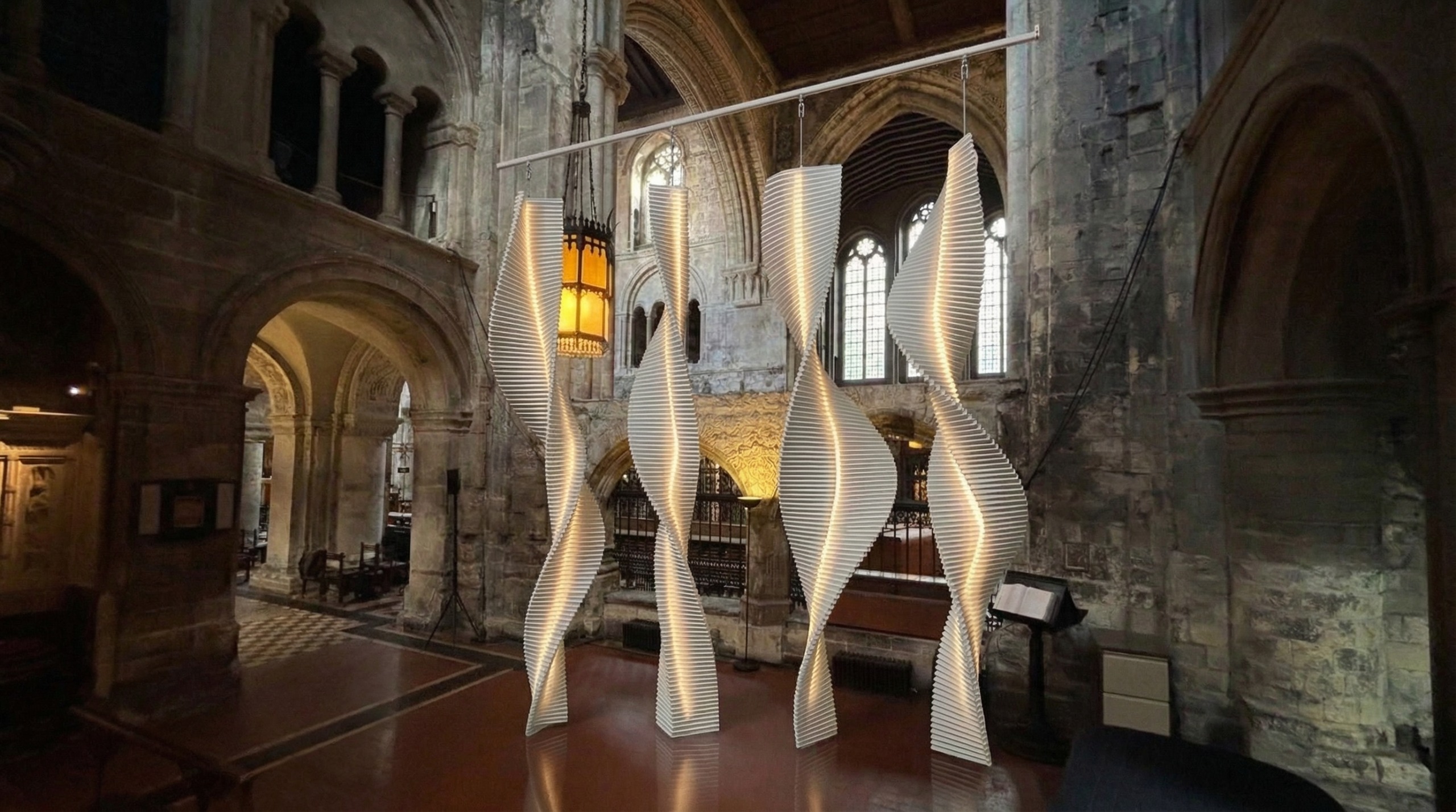
Resonance, by Fung+Bedford
Also new is the Museum of the Order of St John, temporary home to Interiors From Spain, while St Bartholomew the Great returns as The Church of Design, an exhibition space for international brands such as Moroso, Roche Bobois, Magis and Dedon, as well as a venue for learning through the Conversations at Clerkenwell program, anche the installation Resonance, designed by the Fung+Bedford studio: four illuminated paper sculptures – folded and twisted, each four meters long – that transform the language of origami into an immersive spatial experience.