For its 26th edition, Superstudio Design reinvents itself with a triple presence across Tortona, Barona, and Bovisa, aiming to create a broader and more expansive experience for the city. From April 20 to 26, 2026, the three Superstudio locations – Superstudio Più, Superstudio Maxi, and the new Superstudio Village – will host a project structured into three thematic paths: SuperNova, SuperCity, and SuperPlayground. These paths move beyond the traditional district concept to form a multifaceted yet complementary vision of design. In total, the Superstudio Design exhibition will encompass 30,000 sqm, 70 projects, 91 participating brands, and 88 designers from 19 nations.
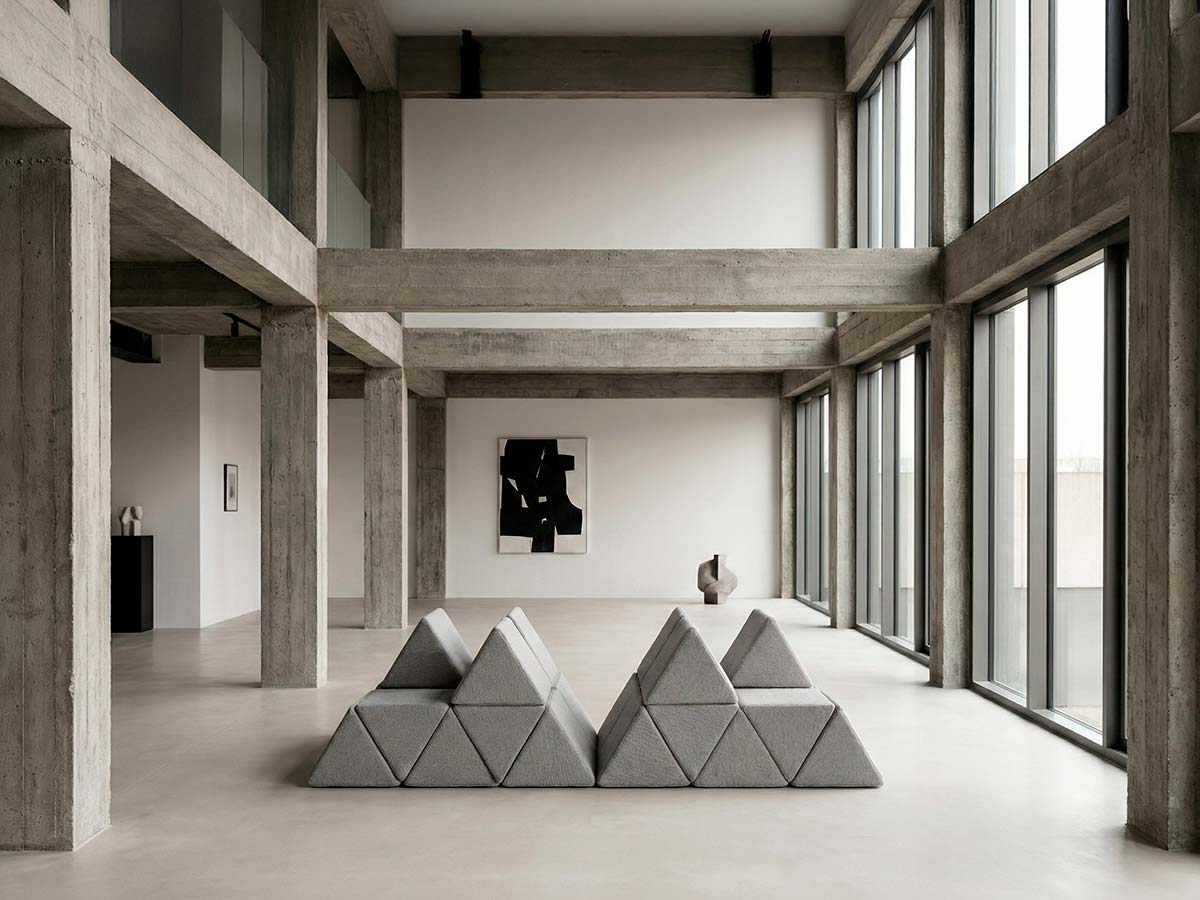
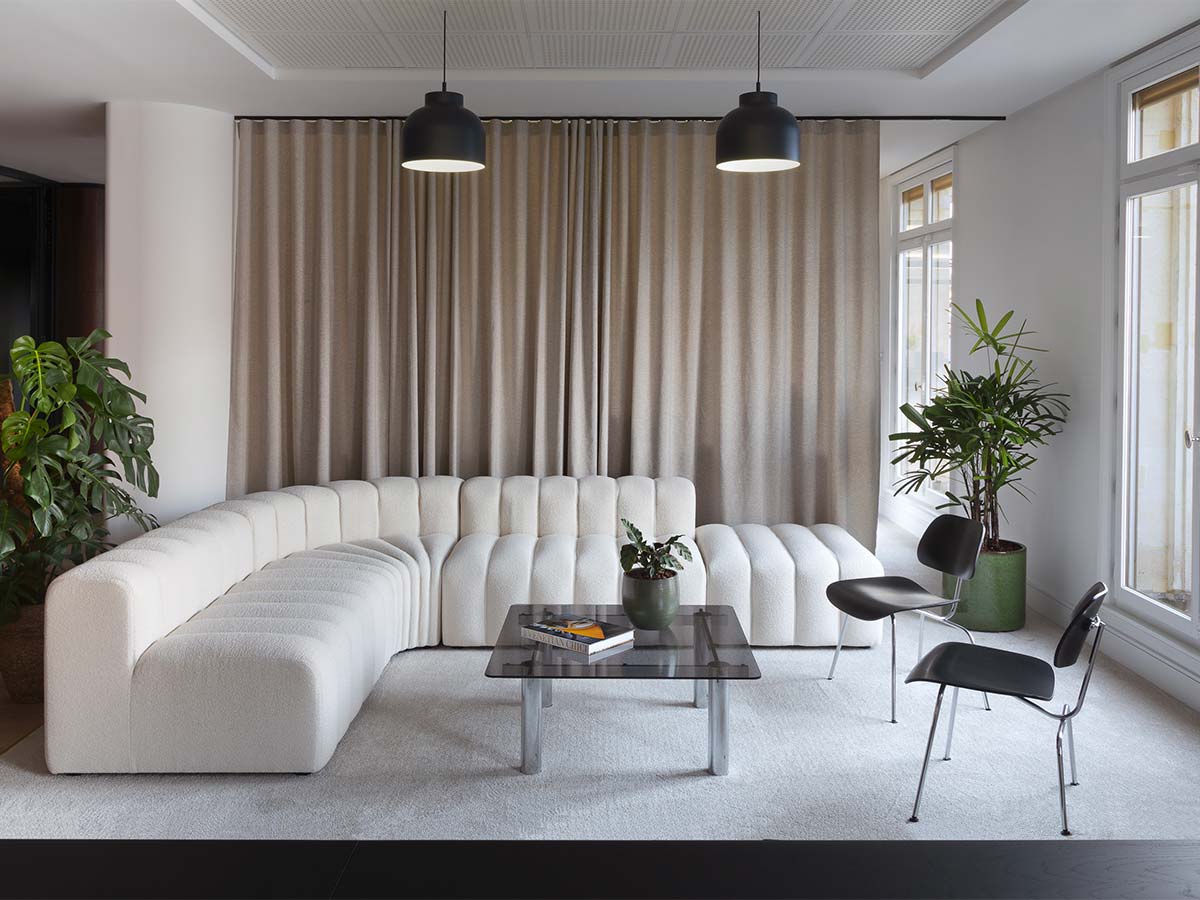
PeaksSofa by MOOOI, design Yves Behar
The Superstudio Più and Tortona locations will host SuperNova, the home of major international brands. Central to this will be Moooi, celebrating its 25th anniversary at Milan Design Week with a grand museum-like exhibition spanning nearly a thousand square meters, designed by Marcel Wanders – a fitting return, as Moooi first debuted at Superstudio. Alongside, brands such as Lexus, Samsung Electronics, and Schüller Möbelwerk will be featured. Also present are associations like the Department of International Trade Promotion, Thailand, which will focus on Thai craftsmanship, and the Design Association, presenting the Toyo Ito Children’s International Architecture Workshop Exhibition. This educational project explores the contemporary meaning of living, fostering an intergenerational dialogue between “Heart House” models created by one hundred children from Japan and models designed by internationally renowned architects. Even Istituto Marangoni Milano Design takes center stage here with “Domestic Oracles“, a project developed in collaboration with Alessi, showcasing a selection of domestic objects designed by students from their Master’s programs in Product & Furniture Design.
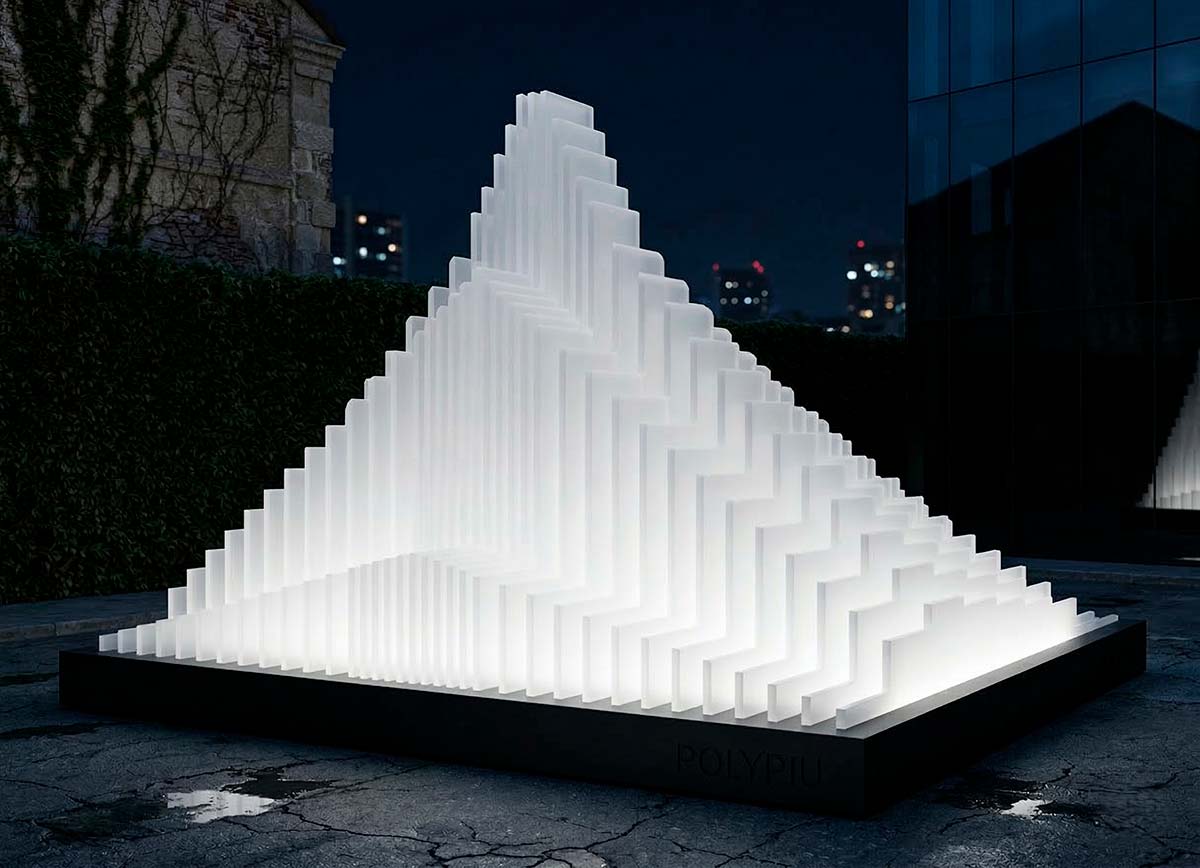
Polypiù Cathedral by Marco Piva
In Barona, at Via Moncucco 35, SuperCity will be hosted – an installation by Giulio Cappellini that recreates an ideal, multicultural city without physical barriers or dividing walls. Instead, separation is subtly suggested through graphic and visual cues that maintain spatial continuity. At the heart of SuperCity, which brings together 15 projects, including both collective and individual presentations, is “TheCity” exhibition: virtual homes shape an urban landscape molded by values of calm and serenity. Giving form to this vision is the design of Artelinea, Boffi|DePadova, Cassina, Flaminia, Foppapedretti, Gebrüder Thonet Vienna, Icone Luce, Jaipur Rugs, Living Divani, Magis, Mario Luca Giusti, Moroso, TechnoGym, and Zanotta, all within an exhibition theater created by Abet Laminati.
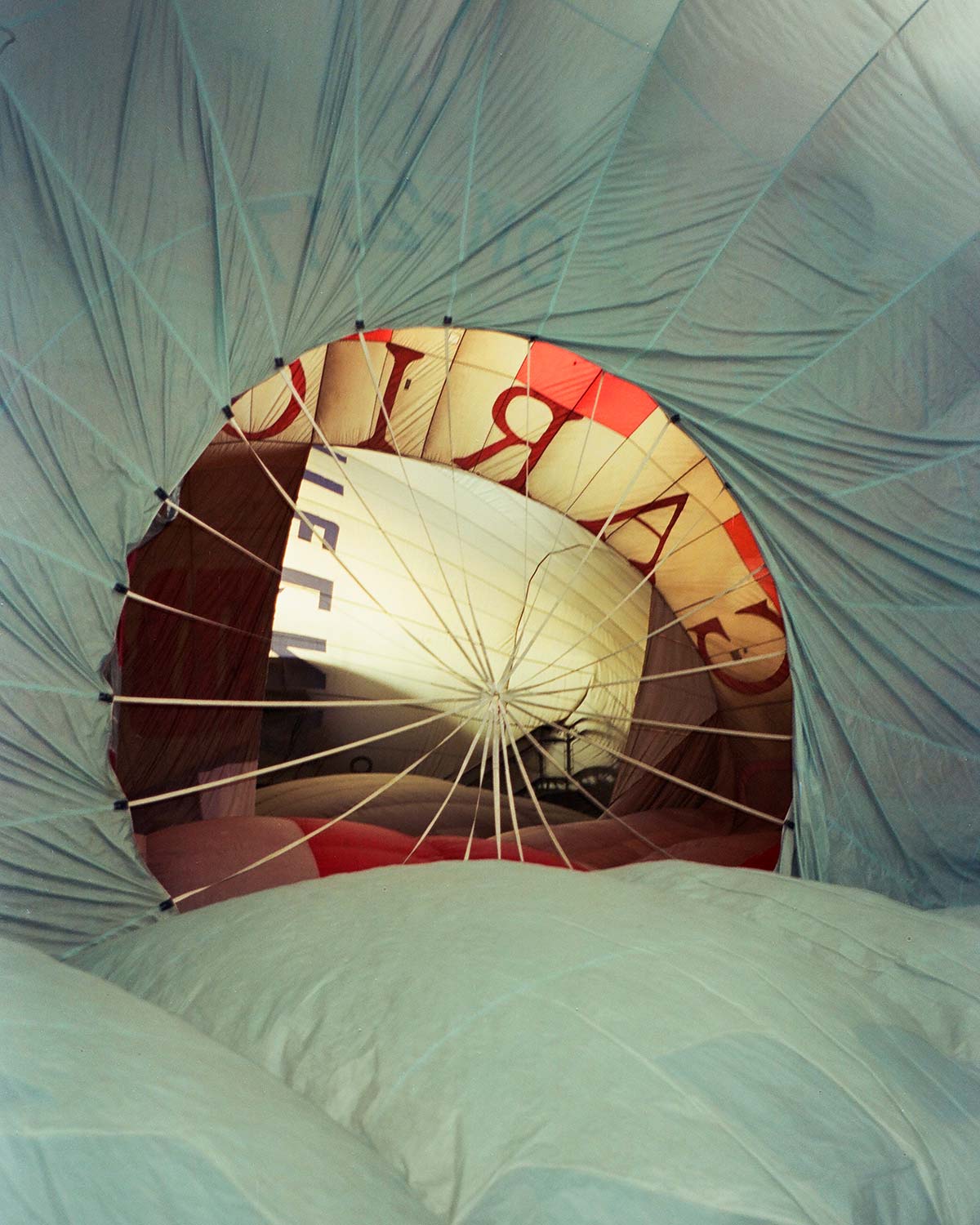
Keep your Bubble by Lousy Auber
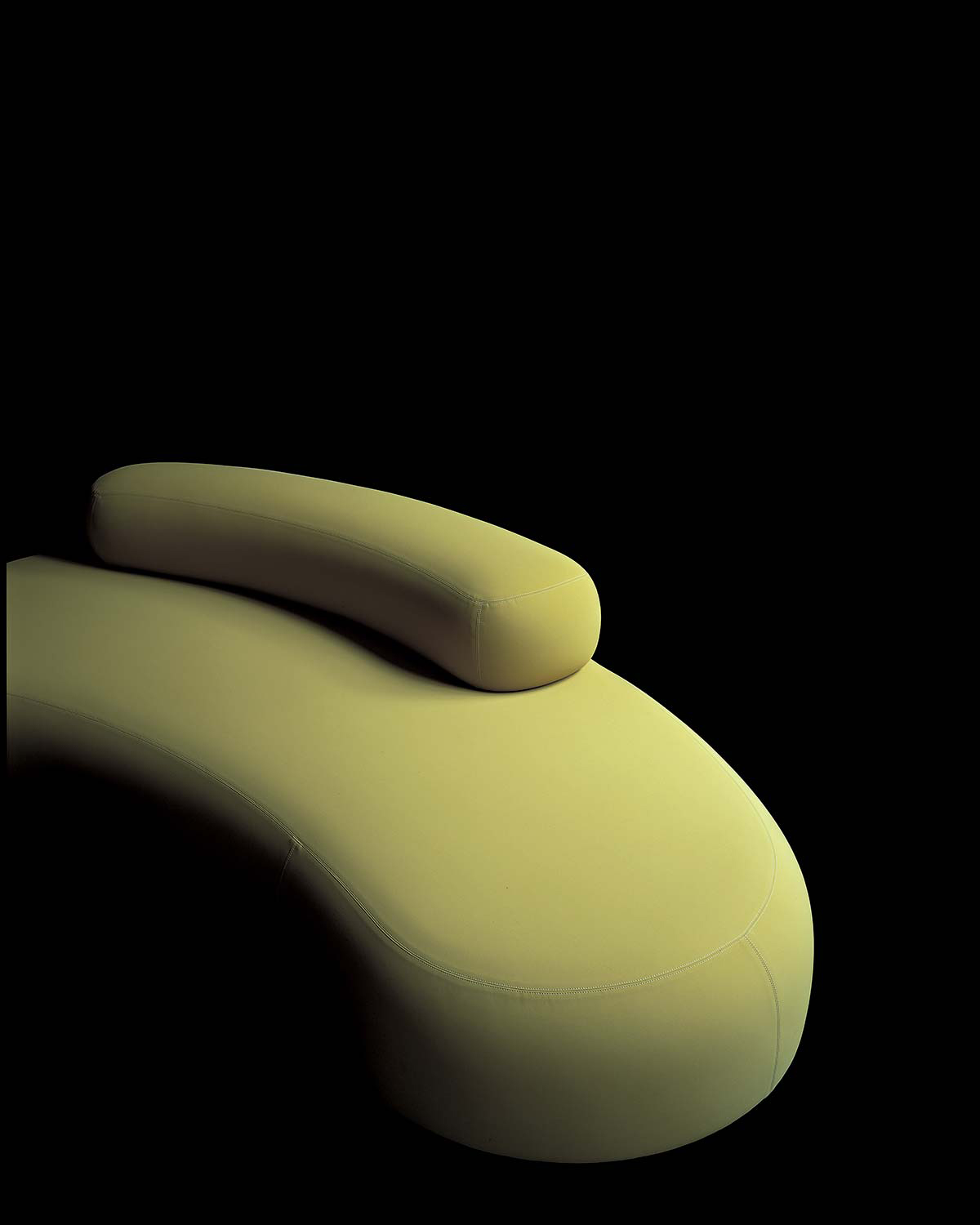
Bubble Rock by Living Divani, design Piero Lissoni
SuperCity also features the “When Design Becomes Art” path, which explores the boundary between functional objects and artistic works: everyday objects and materials are transformed into genuine installations. Alessandro Mendini’s stools for Flaminia become a multicolored tower, Artelinea’s mirrors evoke a frozen lake, Abet Laminati‘s cubes construct a chiaroscuro wall, while Icone Luce’s four black “Blades” are juxtaposed with Cappellini‘s Fronzoni tables. Alexandre Fontani, with a collector’s table, and Hsiang Han Hsu’s installation complete a narrative where material, light, and form transcend their purely functional dimension. Enriching the venue is the “Art Boulevard” by Living Divani, a promenade for urban flâneurs, connecting the various zones of the venue with a sequence of monumental sculptures by Maria Cristina Carlini.
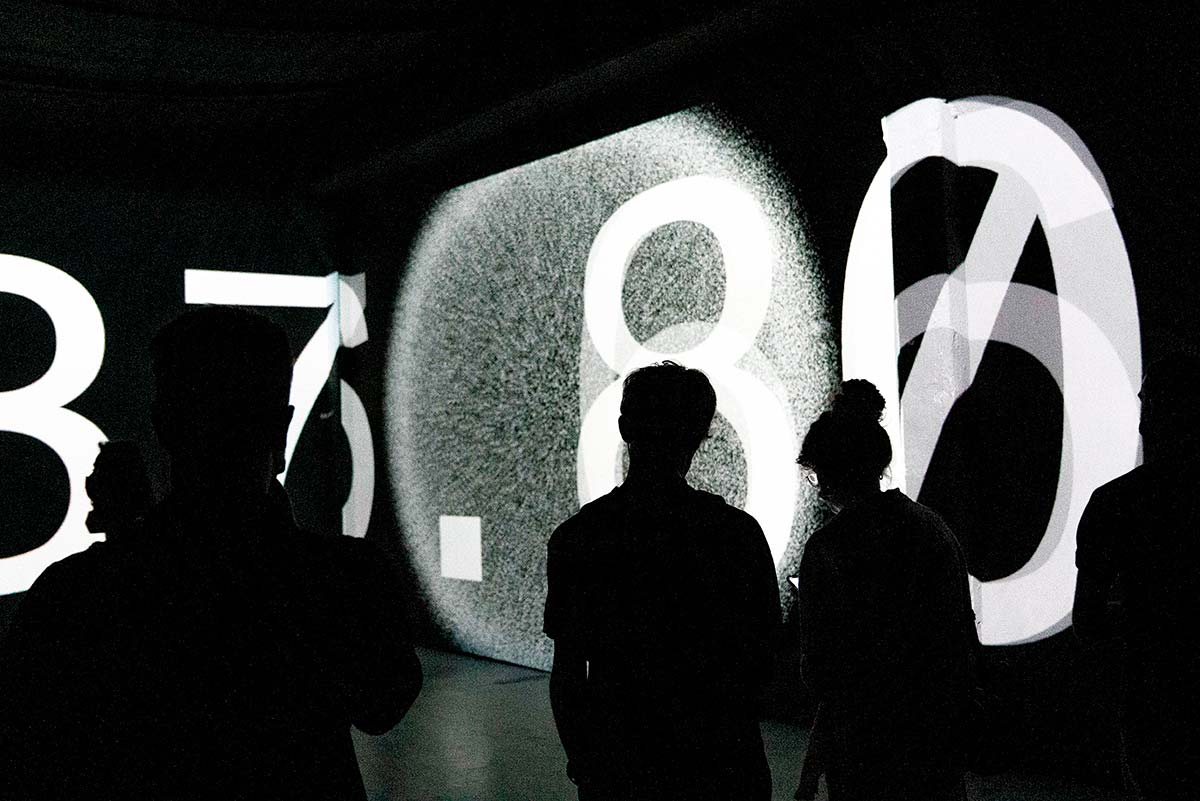
Finally, the new Superstudio Village emerges in the Bovisa district, at Via Negrotto 59, within a regenerated space that was once a disused factory. This provides the ideal setting for SuperPlayground, a project dedicated to emerging creativity, experimentation, and social design – featuring 33 projects by designers selected from over 30 nations via an open call. A highlight is the immersive installation “Keep Your Bubble” by Slovak visual artist Lousy Auber, a soft architecture crafted from discarded hot-air balloon fabrics. It invites the public to physically enter the space and reflect on themes of transformation and reuse, as well as the relationship between personal and collective dimensions.