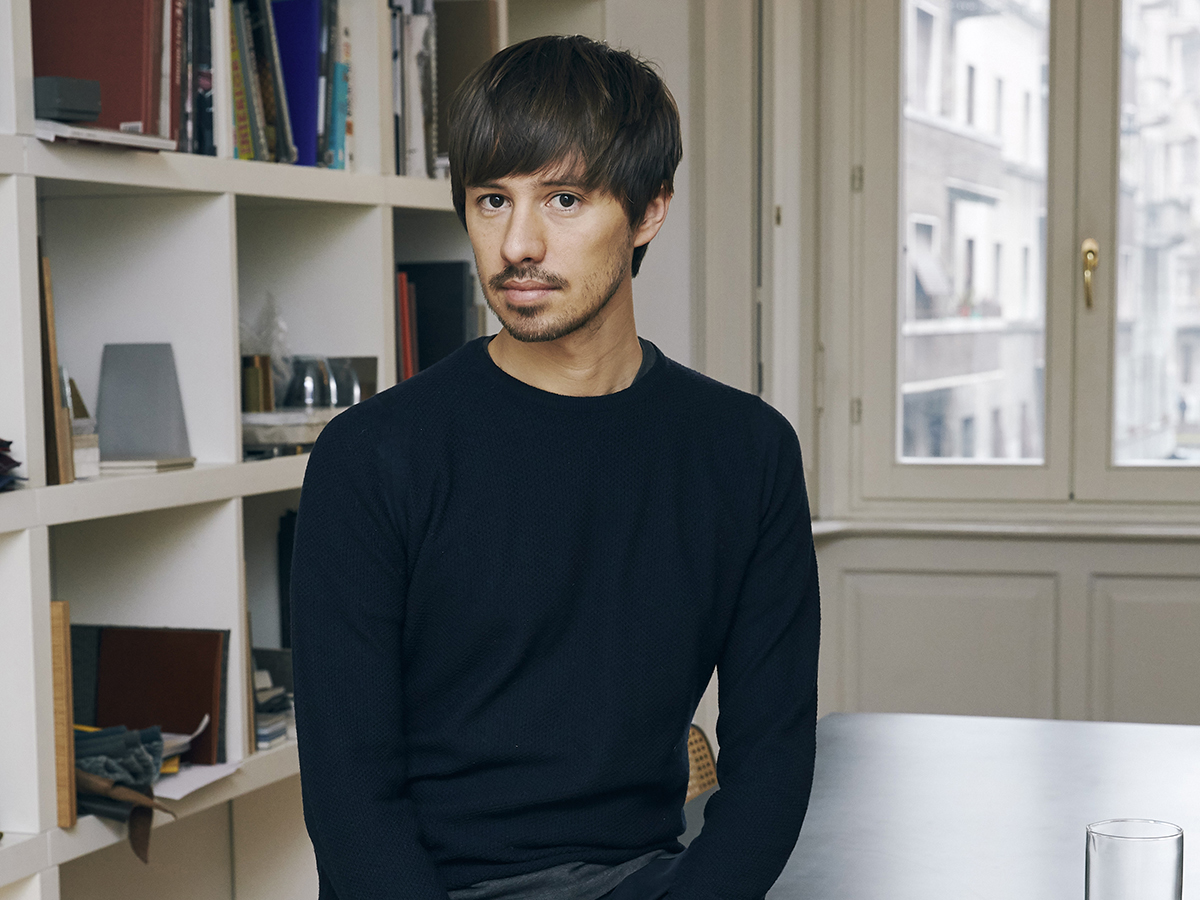
After years of minimalism, decoration is making a comeback as a design language to imbue spaces with identity. From lighting to accessories: these are tools that create a narrative within living spaces. We discuss this with Federico Peri, an interior and product designer who interprets each creation with a measured, essential, and profoundly authentic approach. Whether it’s an object or an environment, Peri places materials, textures, and surfaces at the core, meticulously working on details and small elements capable of generating depth. Even decorative accents, in this vision, are never excessive or intrusive; instead, they transform into discrete presences: silent solutions that contribute to defining the space’s atmosphere.
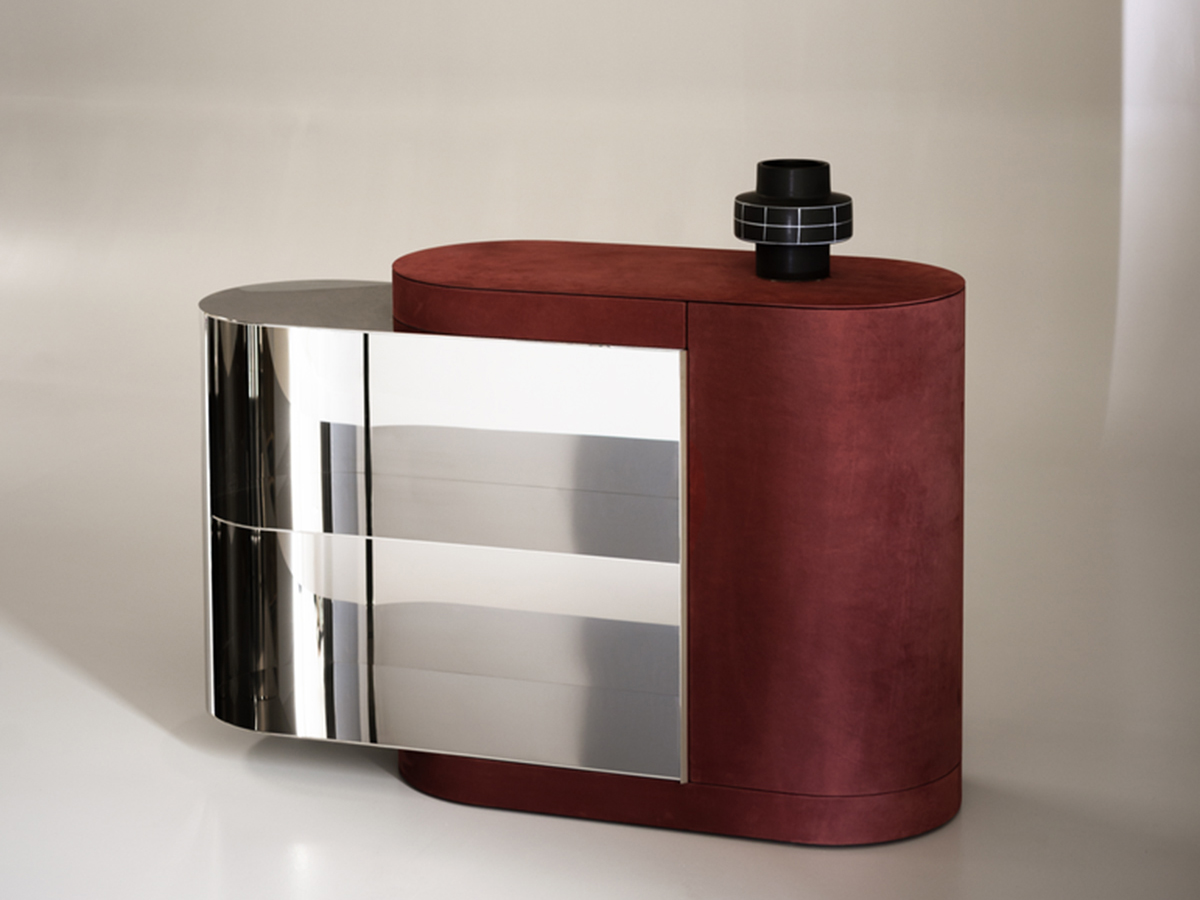
Blend by Baxter, design Federico Peri
In recent years, decoration seems to be making a comeback as a design language. Is contemporary interior design increasingly focused on personalization and identity creation?
Yes, I think it’s quite evident. You can see it even in industrial production: many companies today are striving to offer more customization options, precisely because there’s a growing desire to create spaces that are less anonymous and more reflective of those who inhabit them. After years where minimalism was often interpreted in a very neutral way, today it seems there’s a craving for more character and identity. Decoration, in this sense, is regaining an important role. Not so much as something superficially added, but as a tool to give depth, atmosphere, and distinctiveness to an environment. More than just ‘decorating more,’ I believe the aim is to make spaces more personal and less standardized.
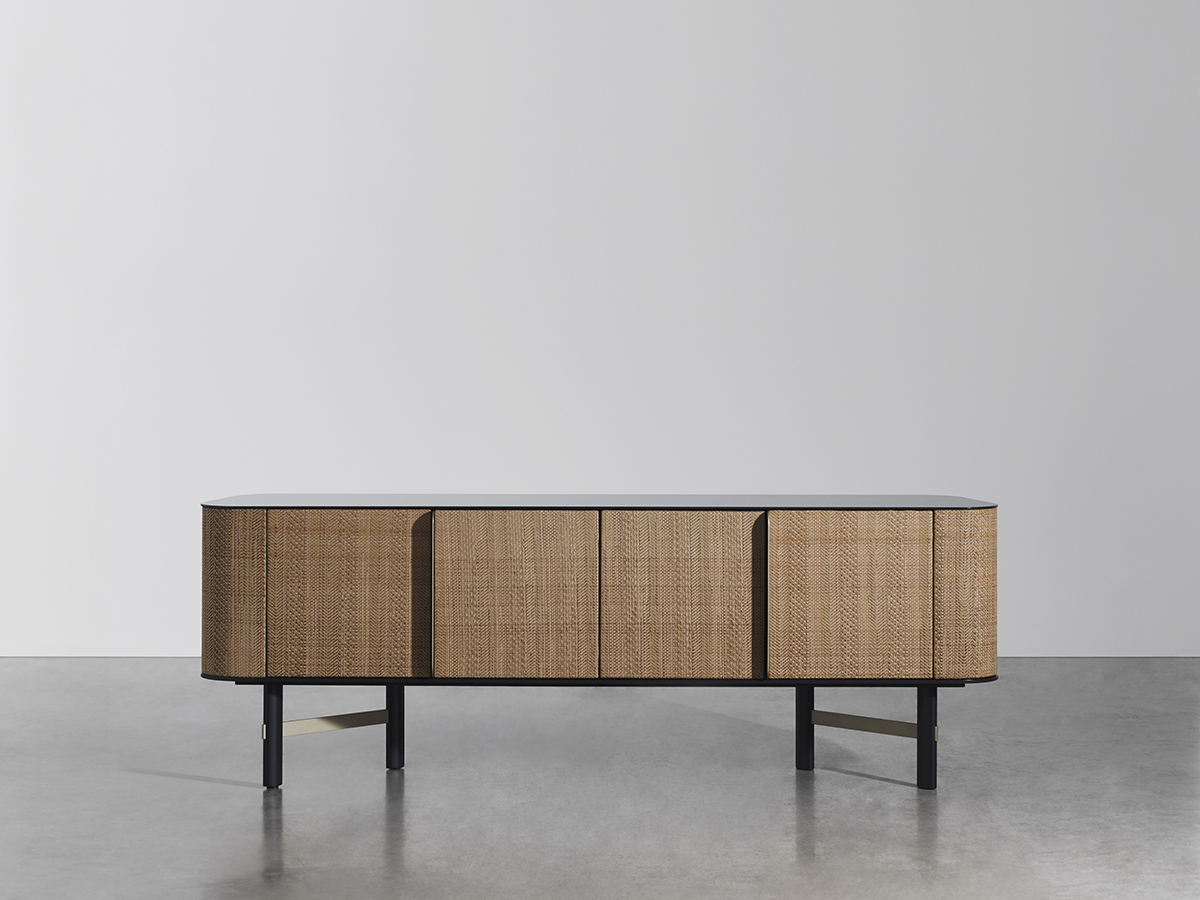
Daen by Gervasoni, design Federico Peri
There’s a growing interest in more refined and tactile materials and craftsmanship, often linked to past traditions: do you believe there’s a conscious revival of these skills underway?
Today, there’s certainly a strong focus on more tactile surfaces, more evident craftsmanship, materials that convey a sense of truth and quality. Partially, there might be a trend component, but in many cases, I see a genuine interest in the value of well-made things. I think the point isn’t simply to recover the past, but to understand how certain knowledge and skills can continue to thrive in the present. When this happens consciously, the result is very interesting, because it avoids both nostalgia and an overly cold approach to design. Perhaps today we feel an even greater need for materials that possess presence, substance, and a quality perceptible not just visually, but also to the touch.
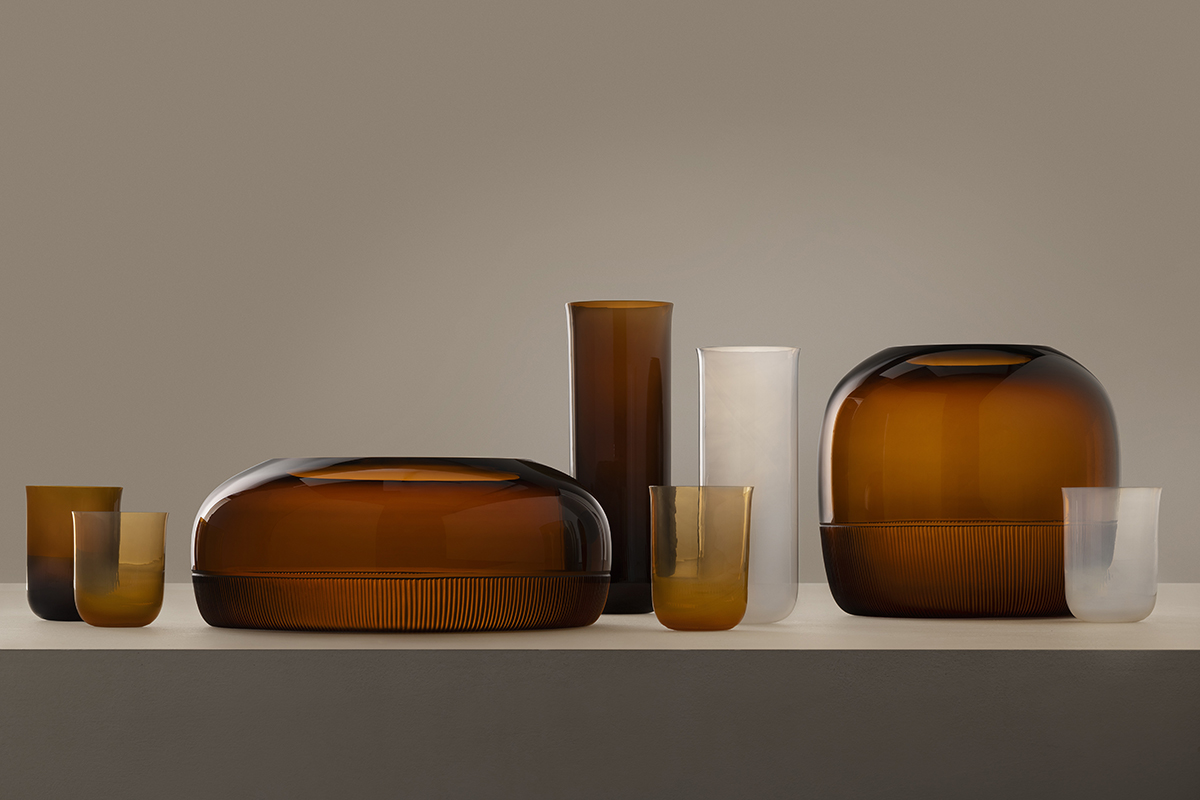
Traccia & Alba by NasonMoretti, design Federico Peri
How do these themes manifest in your work?
History has always been an important source of inspiration for me. I’m very interested in looking to the past, but not to quote it literally. Rather, I try to absorb certain atmospheres, certain proportions, certain ways of understanding material. Hyper-decoration has never truly been my style, even though some colleagues interpret it very well. I feel closer to a measured language, where the mark is present but never overly insistent. I’m interested in an idea of essentiality that concerns both form and materials. When I introduce a decorative component, I prefer to do so in a more subtle way: through a surface, a finish, a detail, a balance between different elements. It’s a quieter kind of intensity, but for me, a more lasting one.
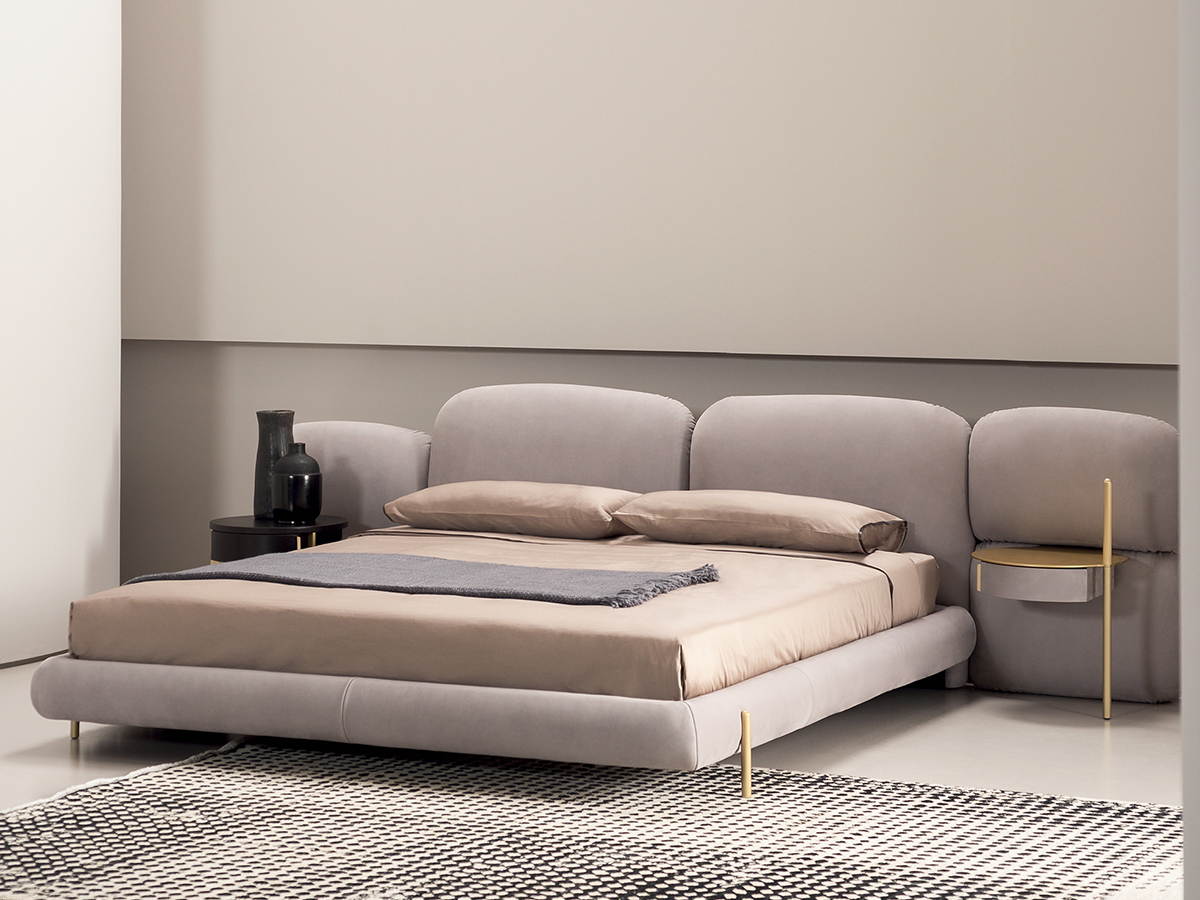
Stone by Baxter, design Federico Peri
Your interiors, as well as your products, always avoid excess, even while integrating decorative elements. How do you build this balance?
I always try to start from a fairly clean and measured base, both in terms of forms and the overall project setup. Then I enjoy working on details, material combinations, and small elements that can add depth without making everything feel too cluttered. Sometimes, very little is needed: a finish, a seam, a texture variation, a calibrated contrast between materials. I strongly believe in decoration that accompanies the project rather than dominating it. I like it when it’s perceptible, but without ever becoming excessive or disconnected from the context.
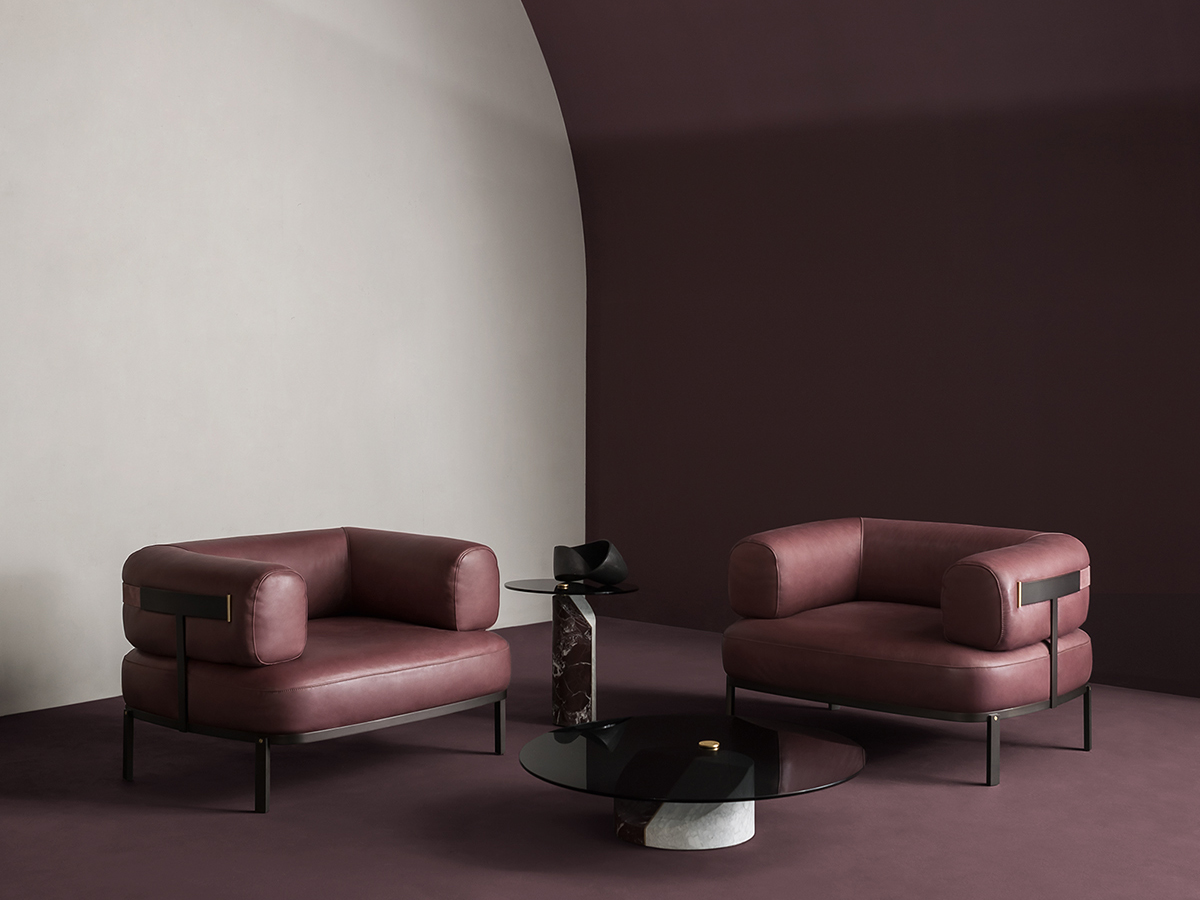
Belt by Baxter, design Federico Peri
Your work is deeply connected to materiality: surfaces, finishes, textures. What role does tactile perception play compared to visual perception in your design?
For me, it plays a very important role. I like authentic materials, those that have a true presence and that also age beautifully over time, acquiring character. I’m very interested in the concept of patina, because it tells the story of time passing without hiding it. Tactile perception, in my opinion, complements visual perception and sometimes even makes it deeper. There are surfaces that are immediately recognized as authentic, not just by how they feel to the touch, but also by how they reflect light, by the way they reveal themselves. In other cases, such as with blown glass, a more decorative and three-dimensional dimension also comes into play, which greatly interests me because it carries a memory of the past, while still remaining within a contemporary language.
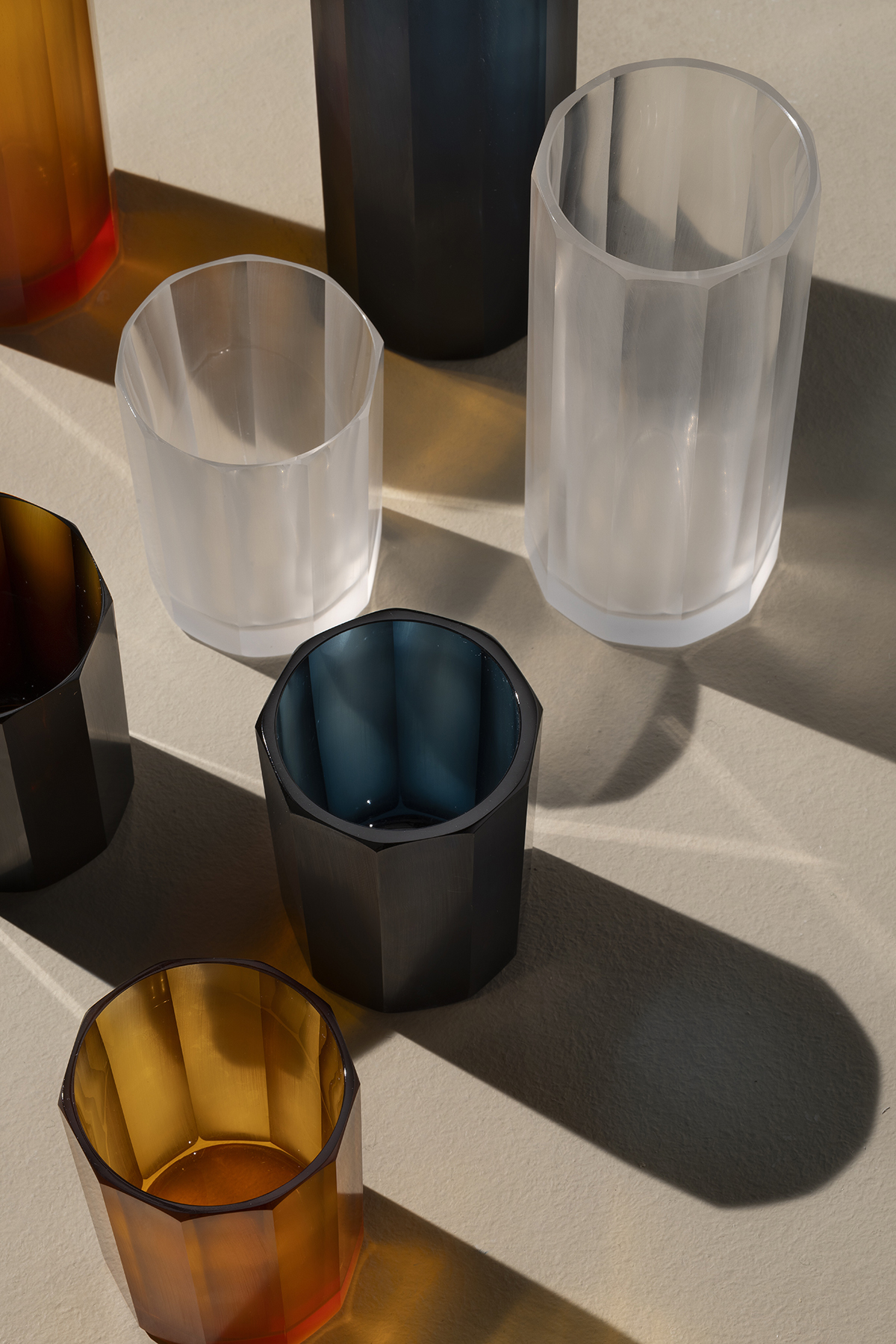
Dodeca by NasonMoretti, design Federico Peri

Lume by Purho, design Federico Peri
In your work, light is never purely theatrical; instead, it contributes to building atmosphere. How do you approach this aspect?
For me, light is fundamental because it truly manages to change how we perceive a space. I like to think of it as something that should create atmosphere, a certain suspension, almost a form of magic, but always with measure. I particularly appreciate warm light, especially around 2700 Kelvin, because I find it more welcoming and natural, even though there are situations that require some variation. I believe light does an enormous amount of work in an interior: a very beautiful space, if poorly lit, can feel uncomfortable or even cold; conversely, a simpler environment can gain great quality if the lighting is well-conceived. For this reason, I never consider it a secondary or merely theatrical element, but a true part of the project.
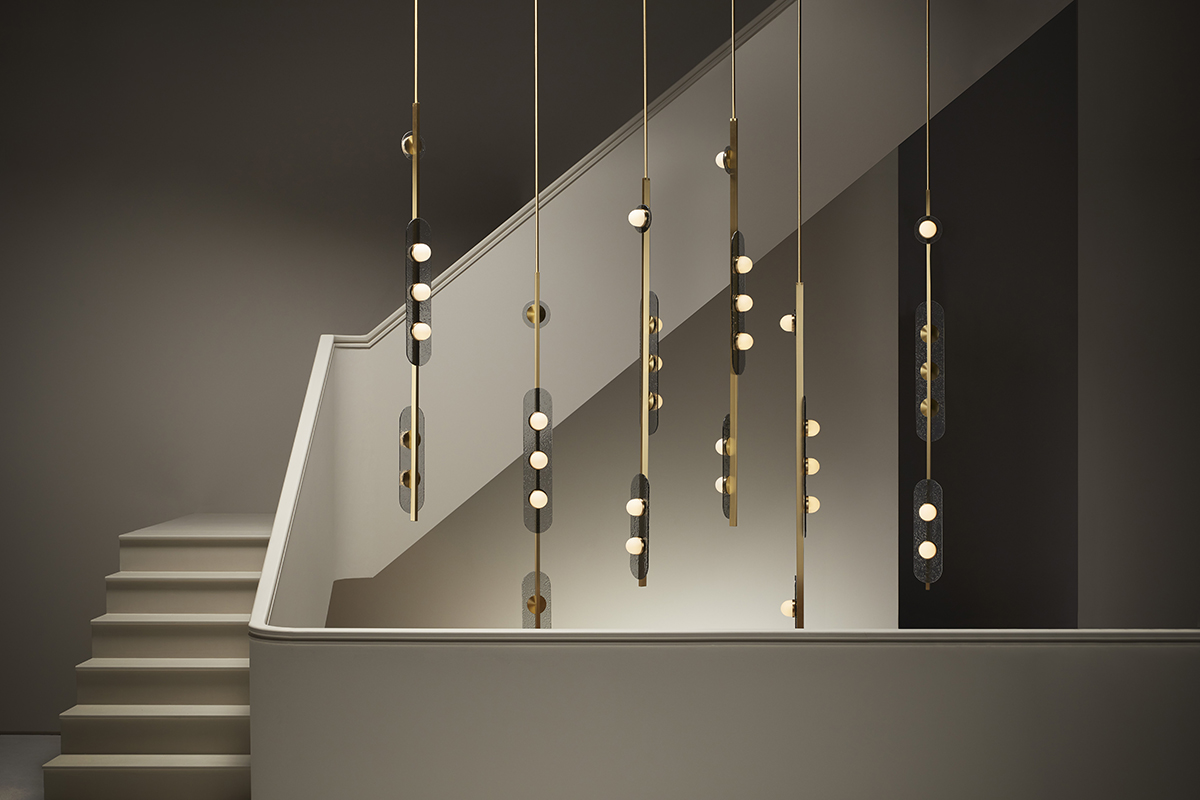
Modulo by CTO Lighting, design Federico Peri
Today, is light more of an architectural or decorative element? Does it tend to blend in or declare itself?
It can be both; it depends a lot on the context. There are lights I almost prefer not to see, and which I find very beautiful precisely because they work indirectly, primarily allowing the effect they produce in the space to emerge. In other cases, however, I like light to declare itself as an object, to have its own presence, its own identity, even when switched off. Personally, I find a balance between these two possibilities interesting. In an interior, there can be more discreet elements and more evident ones, and often it’s precisely this mix that makes it richer. I don’t really believe in absolute choices: light can blend in or become a protagonist; the important thing is that its role is consistent with the atmosphere and the overall design concept.
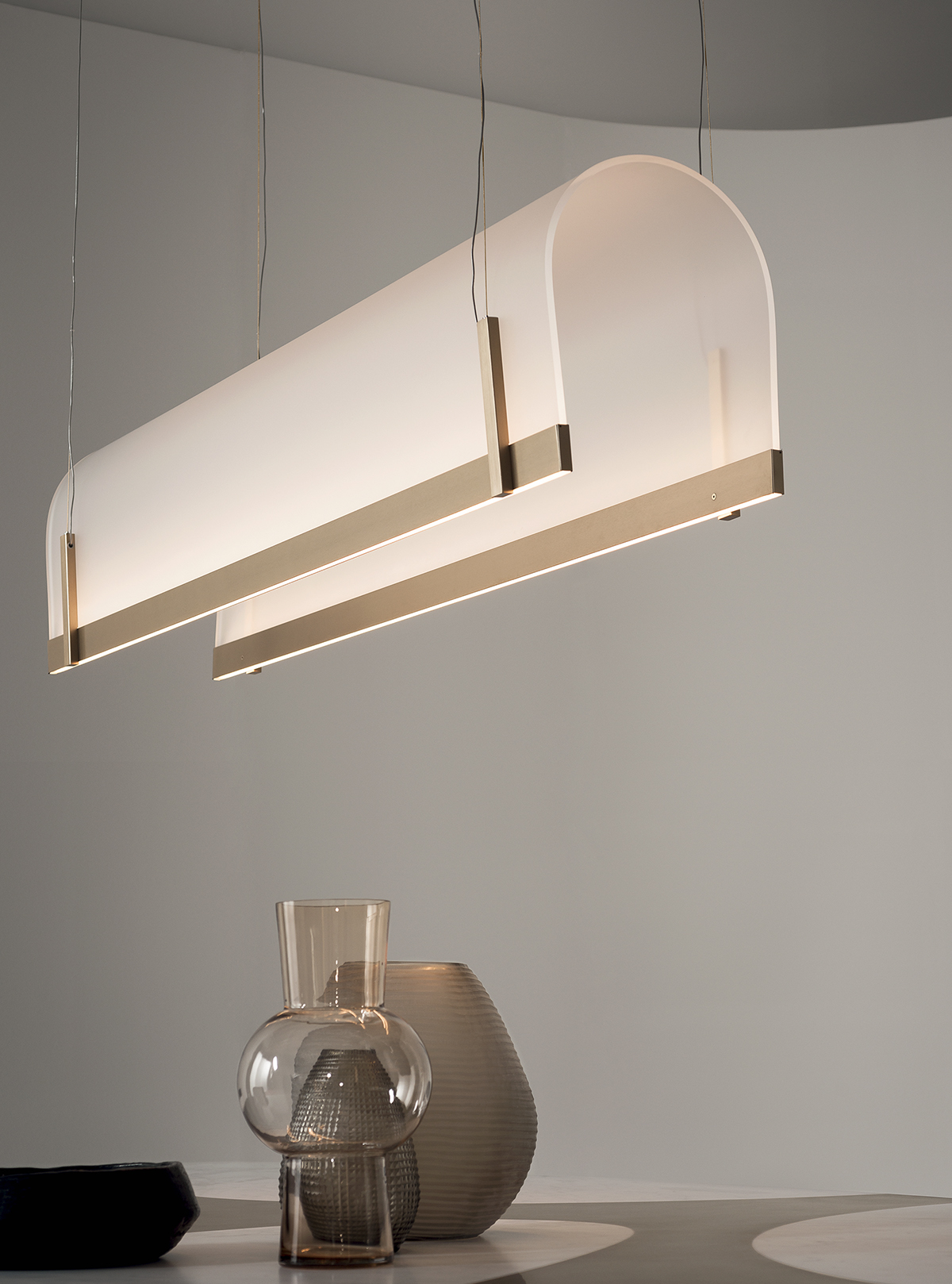
Tunnel by Baxter, design Federico Peri
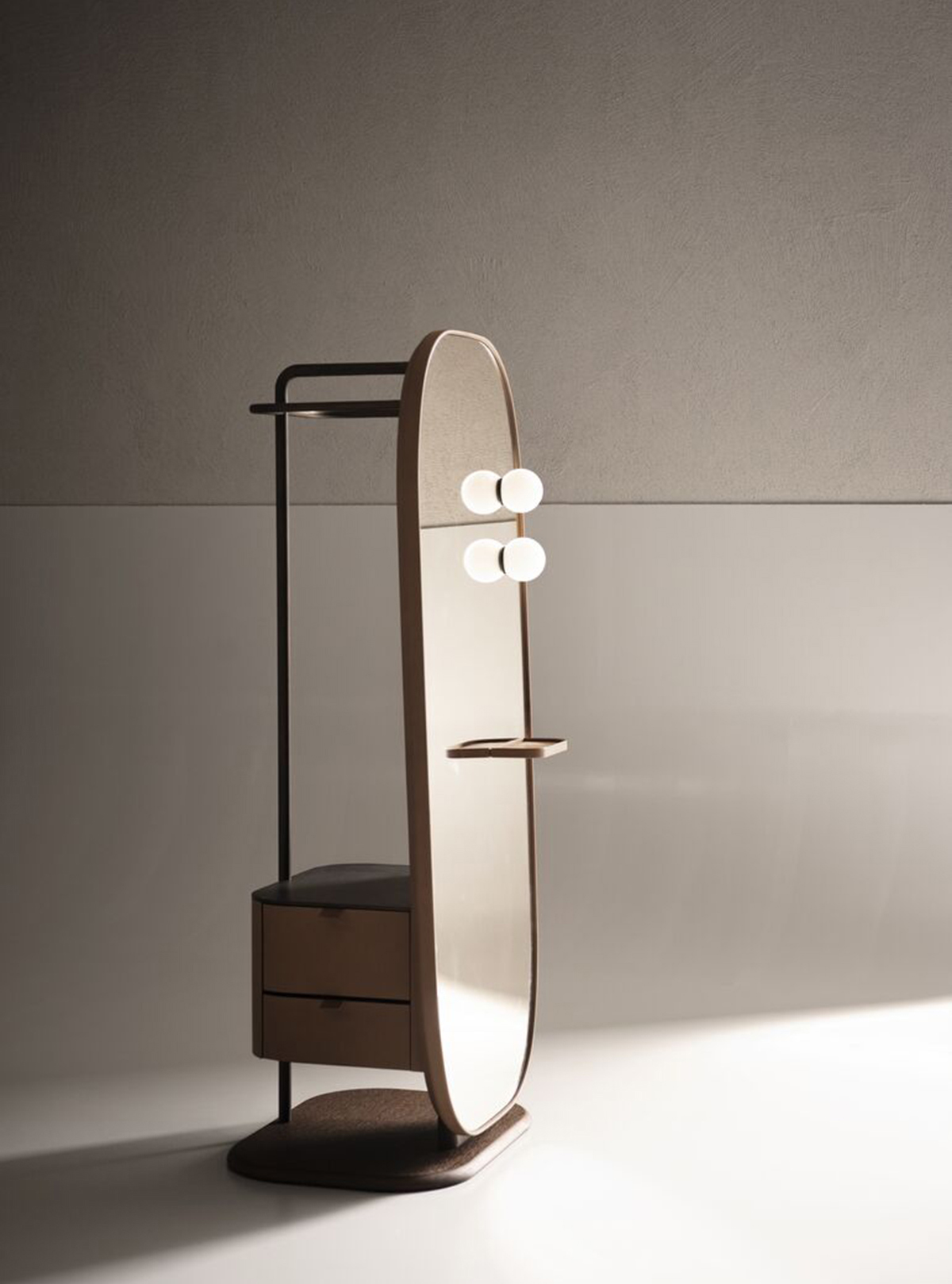
Servomuto Weekend by Baxter, design Federico Peri
How much do you consider the rhythm of natural and artificial light in defining interiors or creating a lamp?
I consider it a very important aspect. Light changes continuously throughout the day, and this greatly impacts the perception of a space. For this reason, in interiors, I believe it’s fundamental to think about different scenarios that accompany the various moments of daily life. The daytime configuration, for example, cannot be the same as the evening one, both in terms of intensity and light quality. Even when I design a lamp, this theme is always present: I don’t just think about the object itself, but also about the type of atmosphere it can create in different situations. In this sense, dimming is certainly a great asset, because it allows for greater flexibility and makes the light much more responsive to the rhythms and ways of living.
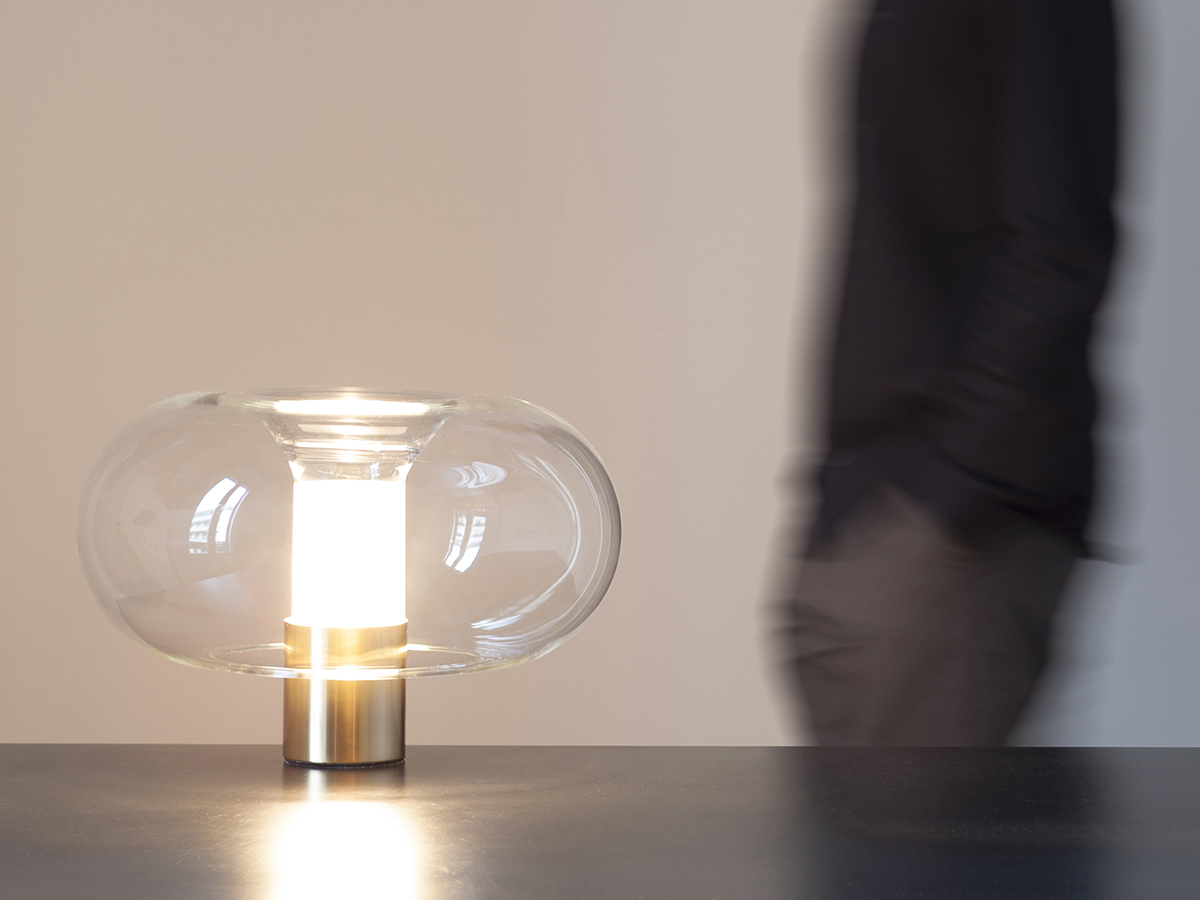
Fontanella by FontanaArte ©Amir Farzad, design Federico Peri
A strong coherence is perceptible in your creations. Does the process start from the relationship with space, with light, or with the object’s functionality?
I would say it always starts from multiple factors simultaneously. When there’s a precise context, be it a space or a company’s DNA, it’s fundamental for me to consider it thoroughly, because that’s where the project begins to make sense. Functionality is equally important: I believe emotion and use must remain closely linked. Today, sometimes there’s a tendency to give more weight to the emotional component, but for me, an object must also function well and create a natural relationship with its user. Light also often enters this process, because it modifies how a form is read and perceived. Coherence, if present, I believe arises precisely from this balance between context, function, and sensibility.
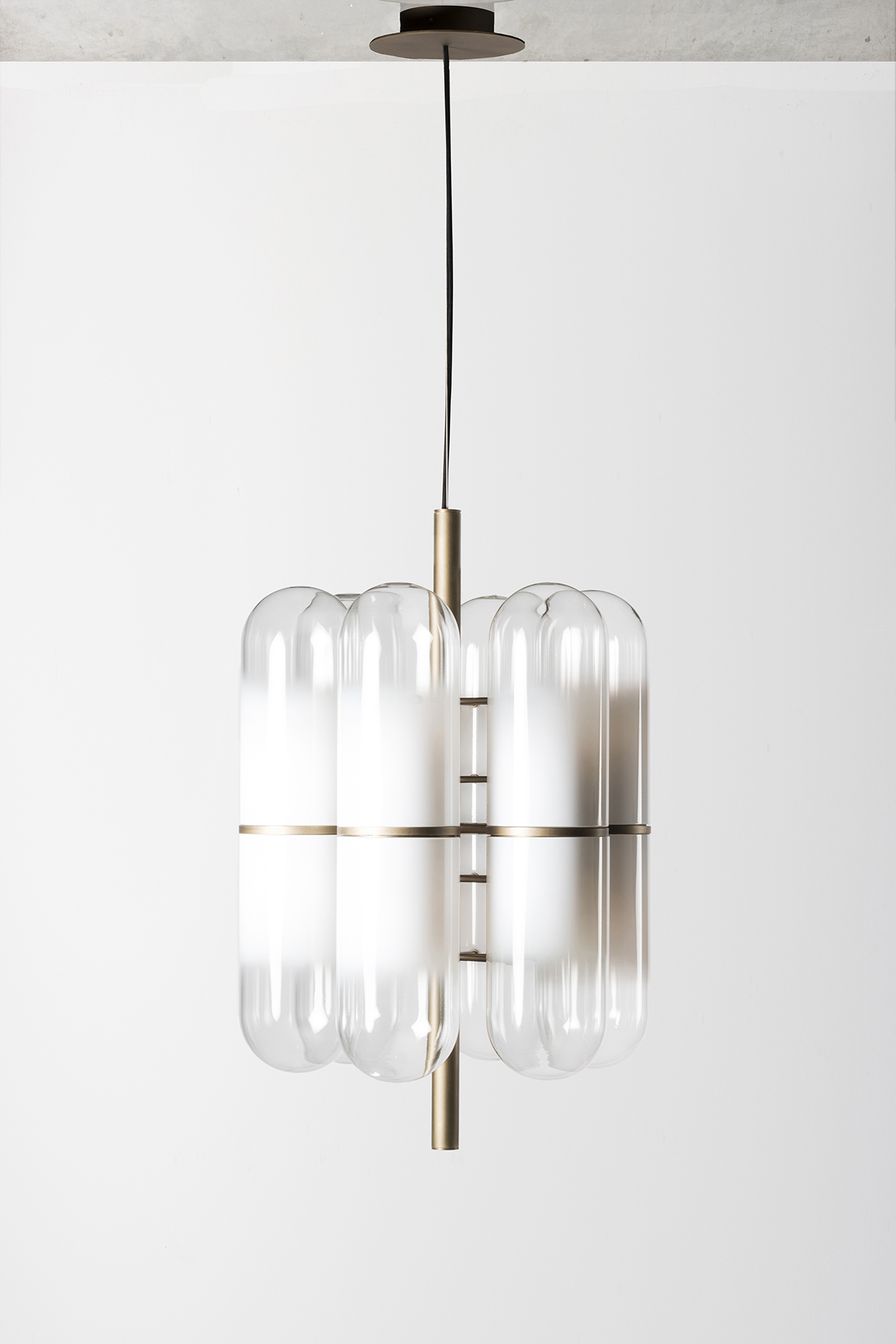
Charlotte by Nilufar, design Federico Peri – Photo © Daniele Iodice
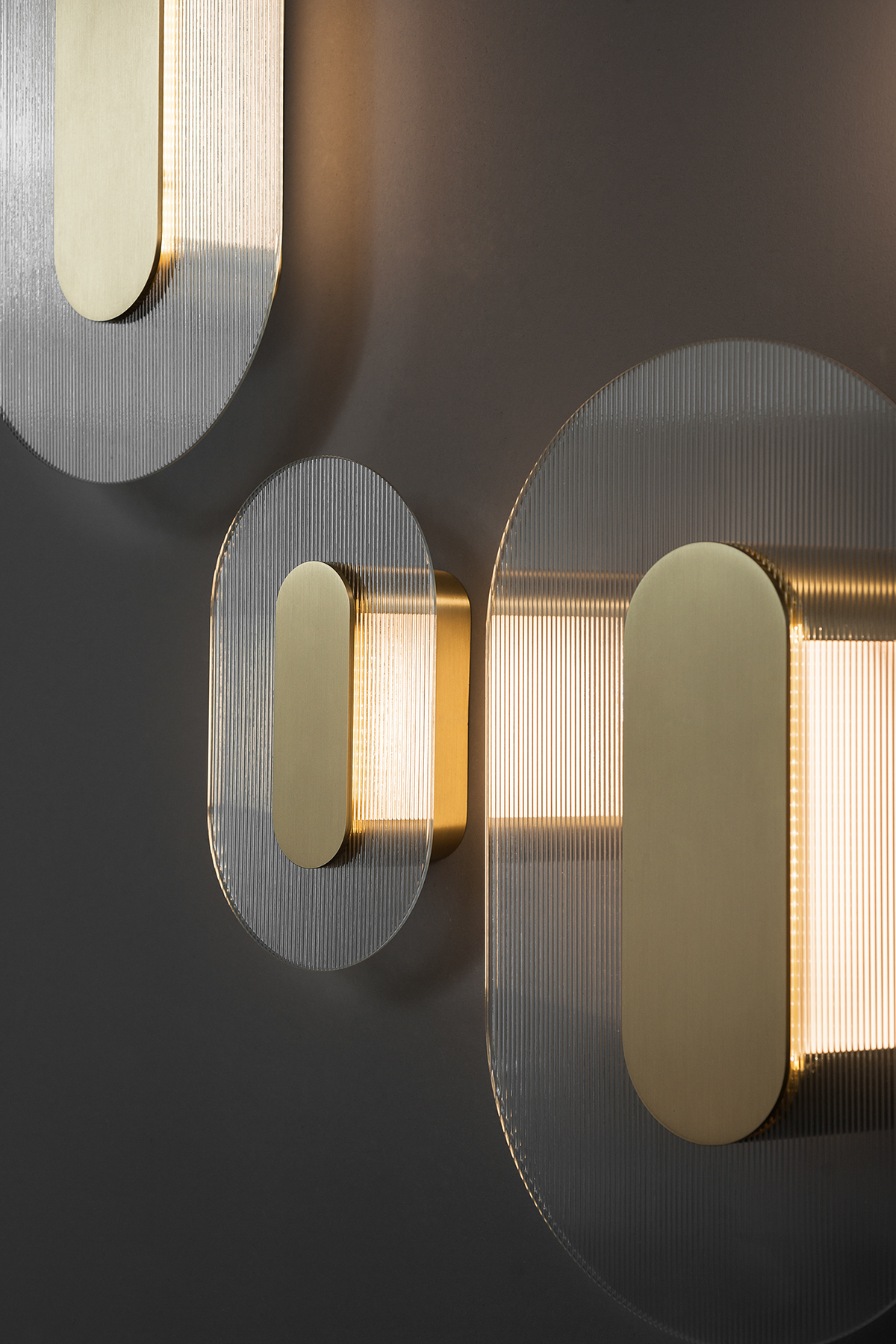
Button by Baxter, design Federico Peri
Can you give us a preview of any new developments or projects you’ll be presenting during Milan Design Week?
This year’s Design Week will be slightly different for me compared to other editions, where I was primarily focused on launching new products. There will be some updates, including new finishes that significantly alter the perception of objects, as in the case of Baxter. However, a significant part of my work will be primarily linked to artistic direction and the creation of experiences. For Carpanese Home, for example, we will present the results of the past year’s work, developed with various invited designers for the new collection, at Via Statuto 4. I will also be involved in a project with Radisson Hotels, showcased through a tour on a specially outfitted Milanese tram. Finally, there will be Desoo (an acronym for DEsign SOOn), a new design platform for which we have conceived a series of photobooths installed in key locations throughout the week.