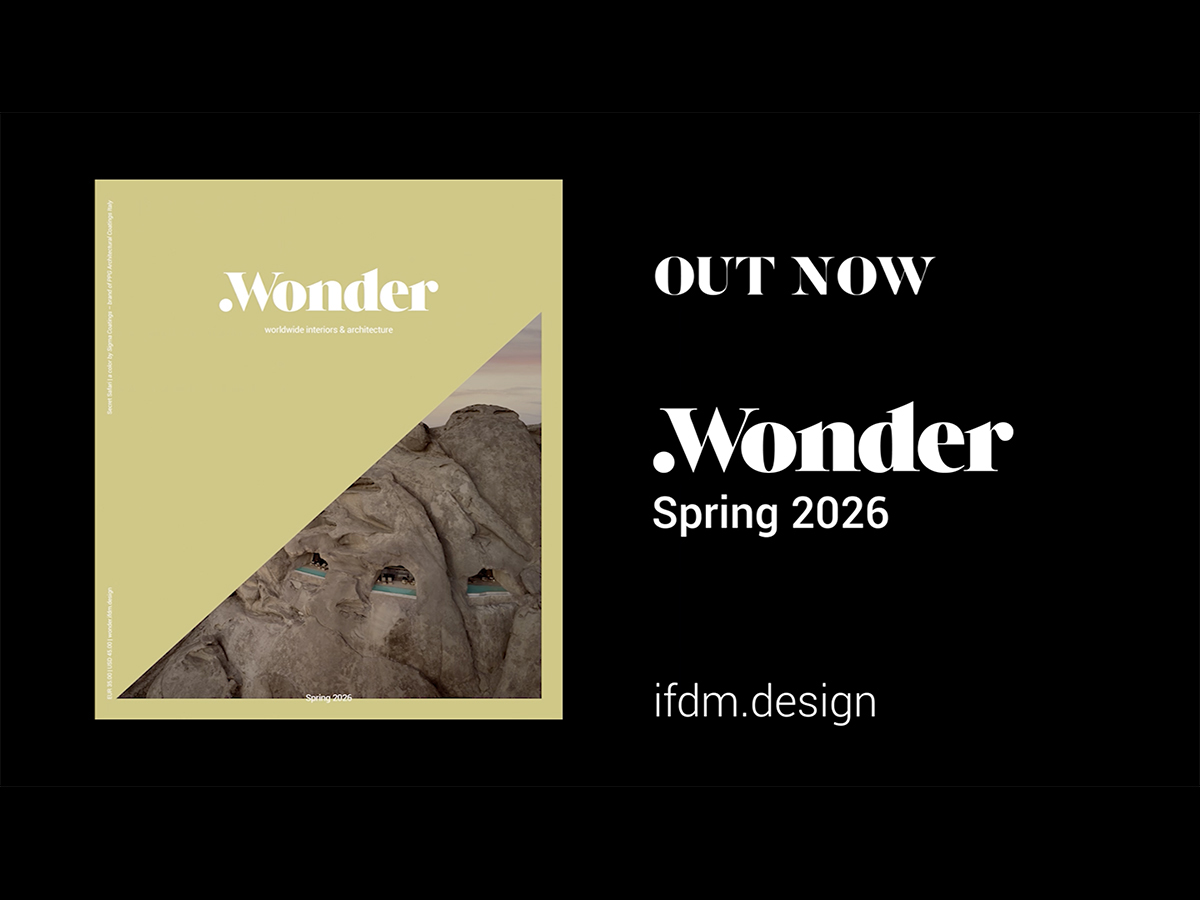
Wonder Book by IFDM is a publication – print & digital – published four times a year, a retrospective of interior design and architecture projects from around the world. In this new spring issue, we chronicle spaces and buildings from Norway, China, Sweden, Spain, Italy, France, the U.S. (and the list goes on) for 192 pages, chronicling the evolution of creative thinking and taste through images, text and interviews. With a focus on the relationship between art and decoration, supported by three important voices.
It’s all about colours
by Paolo Bleve – Publisher & Editorial Director
This Spring edition, which kicks off the 2026 .Wonder Book series, brings together designers to explore the theme of colour, its use and its meaning: many of the projects featured here place colour at the forefront, sometimes with bold and striking choices. And speaking of colour, the .Wonder collections welcome a new partner. The covers of the four 2026 editions and the released Colour Stories are by Sigma Coatings – a brand of PPG Architectural Coatings Italy – which will reveal the trends and variations of colour from every angle.
Three interviews, each different from the other, but all three rooted in reality: Champalimaud Design, Vudafieri Saverino and Pierre-Ives Rochon. For anyone passing through Cologne, we recommend a visit to the town of Brühl, where, in addition to the museum dedicated to Max Ernst, there is an architectural gem: the renovation of the Town Hall and the construction of the adjoining library. A project that the JSWD studio has executed with great taste, proving that beauty and functionality do not always require a bottomless budget.
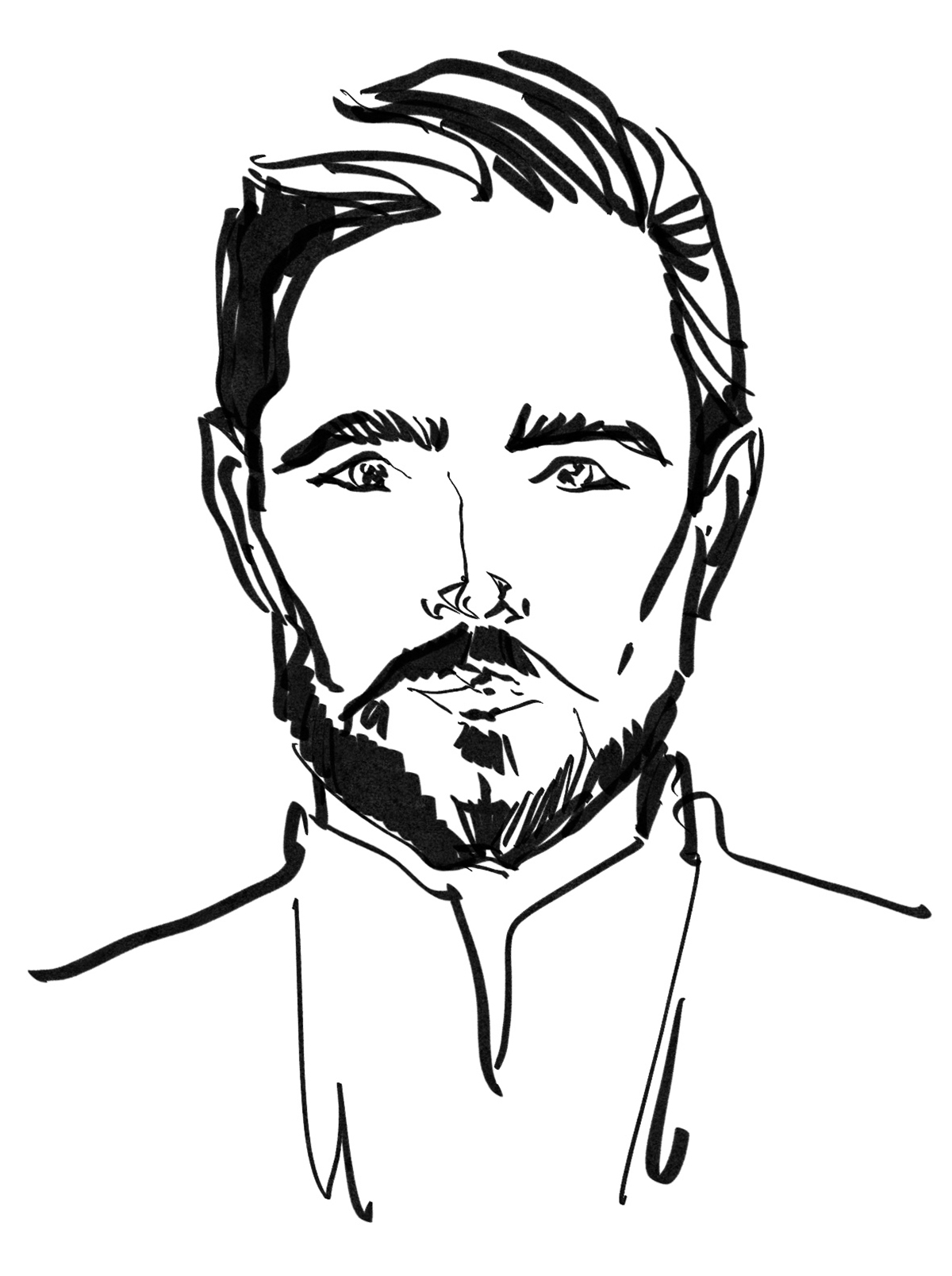
Paolo Bleve – Publisher & Editorial Director
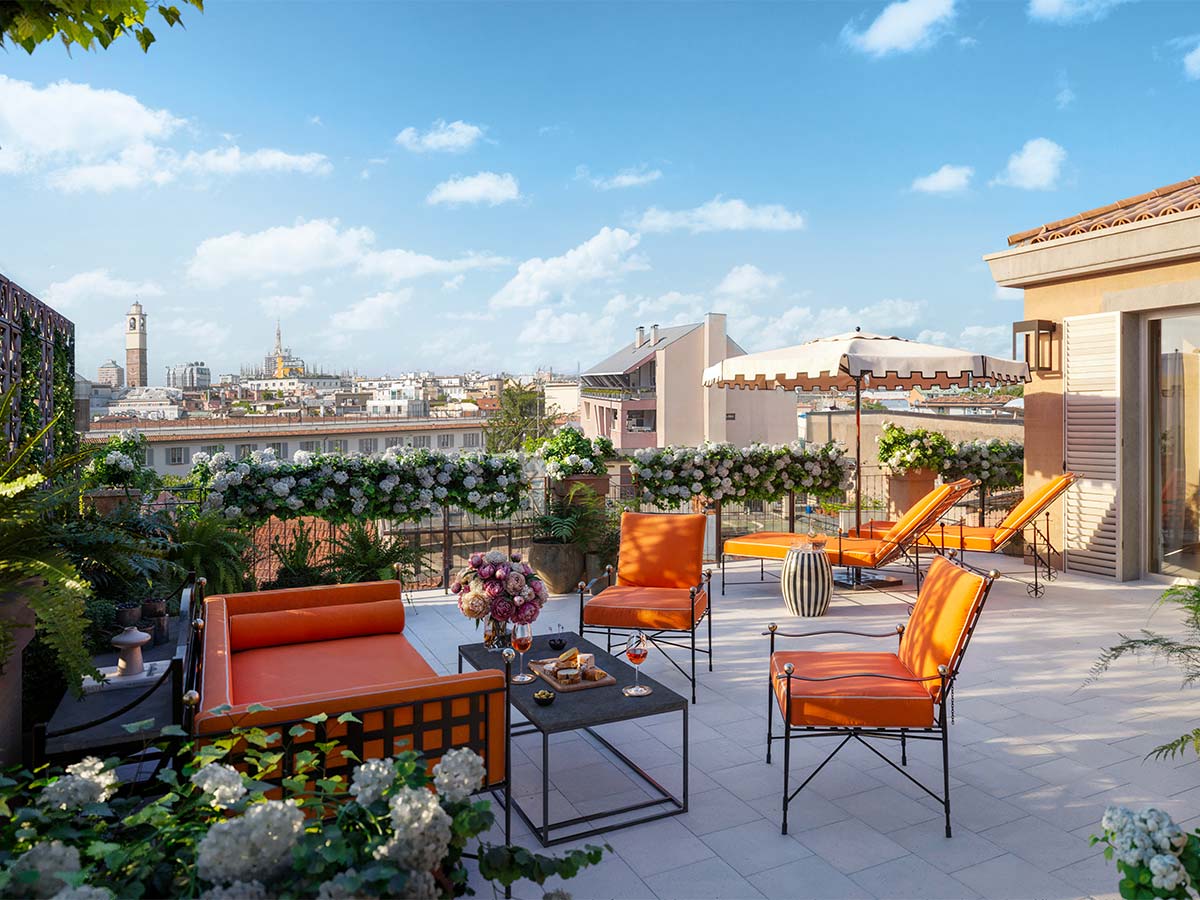
Anyone who claims that hospitality projects all end up looking rather similar has not seen the Efteling Grand Hotel in the Netherlands, where the bold and distinctive use of colour has been a resounding success; the Indigo Nalati in Kazakhstan, where materials cherished by Kazakh nomads take centre stage to create a historic gem nestled beside the Tian Shan Mountains; and the neoclassical The Carlton in Milan. The Netherlands also stands out for the redevelopment of the Nederlands Fotomuseum, where images are presented alongside imposing architecture, almost a challenge between 2D and 3D. India Mahdavi’s debut in museum design is sure to make an impression; together with Eric Langdalen, she has designed the unmissable Po-Mo – both for its packaging and its contents – in the Norwegian city of Trondheim. The Creator Economy demands spaces in its own image, and so The Lighthouse has emerged in California, featuring networking spaces alongside private, quiet areas.
These are just a few of the 21 design gems you’ll discover as you leaf through the book, alongside an in-depth feature – perfectly timed for the season – on the latest outdoor collections, accompanied, as is tradition, by the ‘Madames of Beauty’: the .Wonder Pages.
Hybrid and human-centric
by Alessandra Bergamini – Deputy Editor of .Wonder Book
A mong the 21 projects featured in this Spring edition of Wonder Book, we highlight the Taichung Green Museumbrary. Inaugurated in December 2025, it was envisioned by its clients as “an integrated cultural venue,” designed to merge two distinct institutions: the Taichung Art Museum and the Taichung Public Library. Beyond its openness to the exterior and to people, the architecture here appears connected and hybrid, both in form and function. The name itself is a hybrid, a word blending two terms to create a new meaning. Spaces designed for culture, and indeed for institutions in general, are increasingly falling into the category of ‘third places’ – following home and work as first and second, respectively.
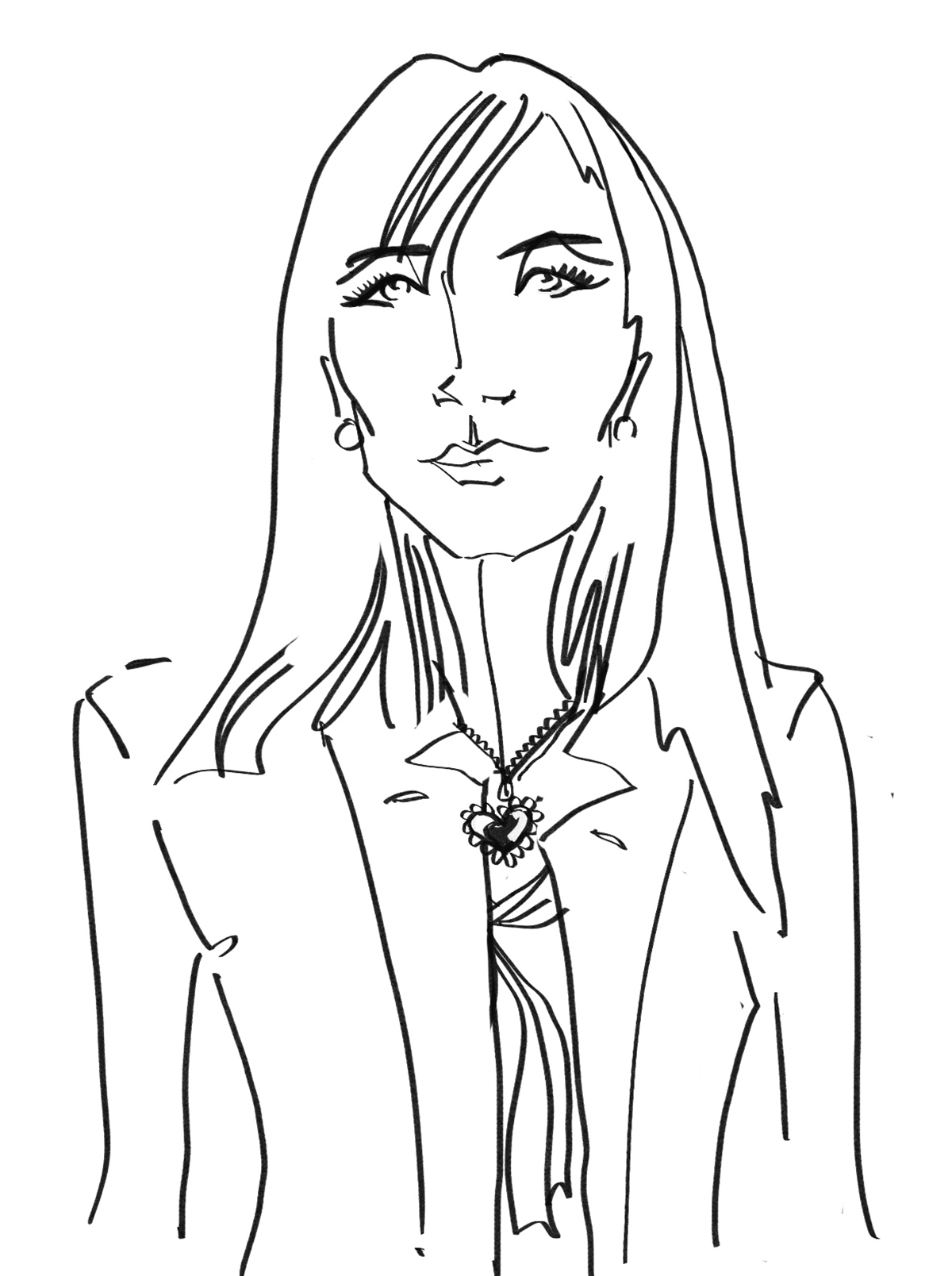
Alessandra Bergamini – Deputy Editor of .Wonder Book
This concept was identified by American sociologist Ray Oldenburg in his essay The Great Good Place, describing them as “informal public gathering places” such as cafes, bookstores, gardens, civic centers, “and other hangouts.” These are crucial venues for meeting and exchange, fundamental for building and consolidating a sense of community and belonging. This category can also encompass art galleries, museums, libraries, and theaters, when conceived as cultural/civic infrastructures open to people and their desire for physical, real-world connection. Beyond the Taichung Museumbrary, this Spring 2026 edition also features the Brühl City Hall and Library in Germany, the Nederlands Fotomuseum in Rotterdam, and Norway’s Pomo Museum.
Moreover, the aspiration for hybrid functionality – both architectural and service-oriented – is frequently sought and articulated in hospitality projects. For many years now, hotels have aimed to expand and enhance the concept of hospitality, transforming into hybrid venues. These are often inspired by the genius loci and are open to the wider community, not just their guests, offering a range of distinct spaces for various functions (bars and restaurants, co-working areas, event rooms, gardens, and rooftops), or even multi-functional spaces adaptable to different uses depending on needs or times of day. Examples include The Ostendian in Antwerp, the Mondrian Gold Coast on Australia’s Burleigh Heads coast, the Thompson Hotel in the heart of Madrid, and The Carlton in Milan’s fashion district.
This ‘hybridization’ also extends to the design of workplaces, where the most ‘evolved’ examples now offer services typically associated with hospitality, such as gyms and spas, restaurants run by renowned chefs, kindergartens, and informal meeting spaces. The hybrid nature of designed spaces, regardless of category or typology, also stems from the desire of clients and designers to understand people’s lifestyles and rhythms, and how they actually utilize public or shared spaces. There is a strong link between the hybrid character of places and their ability to foster connections and community. If ‘hybrid’ implies openness, integration, and blending, then it represents a decidedly human-centric design approach. As Ed Bakos, CEO of Champalimaud Design, remarks in his interview, it’s about seeking “out of empathy the humanist essence of design”.