Since its debut in New York in 2007 at the hands of Barry Friedman and Marc Benda, Friedman Benda has rapidly established itself as a driving force in the contemporary design landscape. Its founding mission—to create a dialogue between design, craft, and art—has significantly redefined the collectible design market. Recognized for promoting both established masters and emerging global talents, the gallery has played an instrumental role in fostering critical debate and expanding the perception of design as an art form.
Its influence is built through an exhibition program with a distinct curatorial vision, in-depth publications, and platforms for discourse like the “Design in Dialogue” series, which amplifies the voices of contemporary thinkers. This unwavering commitment to pushing creative boundaries and offering a deep perspective on design’s historical trajectory has solidified the gallery’s position among international collectors.
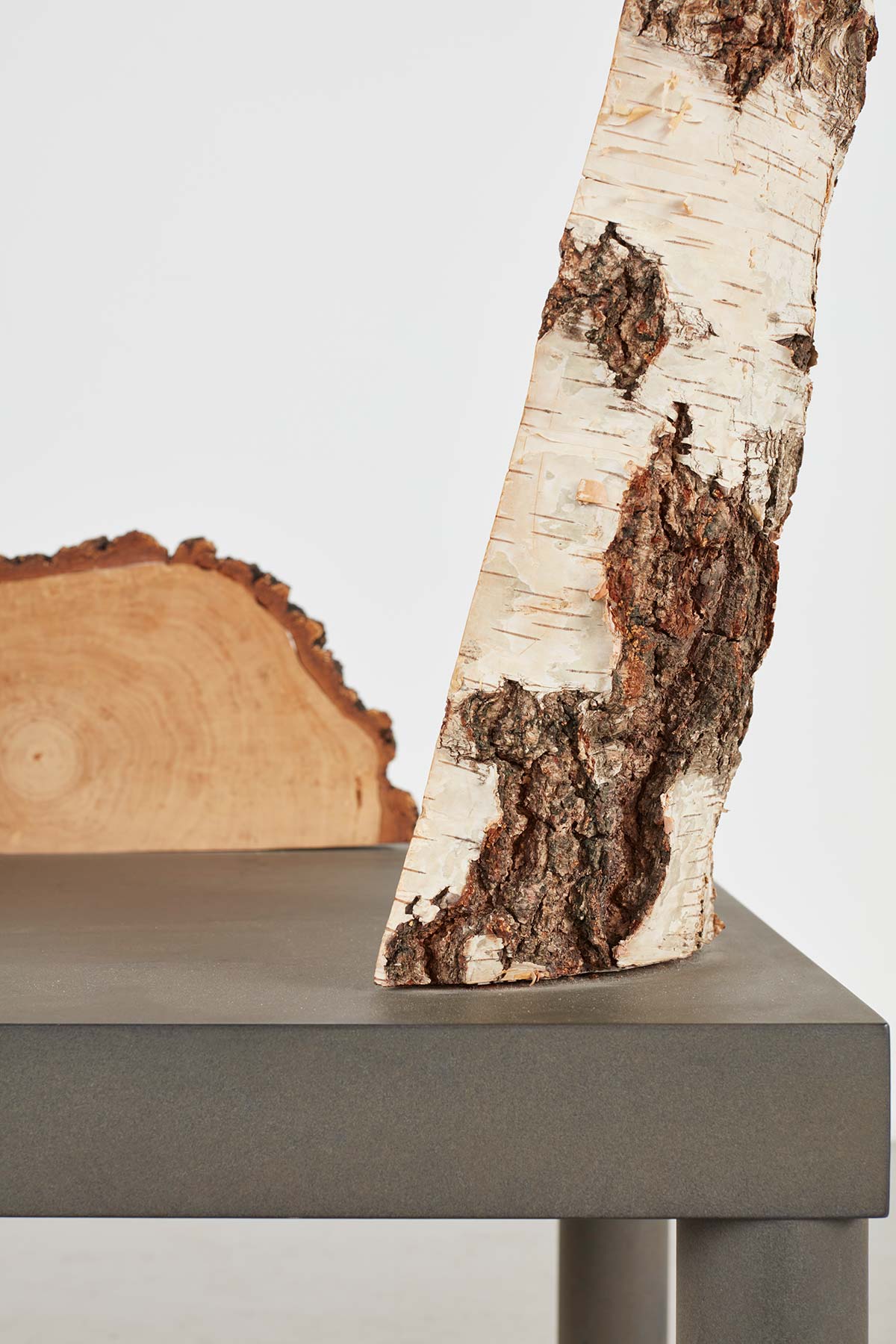
Animali Domestici Chair (close-up), design Andrea Branzi – Photo © Timothy Doyon, courtesy of Friedman Benda and Andrea Branzi
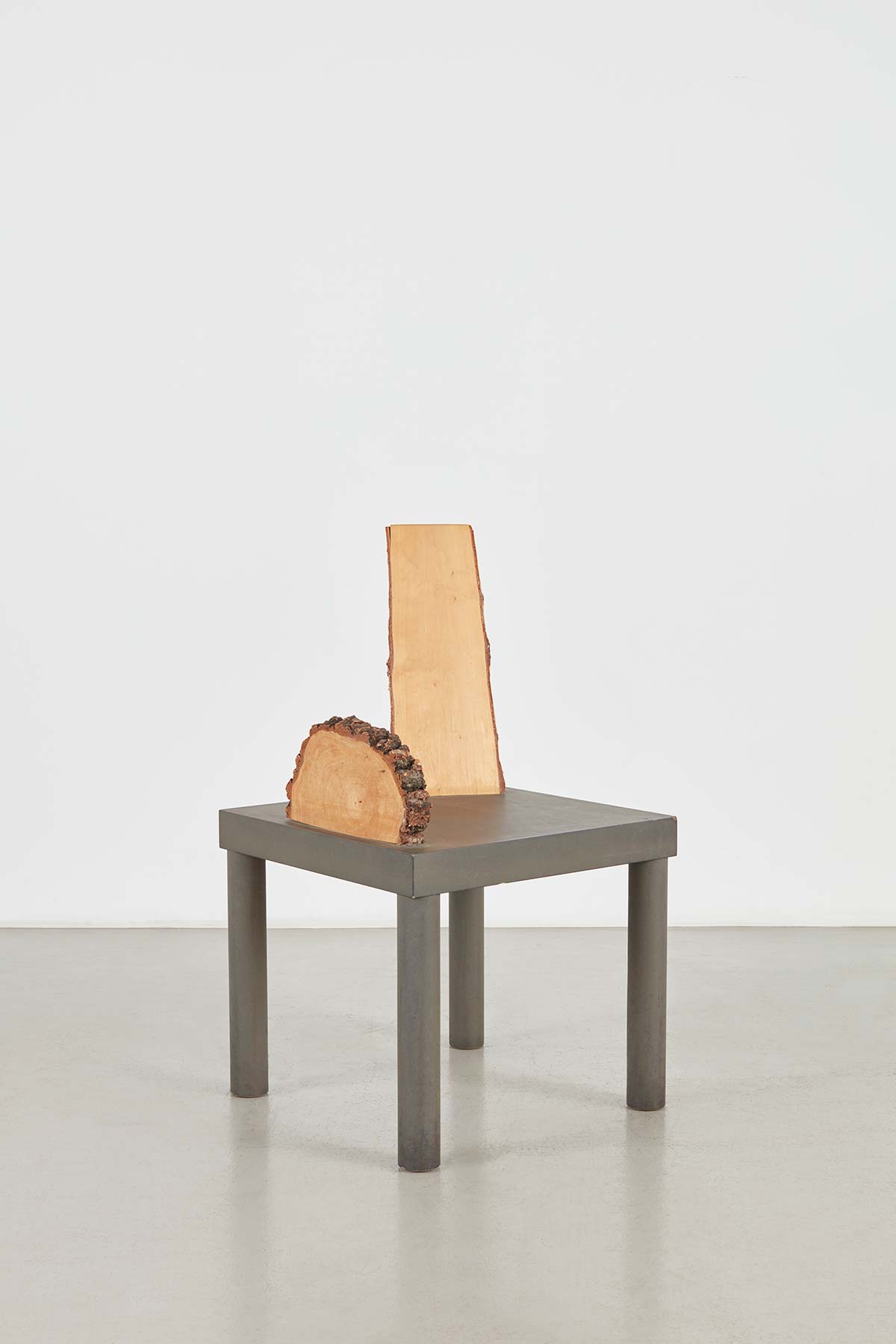
Animali Domestici Chair, design Andrea Branzi – Photo © Timothy Doyon, courtesy of Friedman Benda and Andrea Branzi
This dedication to presenting influential work is reflected in the gallery’s rich exhibition program. In New York, for example, Ferréol Babin‘s solo show, “In a Landscape,” is currently underway, while “SYMBIO” the long-awaited return of Joris Laarman, is set to open shortly. This commitment extends to Italy with the highly anticipated Andrea Branzi exhibition at Triennale Milano (through October 4), an event that further underscores the gallery’s role in celebrating contemporary design’s most impactful figures.
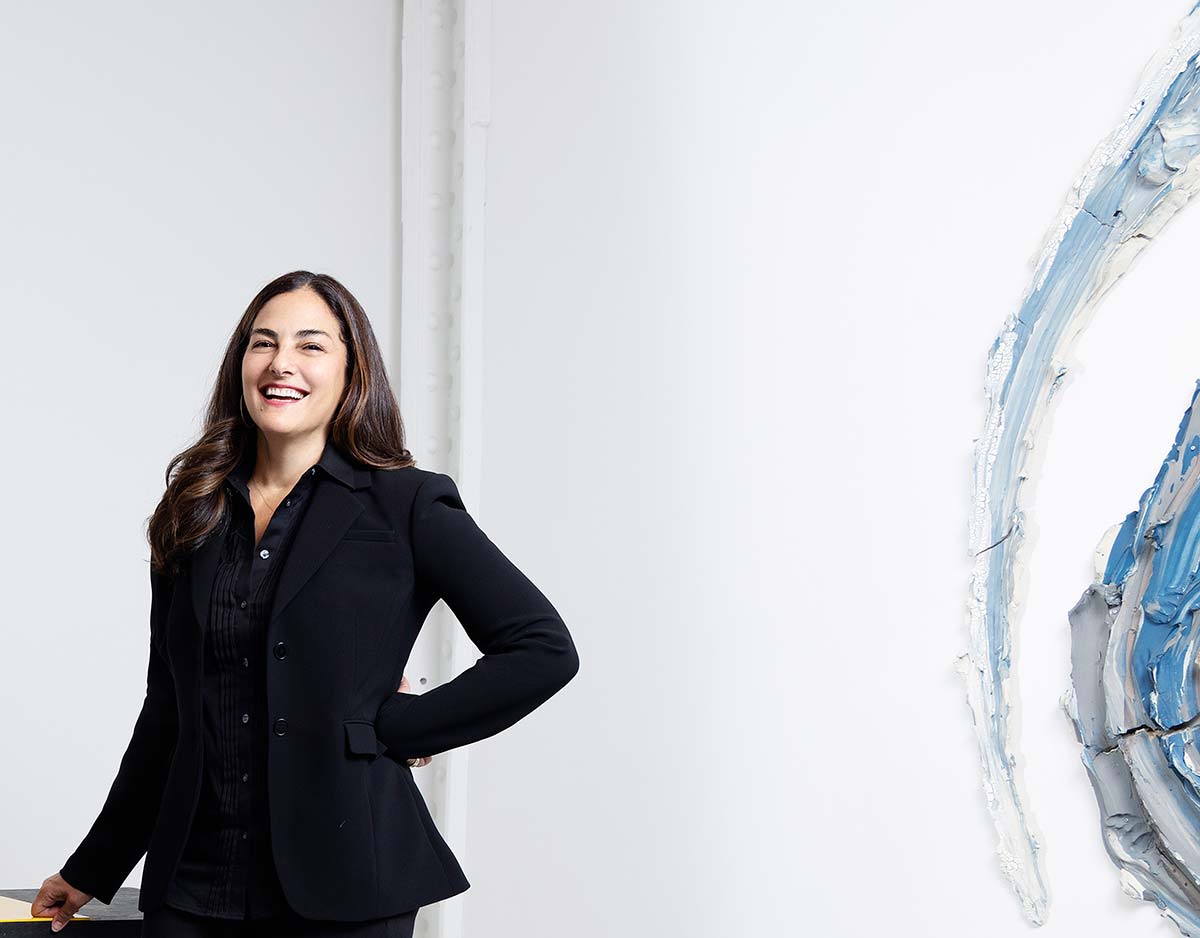
The Milan exhibition dedicated to Andrea Branzi provided the perfect opportunity for a dialogue with gallery partner **Jennifer Olshin**. It was a chance to trace the key milestones and future trajectories of Friedman Benda, exploring from the inside the vision that has guided its rise in the global design landscape.
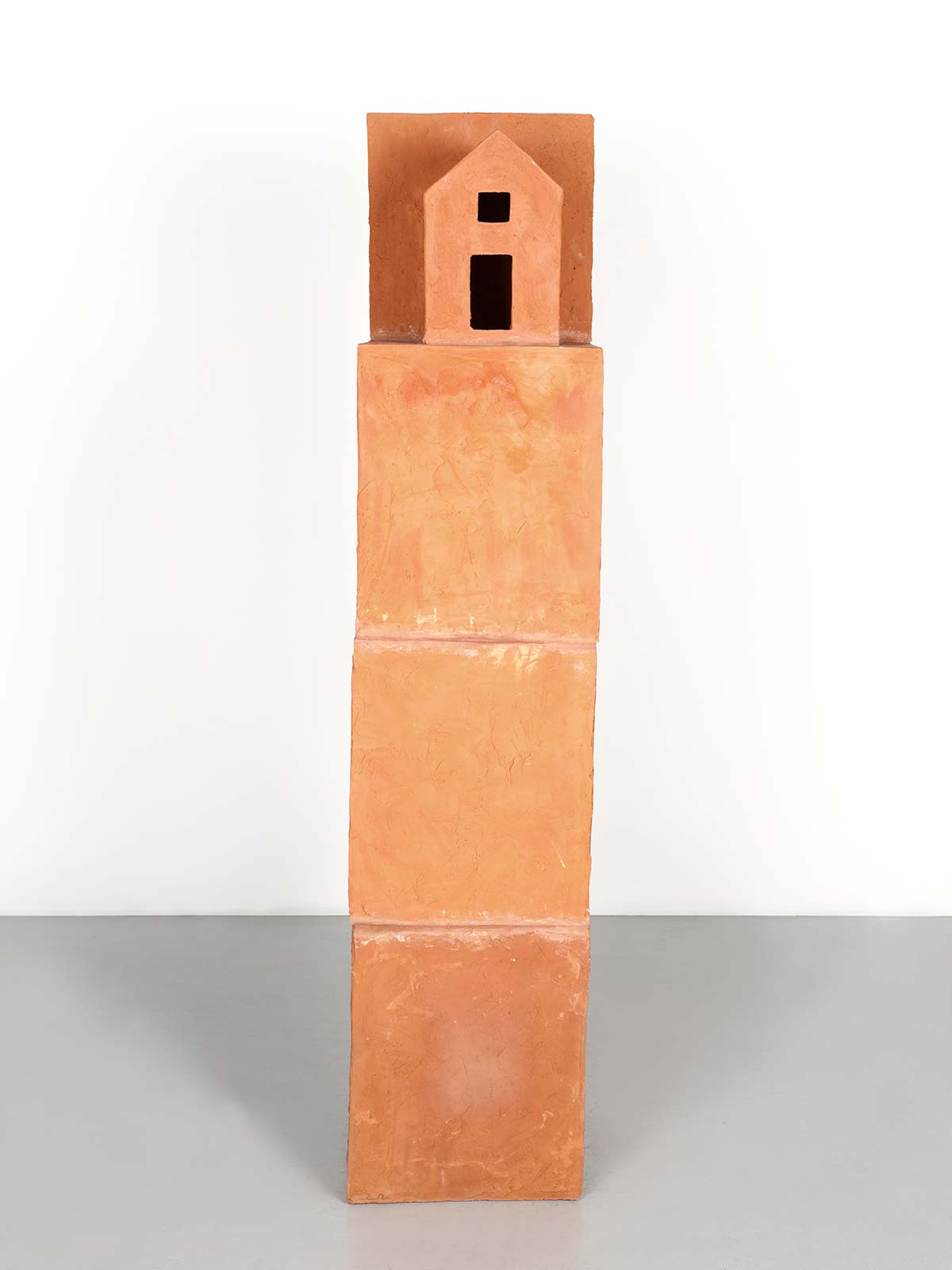
Erme 1, design Andrea Branzi
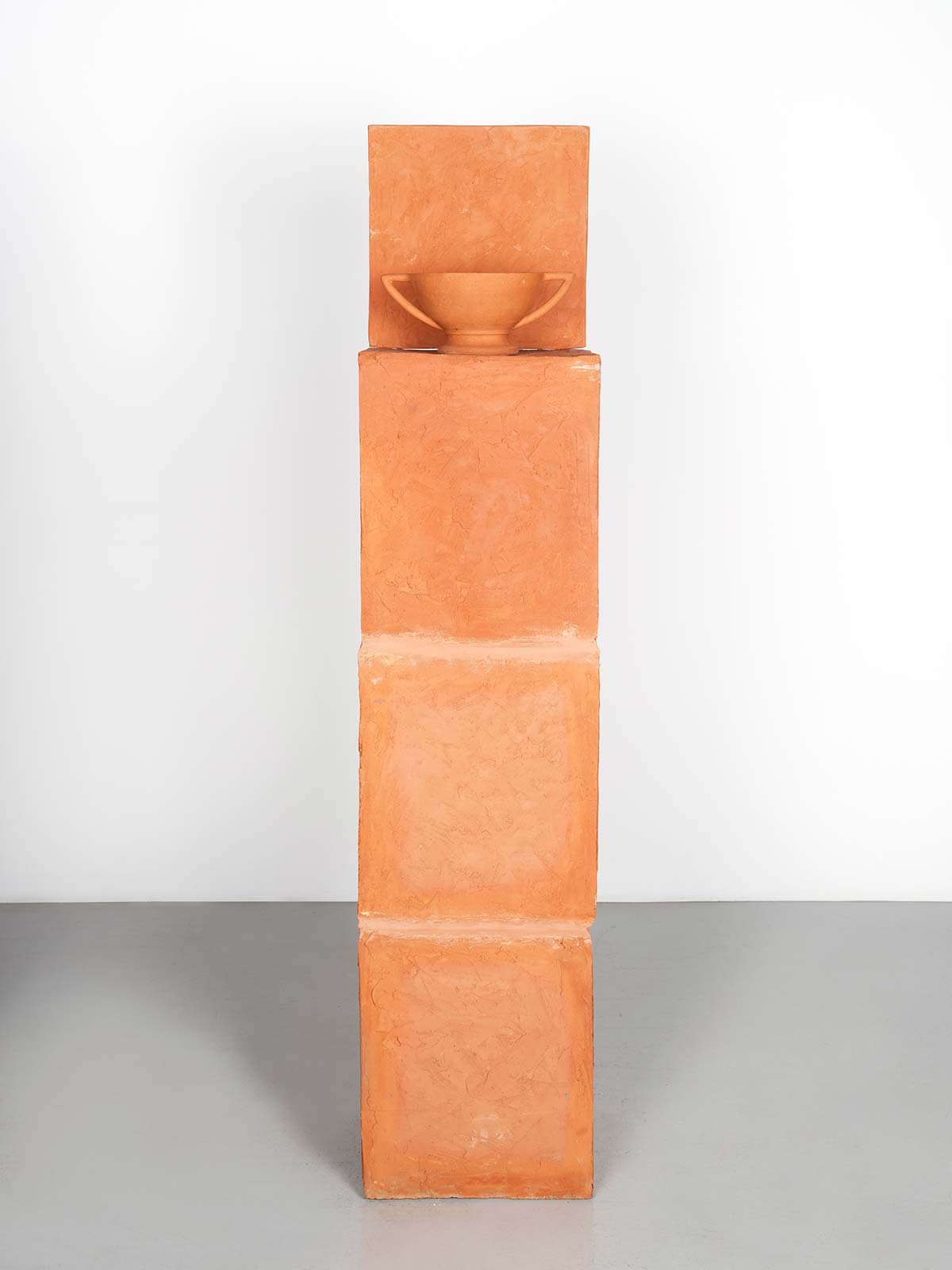
Erme 2, design Andrea Branzi
The gallery was founded in 2007 with the aim of bridging the gap between design, craft, art, and architecture. Could you tell us how this initial vision, born from the collaboration between Marc Benda and Barry Friedman, has evolved over the years, leading the gallery to play such a central role in shaping the collectible design market?
Our vision has definitely evolved. We opened with Ettore Sottsass, a monumental figure whose expansive worldview set our open-minded ethos. His work remains a point of departure for us, even nearly 20 years later. This inspiration allows us to span a wide range, from his 1950s ceramics to Raphael Navot‘s contemporary sculptural armchairs. Our long-term relationships with studios are also central. With nendo, we explored repetition and iteration, while with designers like Andrea Branzi and Joris Laarman, we’ve followed their evolution through multiple bodies of work. For instance, we first introduced Laarman’s ‘Bone’ series to museums before any public exhibition. His upcoming show will delve into his core narratives of technology and nature—themes that also connect to Branzi. Over time, we’ve added new generations and cultural perspectives, from the estates of American studio godfather Wendell Castle to the Korean sculptor Byung Hoon Choi, to emerging talents like Misha Kahn and Barbora Żilinskaitē. This mix creates a fascinating and complex network of inspiration. Established designers stay relevant by embracing new ideas, as seen in Branzi’s last show, which felt incredibly fresh, showcasing his continuous, almost youthful instinct.
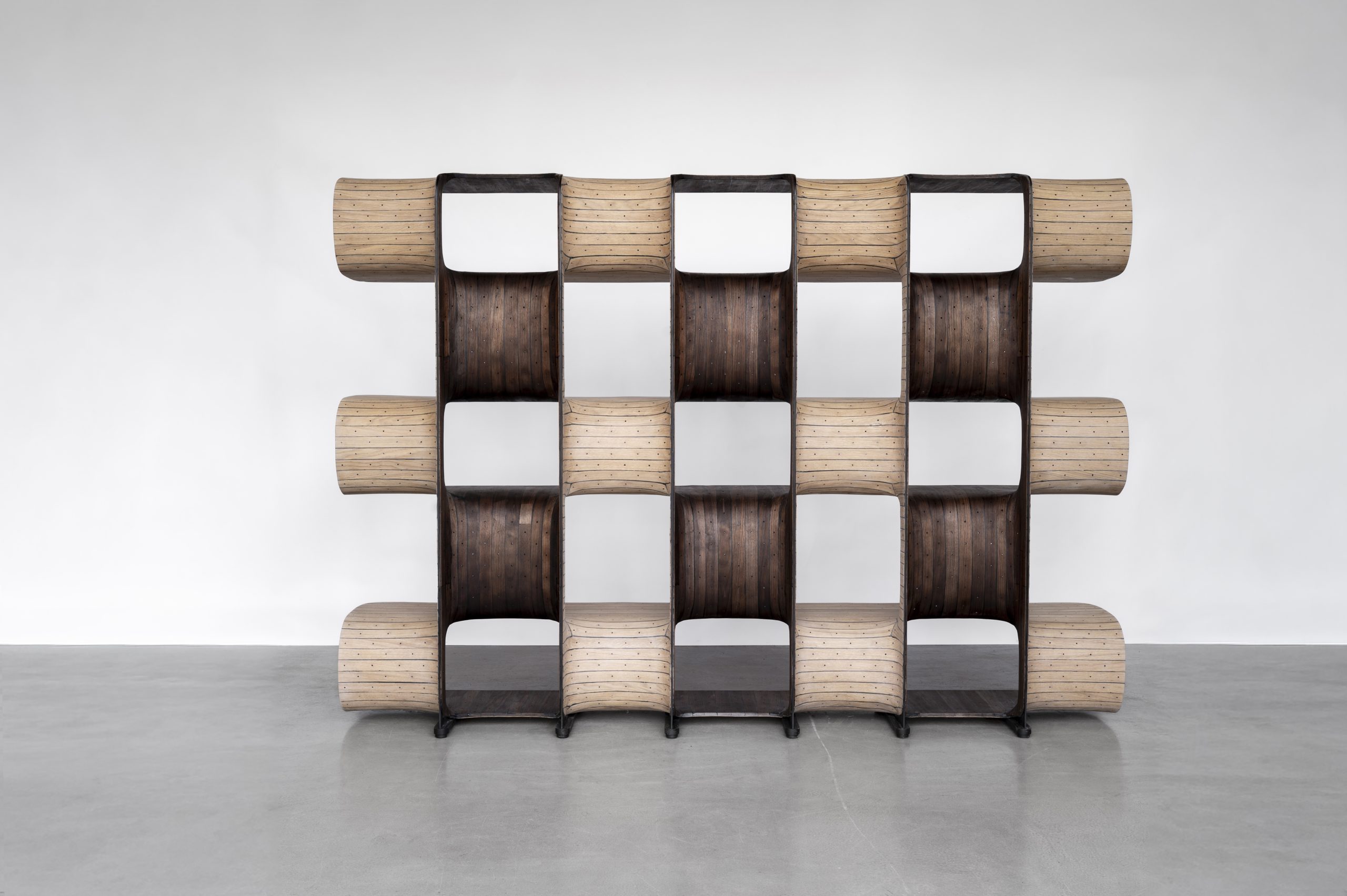
Ply Loop Bookcase (Standing), design Joris Laarman
Where does the gallery’s strong relationship with Italian design and designers come from? Was it through early travels to Italy, or how were these connections built, particularly from New York?
While we have a global gaze, Italian design is undeniably a benchmark for its remarkable longevity. Many giants in the field are Italian and have been a huge inspiration. Sottsass, for example, was a global thinker whose work was deeply interested in other cultures, even as it manifested as Italian. Italy also continuously regenerates talent, like Formafanstasma. In Italy, designers and architects essentially created the discipline. This deep-rooted ecosystem—encompassing schools, research, and publications—treats design with a profound seriousness. The synergy between brilliant minds and manufacturers, born in the Brianza region in the 50s and 60s, continues today. There’s also an inherent Italian mindset about design’s possibilities. During our Nendo exhibition, for instance, the public readily embraced the poetic idea of chairs embodying the spirit of manga. That level of open-minded engagement endemic to Italy is uniquely compelling.
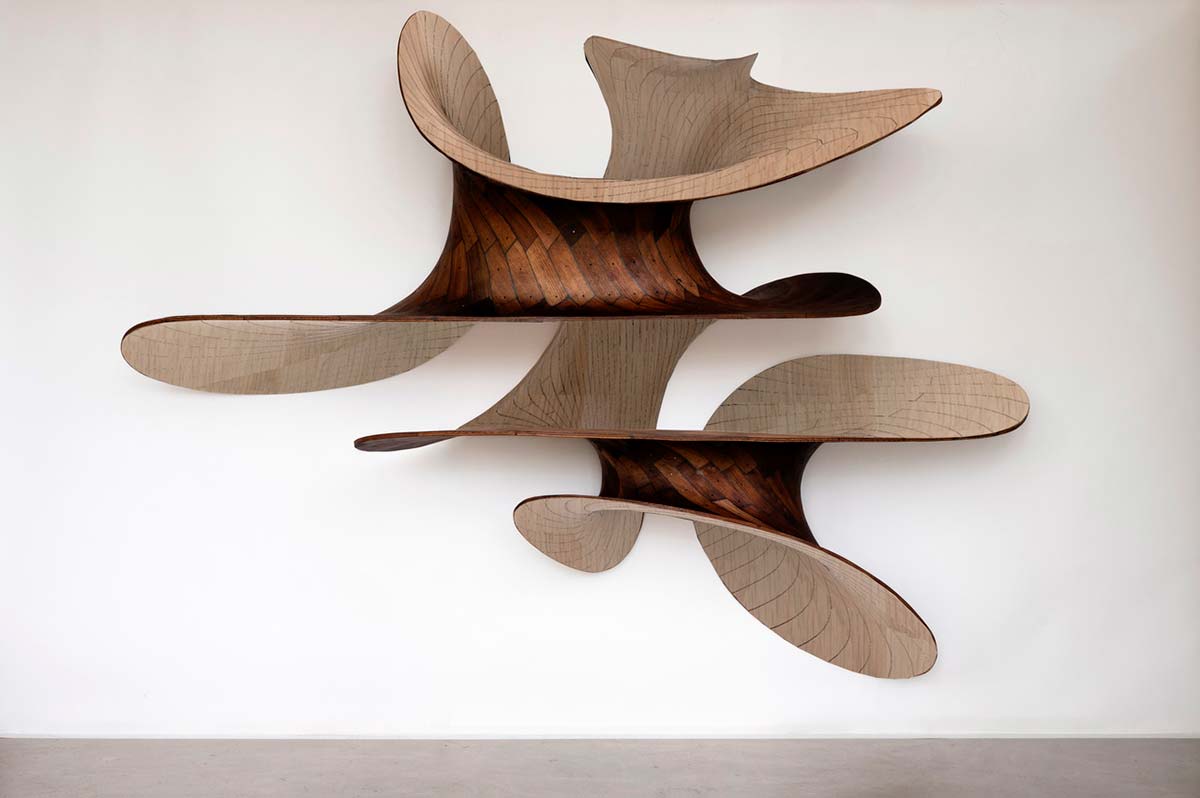
Ply Loop Shelf (Wall), design Joris Laarman
Could you describe your typical collector base? Are they primarily private collectors, or do you also see significant engagement from architects and interior designers?
Our collector base is a mix of private collectors and institutions, each playing a vital role. Private collectors often take a leap of faith, supporting experimental work that requires vision. At the same time, working with institutions is crucial for legacy, continuity and community. For example, our collaboration with the Centre Pompidou on the Campana brothers‘ estate involves donations of sketchbooks and prototypes that illustrate and preserve their artistic legacy, much like their long-standing support for Branzi and Sottsass. In the US, our relationships with museums are extensive. SF MOMA recently acquired Frida Escobedo‘s Creek Chair 02, and Andile Dyalvane’s ceramics are now at the MET and the Denver Art Museum, and Brooklyn Museum. This is why institutional collaboration is a priority: it secures a designer’s place in history and makes their work accessible for future generations to study and enjoy.
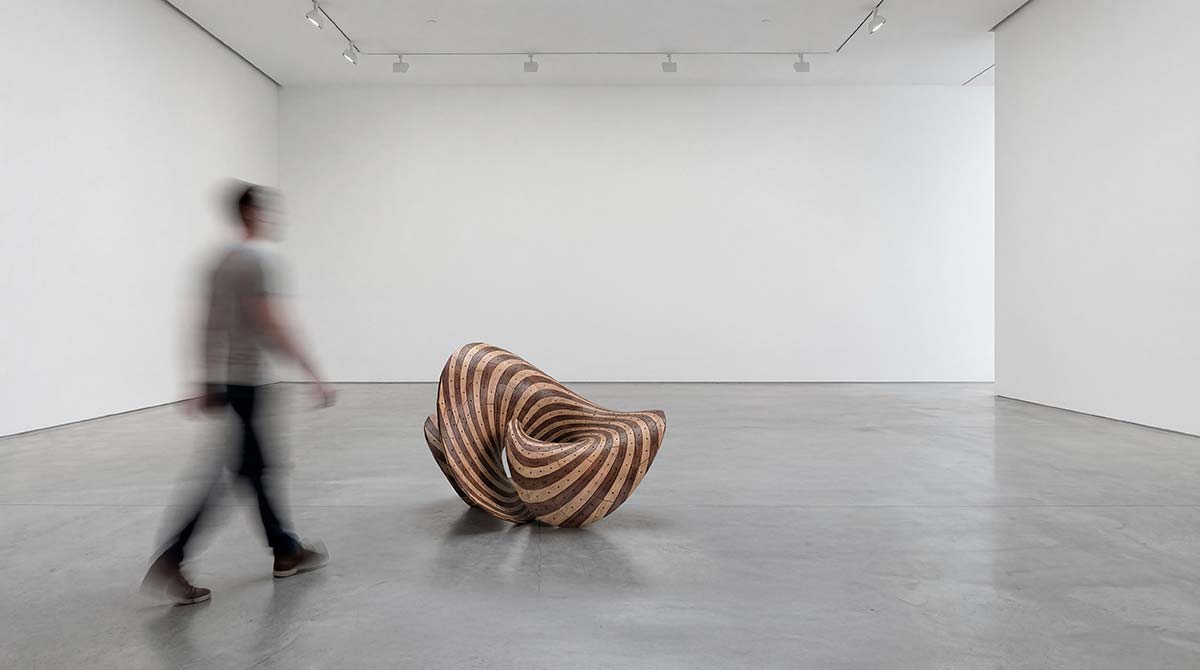
Ply Loop chair to be titled, design Joris Laarman
What do you envision for the future of the gallery in the near term, in terms of projects and direction?
Our focus remains on discovering new or overlooked voices, looking beyond traditional channels to find unheard sources. While common themes run through our designers’ work, each new chapter brings a different history. We strive to keep a pulse on the current landscape and find art and design that articulates it. Our upcoming schedule reflects this approach. Joris Laarman has his first major solo show in over a decade, the culmination of years of research. We are giving a debut to Ferréol Babin, a designer we discovered on Instagram. In the fall, a new exhibition by Misha Kahn will explore the conceptual translation of technology. We are planning a show on Mexican design in LA, featuring Javier Senosián‘s organic architecture and Fernando Laposse‘s work with experiential materials like cornhusk. Finally, at TEFAF New York, we’ll showcase iconic pieces like Rietveld’s Red Blue Chair alongside new works of the ambitious Italian American sculptor Nicole Cherubini.