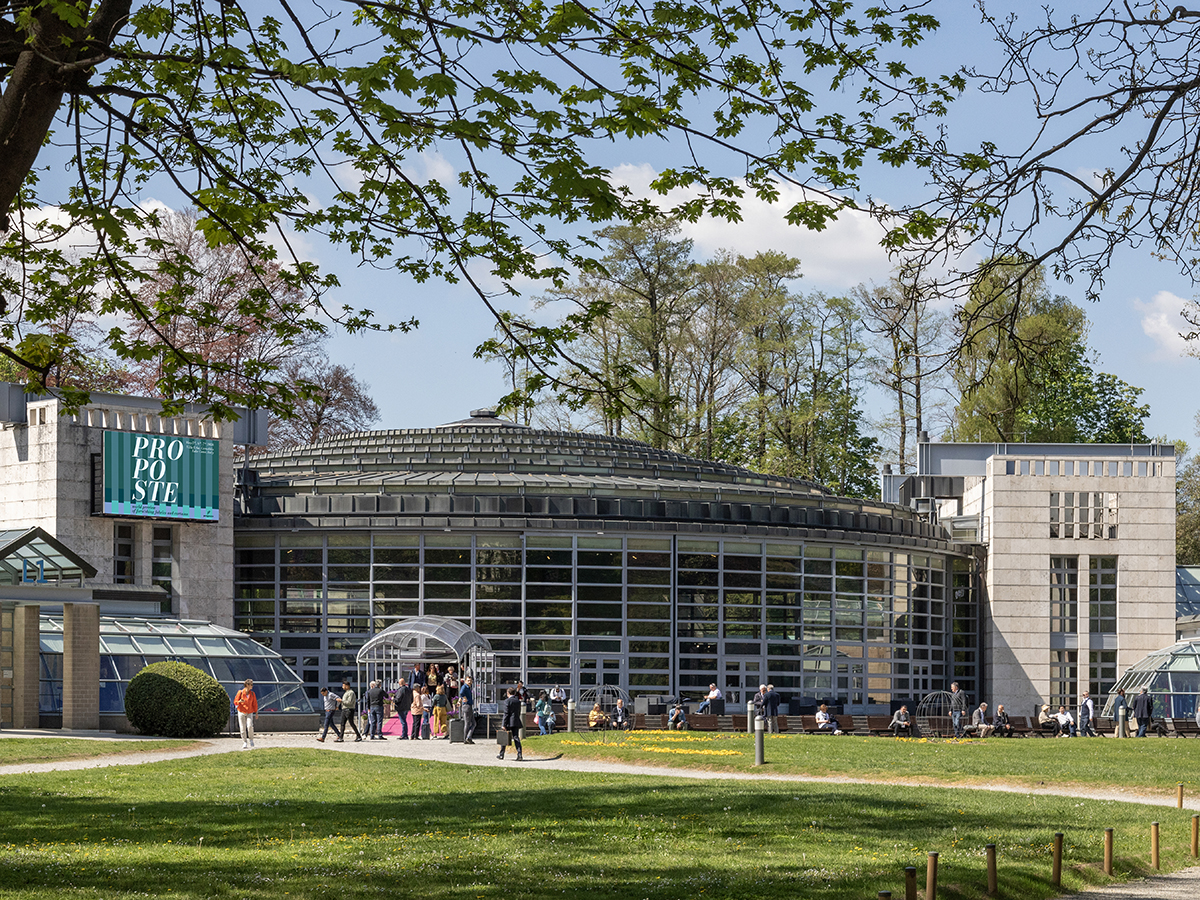
Textile art returns to its origins. The Proposte fair brings the spotlight back to the Como district, a key player in the European history of textiles, particularly silk. To understand its roots, one must go back centuries to the 15th century, when the Sforza transformed the Duchy of Milan into a strategic hub of silk production, encouraging the cultivation of mulberry trees.
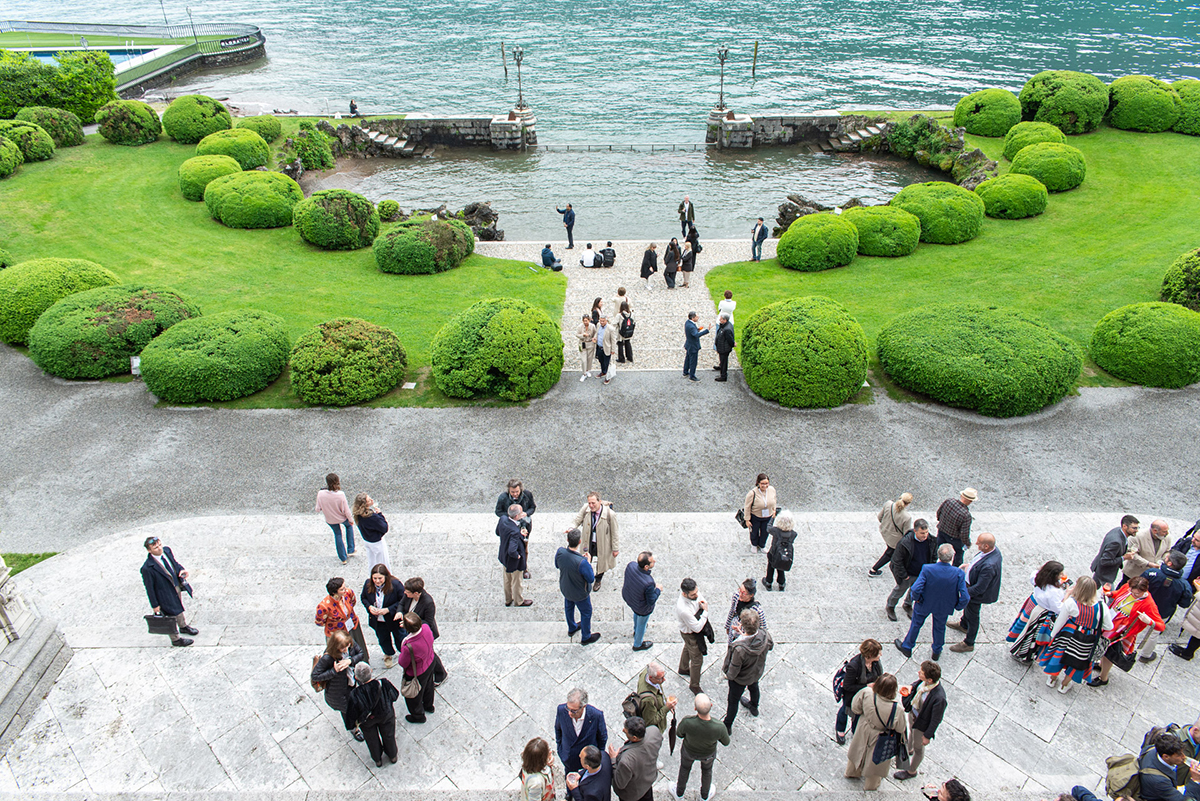
Proposte 2026
Como silk soon became renowned for its quality, refinement, and rich decorative character. In the 19th century, production shifted from artisanal to industrial, consolidating a true district with textiles at its core. Even today, this area thrives on extremely high-quality production recognized internationally. Proposte is deeply rooted in this heritage and, now in its 33rd edition, serves as the voice of an entire sector. From May 5 to 7, within the setting of Villa Erba, the event will bring together 87 manufacturers of furnishing fabrics, curtains, trimmings, and wall coverings from 14 countries, transforming the city into a hub of innovation and synergy.
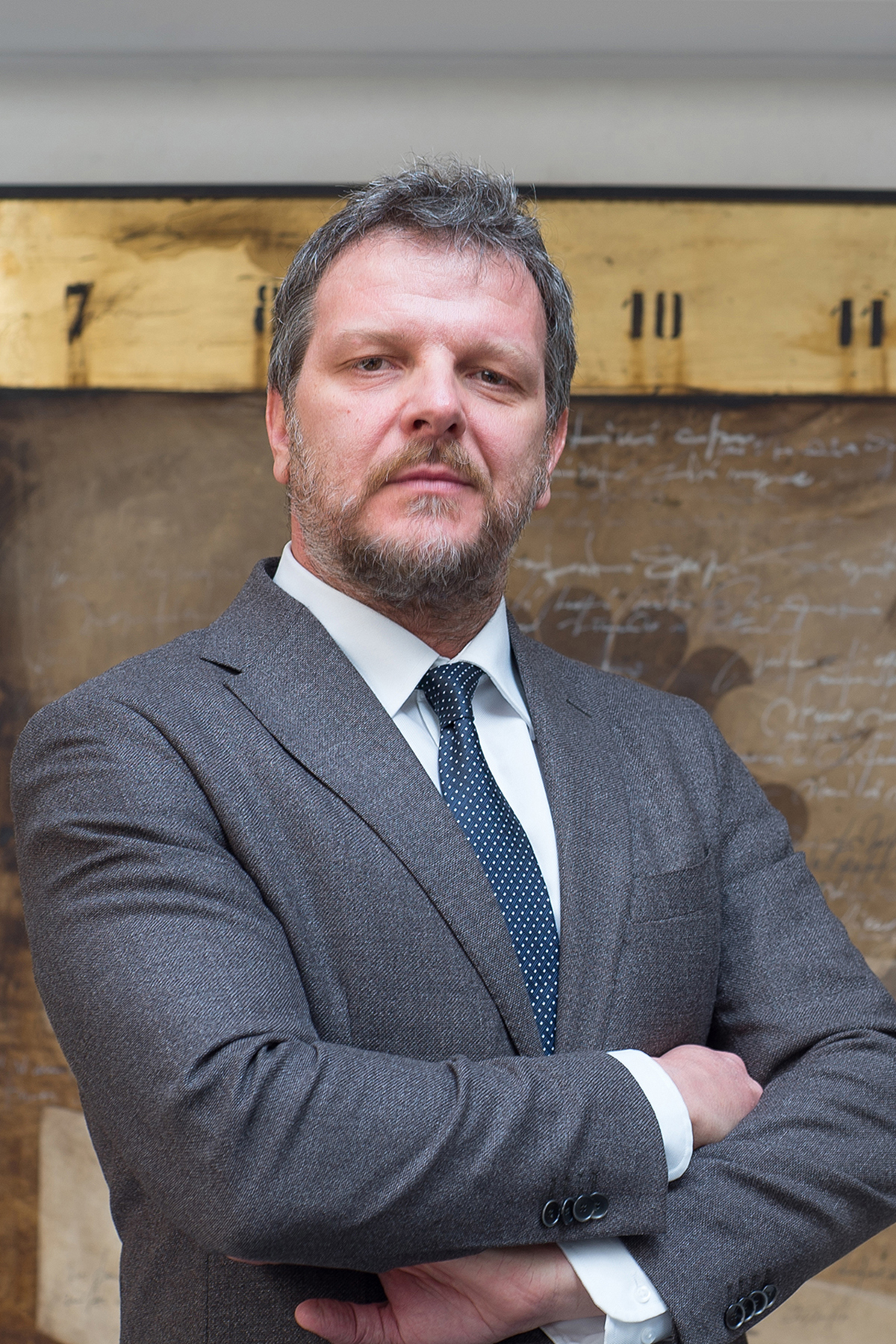
Marco Parravicini
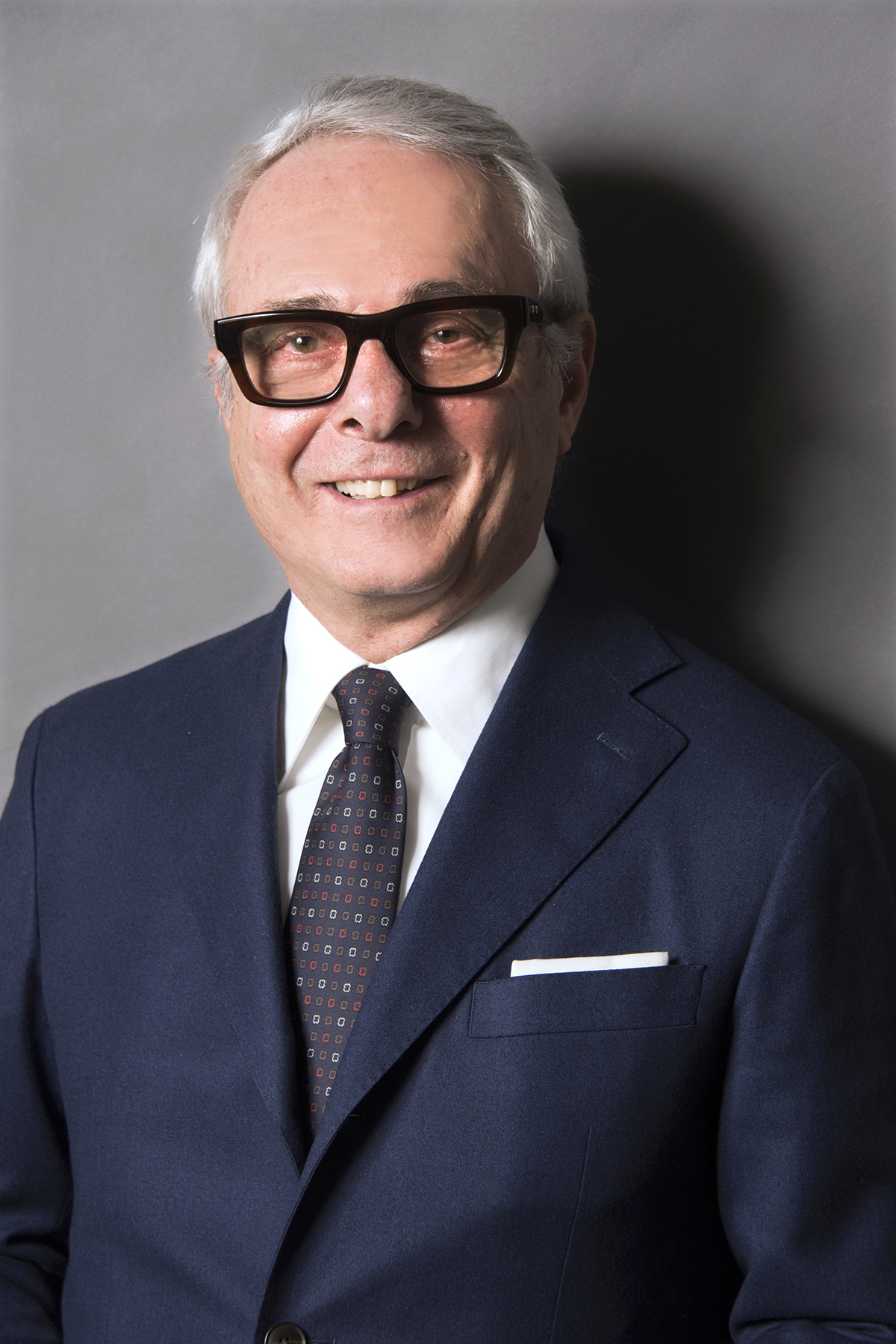
Massimo Mosiello
It is precisely the value of this past that inspires the theme of the new edition, “Heritage Forward”: a reflection on how heritage, grounded in quality and research, forms the foundation for tomorrow’s success. “With Heritage Forward, we aim to reaffirm the value of our manufacturing heritage while projecting it toward the sector’s future challenges: technological innovation, responsibility, and internationalization,” explains the new president Marco Parravicini, working alongside director Massimo Mosiello. “Quality remains our cornerstone, but it is through continuous evolution that we intend to strengthen the fair’s role on the global stage.”
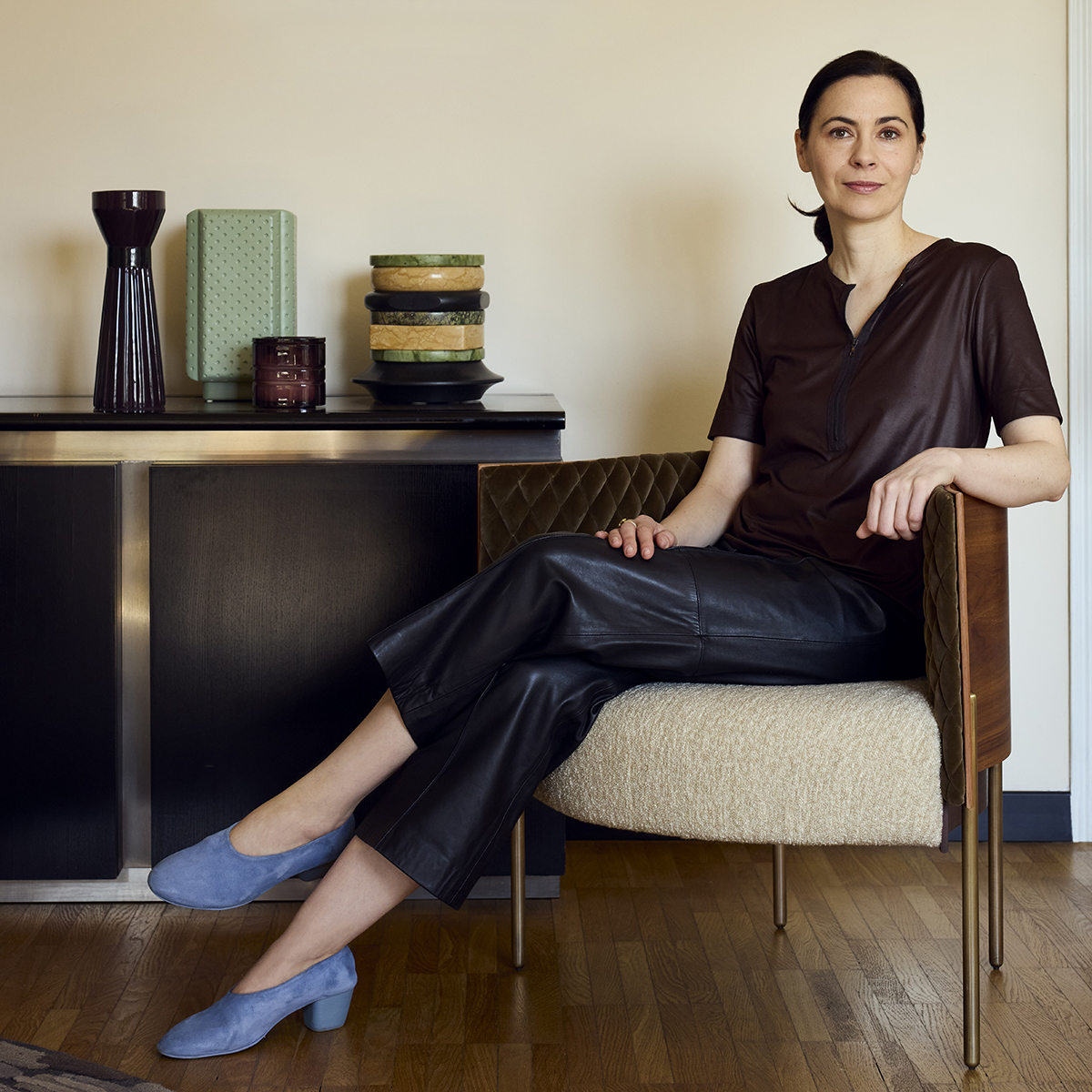
Cristina Celestino – Photo © De Pasquale Maffini
This forward-looking perspective is already taking shape through a structural transformation of the fair, renewed also in its exhibition layout. Inside the Villa Erba Congress Centre, designed by Mario Bellini, architect Cristina Celestino reimagines the common spaces through an interior design project that translates the theme into environments dedicated to meetings and business, as well as cultural programming and entertainment.
At the heart of the intervention is the Lounge Esedra, located within the Ala Regina, which this year returns as a key part of the exhibition route. Overlooking the centuries-old park, with large windows allowing natural light to filter in, this space becomes a lounge where exhibitors and visitors can relax or continue conversations started at the stands in a refined yet informal setting, enjoying a dedicated hospitality service.
A place of particular distinction is the Villa Antica, adjacent to the Congress Centre: a 19th-century residence that was also home to Luchino Visconti, rich in history and culture, with its ancient frescoes, finely inlaid ceilings, and rooms inspired by Mannerist aesthetics. During the fair, the Villa Antica becomes an exclusive hospitality venue, offering visitors and exhibitors a restaurant with dedicated services and a gastronomic experience that enhances the overall visit, overlooking the lake.
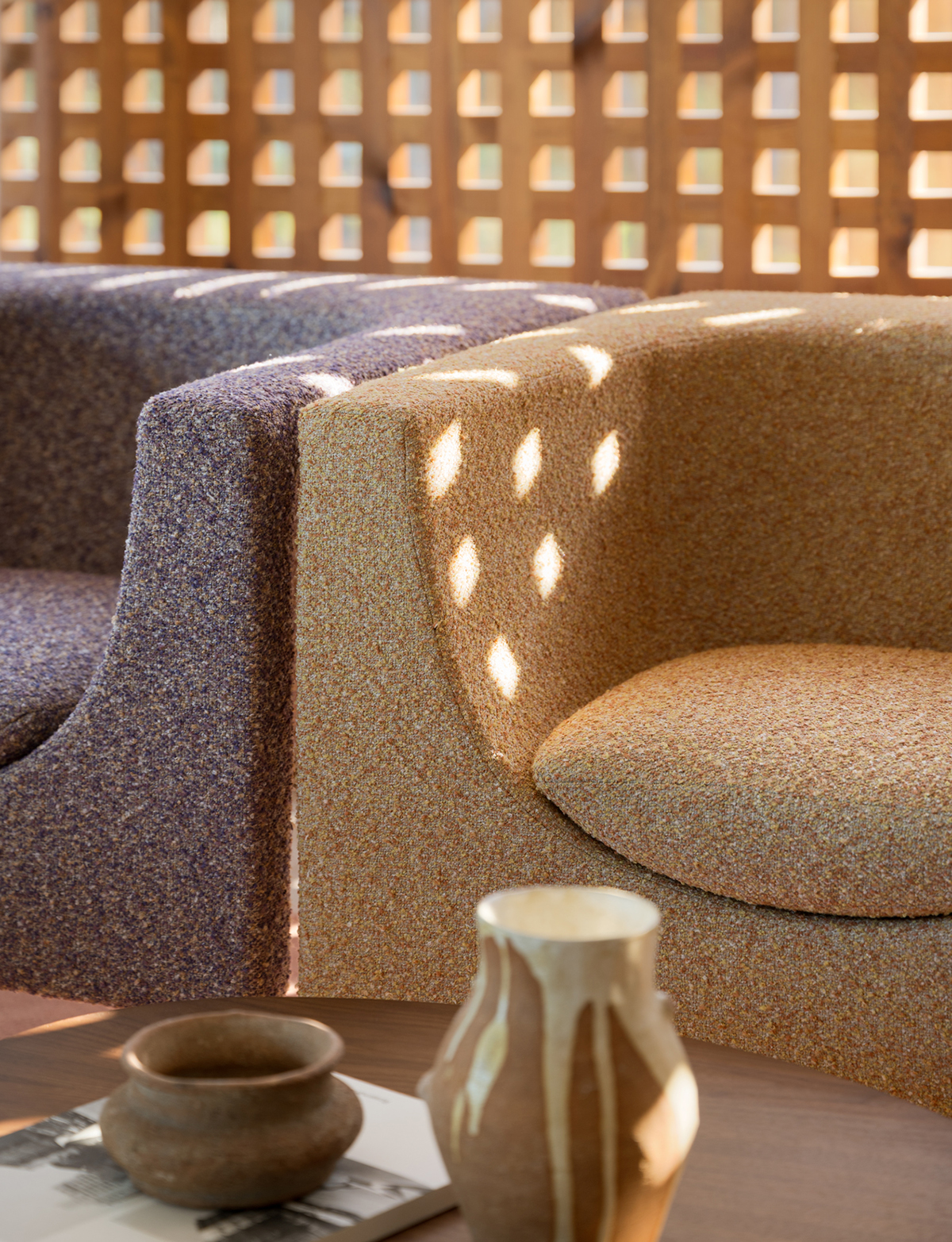
Crevin
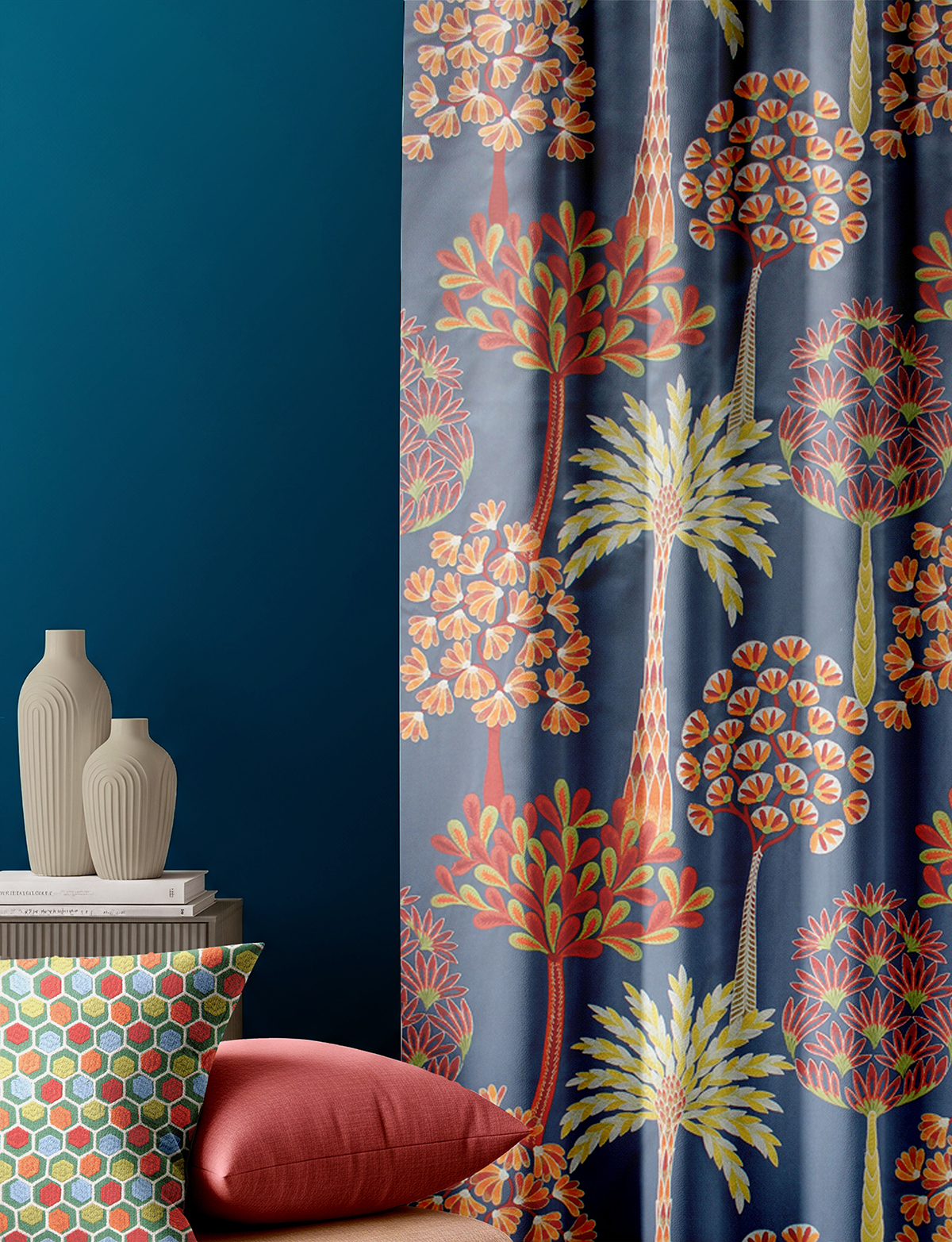
Baumann Dekor
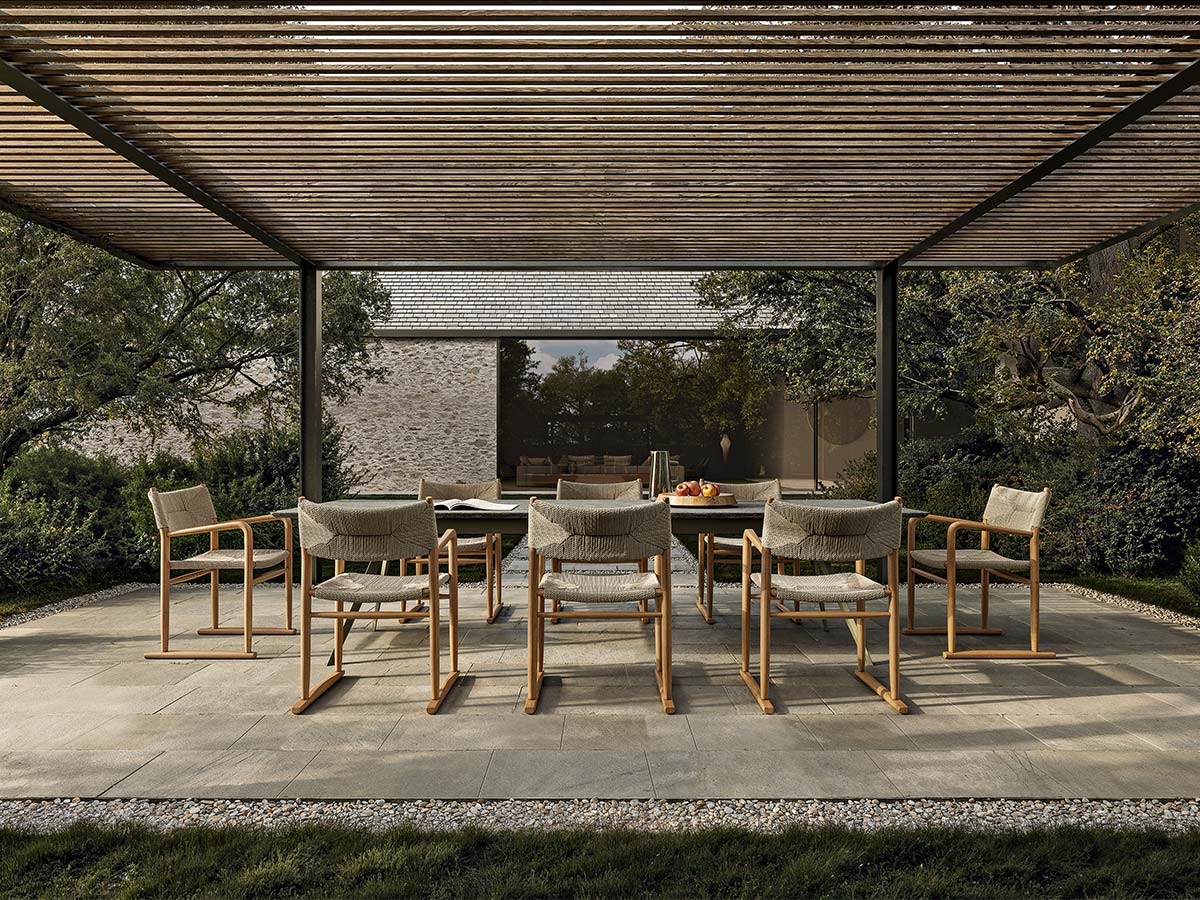
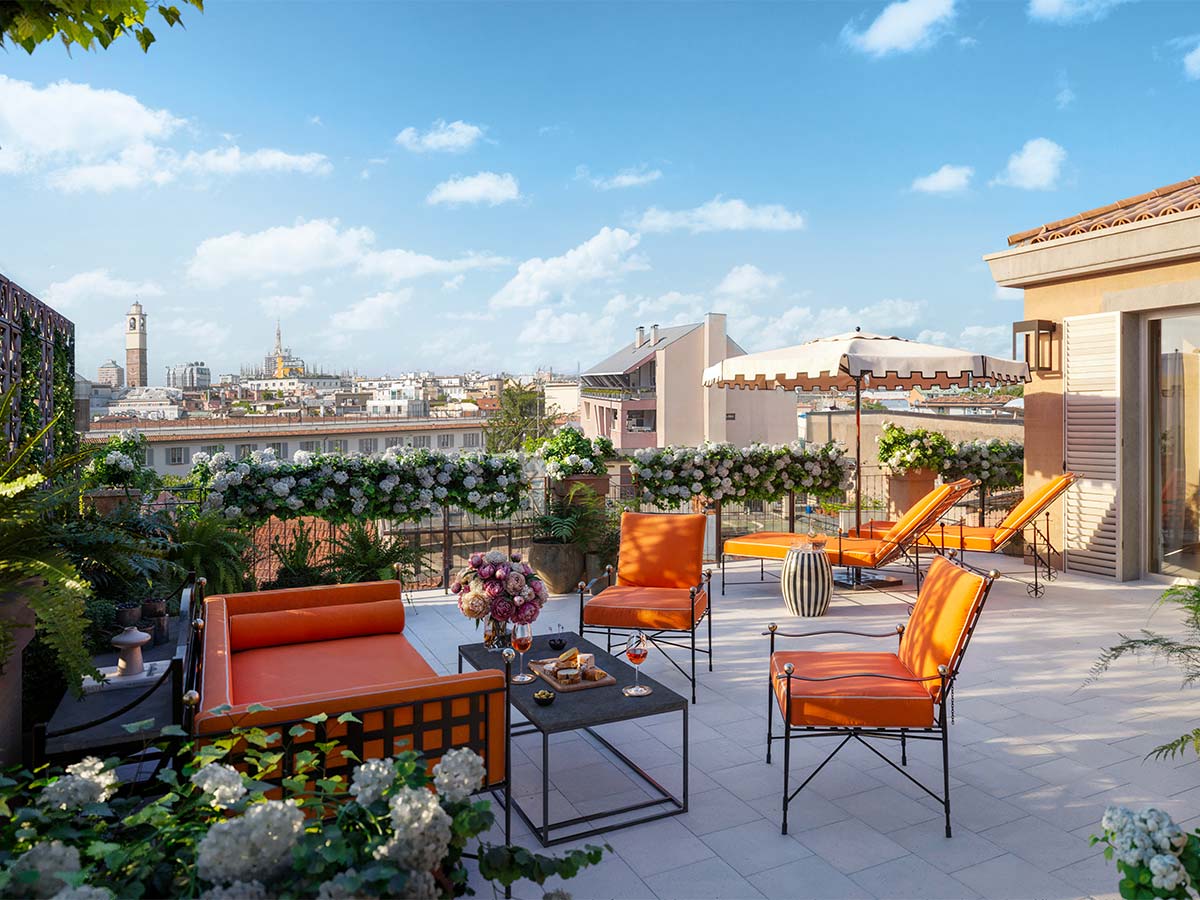
Proposte stands as a key exhibition showcase, but also as an important space for dialogue and a privileged observatory for identifying major style trends. The main inspirations shaping contemporary furnishing textiles come directly from the exhibiting companies. These include a growing demand for technical quality and performance even in residential settings – not only contract environments – where durability, ease of maintenance, and certified fire-retardant properties become essential features. This is also due to the increasingly blurred distinction between indoor and outdoor textiles: fabrics for hybrid spaces that combine aesthetics and functionality are becoming more widespread.
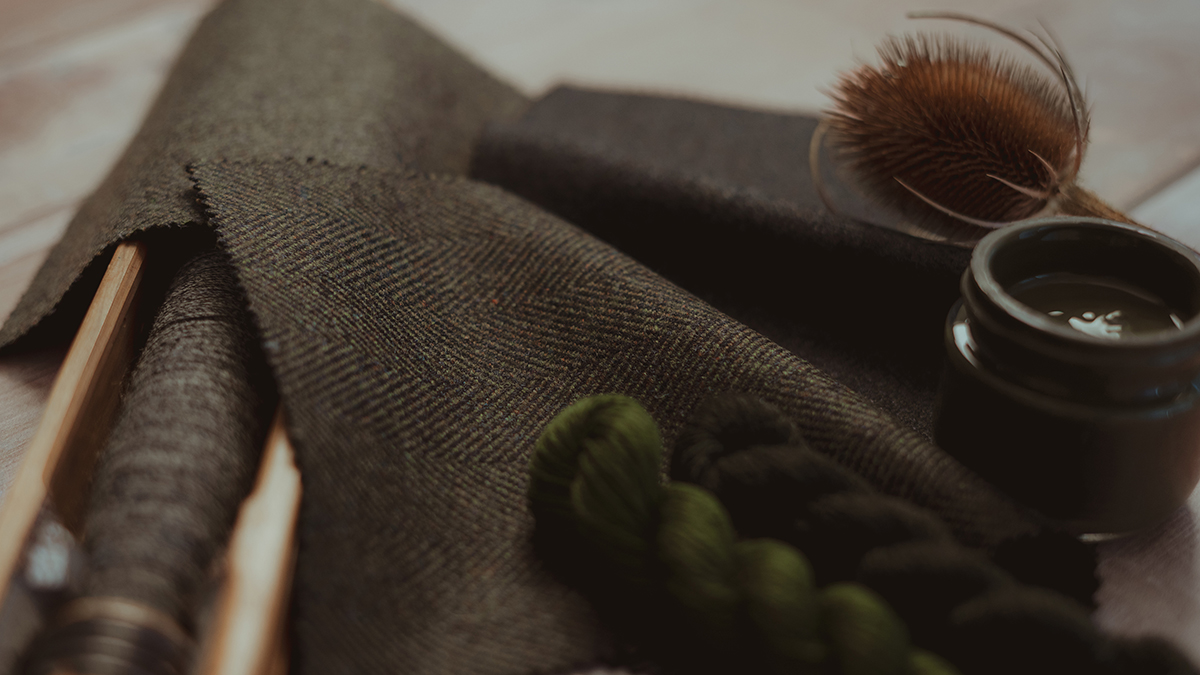
IsleMill
Sustainability also returns as a central theme, now essential in the sector: the importance of traceability and fiber origin goes hand in hand with a growing interest in natural materials such as wool, alongside recycled or regenerated fibers and certified products. Nature itself guides and inspires aesthetics, influencing colors, patterns, and atmospheres of the collections – way to earthy tones, warm palettes, and motifs inspired by flora and rural landscapes. Finally, among the most evident directions in the sector are richer textures, more complex constructions, and deeper chromatic layers, driven by advances in digital printing, enabling more expressive textile solutions.
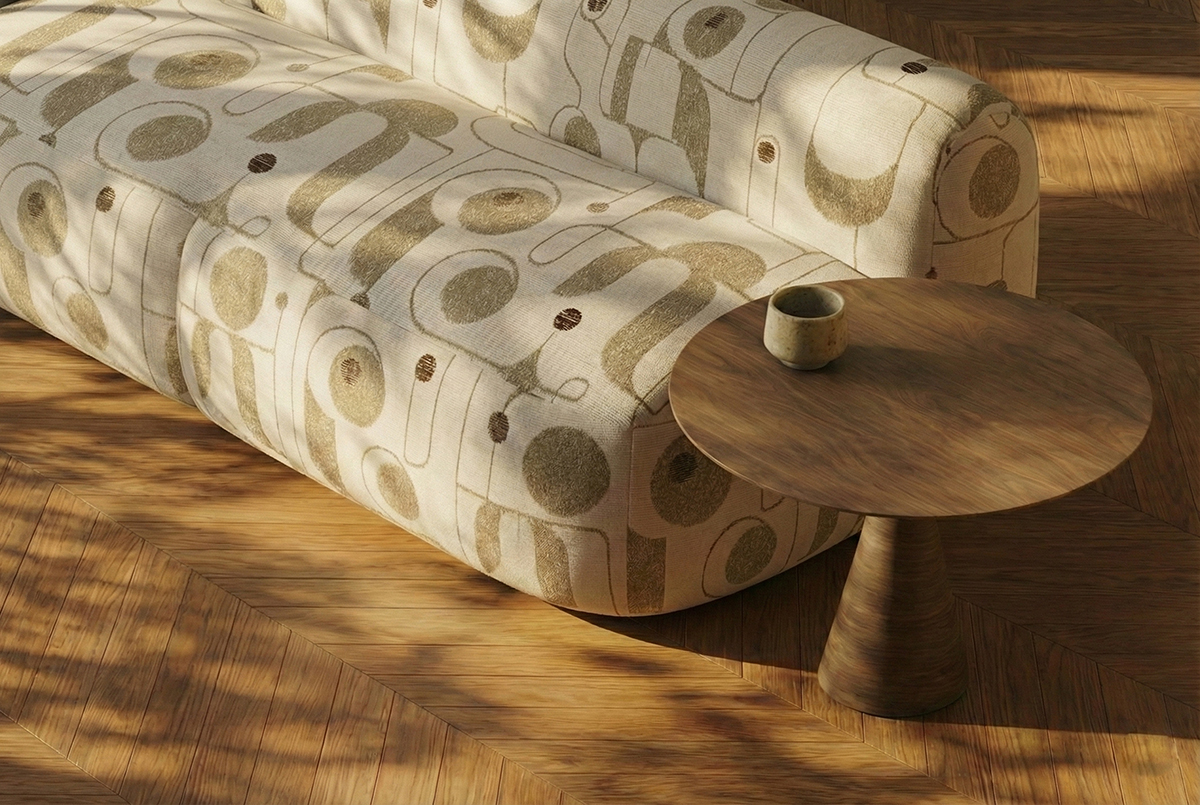
Manchoni
From Proposte emerges the goal of preserving and at the same time revitalizing a unique manufacturing heritage, starting precisely from Lake Como, cradle of this tradition.