Design Architects: OMA / Shohei Shigematsu, partner in charge; Rem Koolhaas, partner in collaboration; Jake Forster, associate/project architect; Jackie Woon Bae, design lead; Ninoslav Krgovic, technical lead
Architect of record: Cooper Robertson (now Corgan), Erin Flynn, principal; Andrew Barwick, senior associate; Isil Akgul, project architect
New Museum Building Project Coordinator: New Museum, Dennis Szakacs
Structural engineer: Arup
Mechanical Systems: Arup
Facade: Front
Geotechnical: Langan
Signage: 2×4
Lighting: Dot Dash
Photos: Building: Courtesy New Museum. Jason Keen, Jason O’Rear; Exhibition view: New Humans: Memories of the Future, 2026; Courtesy New Museum. Photo: Dario Lasagni
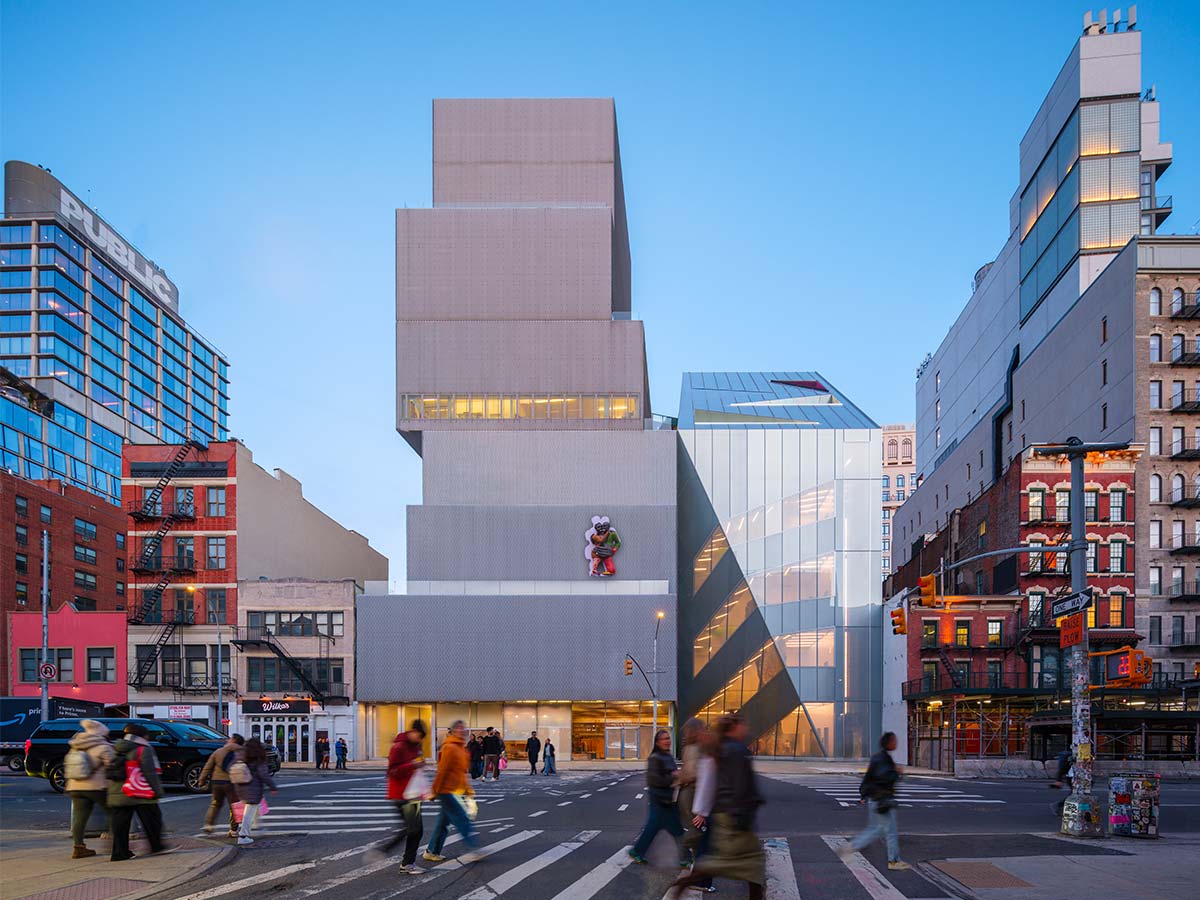
Since this past March, the New Museum’s building on the Bowery, designed by SANAA in 2007, has doubled in size with a distinct and separate, yet well-connected, expansion designed by OMA / Shohei Shigematsu, with Cooper Robertson (now Corgan) as architects of record. Nearly 20 years after the inauguration of its flagship building and following a decade of construction for the new wing, the current configuration offers new opportunities for the museum’s activities – dedicated to contemporary art research since 1977 – and for the New York neighborhood where it has taken root.
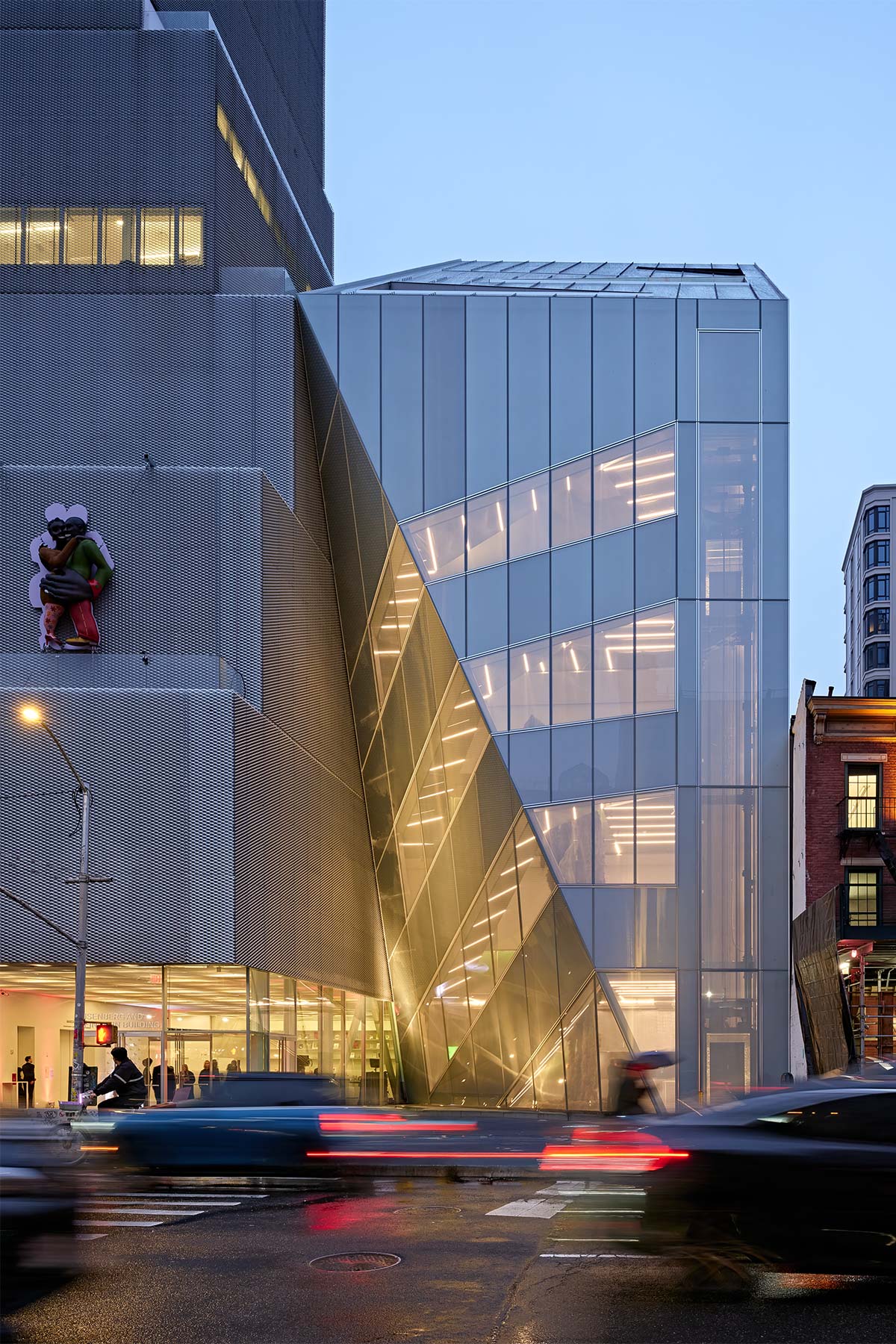
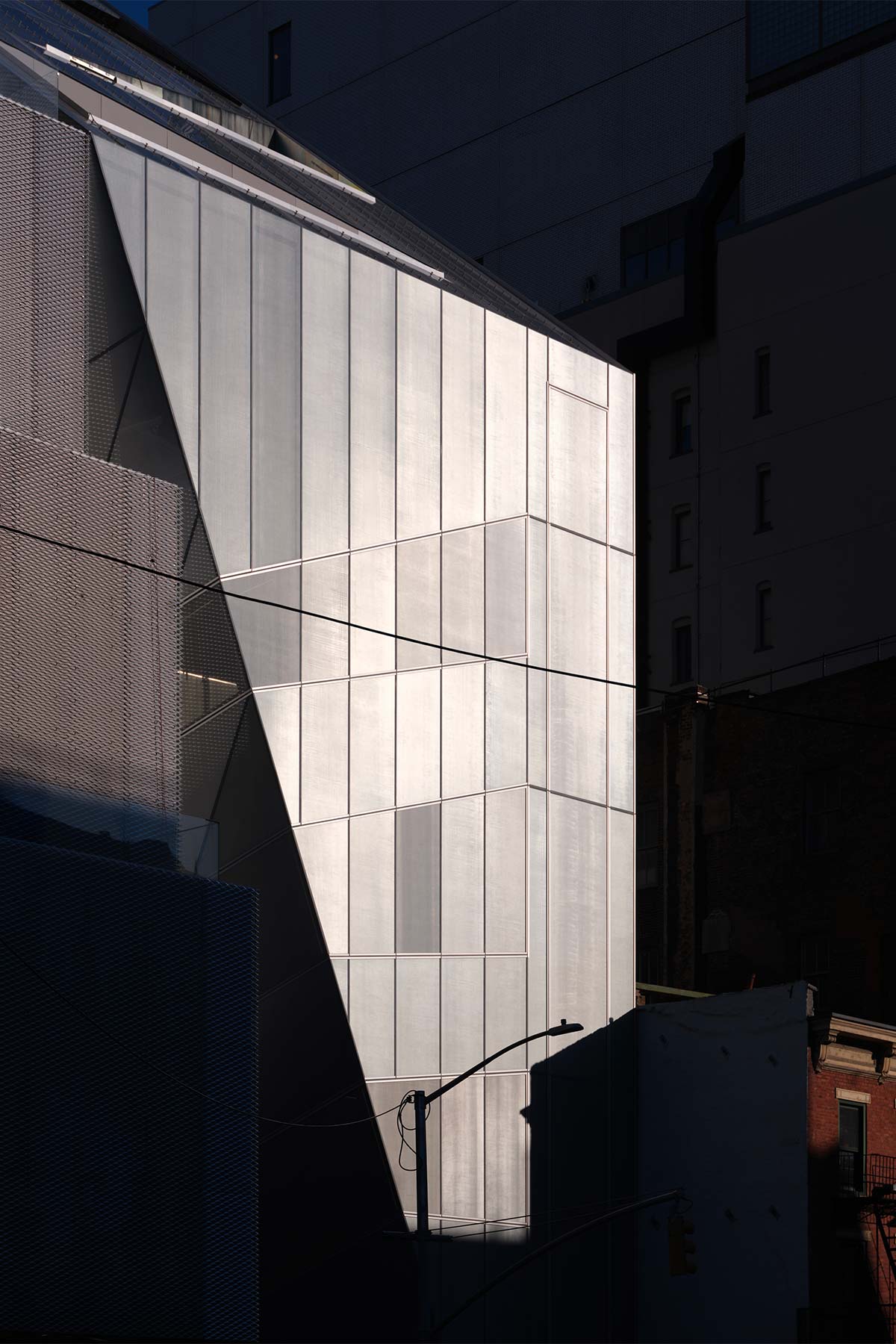
As Shohei Shigematsu states, “museum extensions are typically added to a much older building with a whole different architectural look and language to contrast with. But here, we had to add a new museum to a fairly new museum. The initial idea was to create a pair that compliments each other.” The first visible gesture of this union between two complementary entities is the “kiss point” on the fifth floor, where the corners of the two buildings touch before pulling apart – a misalignment of the facades made possible by the new volume’s prismatic form.
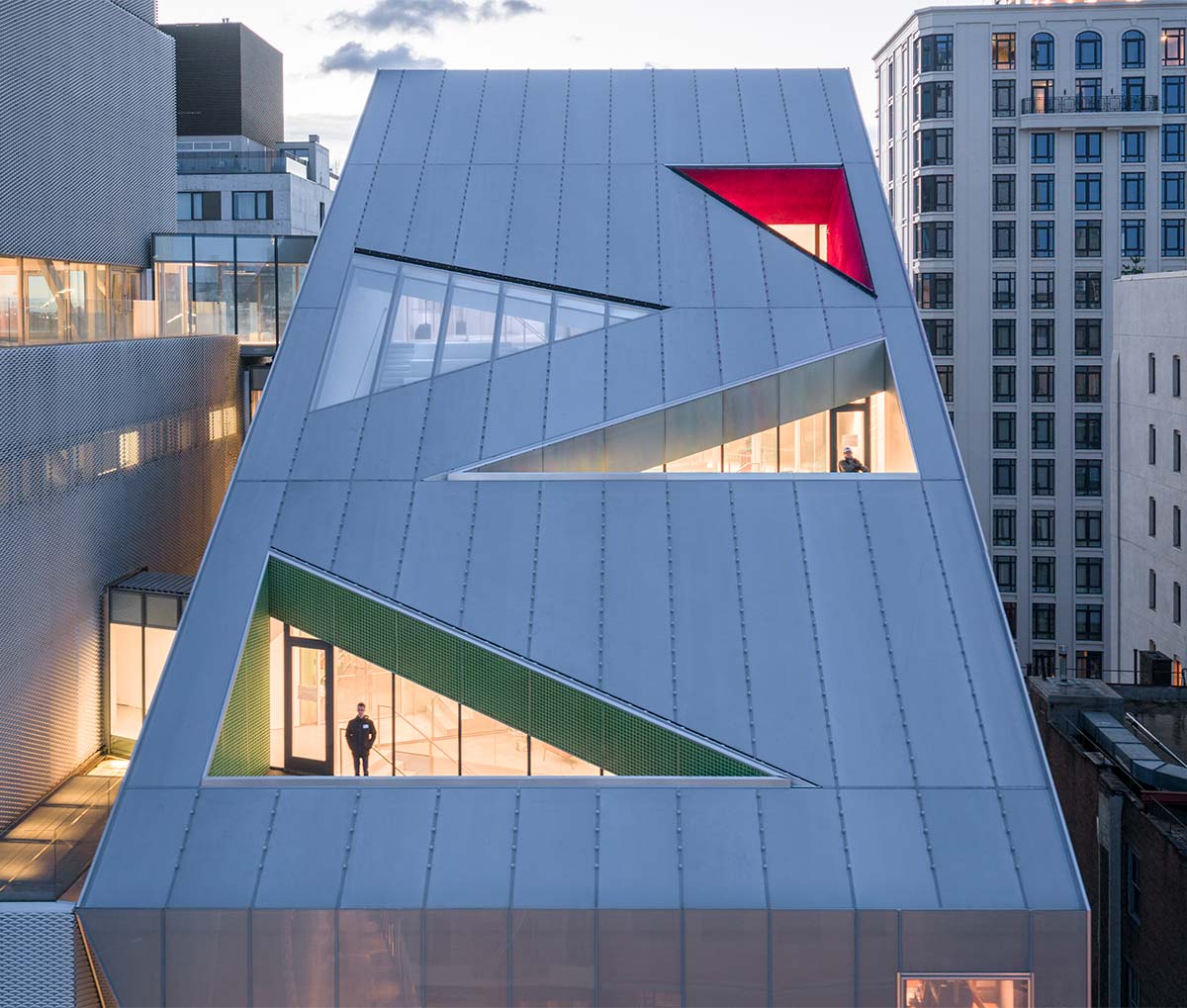
While the SANAA tower is composed of a series of stacked and shifted “boxes”, the new architecture features oblique lines that create a void and an outdoor plaza at street level, forming a buffer zone between the old and the new. At the top, these lines slope inward toward a central point. The facade claddings are also different yet related, as Shigematsu explains. “The building is covered all in glass, but it’s a very unique glass, a laminated glass with very fine metal mesh inside. So during the day there’s a shimmering metallic look, but during the night it creates a very transparent look, which has a contrast to the existing building, which is more sealed, closed, introverted, as opposed to the new building which is more extroverted.” The new volume also appears more extroverted thanks to multiple window bands on its sides and triangular openings on the roof that create terraces open to the sky and the city.
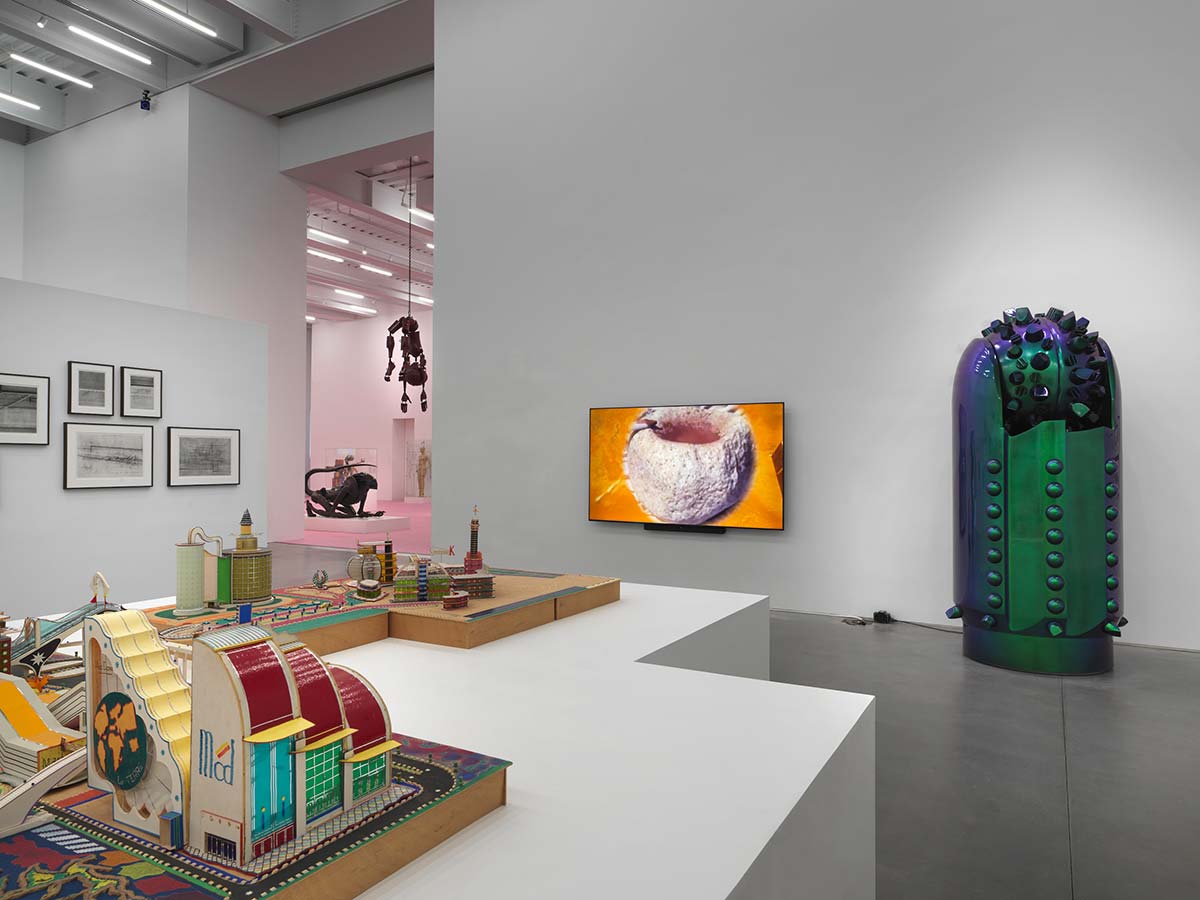
The expansion doubles the museum’s exhibition space, seamlessly connecting the internal galleries while maintaining the same floor alignments and ceiling heights between the new and existing structures. Galleries occupy three floors, while the upper levels house offices and studios for artist residencies and the museum’s cultural incubator, NEW INC. New spaces are also dedicated to public programs, a small auditorium, and a Sky Room on the seventh floor with views of Lower Manhattan.
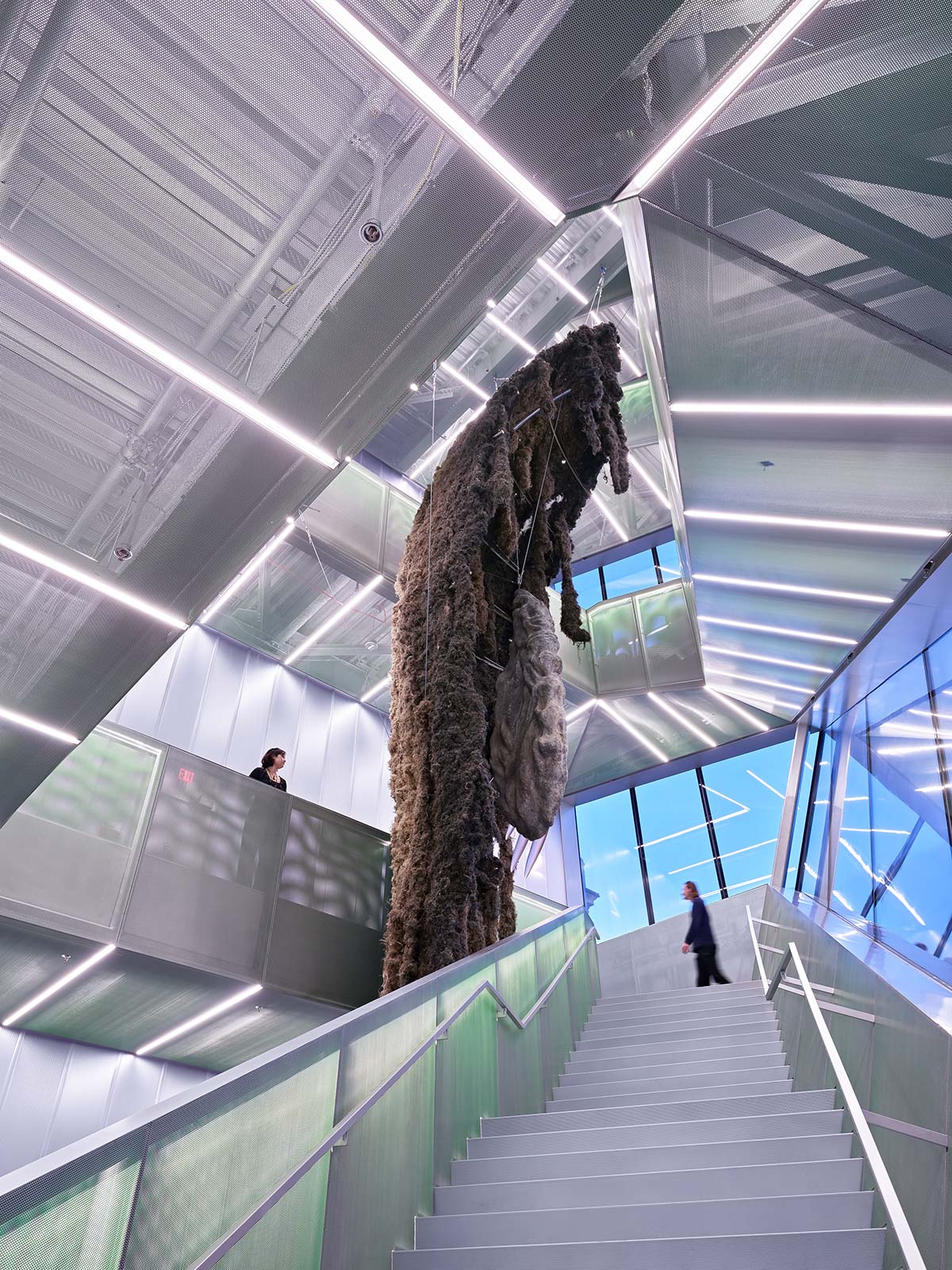
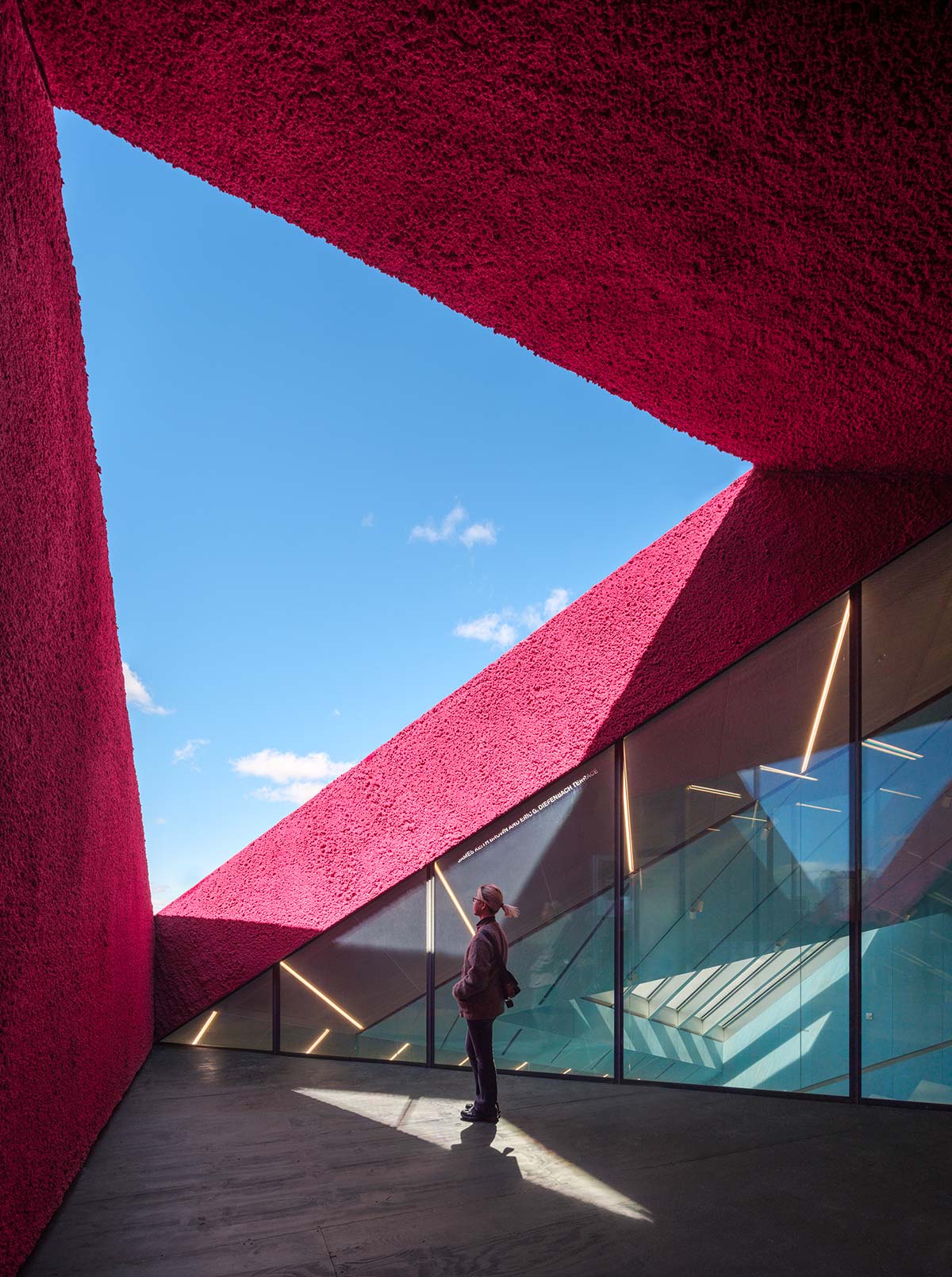
On the ground floor, which opens onto the city via the new plaza, an expansive lobby welcomes the public with a bookstore and a restaurant. An impressive staircase, the Atrium Stair, connects all levels of both buildings. “This stair is almost like an extension of the street. It’s at the heart of a new complex between existing and the new, it stitches between the galleries and outside. The stair is basically following the shape of the setback to the ground to provide a triangular plaza, so it goes kind of a smaller footprint to the larger footprint, so the void becomes larger towards the top,” says Shohei Shigematsu.
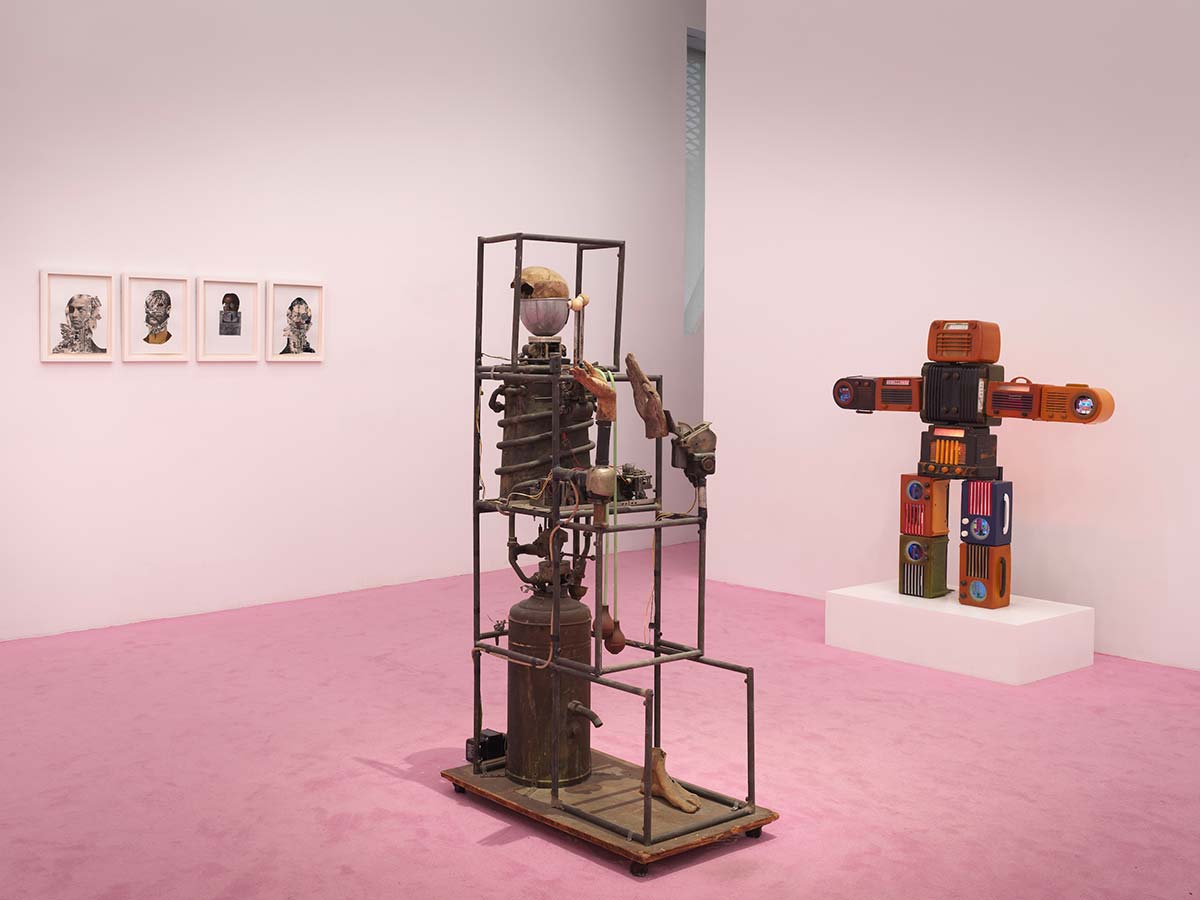
The exhibition New Humans: Memories of the Future inaugurates the new New Museum’s program, along with site-specific works by Tschabalala Self, Art Lovers, for the facade; Klára Hosnedlová, Shelter, for the Atrium Stair; and Sarah Lucas, Venus Victoria, in the public plaza.