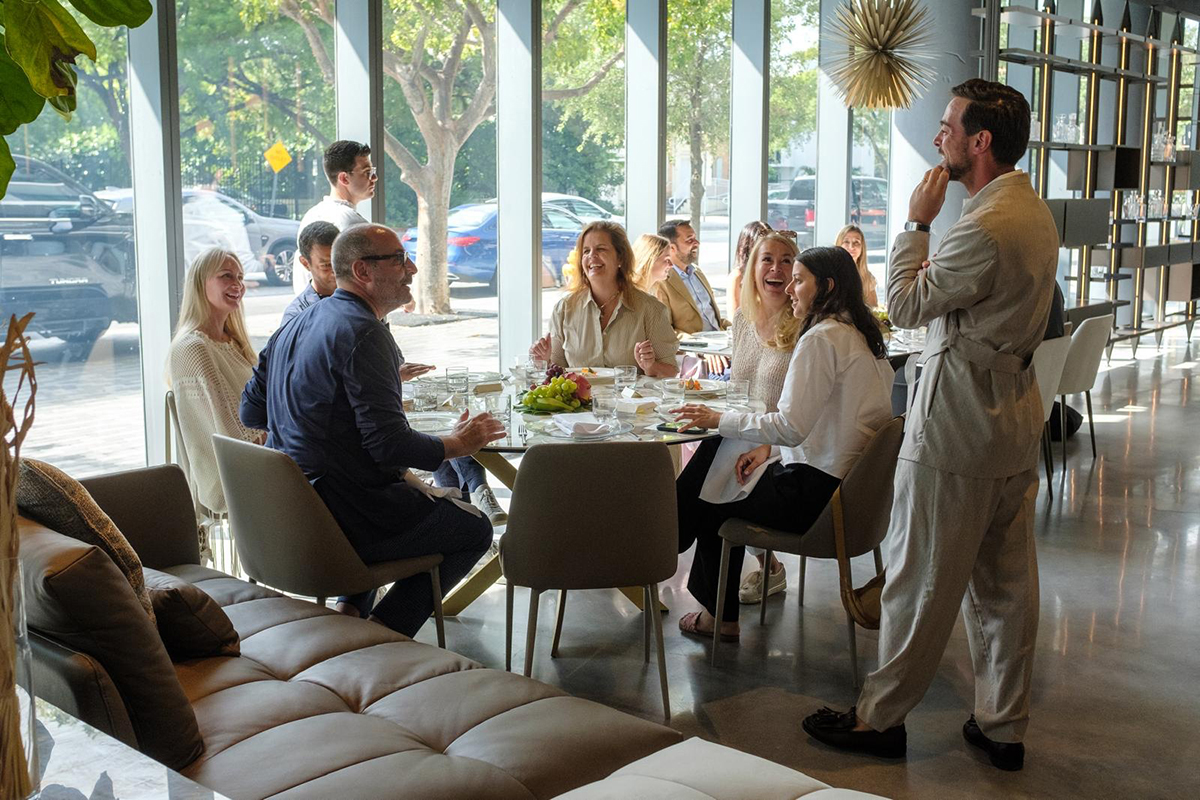
Just a week after IFDM‘s annual participation in NYCxDesign this past May, publisher Paolo Bleve hosted a breakfast in Miami with 14 architects and designers from eleven firms. Held in the heart of the city’s Design District, the event was hosted at the new Febal Casa flagship store on Biscayne Blvd. The conversation explored numerous topics, trends, and the evolution of the residential market.
The initial focus was on how client demands for interior projects have changed, and the responses were clear and precise.
Amandine Buisson of her eponymous studio stated, “Today, designing interiors is very challenging, especially with clients who travel extensively and are exposed to so much architecture and design. They are more demanding and knowledgeable about materials, and finding the right common thread that represents their identity is more complex (but ultimately, very satisfying).”
Kevin McMorris of Oppenheim Architecture agreed, emphasizing that “The final project should reflect not only functional requirements but also the emotional connection clients have with their home, including their aesthetic preferences, color and material choices, and desired spatial organization.”
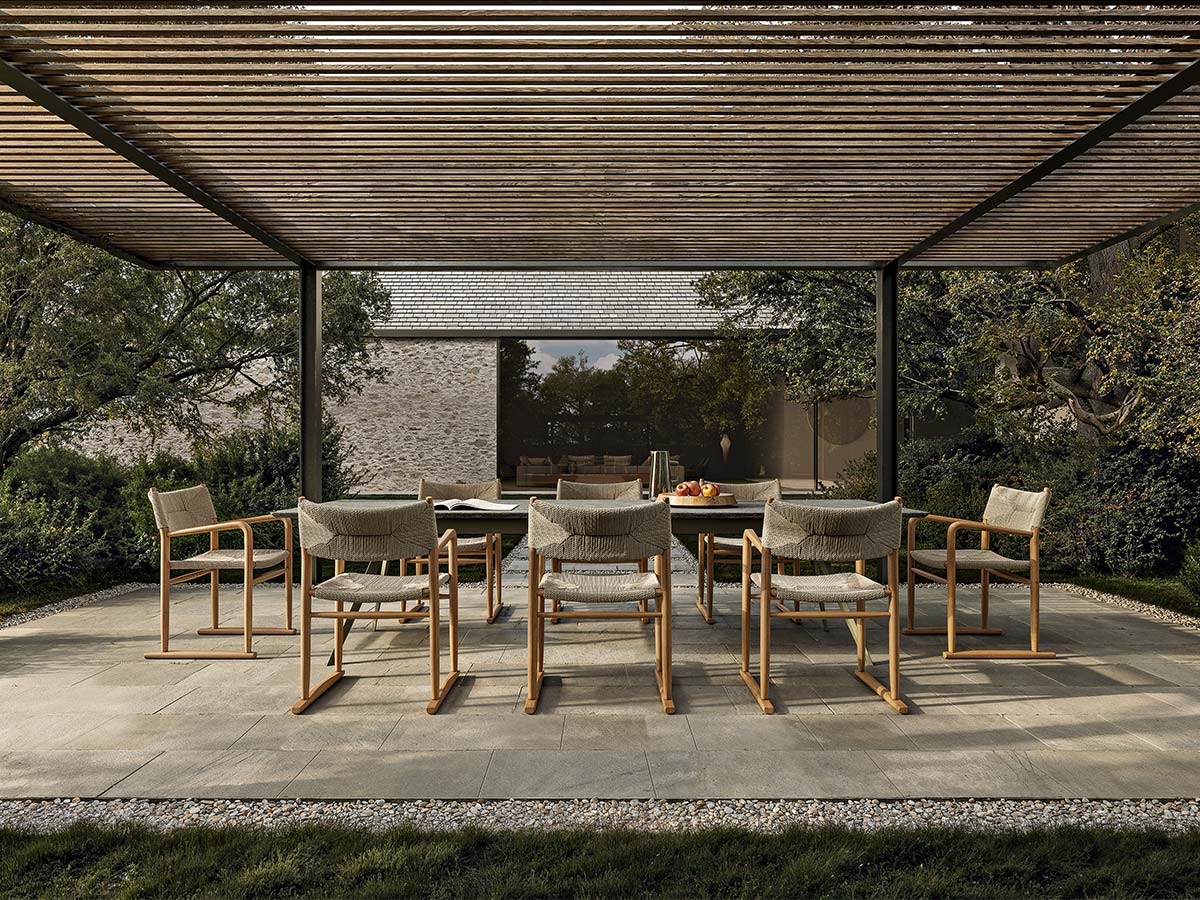
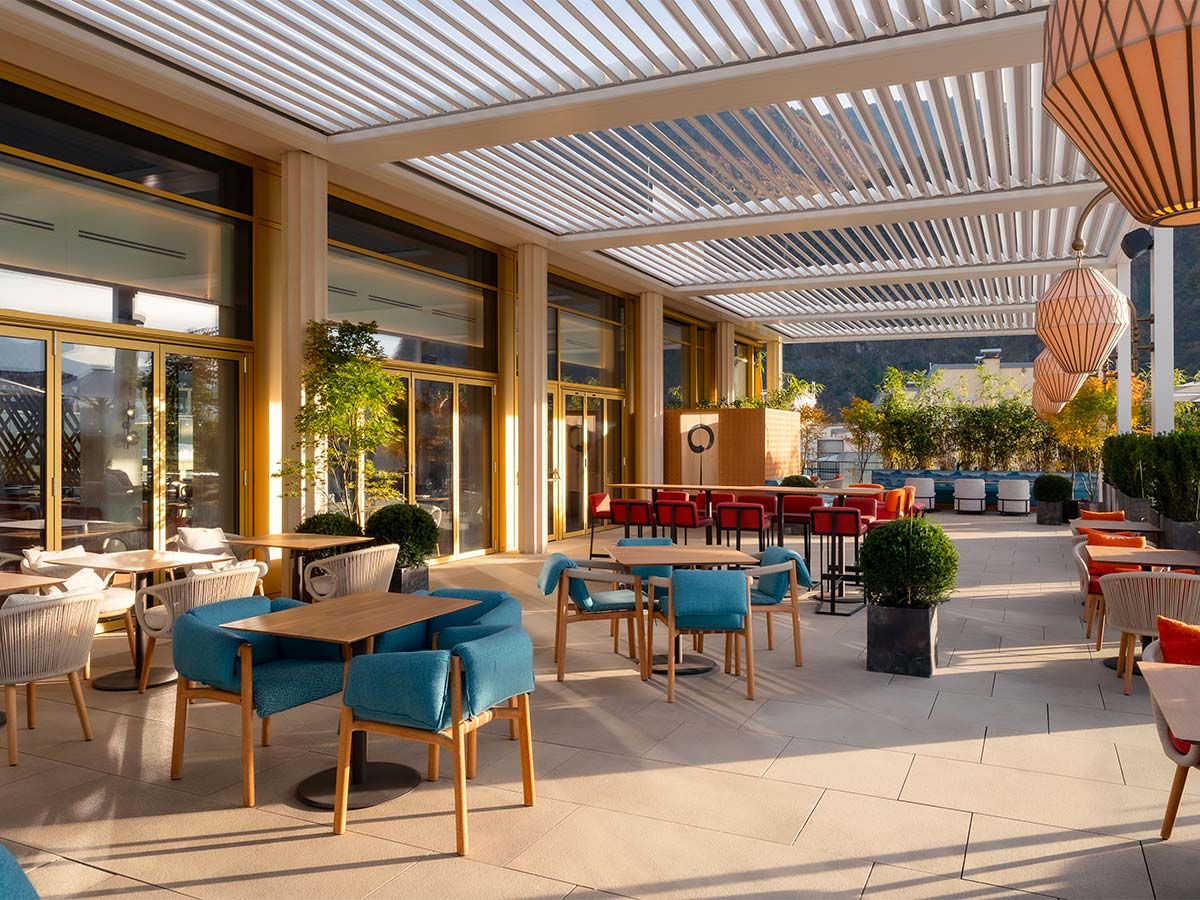
Project by Amandine Buisson Studio
Ania Agardy, who works on very high-end residential projects, added, “Clients today are much more involved in the design process than in the past. They are looking for timeless design, but resale value is also important.” This latter point underscores how high-net-worth clients often view a residence with the knowledge that it may not be their “forever home.”
Among the guests was Elena Tushina of Smartline Trade, who painted a clear picture of the current landscape: today, luxury interiors are not just about aesthetics but about atmosphere, sensory experience, and how people feel emotionally within a space. Scent, light, tactility, acoustics, and emotional well-being have become just as important as the final concept.
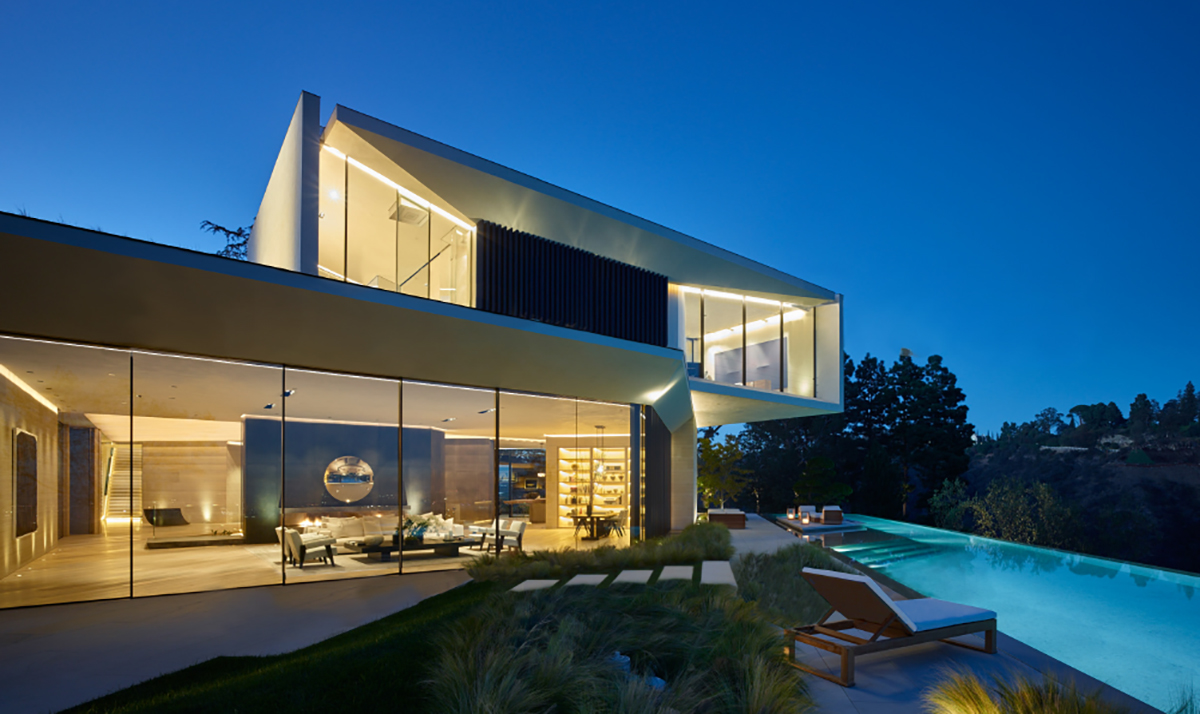
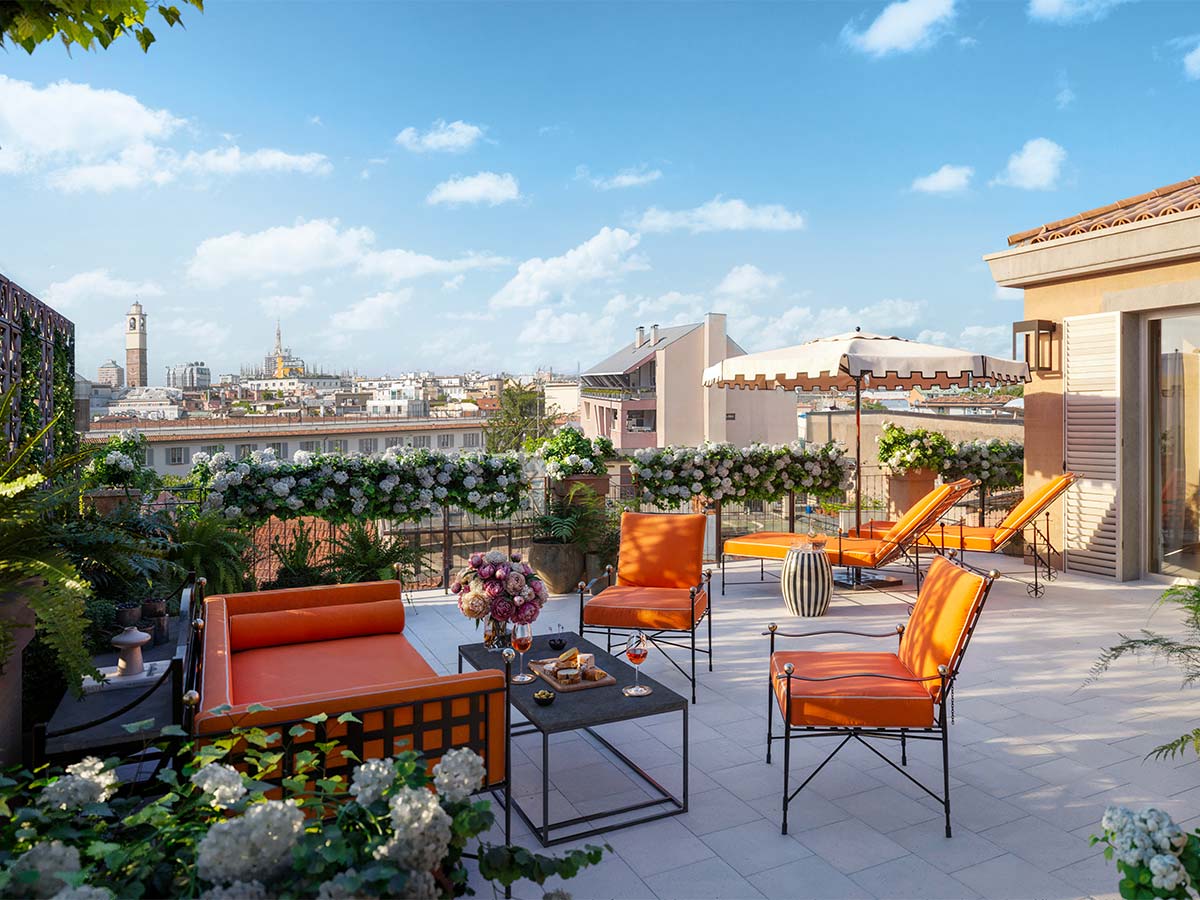
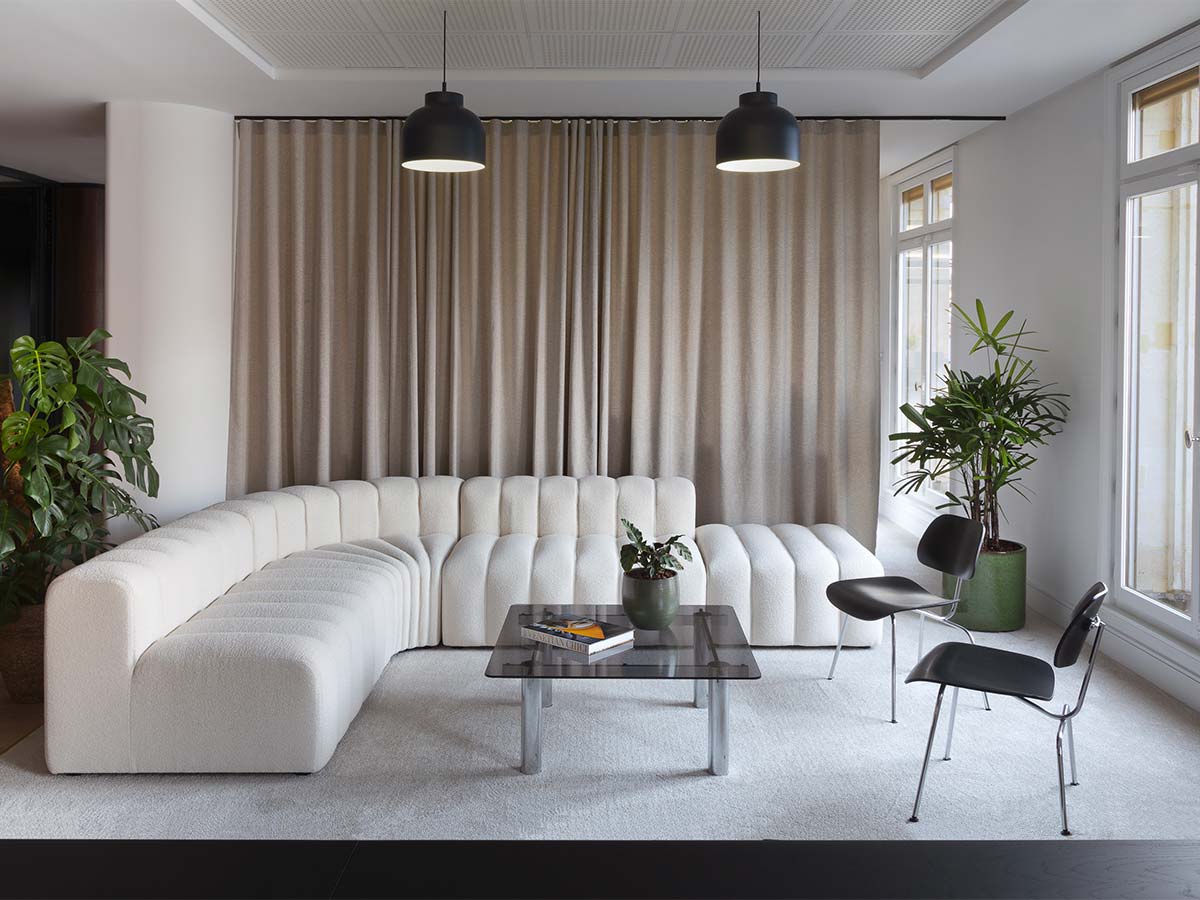
Project by Oppenheim Architecture
The previous decade was dominated by highly uniform, minimalist, white, glossy, and often emotionally neutral interiors. Today, clients seek spaces with character, individuality, and authenticity. They desire homes that feel curated and genuine, rather than reflecting a commercial or generic luxury. At the same time, clients have become significantly more strategic about investment value. Design is increasingly viewed through the lens of long-term real estate positioning and future resale potential. Even clients in the ultra-luxury segment now often seek a more balanced approach to spending, where the design investment remains aligned with the property’s overall value while still creating a highly distinctive lifestyle experience.
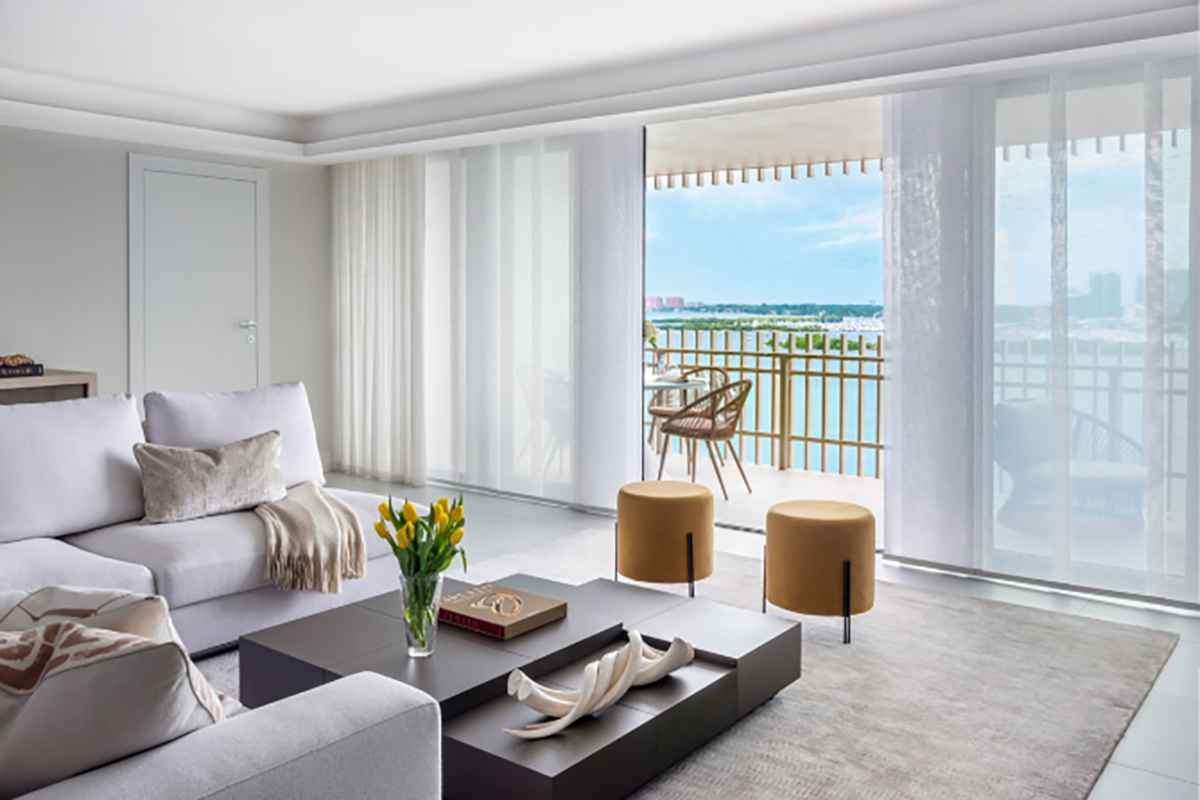
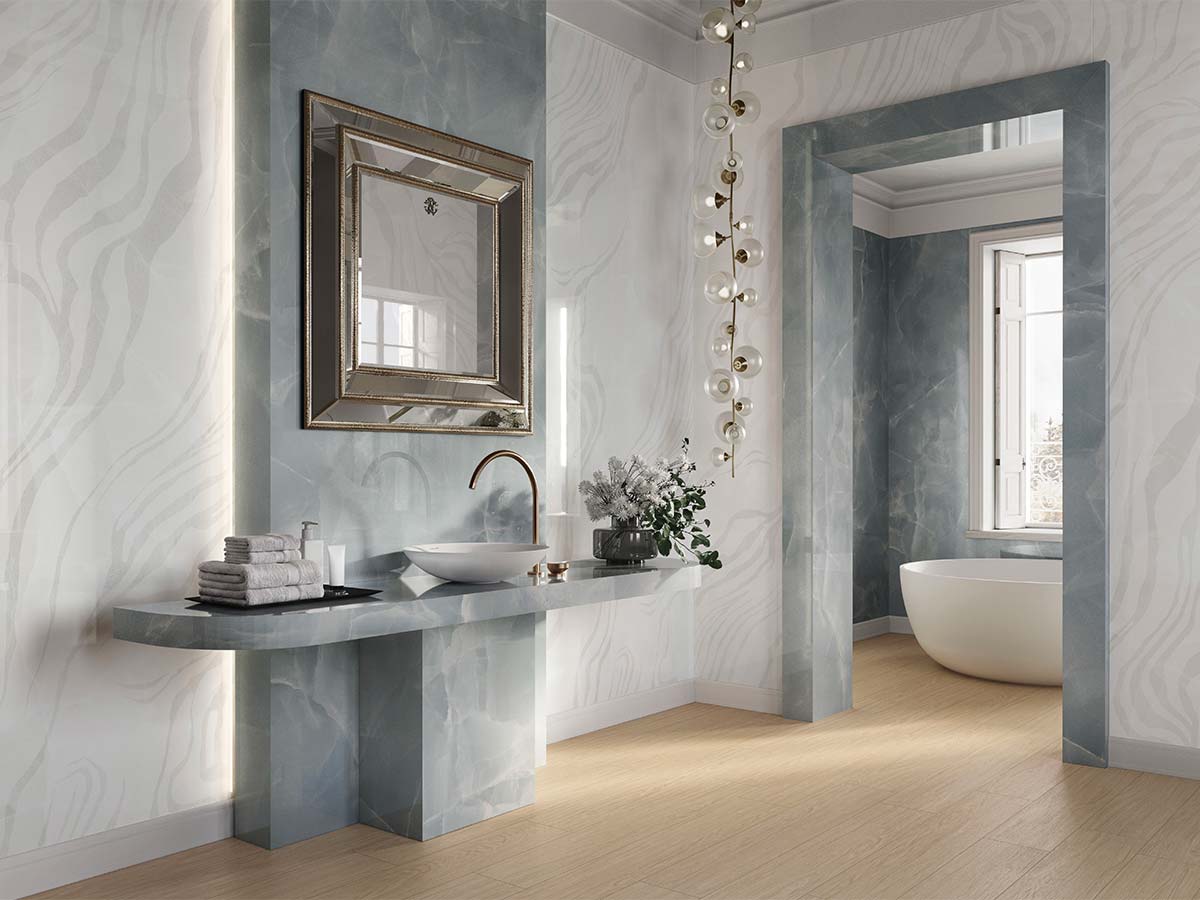
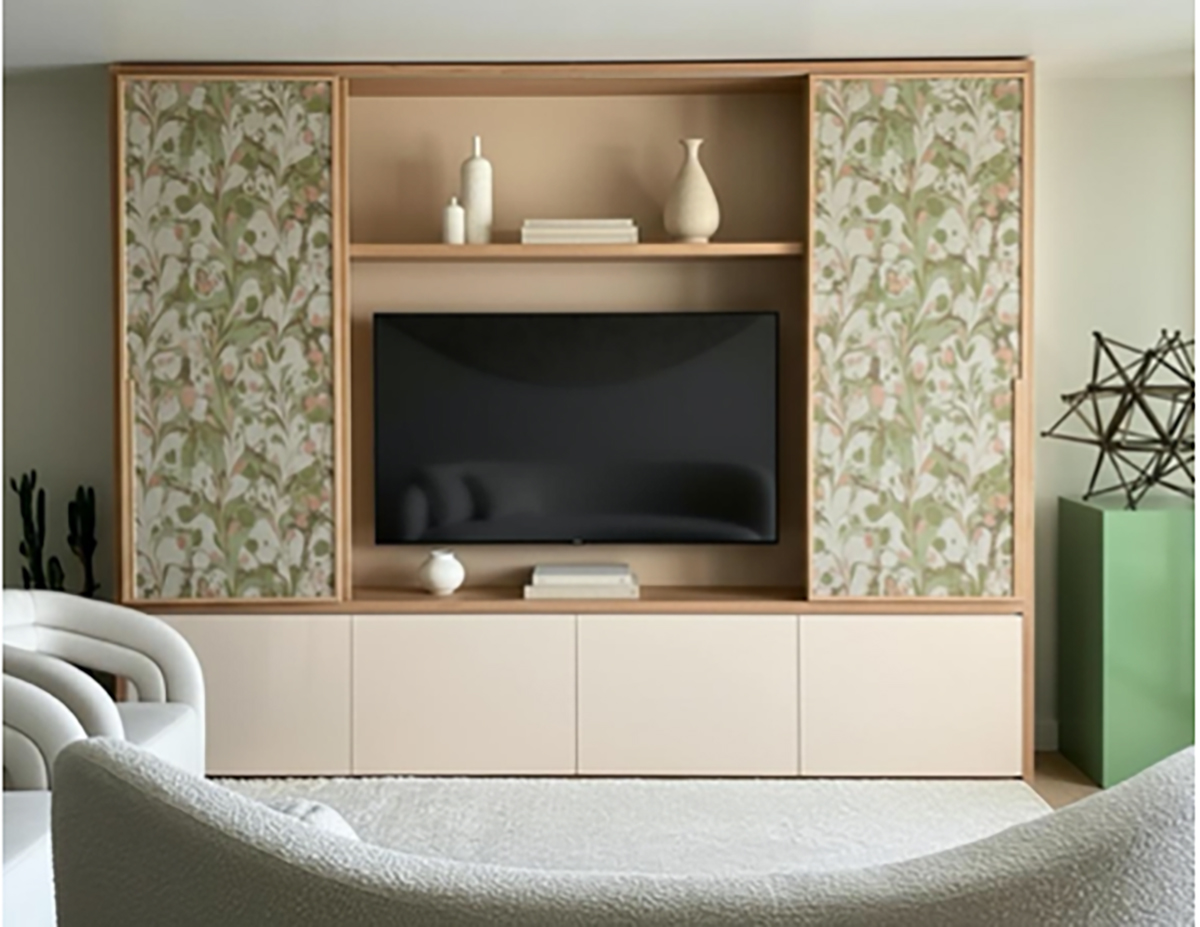
Project by Ania Agardy
A key feature of modern kitchens is that much of their structure is “invisible.” This prompted a natural question: how have client expectations for the kitchen evolved in recent years?
Amandine Buisson noted, “When it comes to kitchens, I guide clients to pay close attention to build quality, internal finishes, hardware systems, and long-term functionality. I also believe that durability comes from timelessness: pieces that are well-designed in terms of proportion and materials tend to age better, both aesthetically and technically. European brands still maintain a remarkable sensitivity to detail, craftsmanship, and materials. However, I also love the idea of pairing established brands with artisans or small ateliers when a project calls for something more unique and personal.”
Ania Agardy added, “I believe Italian kitchens (and Italian lighting) are renowned for their exceptional design and excellent quality. I always encourage my clients to allocate a significant budget for both and perhaps save in other areas.”
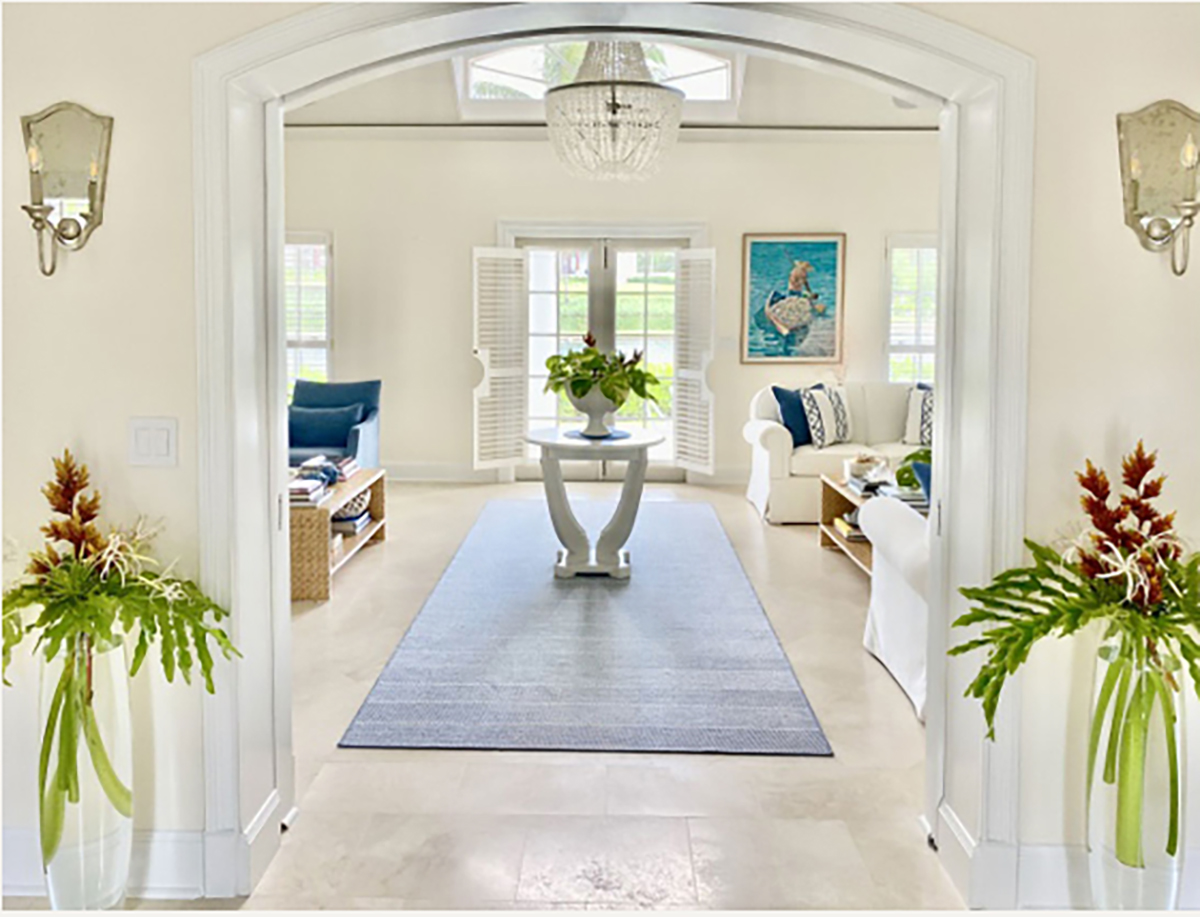
Project by Ania Agardy
As the conversation gained momentum, Paolo Bleve decided to raise the bar, asking the guests if they had ever been involved in projects that severely tested their creativity.
Elena Tushina confirmed, adding, “Indeed, the most interesting projects usually arise from the most demanding requests. Especially in luxury residential design, clients often bring highly personal ideas, memories, collections, or cultural references that can initially seem unexpected or even contradictory. A particularly challenging aspect today is that many clients are heavily exposed to social media and global design trends. They come with hundreds of references from different aesthetics, eras, and cultures. The real challenge is to transform this visual overload into something timeless, elegant, and deeply personal, rather than trend-driven.”
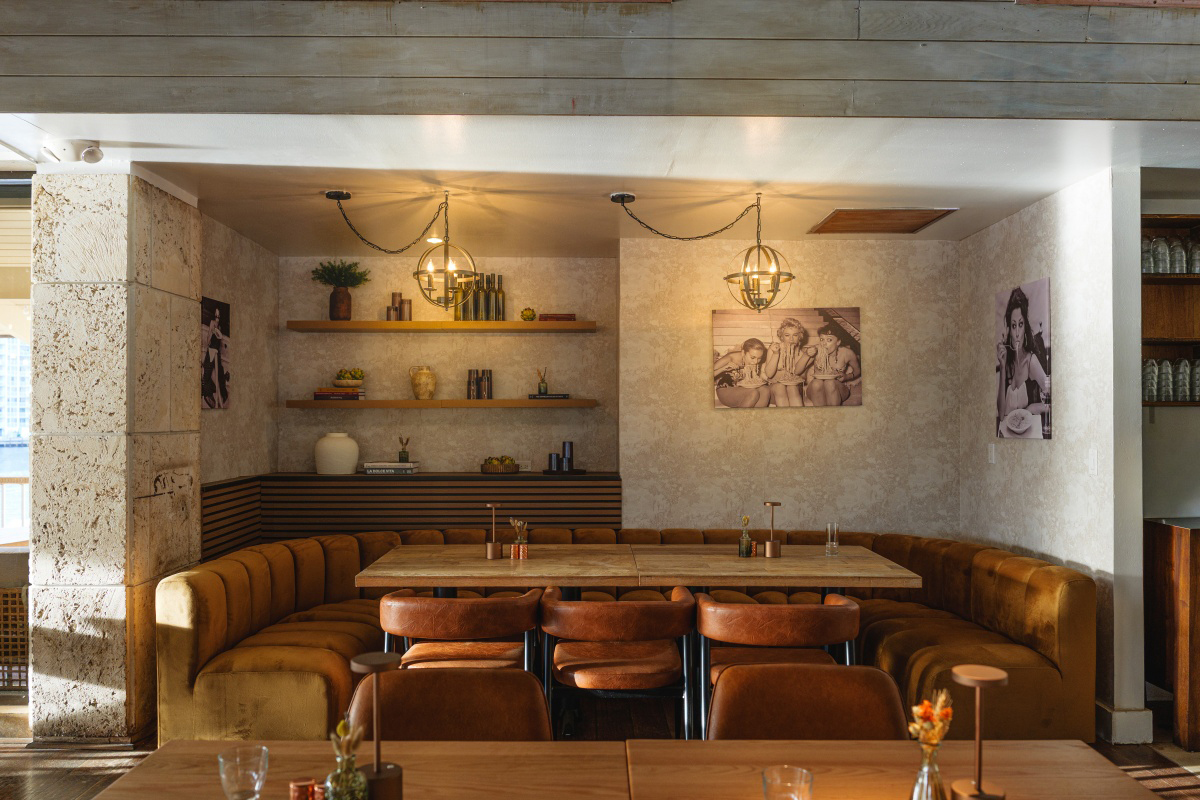
Project by Elena Tushina of Smartline Trade
Ania Agardy smiled and shared, “I once worked on a project in the Bahamas where my client requested leather sofas and strictly forbade me from using any wicker, bamboo, or rattan – which is very difficult to adhere to when designing an island-style home. You always have to be ready and open to even the strangest requests.”
Finally, Kevin McMorris of Oppenheim Architecture approached the problem from a different angle, stating, “Our role is also to guide the process, translating bold ideas or unusual requests into something coherent and lasting. The most rewarding projects are often those where the dialogue between the client’s vision and our design language leads to unexpected results.”
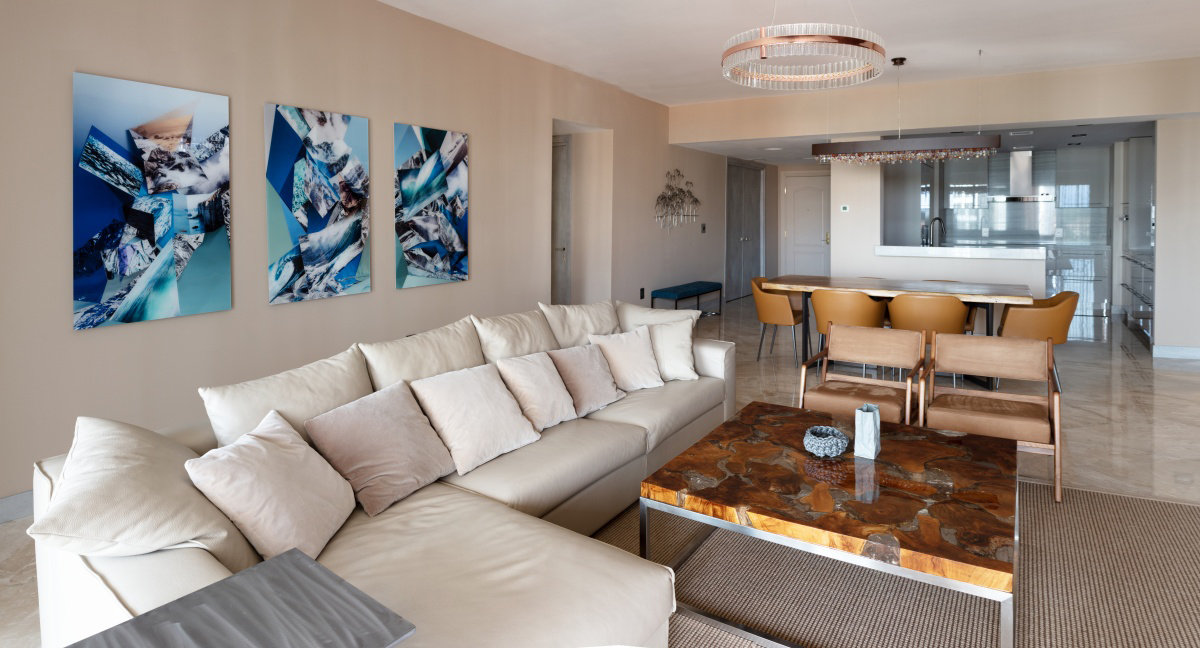
Project by Elena Tushina of Smartline Trade
Towards the end of the breakfast, the conversation turned to budget management. It’s common for a project to start with one estimate and end with a different, often less generous, final figure. How can the initial design be modified to find the right balance while respecting beauty and functionality?
Elena Tushina has a precise strategy: “One of the first things I clarify with clients is the intended use of the property itself: is it a primary residence, a second home, an investment property, or an asset for future resale? This immediately helps define the right level of design investment and creates a realistic framework for all subsequent decisions.
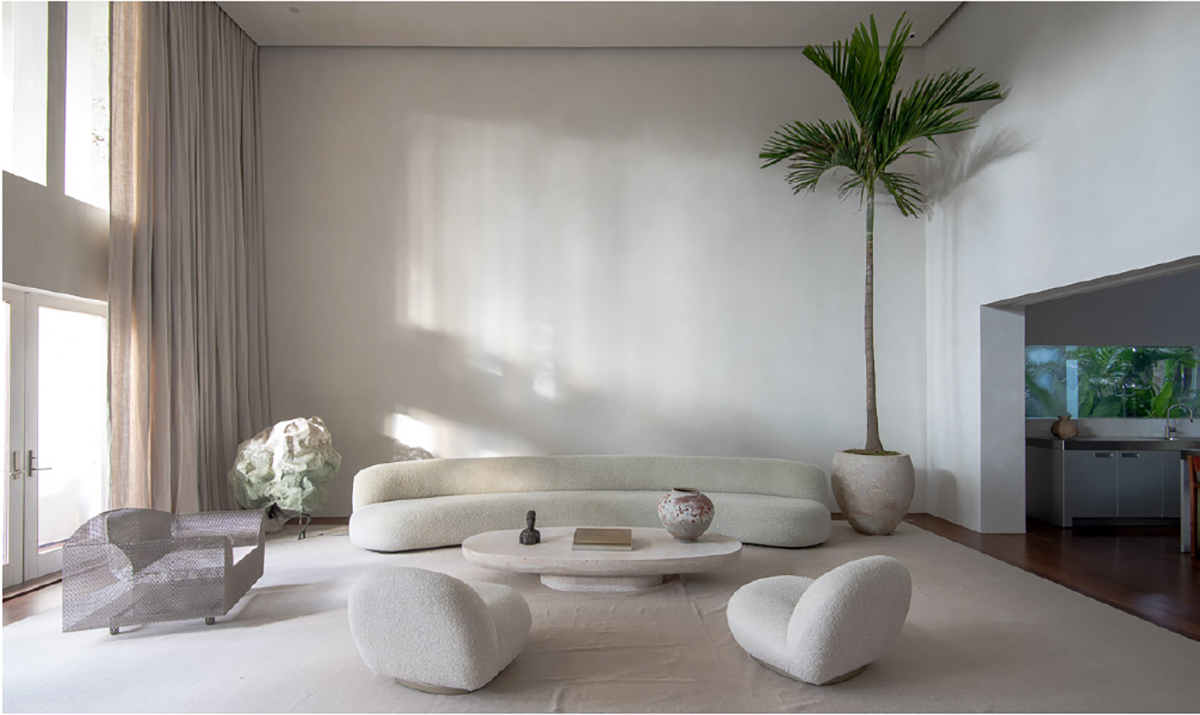
Project by Oppenheim Architecture
In many cases, I structure the interior investment proportionally to the property’s value – often within a balanced range of about 10 to 20 percent, depending on the project’s goals. Once this framework is clearly established, the decision-making process becomes much more efficient and strategic.”
Kevin McMorris of Oppenheim Architecture offered his solution: “When approaching a budget optimization exercise, there are two important principles I always keep in mind. First, to identify and ‘protect’ the key design features or moments that are essential to the concept’s integrity and should not be compromised. Second, to identify materials or elements that represent a significant portion of the budget – often those used extensively throughout the project – where thoughtful substitutions can yield substantial savings while maintaining the overall design quality and intent.”
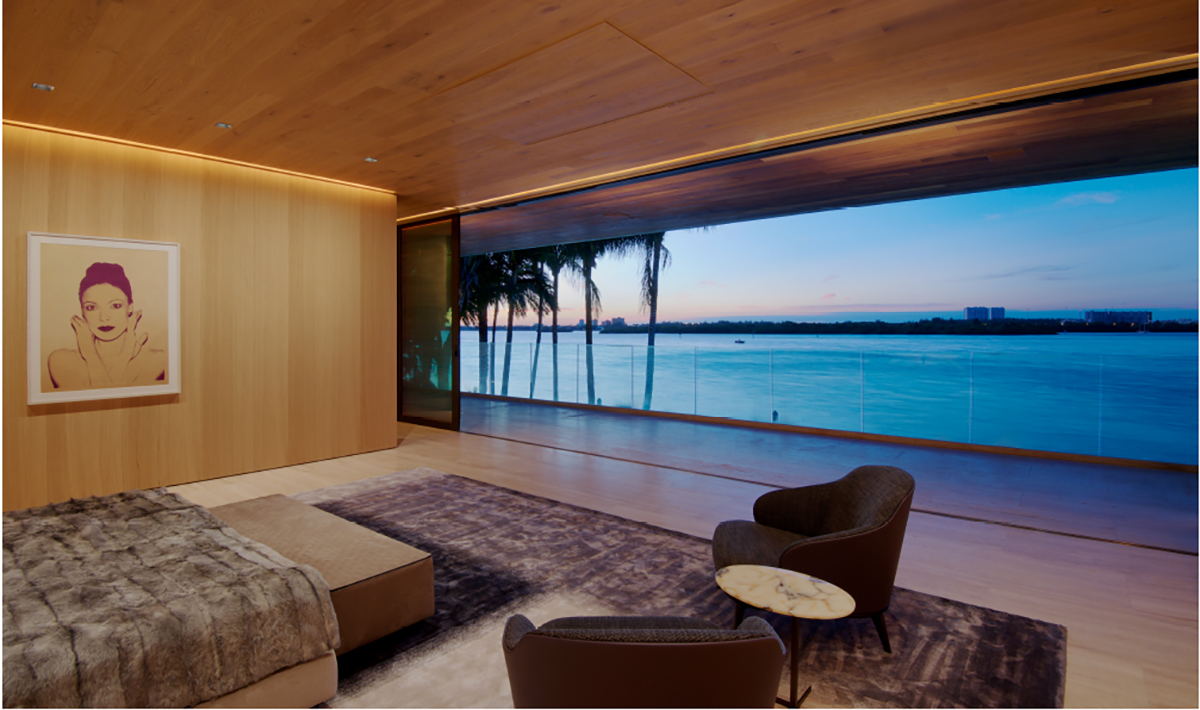
Project by Oppenheim Architecture
Amandine Buisson affirmed, “Experience is a great help because it allows you to understand where quality truly matters and where you can simplify without compromising the overall result. I often prioritize investments in the elements that define the daily experience of the space: the layout, lighting, continuity of flooring, finish details, the proportions of custom furniture, or the use of high-impact materials. A good focal point in each room is often enough. In other areas, we can then strategically reduce costs by using alternative finishes, simplifying construction details, mixing high-end pieces with more affordable ones, or selecting materials that visually enhance the project without excessive expense.”
Ania Agardy has a clear idea of where to make adjustments: “I think secondary rooms (guest bedroom, guest bathroom, kids’ rooms, laundry room) don’t require a large budget and can still be of good quality. You can adjust the finishes, for example, by using tile instead of natural stone or paint instead of wallpaper.”
The testimonies from these designers, who work daily on residential interior projects from Miami and Fort Lauderdale to Coral Gables, provided an insightful overview of how interior and architectural trends are changing the approach to residential living. The conversation highlighted a growing focus on emotional design and a strong demand for personalized environments that truly reflect the client’s identity.