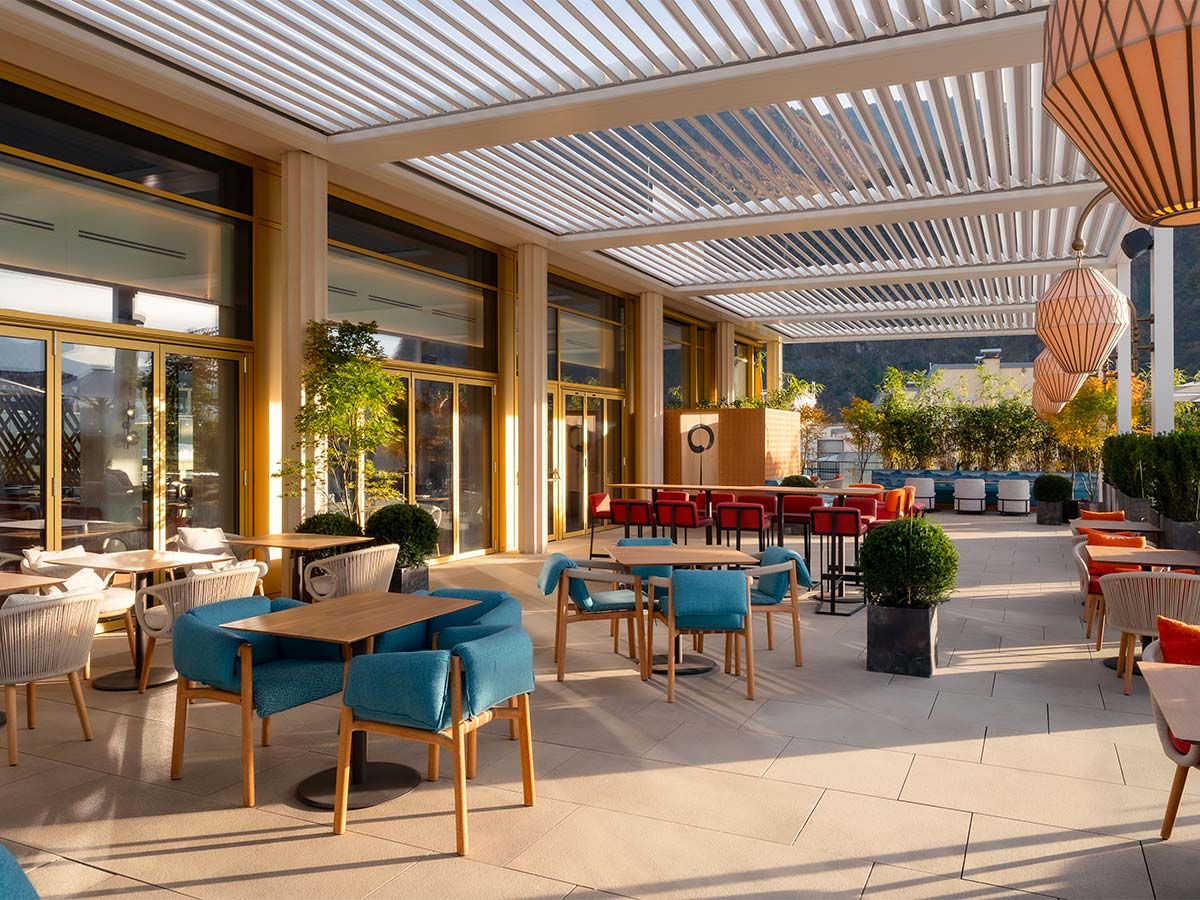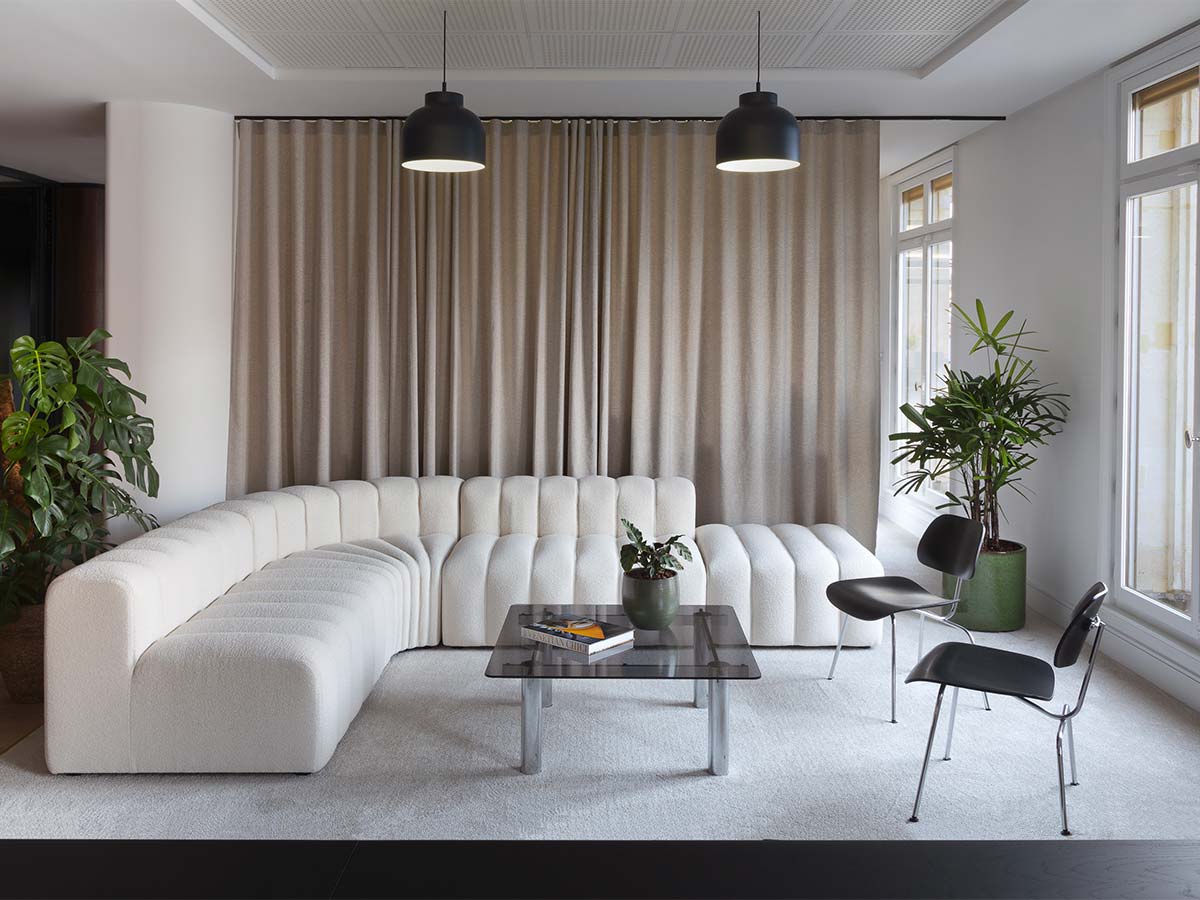
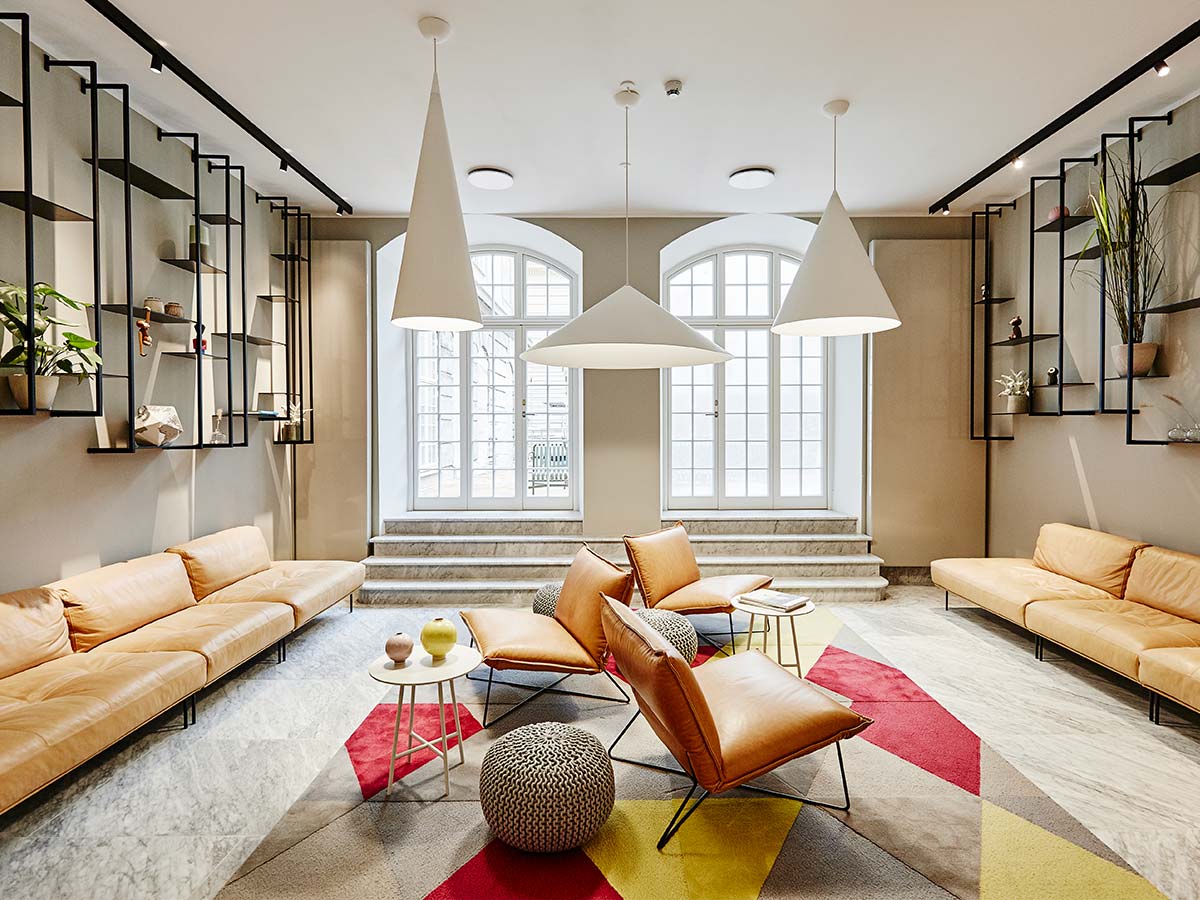
In a hospitality landscape increasingly defined by restraint rather than excess, Nobis Hotel Copenhagen offers a compelling example of how historic architecture can be reimagined for contemporary living without losing its original character. Located in the centre of the Danish capital, a short walk from the Ny Carlsberg Glyptotek and Tivoli Gardens, the hotel occupies a landmark building designed in 1903 by architect Martin Borch, one of the leading figures of early twentieth-century Danish architecture. Originally built as part of the Royal Danish Conservatory of Music, the property retains the sense of grandeur and composure that characterises Nordic classicism, while embracing a distinctly contemporary identity.
The transformation was led by Swedish architect Gert Wingårdh, who approached the project with a clear intention: to preserve the integrity of the original architecture while introducing a modern layer that feels natural rather than imposed. Existing features, from the generous proportions to the finely crafted detailing, have been carefully restored and complemented by a palette of natural materials including marble, stone, timber and glass.
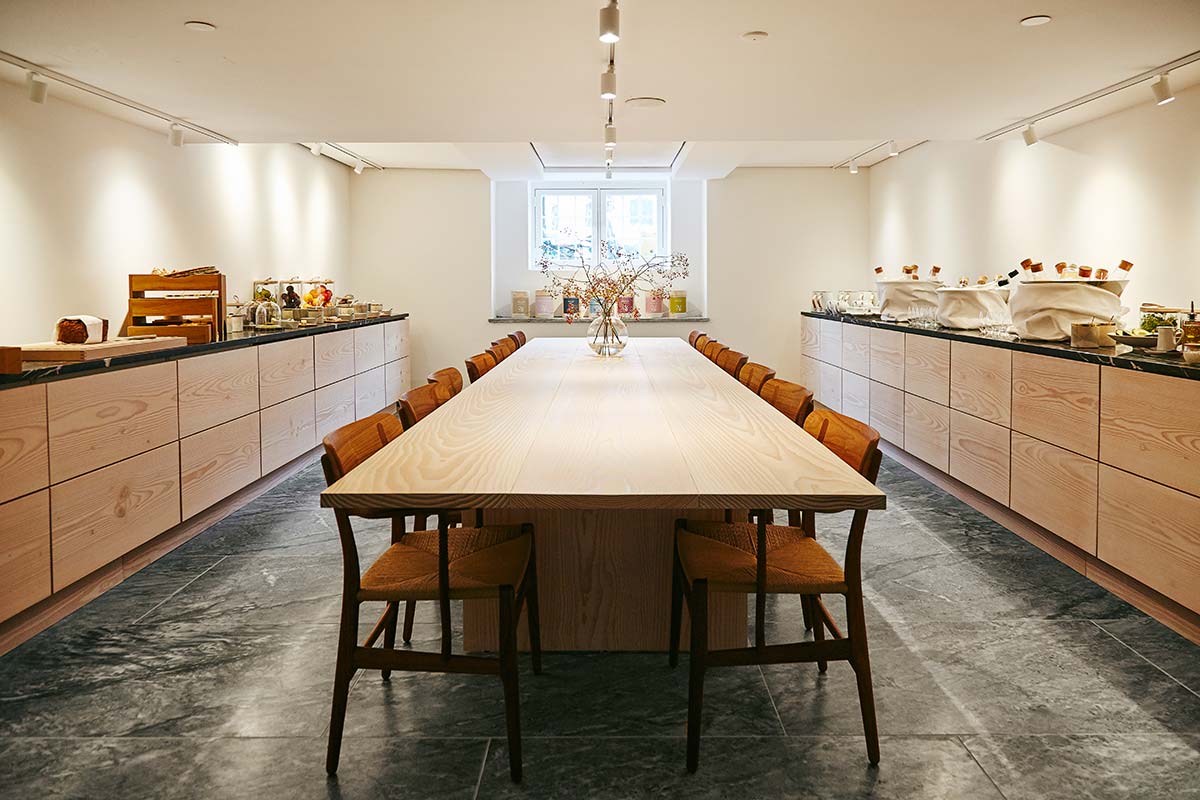
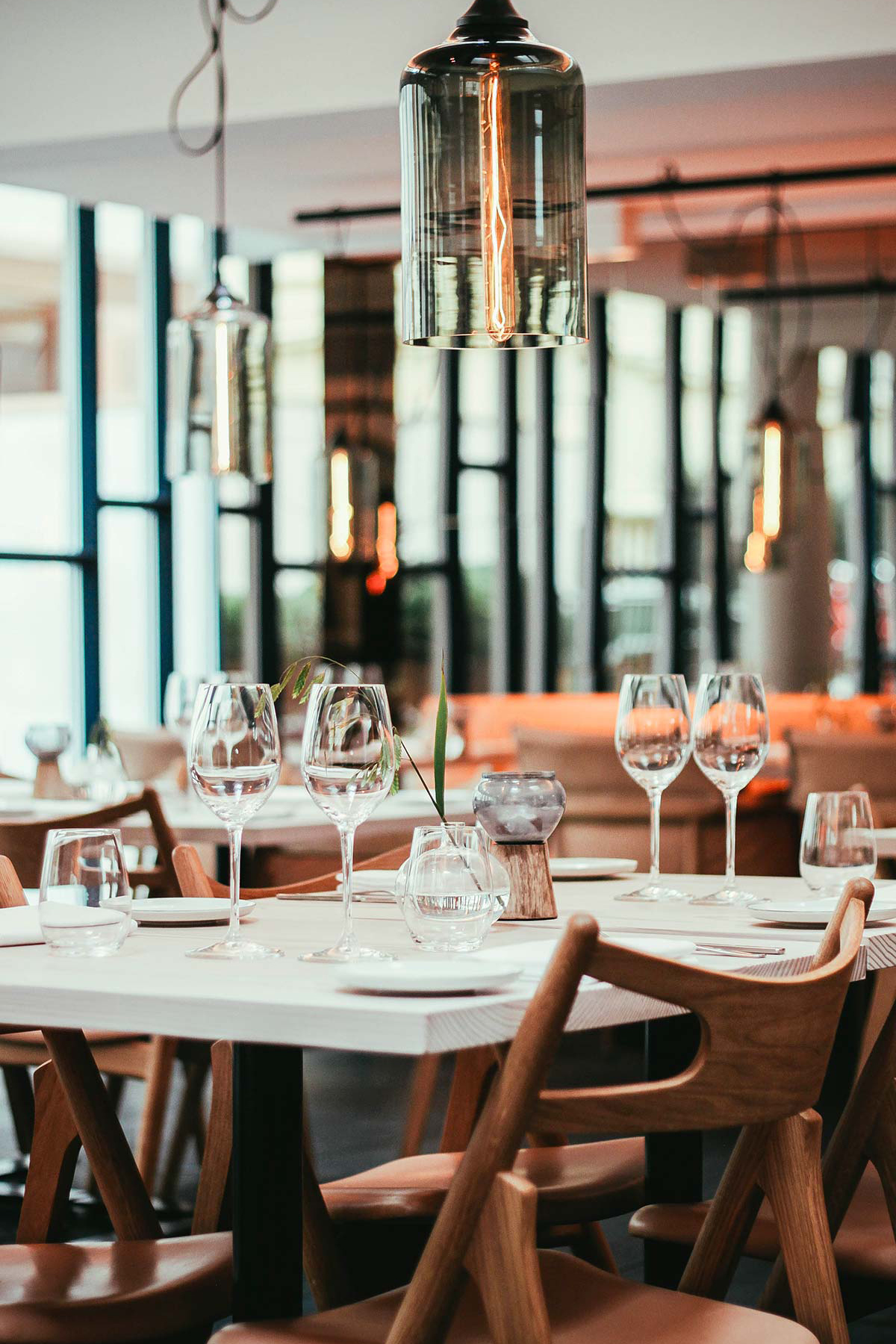
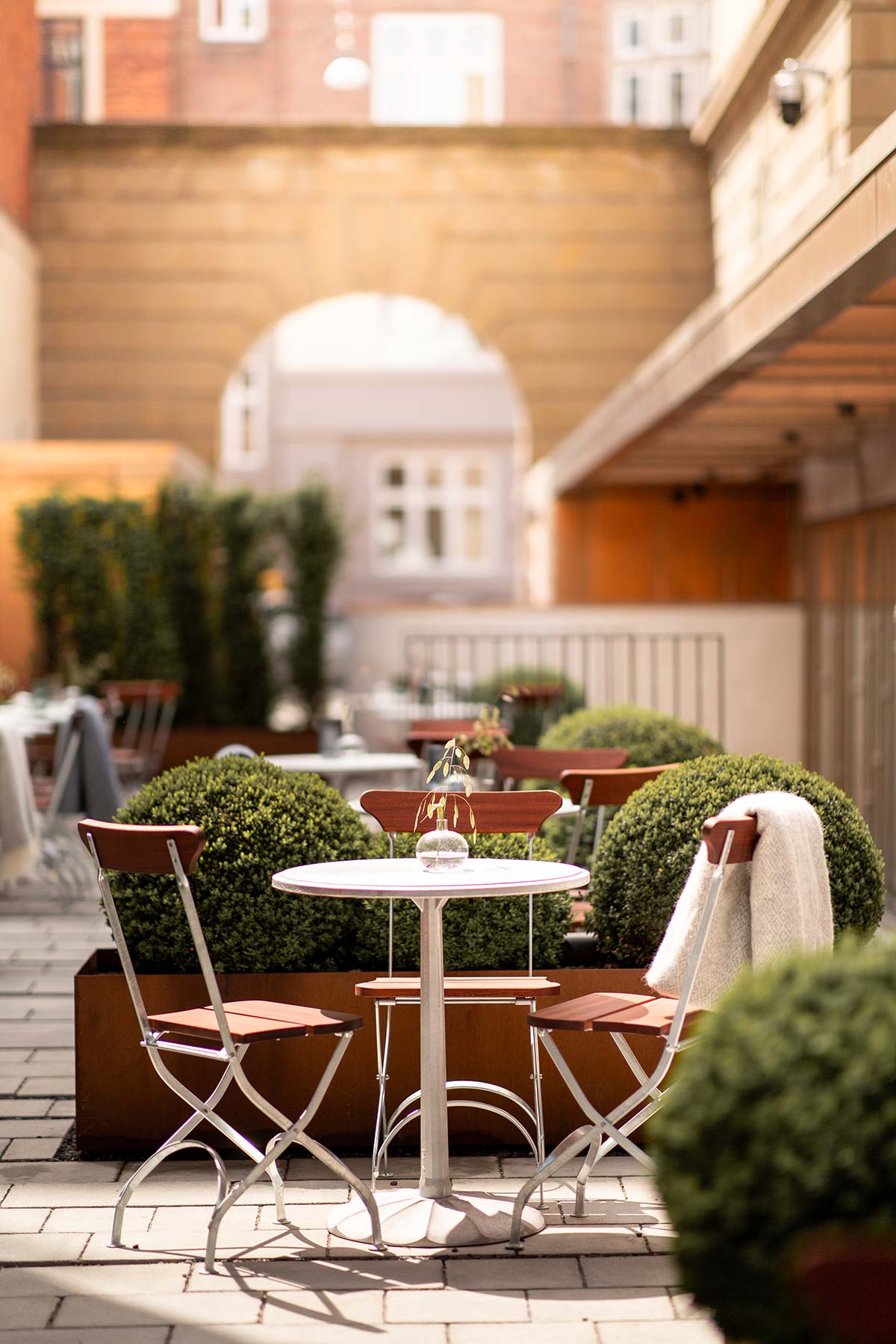
The result reflects a broader shift within Nordic hospitality design, where luxury is increasingly expressed through quality, authenticity and longevity rather than visual opulence. Instead of relying on decorative gestures, the interiors focus on atmosphere, craftsmanship and material richness. Every element contributes to a sense of calm sophistication, creating spaces that feel both elegant and genuinely welcoming
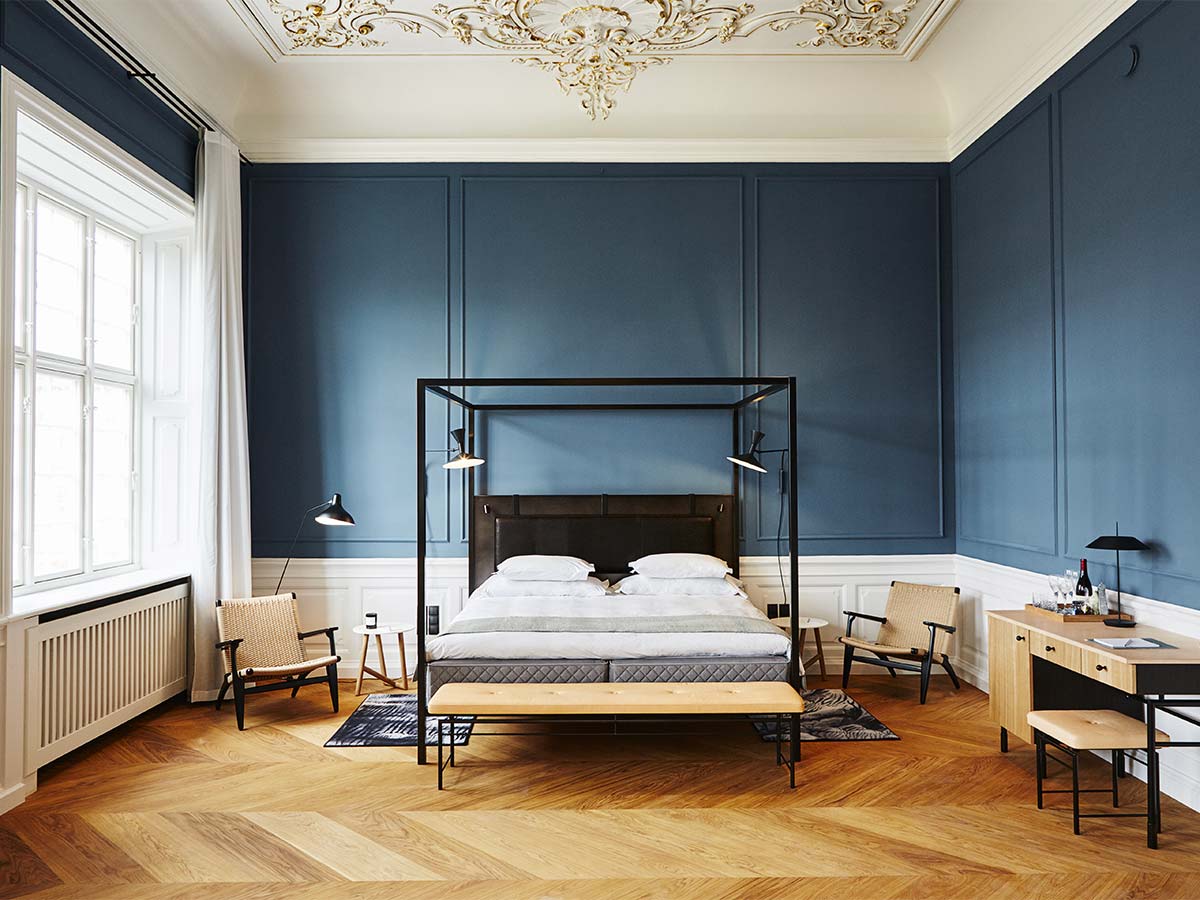
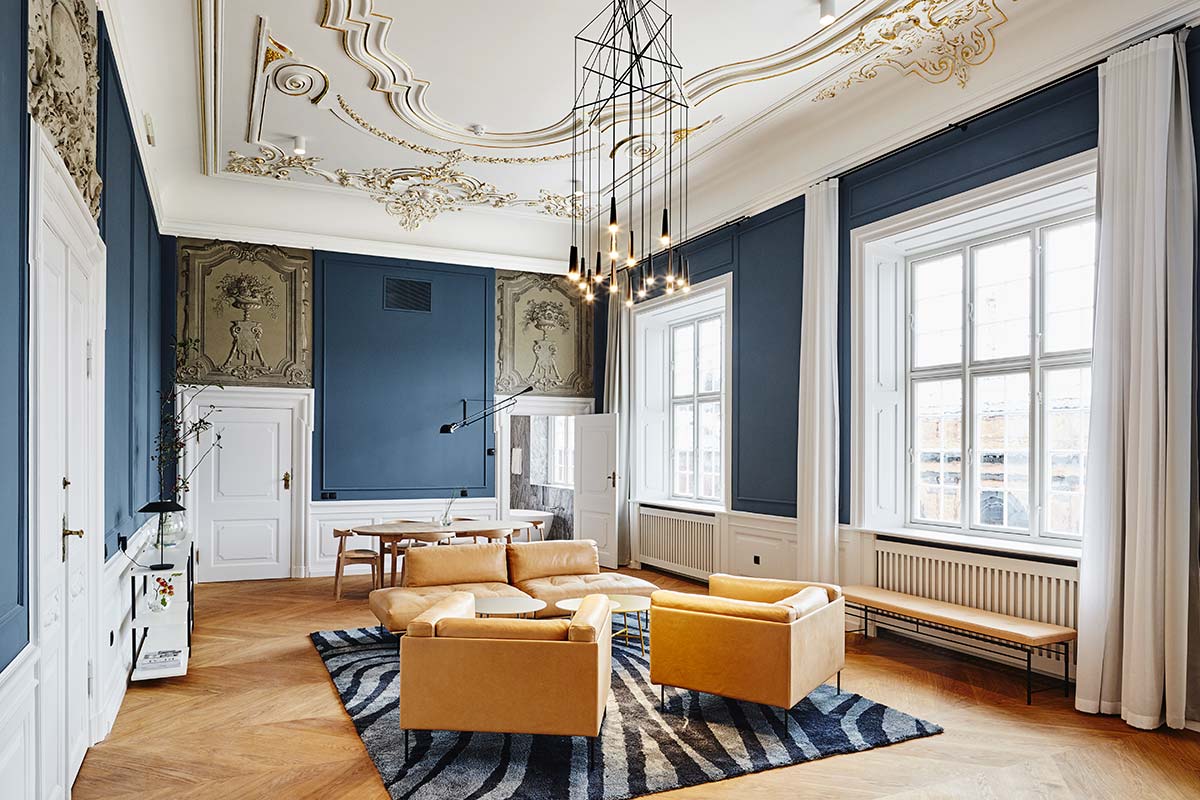
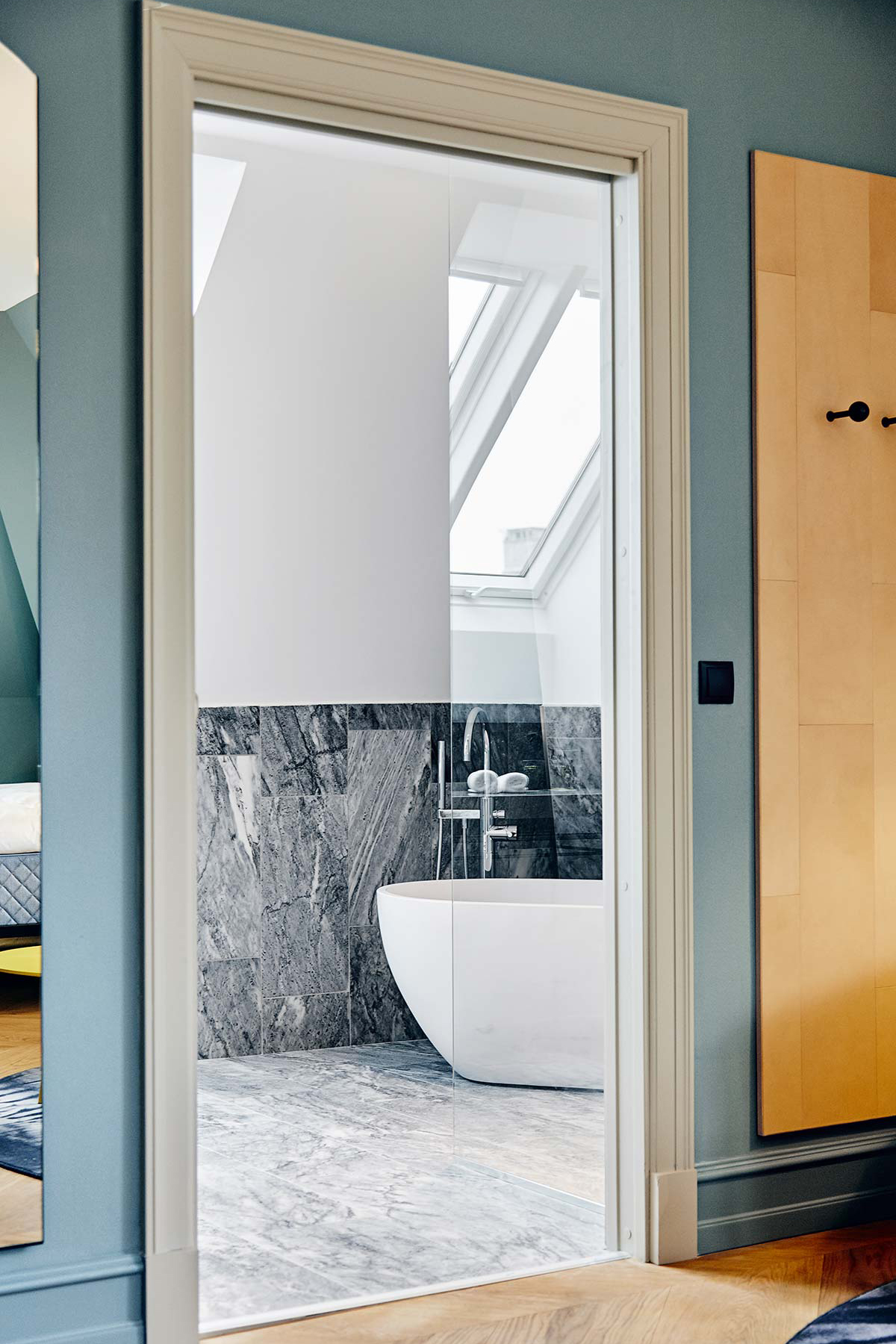
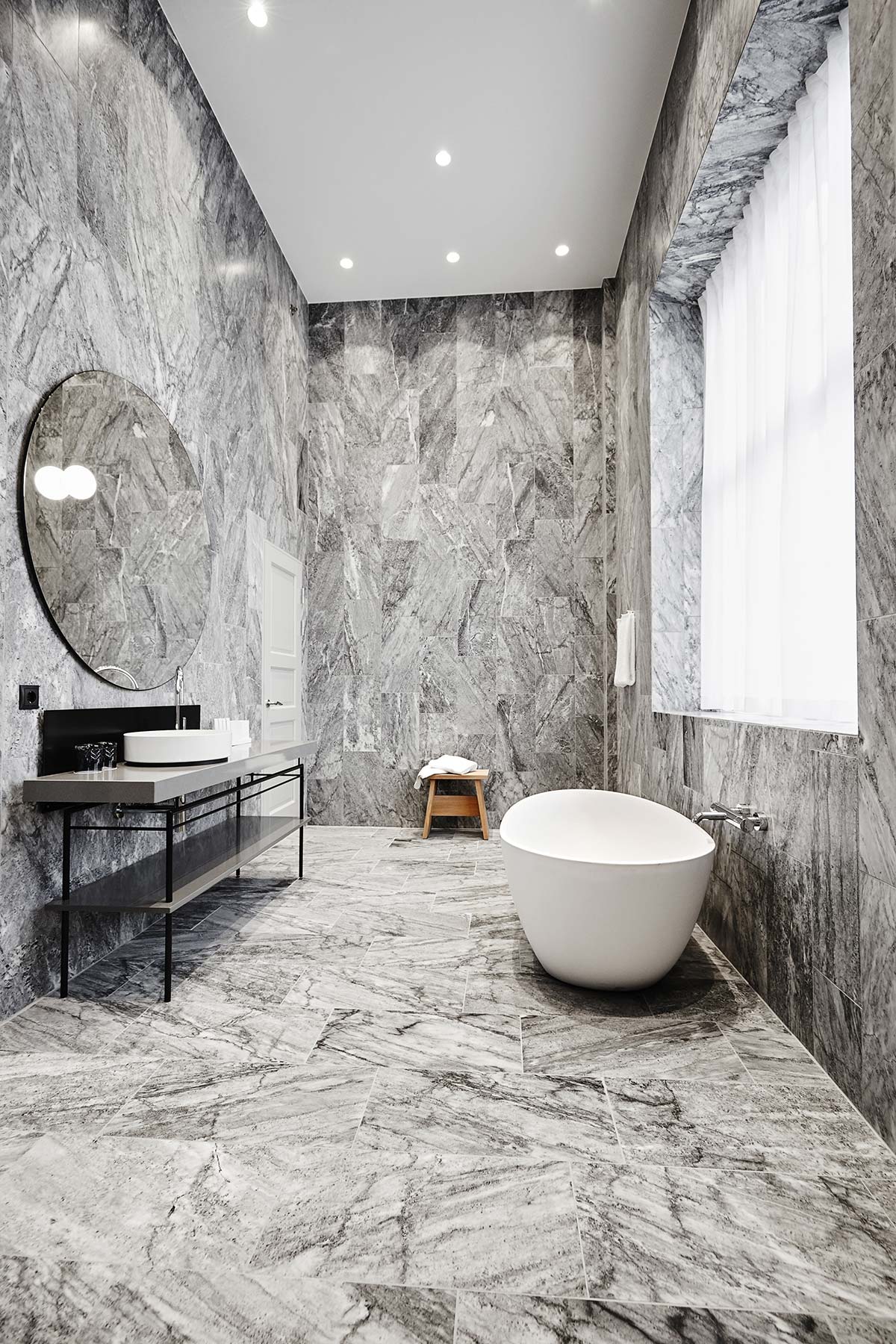
Across the hotel’s 75 rooms, bespoke furnishings sit alongside Scandinavian design classics. Chevron-pattern timber flooring, deep green-blue tones and large original windows establish a strong connection with the building’s architectural heritage, while Bardiglio marble bathrooms introduce a refined material contrast. The emphasis throughout is on timelessness rather than trend, with materials selected for the way they will age and develop character over time.
Particularly noteworthy is the treatment of the adjoining 1960s annex, home to the hotel’s restaurant, NOI. Here, Wingårdh adopted a more expressive approach, introducing a new façade clad in glass and copper, inspired by the architectural language of Le Corbusier. The dialogue between the neoclassical main building and the more modern intervention creates a layered architectural narrative that enriches the overall guest experience.
More than a luxury hotel, Nobis Copenhagen reflects a wider direction emerging across Northern Europe: the adaptive reuse of historic buildings as contemporary hospitality destinations. By balancing preservation with innovation, the project demonstrates how architecture, interiors and cultural identity can work together to create places that feel rooted in their context while remaining relevant to today’s traveller. In doing so, Nobis Hotel Copenhagen captures the essence of contemporary Nordic hospitality – understated, thoughtful and quietly confident.