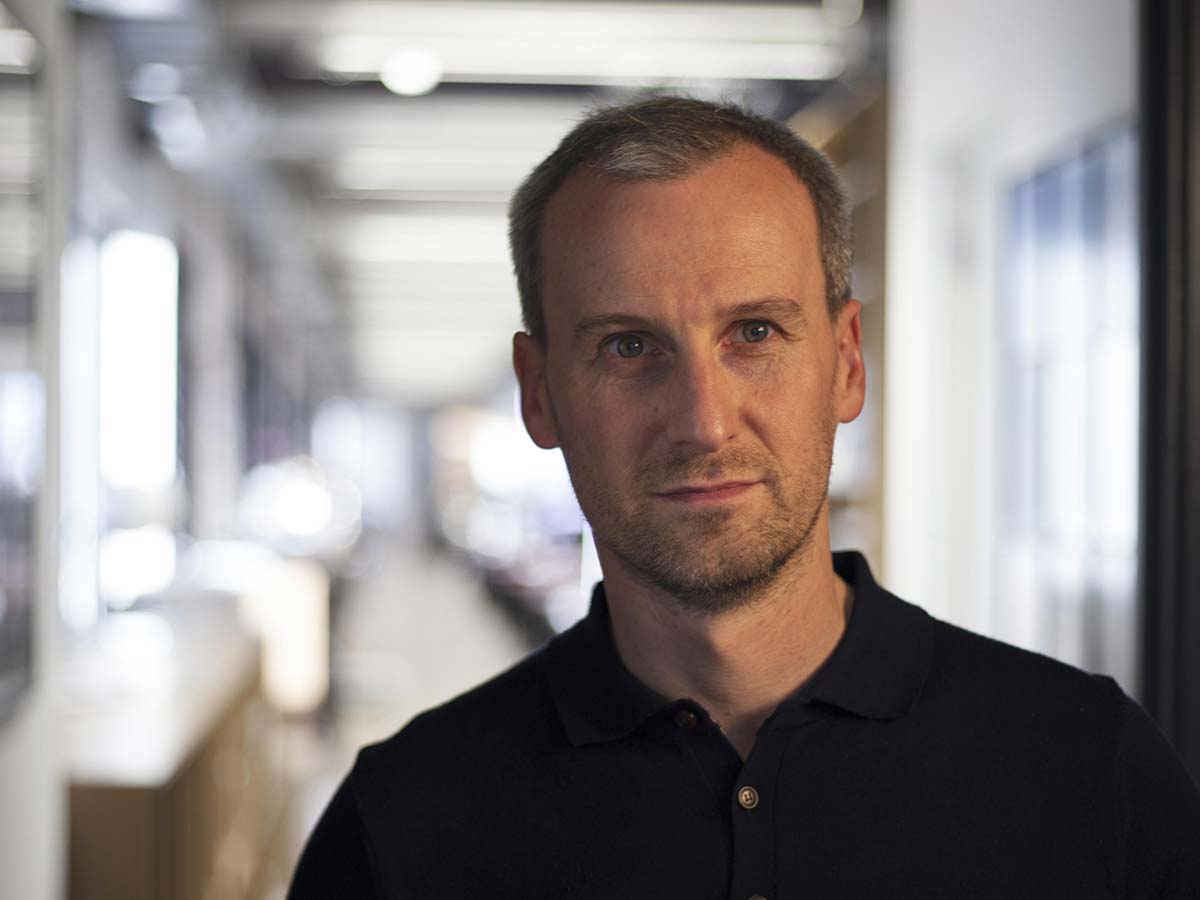
At this year’s FIND – Global Summit, a key event of Singapore Design Week uniting leading figures in design, architecture, and business, Ian Hendricks, Creative Director of Central Pattana—a major Thai real estate company owning shopping malls—explored the future of retail and its redefinition across Asia.
Asia is redefining the future of retail through a bold fusion of design, technology, and hospitality concepts. From hyper-localised experiences in Thailand to digitally integrated lifestyle hubs in China and design-forward spaces in Korea, the region is setting new standards for immersive, consumer-first environments. The FIND panel explored how Asian retail transcends shopping, becoming a platform for creativity, culture, community, and innovation. The discussion highlighted how design thinking, architectural storytelling, and experiential strategies are shaping the next generation of retail, inspiring not only Asia but a global industry seeking to redefine the purpose of place.
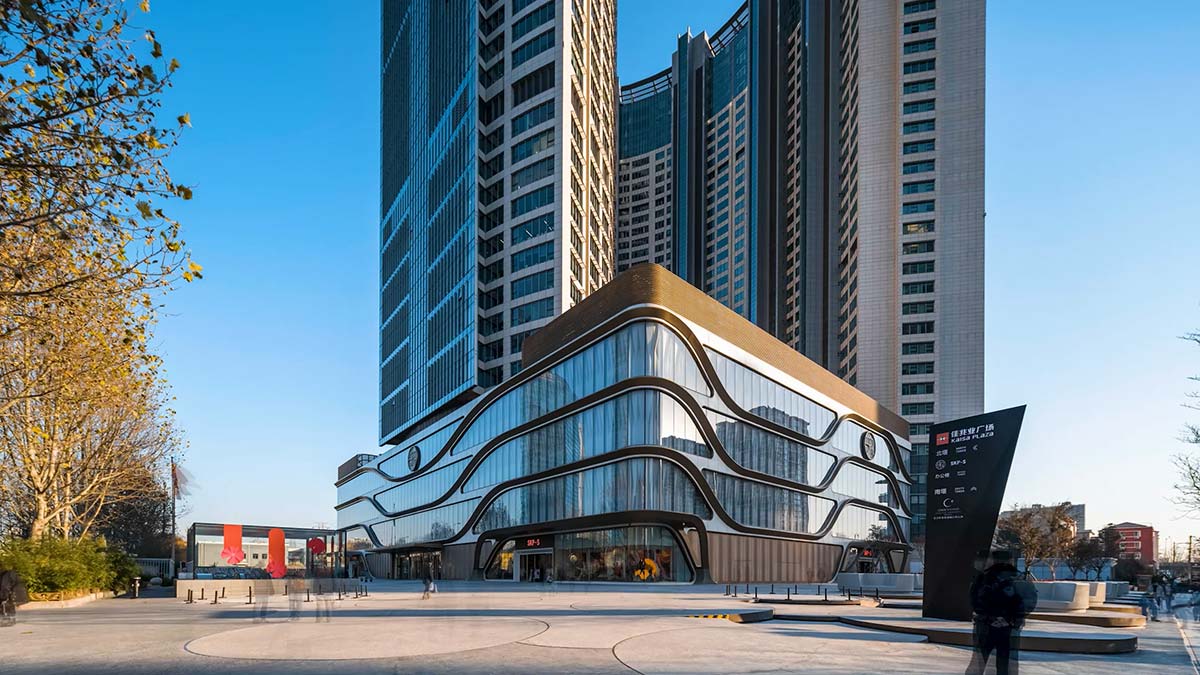
SKP-S Beijing, China – Photo © Boris Shiu, Noah Sheldon
Hendricks’ talk, titled “Retail as Destination: Merging Culture, Community & Commerce,” highlighted the remarkable reinvention of retail spaces across Asia. He argued that malls are evolving from purely transactional spaces into destinations where culture, community, and commerce converge to create holistic experiences.
“Across Asia, retail is undergoing a remarkable reinvention. No longer defined purely by transactions, malls are being reimagined as destinations. Places where culture, community and commerce, converge to create experiences. This shift reflects not just a design evolution but the rethinking of the purpose of the space itself,” said Hendricks.
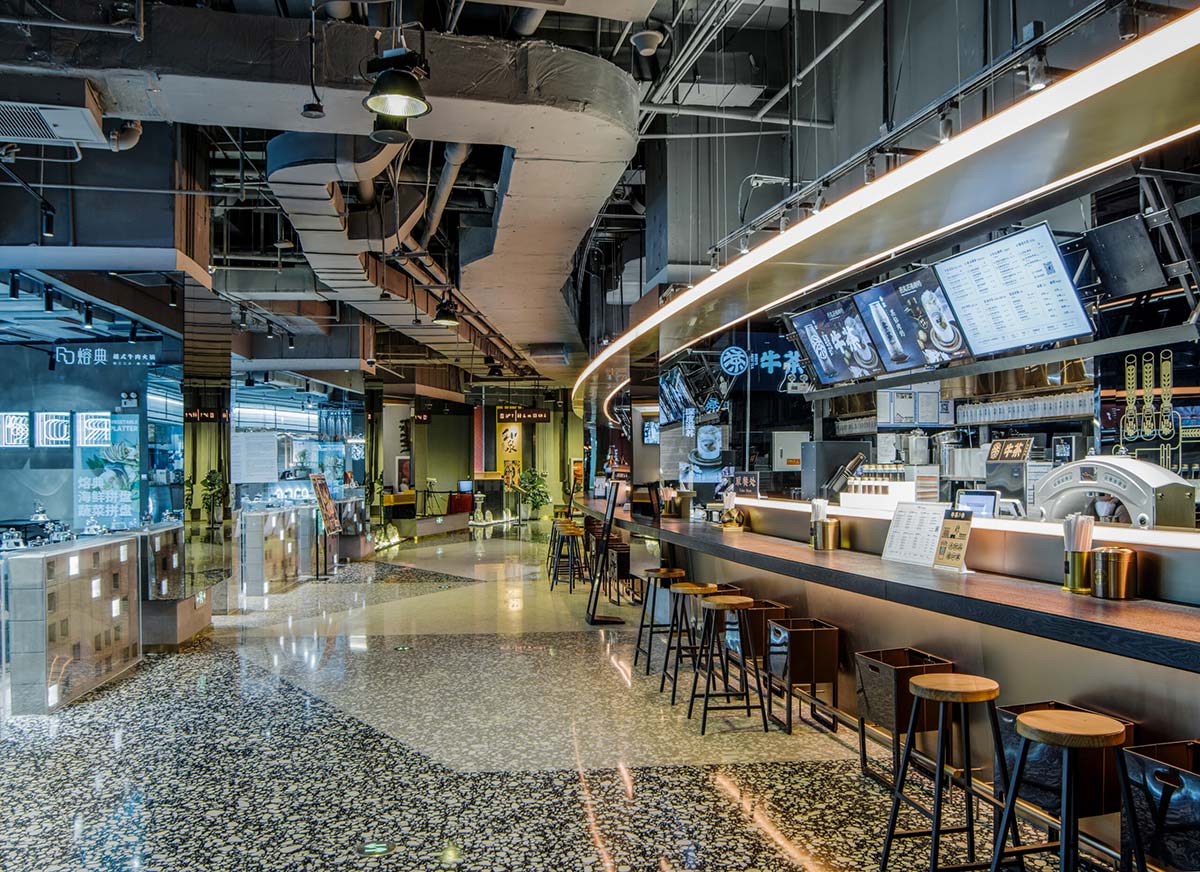
SKP-S Beijing, China – Photo © Boris Shiu, Noah Sheldon
From Transaction to Transformation
Hendricks emphasized that the traditional role of retail, simply as a space for buying and selling, is being challenged. While this model remains in some parts of the world, cities like Bangkok, Seoul, and Shanghai are redefining retail as a platform for lifestyle, creativity, and belonging. He noted that ambition and imagination, driven by the demands of mega-cities and digitally-native consumers, are blending heritage with innovation to shape the future of retail.
Hyper-local Experiences
A key trend highlighted was hyper-localisation. Hendricks pointed to examples in Thailand, where malls blend international luxury with Thai culture, juxtaposing high-end boutiques with indoor floating markets. He described this as “theatre,” designed to surprise, immerse, and celebrate identity. He also cited boutique neighbourhoods in Japan that integrate craft cafes, bookshops, and galleries, creating spaces that encourage lingering and foster community. These spaces embody the concept of retail as a “third place,” where people gather, connect, and spend time.
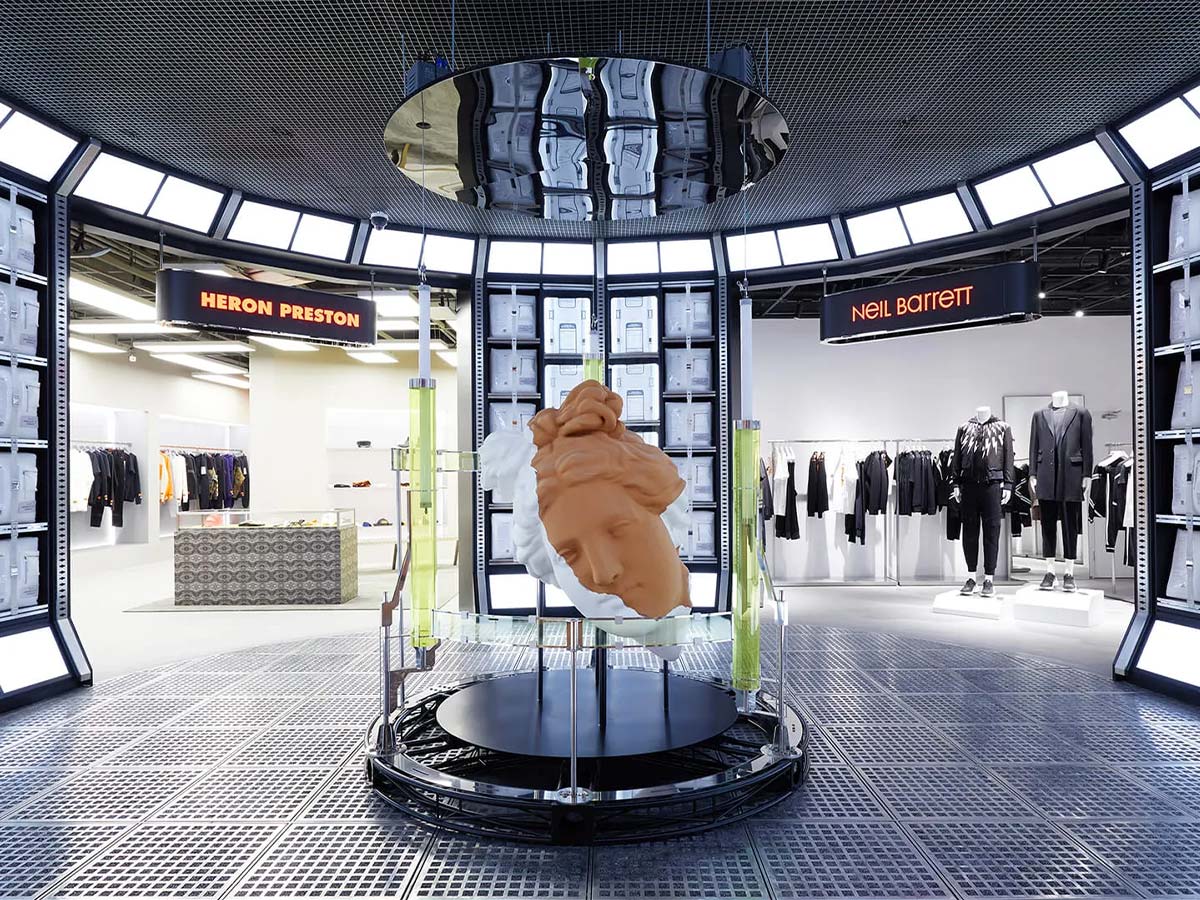
SKP-S Department store – Beijing, China – Photo © Noah Sheldon
Digital Ecosystems
Hendricks also explored the integration of digital technologies into retail spaces. In China, he noted how physical malls and digital platforms like WeChat create seamless ecosystems, allowing consumers to livestream fashion shows, make instant mobile purchases, and collect items quickly. He cited examples like SKPS in Beijing and Hyundai Seoul in Korea, which merge lush greenery, art installations, and communal lounges with digital elements, blurring the lines between the physical and digital worlds. “Visitors are no longer simply customers, but guests inhabiting cultural environments,” he stated.
Beyond the Green Veneer
Hendricks also addressed the critical issue of sustainability, cautioning against superficial “green” initiatives. He argued that true sustainability requires architecture and planning that genuinely reduce carbon emissions and improve the surrounding environment. He praised forward-thinking projects that prioritize transparency and demonstrate that retail spaces can be both commercially vibrant and ecologically meaningful.
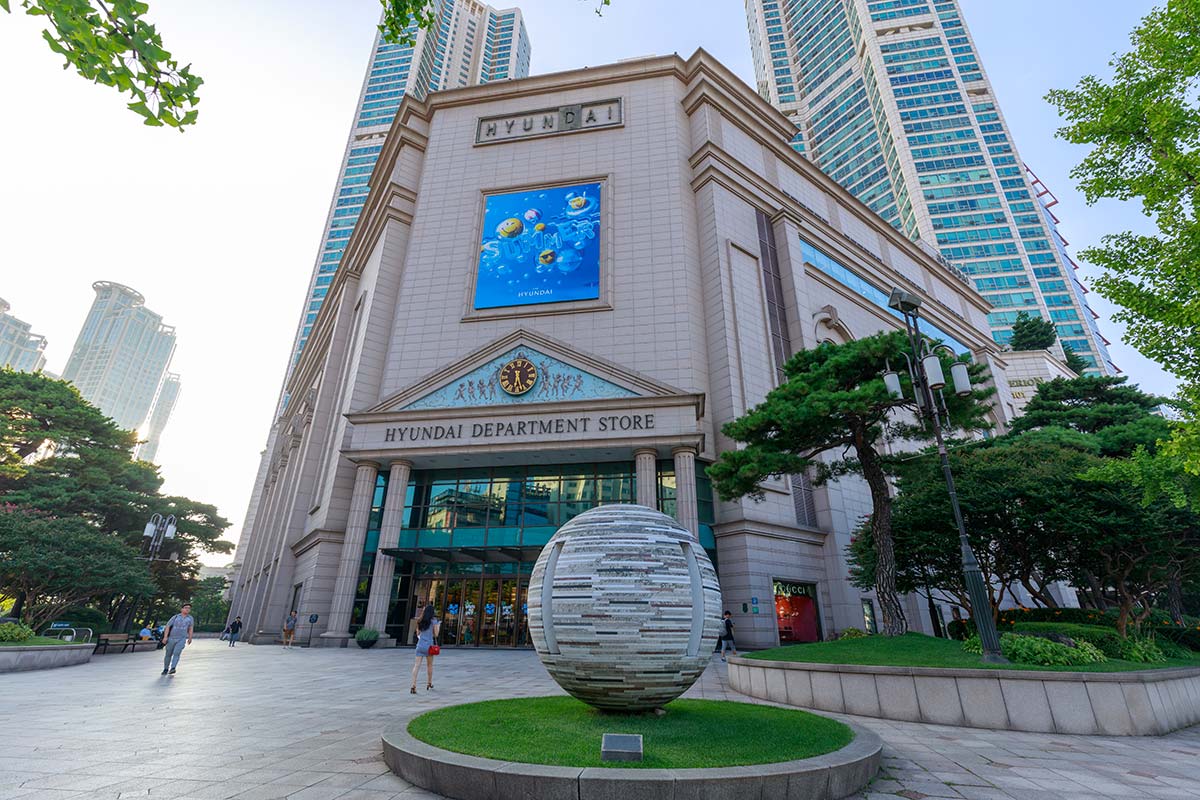
Mokdong Hyundai Department Store in Yangcheon-gu, Seoul, Korea – Photo © ARTYOORAN
The Future of Retail as Cultural Spaces
Hendricks concluded by emphasizing the shift from storefronts to storytelling. He envisions retail evolving into a cultural stage, hosting exhibitions, performances, and events. “The new Mall functions as a hybrid between museum, park, and community hub,” he stated. He suggested that the key question is no longer “what will people buy?” but “why will they come?” In a world of commoditized convenience, the true value lies in creating spaces that foster feeling, connection, and belonging.
“As retail destinations become living spaces, the very definition of ‘shopping’ is under question. Perhaps we should no longer see these places as commercial centres but as cultural infrastructures, environments where design thinking, community life, and innovation converge,” Hendricks concluded. He urged global designers, developers, and brands to transcend consumption and make retail an essential part of civic and cultural life.
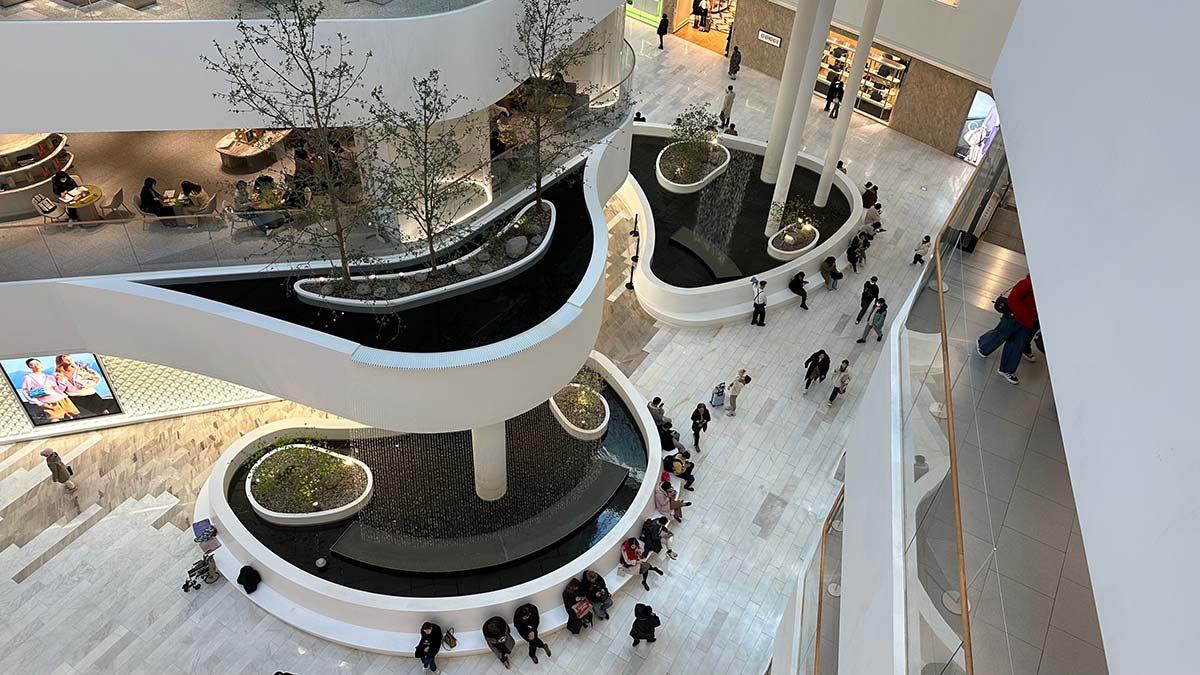
Hyundai Seoul department store, Seoul, Korea – Photo © yllyso